
business resources
How Can Businesses Effectively Reduce Waste Generation?
28 Mar 2026

In today's business landscape, managing waste effectively is far more than just an environmental obligation—it's a cornerstone of sound business practice. When you successfully cut down on what you throw away, you’ll often find yourself saving money and streamlining your operations. This article will walk you through some straightforward, actionable ways companies can reduce waste generation and operate a bit more sustainably.
Key Takeaways
- Begin with a thorough examination of what your business throws out. Understanding your unique waste streams is the key to identifying the most effective reduction strategies.
- Establish clear, user-friendly systems for recycling and composting. The goal is to make it effortless for everyone to sort waste correctly.
- Concentrate on preventing waste before it’s even created. This means buying less, finding ways to reuse items, and opting for products with minimal packaging.
- Ensure your trash collection is optimized. You’ll want to adjust pickup schedules to match your needs and always handle hazardous materials with the proper care.
- Get your whole team involved and don’t forget to consider how your customers can contribute. You'd be surprised how quickly small, collective changes can add up.
Conducting A Comprehensive Waste Audit
Before you can effectively reduce waste, you first need to understand exactly what you're dealing with. That’s where a waste audit comes into play. Think of it as a detailed check-up for your company's trash—a systematic process of analyzing the materials your company discards to get a clear picture of the types and quantities of waste being generated.
Understanding Your Waste Streams
So, what are waste streams? They're simply the different categories of waste your business produces. This can include everything from paper and cardboard to plastics, food scraps, metals, glass, and even hazardous materials. The first step is simply identifying these streams. After all, you need to know what's heading out the door before you can devise a plan to keep more of it from leaving.
Identifying Waste Sources and Quantities
Once you've identified your waste streams, the next logical step is to pinpoint their origins and measure their volume. This process often involves a hands-on approach: physically sorting through trash and recycling bins over a designated period. The findings might just surprise you. For instance, you could discover that a large amount of recyclable paper is ending up in the general trash, or perhaps a significant volume of packaging material is being tossed out when it could be reused.
Here's a simplified example of what you might track:
| Waste Stream | Source Department | Estimated Quantity (lbs/week) | Notes |
|---|---|---|---|
| Paper | Office Admin | 50 | Mostly printer paper, some junk mail |
| Cardboard | Warehouse | 150 | Shipping boxes, product packaging |
| Food Scraps | Breakroom/Cafeteria | 75 | Leftovers, coffee grounds |
| Plastic Bottles | All Departments | 30 | Water bottles, soda bottles |
Pinpointing Opportunities for Reduction
With solid data from your audit in hand, you can begin to see clear opportunities for improvement. If you find a large volume of recyclables in the trash, it's a strong signal that you need better employee education and more strategically placed recycling bins. If one department generates an excessive amount of packaging waste, perhaps it's time to revisit procurement practices or seek out reusable alternatives. The ultimate goal is to shift from merely managing waste to proactively preventing it.
A waste audit isn't just about counting trash—it's about uncovering inefficiencies. It provides the hard data needed to make informed decisions and focus your reduction efforts where they'll have the biggest impact. This information is the bedrock of a targeted, effective strategy that conserves resources and, quite often, money.
By thoroughly understanding your waste streams, identifying their sources and quantities, and then analyzing this data, you can effectively pinpoint the most promising areas for waste reduction within your business.
Implementing Effective Recycling and Composting Programs
Once you’ve got a handle on the kind of waste your business is producing, the next logical step is to establish robust systems to manage it responsibly. This means getting serious about recycling and, where feasible, composting. These programs aren't just a nod to corporate responsibility; they can directly save your business money by lowering disposal fees and sometimes even creating a revenue stream from recyclables.
Establishing Designated Recycling Stations
To encourage widespread participation, recycling needs to be both easy and accessible for everyone. Think about high-traffic areas where waste is typically generated—break rooms, kitchens, copy rooms, and central work areas are all prime locations. The golden rule here is to make recycling as convenient as throwing something in the trash can.
- Bin Placement: Always place recycling bins directly next to trash cans. This simple-but-effective step dramatically reduces the likelihood of recyclable items ending up in a landfill-bound bin.
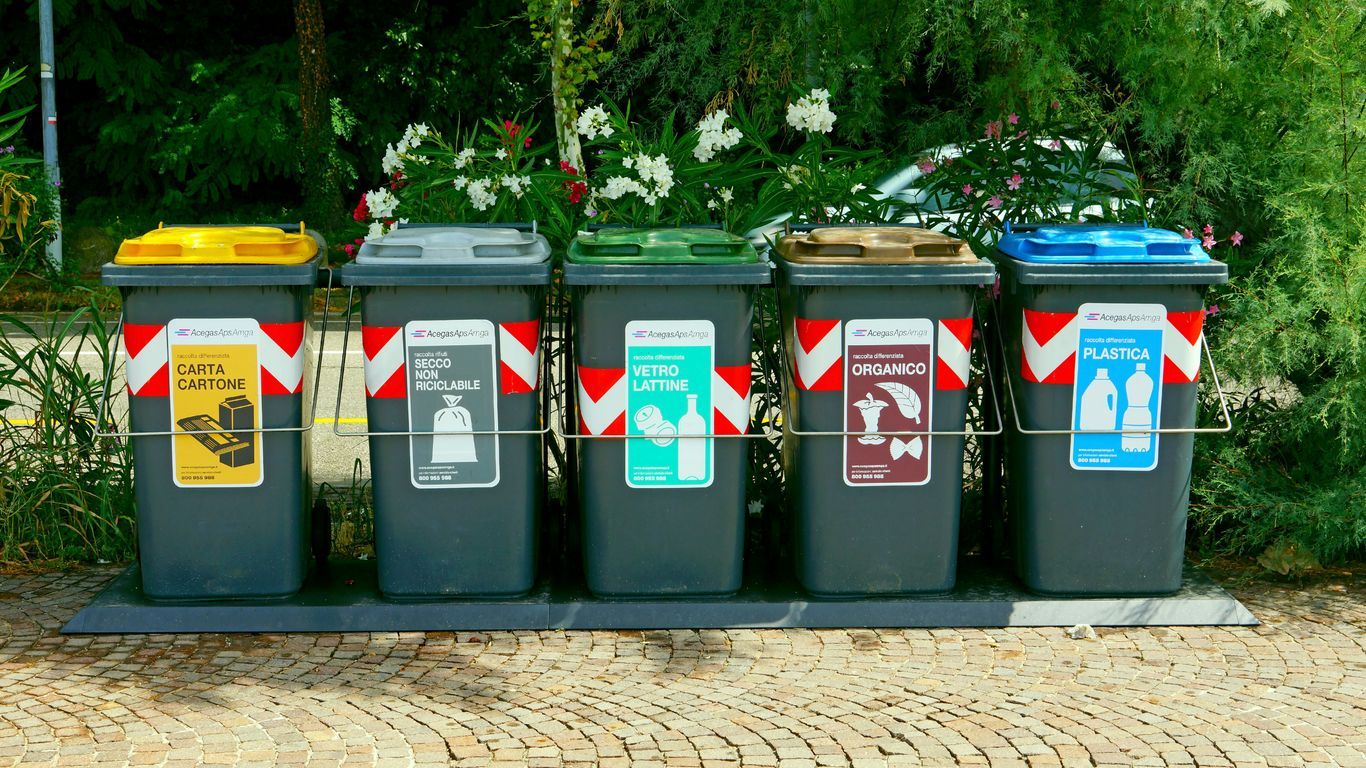
- Clear Signage: Every bin needs clear, intuitive labels. Using pictures of acceptable items alongside text can clear up any confusion and help prevent contamination, a major hurdle for successful recycling programs.
- Consistency: Maintain a consistent color and labeling scheme for bins throughout your entire facility. For example, blue for recycling, black for trash, and green for compost. This uniformity helps people make the right choice in a split second.
Educating Employees on Recycling Best Practices
Having the right bins in place is only half the battle. Your team needs to know precisely what to recycle and how to do it correctly. Contamination—when non-recyclable items are mixed in—can spoil entire batches of materials, rendering them useless.
- Initial Training: When you first launch or revamp a program, hold a brief training session. Be sure to explain the 'why' behind the initiative, not just the 'how' of sorting.
- Ongoing Communication: Keep the momentum going. Use internal newsletters, posters, or team huddles to share updates, quick tips, and helpful reminders. Don't forget to celebrate milestones to keep morale high.
- Visual Aids: Post clear, picture-based guides near every waste station. These should show exactly what can and cannot be recycled according to your specific local program.
Exploring Composting for Organic Materials
Many businesses, especially those with cafeterias or significant landscaping, generate a large amount of organic waste. Composting these materials is a fantastic way to divert them from landfills, where they would otherwise decompose and produce methane, a potent greenhouse gas.
- Assess Your Waste Stream: First, determine if your business generates enough organic waste to make a composting program worthwhile. This can include food scraps, coffee grounds, tea bags, and even some paper towels (as long as they aren't contaminated with chemicals).
- Local Options: Look into local composting services or facilities. Many commercial waste haulers now offer organic waste pickup, and there may be community composting initiatives you can partner with.
- Internal Systems: For businesses with a large cafeteria, an internal composting system might be an option, though this does require more space and management. Just like with recycling, clear signage and education are crucial for success.
Putting together effective recycling and composting programs requires a thoughtful strategy. It’s about more than just setting out bins; it’s about creating an intuitive system that’s backed by clear communication and continuous education. When done right, it becomes a natural part of the daily workflow rather than an additional chore.
Reducing Waste Generation At The Source
Without a doubt, the most direct and impactful way to manage waste is to prevent it from being created in the first place. This approach, often called source reduction, zeroes in on minimizing the materials a business brings in and ultimately throws away. By taking a critical look at purchasing habits and operational processes, businesses can make a substantial dent in their waste output.
Minimizing Material Purchases
Before bringing any new materials into your business, it’s wise to ask a simple question: is this truly necessary? This involves a careful review of inventory management and day-to-day needs. For example, instead of ordering supplies in massive quantities that might expire or become obsolete, companies can adopt just-in-time ordering or smaller, more frequent deliveries. This strategy not only cuts down on potential waste but can also free up valuable storage space.
- Review procurement processes regularly. Are certain items being ordered out of sheer habit rather than genuine need?
- Consolidate orders whenever possible to reduce the impact of packaging and transportation.
- Implement a "need-based" requisition system instead of relying on automatic reordering.
Reusing Products and Materials
Giving products and materials a second, third, or even fourth life is an incredibly cost-effective strategy for waste reduction. Before an item gets tossed, consider if it can be repaired, repurposed, or used in a different capacity. This could be as simple as reusing shipping boxes and packing materials or as involved as finding new uses for old office furniture. A little cleaning and a few minor repairs can often extend an item's usability—saving you the cost of a new purchase and reducing disposal fees.
- Establish a clear system for collecting and storing reusable items such as pallets, containers, and office supplies.
- Train your staff on how to identify items that are suitable for reuse and how to handle them properly.
- Explore internal or external markets for any surplus materials that are still in perfectly good condition.
Choosing Products with Minimal Packaging
When you’re making purchasing decisions, the amount and type of packaging should be a key factor. By opting for products that have less packaging—or packaging made from recycled and easily recyclable materials—you directly shrink your waste stream. This often requires communicating your packaging preferences to suppliers and actively seeking out manufacturers who prioritize sustainable solutions. Remember, choosing items sold in bulk can also dramatically cut down on individual product packaging.
Packaging often makes up a huge portion of a product's total waste footprint. By giving preference to suppliers who use minimal, reusable, or recyclable packaging, businesses can make a tangible and immediate difference in their waste output.
Optimizing Waste Collection And Disposal
Once you have a firm grasp on what waste you're producing and how to reduce it, the next move is to ensure your disposal methods are as efficient and responsible as they can be. This means taking a close look at your current collection schedules and how you're handling specific types of waste—especially anything potentially hazardous.
Adjusting Trash Pickup Schedules
Think about it: how often are your dumpsters or trash bins actually full on pickup day? If you're paying for daily service but your bins are only half-full by the end of the week, you're almost certainly overspending. On the other hand, constantly overflowing bins are not only unsightly but can also create unsanitary conditions and attract pests. The solution? Work with your waste management provider to align the pickup frequency with your actual waste volume. It’s all about finding that sweet spot where waste is removed promptly without any unnecessary expense.
Ensuring Proper Disposal of Hazardous Materials
Certain materials simply demand special handling. Items like industrial cleaning chemicals, batteries, old electronics (e-waste), or even some types of paint can be hazardous. Disposing of these items improperly can seriously harm the environment and pose significant health risks. It's crucial to identify these materials within your operations and fully understand the local regulations for their disposal. Fortunately, many waste management companies offer specialized services for hazardous waste, which is often the safest and most compliant path to take.
Partnering with Waste Management Professionals
Let's be honest, navigating the world of waste can be complex, and that's precisely where the experts come in. A quality waste management partner offers much more than just a pickup service. They can provide invaluable advice on recycling, composting, and even guide you on the best disposal methods for tricky materials. They bring the knowledge and resources to the table that can help your business achieve its waste reduction goals efficiently and responsibly.
Choosing the right waste management company isn't just about paying for a service; you're gaining a partner who is invested in helping your business operate more sustainably and cost-effectively. They can help tailor solutions to your unique needs, making a significant difference in your overall waste management strategy.
Engaging Employees And Influencing Customers
Promoting Waste Reduction Awareness
Getting your entire team on board with waste reduction requires making sure they understand why it matters and how they can contribute. This goes beyond just posting a few signs; it's about cultivating a culture where reducing waste is a shared objective. Consider using a multi-pronged approach to get the message out. This could include:
- Announcements and Kick-off Events: Start with a strong, clear message from leadership that underscores the importance of waste reduction and the company's commitment. A formal launch event can build initial excitement and momentum.
- Regular Updates: Keep the conversation alive with company newsletters, internal memos, or even a dedicated section on your intranet. Be sure to share progress reports and celebrate success stories.
- Visual Aids: Use clear, image-based signage on all bins to show exactly what goes where. Employing consistent color-coding for trash, recycling, and compost bins across the entire workplace helps eliminate confusion.
Making waste reduction a visible and ongoing priority is absolutely essential for getting everyone invested.
When you educate your team on the 'why' behind waste reduction efforts, you'll see participation skyrocket. Once employees grasp the environmental and economic benefits, they are far more likely to proactively seek out ways to minimize waste in their day-to-day tasks.
Encouraging Sustainable Consumer Choices
Businesses can also play a pivotal role in guiding their customers toward more sustainable habits. This can be achieved through a combination of thoughtful product offerings and clear, persuasive communication.
- Offer Greener Options: Provide customers with choices that inherently produce less waste. This could mean selling items in bulk, offering durable and reusable alternatives (like cloth napkins instead of paper ones), and stocking products with minimal or recyclable packaging.
- Incentivize Reuse: Encourage your customers to bring their own shopping bags, coffee cups, or containers. Offering a small discount or a loyalty point for these actions can be a highly effective motivator.
- Informative Messaging: Use point-of-sale displays, flyers, or website content to highlight the benefits of choosing waste-reducing products and practices. Clearly explain how their choices are making a positive difference.
Implementing Incentive Programs for Reuse
To provide an extra push, consider establishing programs that reward both employees and customers for their waste-reduction efforts. These programs can make sustainable actions more appealing and help reinforce positive behaviors over the long term.
- Employee Recognition: Publicly acknowledge individuals or teams that demonstrate an exceptional commitment to waste reduction. This could take the form of small awards, a shout-out in a company-wide email, or even a bonus.
- Customer Rewards: As mentioned, offering discounts for bringing reusable items is a direct and powerful incentive. You could also create a points system where customers earn rewards for making eco-friendly purchases or returning packaging for recycling.
- Friendly Competitions: Organize some lighthearted, inter-departmental challenges centered on waste reduction goals. The winning team could receive a special prize or recognition, adding a fun and competitive spirit to the initiative.
Streamlining Operations For Waste Reduction
Adopting Paperless Systems
Making the move away from paper-heavy processes is a surefire way to cut down on waste. Just think about how many memos, reports, and invoices get printed in a typical day. By shifting to digital alternatives, businesses can dramatically reduce their consumption of paper, printing supplies, and the energy used by printers and copiers. This means using email for internal communications, storing documents in cloud-based systems, and embracing digital invoicing and payments. The objective is to make digital the default, not the exception.
- Internal Communications: Make use of email, instant messaging platforms, or project management software instead of printing out memos and meeting agendas.
- Document Storage: Implement cloud storage solutions for easy, secure access to files, which reduces the need for physical filing cabinets and mountains of paper records.
- Customer Interactions: Offer digital receipts, online billing, and electronic forms wherever it makes sense.
Procuring Recycled and Sustainable Products
When you do need to purchase new materials, making conscious decisions can have a big impact. This means actively looking for products made from recycled content and those that are designed for durability and easy repair. It also involves paying attention to the packaging of incoming goods. Don't hesitate to ask your suppliers to minimize packaging or use reusable containers—it’s a simple request that can contribute significantly to your waste reduction efforts.
- Office Supplies: Choose paper with high post-consumer recycled content, opt for refillable pens, and use remanufactured printer cartridges.
- Equipment: Invest in durable, repairable equipment rather than disposable alternatives. It's also worth considering refurbished electronics.
- Packaging: Request minimal packaging from all your suppliers and explore options for returnable or reusable shipping containers.
Setting Clear Waste Reduction Goals
To effectively reduce waste, it's vital to set specific, measurable, achievable, relevant, and time-bound (SMART) goals. These targets provide clear direction and a framework for tracking your progress. For instance, a business might aim to reduce its paper waste by 20% within six months or to increase its recycling rate by 15% over the next year. Regularly reviewing these goals and the strategies you have in place helps maintain momentum and pinpoint areas for further improvement.
Establishing clear objectives provides a roadmap for your waste reduction journey. Without defined targets, your efforts can become scattered and less impactful. Regularly measuring performance against these goals allows for necessary adjustments and, just as importantly, provides opportunities to celebrate successes, which keeps the entire team motivated.
Moving Forward with Waste Reduction
Implementing effective waste reduction strategies isn't just about environmental stewardship; it's a savvy business move. By taking deliberate steps—like understanding your waste through audits, setting up clear recycling programs, and being more mindful about your purchasing—you can generate real cost savings and enhance your operational efficiency. While it might seem like a daunting task at first, starting with small, manageable changes and getting your team involved can make a world of difference. Remember, reducing waste is an ongoing process, and by weaving it into the fabric of your daily routine, your business can become more efficient, responsible, and resilient.
Frequently Asked Questions
What is the first step a business should take to reduce waste?
The very first and most crucial step is to conduct a waste audit. This involves taking a close, detailed look at everything your business throws away to understand what materials you're dealing with and in what quantities. Think of it as taking inventory of your trash—it gives you the baseline data you need to make smart, targeted changes.
How can businesses encourage employees to recycle more?
To boost employee recycling rates, the key is to make it as easy as possible. This means setting up clearly labeled recycling bins in convenient, high-traffic locations. It's also incredibly important to educate everyone on what can and cannot be recycled in your specific area. Consistent reminders and a simple, intuitive system will go a long way.
What does 'reducing waste at the source' mean?
Reducing waste at the source is the strategy of preventing waste from being created in the first place. This can involve actions like purchasing fewer materials, finding clever ways to reuse items instead of discarding them, and actively choosing to buy products that come with minimal packaging.
Why is it important to adjust trash pickup schedules?
Adjusting your trash pickup schedule is a simple way to save money. By scheduling pickups only when your bins are actually full, you avoid paying a hauling service to transport empty space. This small change also helps keep your business premises looking clean and professional.
Can businesses influence their customers to be more eco-friendly?
Absolutely. Businesses have a significant opportunity to influence their customers. They can educate customers about the importance of waste reduction through in-store signage or marketing campaigns. Offering sustainable choices, like products in bulk or incentives for customers who bring their own bags, are also fantastic ways to help.
What are some simple ways to make office operations less wasteful?
Making office operations less wasteful can start with simple changes, like embracing digital systems to reduce paper consumption. Consider sending memos and reports electronically instead of printing them. Another easy win is to purchase office supplies that are made from recycled materials or have less packaging.


