
business resources
How Can Structured Learning Boost Your Crypto Trading Skills?
03 Dec 2025

Diving into the world of crypto trading can certainly feel overwhelming, can't it? The market moves at a dizzying pace, and the sheer volume of information is immense. It's all too easy to get lost or resort to simple guesswork. This is precisely where structured learning opportunities, such as a well-designed crypto trading course, prove invaluable. They provide a clear, methodical path, helping you understand the market's complexities and trade smarter, not just harder. This article explores why these organized learning paths are so effective and how you can select the one that's right for you.
Key Takeaways
- Structured learning, like a crypto trading course, offers a clear roadmap for navigating the often-complex crypto market.
- These programs are designed to help traders build practical skills, boost their confidence, and learn from seasoned professionals.
- Quality courses cover crucial topics such as market analysis, effective risk management, and various trading methodologies.
- Hands-on practice, often through simulated trading environments, helps solidify learning and minimizes real-world financial risks.
- When choosing a course, it’s wise to look into the instructor's background, the curriculum's depth, and reviews from past students.
Understanding The Cryptocurrency Market Landscape
Navigating The Digital Asset Sphere
The universe of digital assets has expanded far beyond its Bitcoin origins. Today, thousands of different coins exist, each with a unique purpose and its own set of risks. It's natural to feel swamped by the sheer number of options available. Structured learning helps bring clarity to this landscape. It systematically breaks down the various types of digital assets, explaining what makes each one unique. This foundational knowledge empowers you to make more informed—and wiser—investment decisions. The crypto trade is in a constant state of flux, with new platforms emerging and more institutional players getting involved, which ultimately helps build greater trust in the market. For example, understanding how tools like AI trading bots function can offer powerful insights into automated strategies.
The Importance Of A Clear Strategy
Venturing into crypto without a plan is a bit like setting off on a cross-country road trip without a map. You might get somewhere eventually, but it's unlikely to be your intended destination. A sound strategy dictates when to buy, when to sell, and how much to invest. It’s all about establishing rules to guide your actions, rather than trading on gut feelings. This disciplined approach to trading improves capital management and helps prevent costly, emotion-driven mistakes. A robust trading plan always begins with a thorough understanding of the market and your personal financial objectives.
A strategy helps you:
- Establish clear objectives for your trading activities.
- Determine your personal tolerance for risk.
- Map out your entry and exit points for every trade.
- Manage your capital in a sustainable way.
Understanding Underlying Technology And Market Dynamics
Successful trading involves more than just analyzing charts or having a basic plan. You also need a solid grasp of the technology underpinning cryptocurrencies and the various forces that drive the market. This means getting to grips with concepts like blockchain, how new coins are created (minted), and the factors that influence their prices—things like news events, regulatory changes, or shifts in adoption rates. The crypto space evolves incredibly quickly. A strategy that was effective last year might be obsolete today. Staying current on both technological and market trends is absolutely essential for adapting and making timely, well-informed decisions. Thorough research into projects and their alignment with prevailing trends is key for informed decisions. Learning about these factors can help you navigate the often-unpredictable digital asset market, much like how understanding major trends is crucial in any investment sphere.
The crypto market is famous for its volatility. Values can soar or plummet in a very short time, which is a challenge for new and experienced traders alike. While some investors opt to simply buy and hold, hoping for long-term appreciation despite the risks, a more active trading approach demands a deeper understanding of market mechanics. Learning to manage these risks is the foundational first step for anyone considering trading crypto.
Essential Skills Developed Through Structured Learning
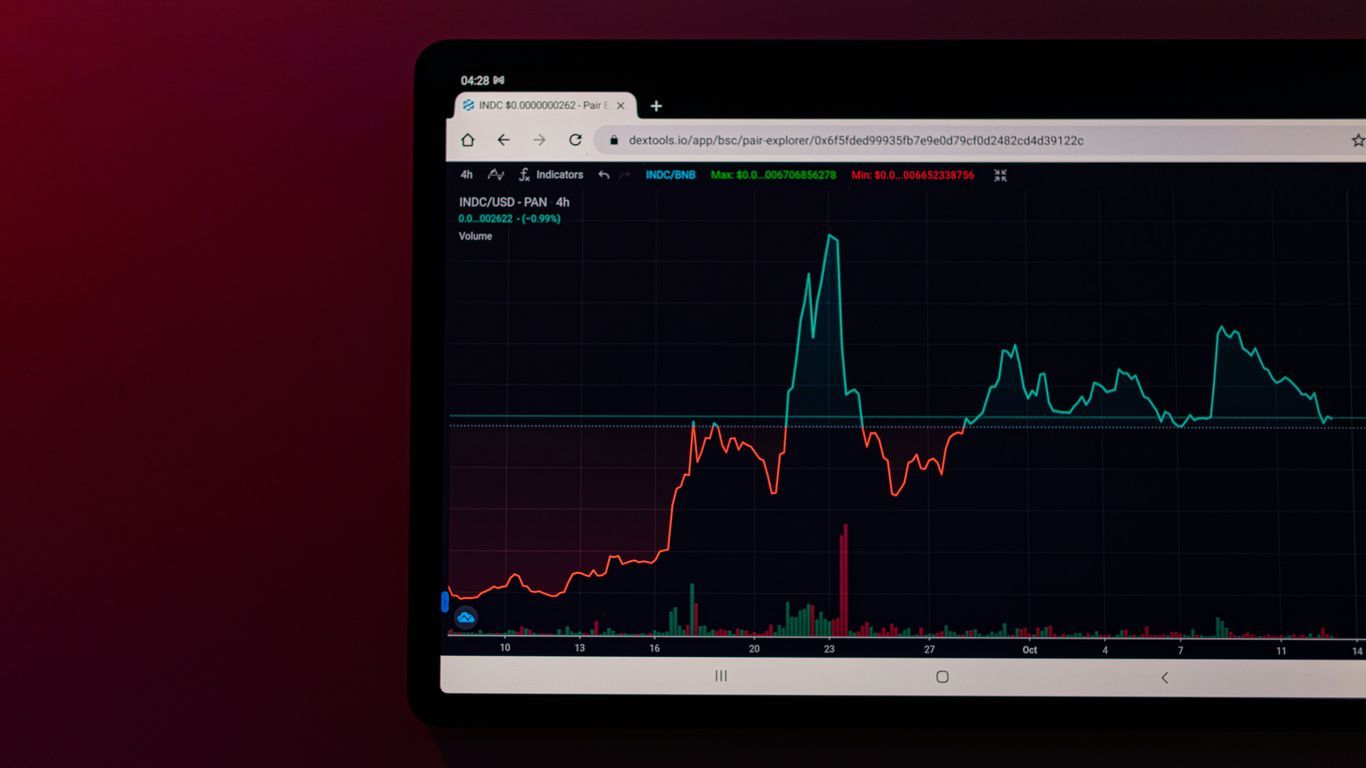
Structured learning in the cryptocurrency space does more than just impart theoretical knowledge; it equips you with practical, real-world skills. A primary skill you'll develop is the ability to interpret market charts. This involves recognizing various patterns and using analytical tools to forecast potential price movements—it's essentially learning the language of the financial markets. These courses also place a strong emphasis on creating personalized trading plans. What does that mean for you? It’s all about defining your own rules for entering and exiting trades and deciding how much capital to risk, which moves you from speculative guesswork to a disciplined, strategic approach. You'll also gain a firm grasp on managing your trading capital, an absolutely critical skill given the notorious unpredictability of the crypto market.
Market Analysis and Chart Interpretation
You'll learn to effectively decipher charts and interpret trading indicators. This includes understanding tools like the MACD, RSI, and Bollinger Bands, as well as recognizing common chart patterns that can signal future price direction. Identifying crucial support and resistance levels is also a core component. This analytical capability is key to spotting potential trading opportunities.
Strategy Development and Personal Trading Plans
This is all about crafting a trading plan that's tailored specifically to your individual goals and risk tolerance. It means determining your optimal entry and exit points and allocating capital for each trade, steering you away from impulsive decisions and toward a methodical approach. A well-defined strategy dictates when to buy, when to sell, and how much to invest. It’s about establishing a set of rules to guide your actions—not trading on a whim. This disciplined approach not only improves your capital management but also significantly reduces the likelihood of making costly emotional mistakes. A solid trading plan is always built on a clear understanding of the market and your own financial goals.
Risk Management and Capital Protection
This skill is all about safeguarding your investments by setting appropriate position sizes and using stop-loss orders. Given the inherent volatility of the crypto market, protecting your capital isn't just important—it's paramount. Learning to code a blockchain, while it might seem complex, is quite achievable by grasping fundamental concepts and practicing them until you're comfortable [23ca].
Implementing strict risk management rules is essential for protecting capital from significant losses. Regularly reviewing trades, guided by learned principles, leads to continuous improvement over time.
Transforming Trading Careers With Structured Learning
Structured learning can genuinely revolutionize how a person approaches cryptocurrency trading. The market is notoriously fast-paced, and it's a real challenge for traders to keep up on their own. But with quality courses and focused knowledge, both skills and confidence can flourish. Here are three primary ways structured learning can redefine your crypto trading journey.
Equipping Traders With Knowledge And Tools
When you enroll in an organized learning program, you gain both a solid understanding of trading concepts and the practical tools to apply them. These programs often blend clear theoretical explanations with hands-on exercises. Some even feature simulations that closely mimic real market conditions. For most participants, this translates to:
- Learning fundamental trading concepts from experienced professionals.
- Developing consistent habits through structured, repeated practice.
- Gaining access to valuable resources for continuous self-improvement.
Following a structured curriculum removes much of the guesswork. It helps new traders sidestep common pitfalls and allows experienced traders to hone their advanced strategies.
Enhancing Decision-Making For Improved Results
Making better decisions is the cornerstone of successful trading. Structured courses provide the foundational knowledge needed to analyze market situations calmly, evaluate risks properly, and act with a clear plan rather than on impulse. This enhancement in decision-making is fostered through:
- Straightforward, step-by-step lessons that demystify complex analysis methods.
- Practical exercises designed for creating and refining personal trading plans.
- Regular assessments to check your comprehension and track your progress.
Here’s how traders reported changes in their approach after completing a structured learning program:
| Area of Improvement | Before Program | After Program |
|---|---|---|
| Confidence in trades | Low | High |
| Consistency in results | Low | Moderate |
| Use of risk management | Rarely | Always |
These programs build the groundwork for this kind of progress by providing not just information, but also the critical thinking skills needed in today's dynamic markets.
Providing A Foundation For Sustained Growth
While quick wins are possible in crypto, long-term success demands something more sustainable. Structured learning builds a robust foundation that traders can rely on as the market evolves. These programs accomplish this by:
- Teaching durable skills that remain relevant even as tools and trends shift.
- Fostering a mindset of continuous learning and personal development.
- Connecting traders with a network of peers that can open doors to new opportunities.
Taking a structured path might feel slower initially, but it positions a trading career for long-term growth—not just for chasing the latest fad. Over time, those who invest in their education often discover steadier progress, greater professional satisfaction, and deeper confidence when trading, even as the crypto world continues its rapid transformation.
Cultivating Confidence Through Competence
Trading cryptocurrencies can often feel like a chaotic ride, making it easy to get lost in the noise. Many people enter this arena without a coherent strategy, hoping for a lucky break. However, genuine confidence in managing your own portfolio comes from competence—from truly understanding what you're doing. It’s all about making the shift from guesswork to informed, strategic decision-making.
Transitioning To Informed Decision-Making
Structured learning programs offer a clear, step-by-step path to building your skills. Instead of trying to piece together random tips from the internet, you follow a cohesive curriculum. These courses typically cover the fundamentals of how markets operate, how to read price charts, and the art and science of planning your trades. Think of it like learning to cook: you start with simple recipes before moving on to more complex culinary challenges. This methodical approach helps you build a strong understanding without feeling overwhelmed.
- Learning to read price charts: This involves understanding the patterns and trends that can offer clues about future price movements.
- Developing a trading plan: This is about creating a personalized strategy that aligns with your financial goals and your personal risk tolerance.
- Practicing with simulated trades: This allows you to test your strategies in a risk-free environment before putting real money on the line.
Ultimately, confidence in trading is a direct byproduct of competence. Once you have learned the necessary skills, understood the market dynamics, and practiced your strategies, you are far better equipped to make sound decisions. This means knowing when to enter a trade, when to take profits, and how much risk is appropriate for your portfolio. It’s a transformative process that turns market uncertainty into calculated, deliberate action. The goal is to feel prepared and in control—not just hopeful—when managing your investments.
Building Confidence With Practical Application
Structured learning effectively bridges the gap between theoretical knowledge and practical application. By providing solid frameworks and methodologies, it encourages consistent, rational decision-making, helping traders move away from emotional reactions to market movements. This practical application is where many aspiring traders get stuck, but structured learning offers a clear path forward.
The transition from theoretical knowledge to practical application is where many aspiring traders stumble. Structured learning effectively bridges this gap by providing frameworks and methodologies that encourage consistent, rational decision-making, helping traders move away from emotional reactions to market movements.
Developing A Disciplined Trading Mindset
Beyond the raw data and charts, structured learning is instrumental in building better trading habits. Traders often report adopting a more disciplined approach after completing educational courses. This newfound discipline includes sticking to a trading plan, managing risk effectively, and avoiding impulsive, emotion-driven decisions. For instance, a solid education in risk management principles can help traders limit potential losses—a vital skill during volatile market periods. This disciplined mindset is frequently a direct outcome of the practical exercises and simulations embedded in well-designed courses.
Here’s how traders rated the changes in their approach after completing a structured learning program:
| Area of Improvement |
|---|
| Confidence in trades |
| Consistency in results |
| Use of risk management |
| Before Program |
|---|
| Low |
| Low |
| Rarely |
| After Program |
|---|
| High |
| Moderate |
| Always |
This disciplined mindset is frequently a direct outcome of the practical exercises and simulations embedded in well-designed courses.
Choosing The Right Structured Learning Opportunity
The world of cryptocurrency trading can be quite complex, and finding the right educational path is crucial for developing your skills. It’s not just about picking any course; it’s about finding one that genuinely fits your learning style and long-term goals. Think of it like choosing a tool—you need the right one for the job at hand.
Evaluating Curriculum Content and Depth
When you're looking at a structured learning program, the first thing to check is what it actually covers. Does it start with the basics of how cryptocurrencies work, or does it dive straight into advanced trading strategies? A good curriculum will likely begin with the fundamentals, like understanding blockchain technology and the different types of digital assets. From there, it should progress to practical skills like reading charts, identifying market trends, and interpreting market sentiment. The depth of the material is just as important. Are topics explained thoroughly, or are they just glossed over? Look for programs that provide detailed explanations and real-world examples.
Here’s a breakdown of what a solid curriculum might include:
- Market Fundamentals: Understanding blockchain, different cryptocurrencies, and how exchanges work.
- Technical Analysis: Chart patterns, indicators, and reading price action.
- Fundamental Analysis: Evaluating projects, news, and market sentiment.
- Trading Psychology: Managing emotions and developing discipline.
- Risk Management: Setting stop-losses, position sizing, and capital protection.
Considering Instructor Expertise and Experience
Who is teaching you is just as critical as what they are teaching. An instructor with real-world trading experience, especially in the volatile crypto market, can offer insights that you simply can't find in a textbook. They can share personal stories, explain how they navigate different market conditions, and give practical advice based on both their successes and their failures. It’s always a good idea to look for instructors who have a proven track record, not just in trading but also in teaching. Some programs even feature multiple instructors, each specializing in a different area, which can provide a wonderfully well-rounded education.
Assessing Course Format and Support Systems
How you learn best is a very personal matter. Some people thrive in live, interactive sessions where they can ask questions in real-time, while others prefer the flexibility of learning at their own pace with pre-recorded videos. Structured learning opportunities come in many forms:
- Online Courses: Often self-paced with video lectures, readings, and quizzes.
- Live Webinars/Workshops: Interactive sessions with real-time Q&A.
- Mentorship Programs: One-on-one guidance from an experienced trader.
- Community Forums: Access to a network of fellow learners and instructors.
Beyond the format, think about the support that's available. Is there a community forum where you can ask questions? Do instructors provide feedback on your progress? Having a robust support system can make a huge difference, particularly when you encounter challenges. It’s reassuring to know you're not navigating your learning journey alone.
Choosing the right structured learning opportunity is an investment in your trading future. It requires careful consideration of the curriculum, the instructors, and the learning environment. A well-chosen program can provide the knowledge and confidence needed to navigate the crypto markets more effectively.
Evidence Of Improved Trading Outcomes
Structured learning offers a clear path toward better trading results. It's not merely about absorbing information; it’s about observing how that knowledge genuinely impacts your trading performance. Many traders discover that after completing a focused educational program, they begin to see a tangible, measurable improvement in their trading activities.
Gauging Comprehension And Tracking Progress
Objective data is vital for determining if a learning approach is truly effective. Methods like backtesting and forward testing are standard practices for verifying the soundness of trading strategies. For instance, models trained with structured data have shown varied, but often superior, performance metrics. Some research highlights specific algorithms that have performed well, demonstrating positive Profit and Loss (PNL) and strong Sharpe Ratios—a key measure of risk-adjusted returns. The SGDRegressor model, for example, was noted for its effective risk management and profitability in backtests and managed to sustain this strength in forward testing, suggesting its underlying strategies can be resilient in live market conditions.
Here’s a look at how different models have performed:
| Model | Backtest PNL | Forward Test PNL | Backtest Sharpe Ratio | Forward Test Sharpe Ratio |
|---|---|---|---|---|
| SGDRegressor | High | High | High | High |
| GradientBoosting | High | Moderate | Moderate | Moderate |
| Lars | Moderate | High | Moderate | High |
| RadiusNeighbors | Low | Low | Moderate | Moderate |
It's important to keep in mind that performance can fluctuate. Some models that excel in backtests may not perform as well in forward tests. This can happen if a model is "overfitted" to historical data and struggles to adapt to new market dynamics. This is precisely why ongoing evaluation and strategic adjustments are so crucial.
Measuring Confidence And Consistency
Beyond just the numbers, structured learning helps cultivate better trading habits. Traders often report adopting a more disciplined approach after finishing educational courses. This newfound discipline includes sticking to a trading plan, managing risk effectively, and steering clear of impulsive, emotion-driven decisions. For instance, a solid education in risk management principles can help traders limit potential losses—a vital skill during volatile market periods. This disciplined mindset is frequently a direct result of the practical exercises and simulations embedded in well-designed courses.
Traders often rate their approach changes after a structured learning program like this:
| Area of Improvement | Before Program | After Program |
|---|---|---|
| Confidence in trades | Low | High |
| Consistency in results | Low | Moderate |
| Use of risk management | Rarely | Always |
Quantifying Risk Management Adherence
Structured learning programs often feature clear, step-by-step modules that explain complex analysis techniques. They also provide practical exercises for creating and refining personal trading plans. Regular assessments are typically used to check for understanding and to track progress. This structured approach helps traders transition from making decisions based on gut feelings to making informed choices backed by data and strategy.
The transition from theoretical knowledge to practical application is where many aspiring traders stumble. Structured learning effectively bridges this gap by providing frameworks and methodologies that encourage consistent, rational decision-making, helping traders move away from emotional reactions to market movements.
Structured learning builds a solid foundation that traders can depend on as the market shifts. These programs achieve this by teaching adaptable skills that remain useful even as tools and trends evolve, fostering a mindset of continuous learning, and connecting traders to networks that can unlock new opportunities. While following a structured path might seem slower at first, it sets up a career for long-term development rather than just chasing the latest trend. Over time, those who invest in a solid education often find steadier progress, greater satisfaction, and more confidence when trading—even as the crypto world continues to change at a rapid pace.
Final Thoughts
Entering the world of crypto trading can feel like a whirlwind, with its constant price fluctuations and a continuous stream of new developments. Trying to navigate it all on your own can be a daunting task. That’s precisely where structured learning, like a quality course, makes a real difference. It provides you with a solid foundation, so you're not just making shots in the dark. Think of it as getting a map before heading into new territory. These programs help you learn the market, understand trends, and—most importantly—manage your risks. By investing time in your education, you can approach crypto trading with greater confidence and a clearer plan, shifting from simply hoping for the best to making smarter, more deliberate moves. It’s all about empowering yourself with the knowledge needed to thrive in this fast-paced world.
Frequently Asked Questions
What is structured learning for crypto trading?
Structured learning refers to organized courses or programs focused on trading cryptocurrencies. Instead of gathering random information online, these programs offer a clear, step-by-step curriculum. They're designed to teach you how to analyze the market, make informed decisions, and manage your capital effectively.
How can a crypto trading course help me become a better trader?
A good trading course can significantly enhance your skills. You'll learn how to interpret market charts to anticipate price movements, develop a trading plan tailored to your goals and risk tolerance, and, crucially, how to manage your funds to minimize potential losses. This knowledge naturally builds the confidence you need to trade effectively.
What are the main things taught in a crypto trading course?
Most quality courses cover a few core pillars. You'll learn about market analysis to predict price trends, risk management techniques to protect your capital, and different trading strategies, whether you're interested in frequent day trading or longer-term investing.
Can I practice trading while I am taking a course?
Absolutely—practice is a vital part of the learning process! Many courses offer access to a simulated trading account that uses "paper" or fake money. This is an excellent, risk-free way to apply what you've learned and make mistakes without any real financial consequences before you begin trading with your own funds.
Why is learning about market analysis and risk management so important?
Market analysis helps you read charts and data to make educated guesses about where the market is headed. Risk management, on the other hand, is all about protecting your money. It involves setting rules, like stop-loss orders, to define the maximum amount you're willing to lose on a single trade. This is incredibly important because cryptocurrency prices can be extremely volatile.
How do I know if a structured learning program is good for me?
To choose the right program, start by reviewing the curriculum to ensure it covers the topics you want to learn. Look into the instructors' backgrounds—do they have real-world trading experience? Also, consider your preferred learning style. Do you do better with live, interactive classes or with self-paced video lessons? Finally, make sure the course provides a support system in case you have questions or get stuck.
Share

Peyman Khosravani
Industry Expert & Contributor
Peyman Khosravani is a global blockchain and digital transformation expert with a passion for marketing, futuristic ideas, analytics insights, startup businesses, and effective communications. He has extensive experience in blockchain and DeFi projects and is committed to using technology to bring justice and fairness to society and promote freedom. Peyman has worked with international organisations to improve digital transformation strategies and data-gathering strategies that help identify customer touchpoints and sources of data that tell the story of what is happening. With his expertise in blockchain, digital transformation, marketing, analytics insights, startup businesses, and effective communications, Peyman is dedicated to helping businesses succeed in the digital age. He believes that technology can be used as a tool for positive change in the world.


