
business resources
How Can You Effectively Optimize Supply Chain Management?
11 Jul 2026

Key Takeaways
Fine-tuning your internal processes isn't just a good idea—it's essential for long-term growth and stability in today's global markets. This guide breaks down the fundamental approaches to modernizing your operations.
- Run regular, data-driven audits to pinpoint inefficiencies.
- Bring in advanced software to cut down on manual effort.
- Cultivate stronger partnerships with reliable, vetted suppliers.
- Zero in on lean inventory management and smarter logistics.
- Foster a culture that prioritizes a rapid, agile response.
Strategic assessment of current operations
So, where do things often go wrong? Many businesses stumble when they don't evaluate their internal health with enough rigor and regularity. A methodical review helps leaders align their big-picture goals with everyday realities, making sure resources are distributed effectively across the network. By treating the operation as one cohesive system rather than a series of disconnected silos, teams can kick off supply chain optimization efforts that truly move the needle.
Identifying bottlenecks through data analysis
Digging into historical data allows managers to uncover those hidden friction points in their daily workflows. When you look at patterns of delays and inventory pile-ups, you gain the clarity needed to fix chronic issues—rather than just treating the symptoms. This empirical approach is a prerequisite for achieving meaningful operational improvement across the entire enterprise.
Mapping end-to-end supply chain visibility
You can't manage what you can't see. Effective oversight demands a crystal-clear view of every stage, from raw material procurement all the way to final delivery. Without this oversight, stakeholders are stuck with data gaps that hinder decision-making and slow down reactions to shifting market conditions. The organizations that successfully achieve this visibility see dramatically improved coordination between the various nodes of their distribution cycle.
Establishing performance benchmarks and KPIs
Setting clear metrics is really the final piece of the assessment puzzle. You identify what success actually looks like by tracking delivery times, turnover rates, and cost-per-shipment accurately over time. These figures provide a solid baseline for comparing performance and seeing where your strategic investments are having the most significant impact.
Leveraging advanced technology and automation
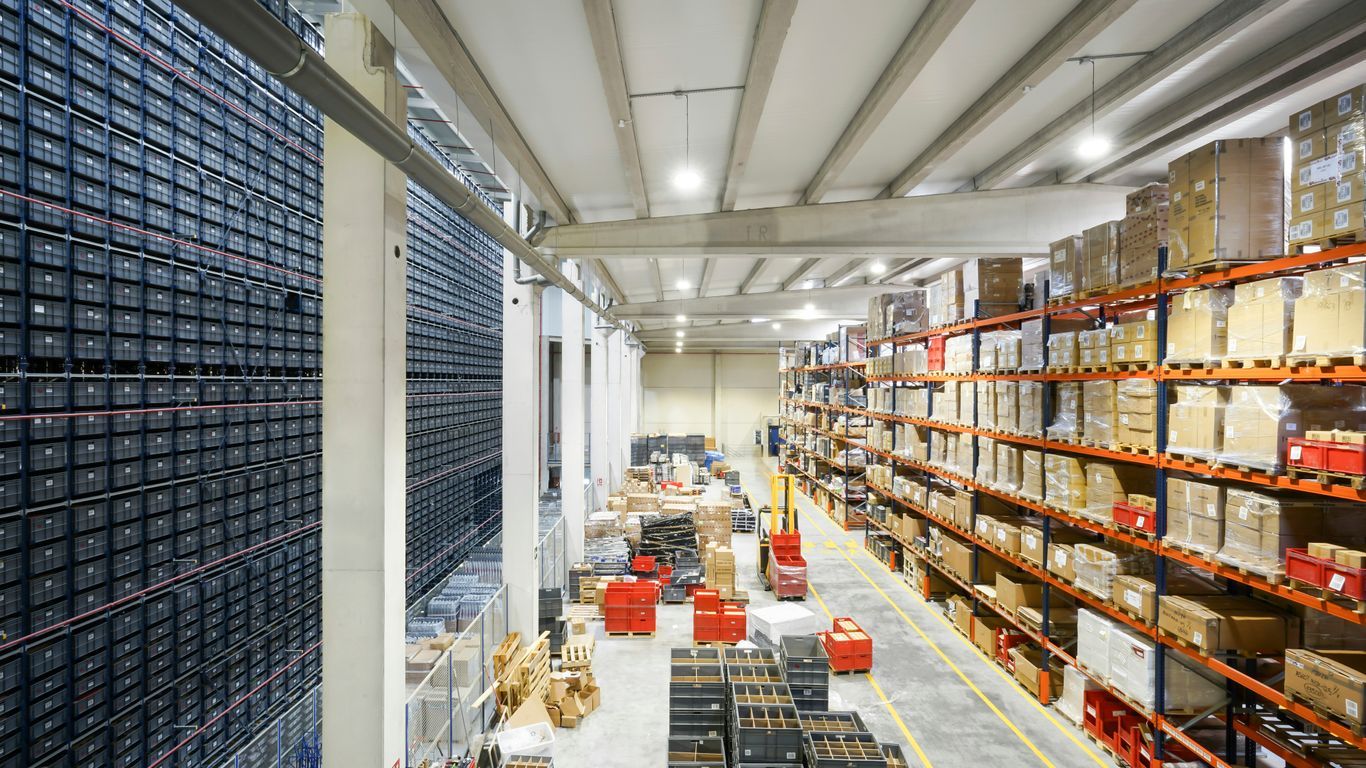
Integrating digital tools has moved from a 'nice-to-have' to a standard requirement for staying relevant in the market. When companies modernize their digital architecture, they create the necessary infrastructure to scale up while minimizing human error. Leveraging supply chain network optimization tools gives leaders greater control and responsiveness in these unpredictable times.
Implementing AI-driven demand forecasting
Advanced forecasting tools can pull from multiple data streams to predict inventory needs with much higher precision than traditional methods ever could. By anticipating shifts in customer demand well ahead of time, planners can adjust procurement before a shortage even occurs. This simple shift moves the focus from reactive damage control to proactive inventory positioning.
Integrating blockchain for transparent logistics
What about blockchain? This technology provides an unalterable record of transactions—a feature that's invaluable for ensuring the movement of goods is documented with pinpoint accuracy. Using this, partners can instantly verify provenance and shipping status without wading through redundant paperwork. This transparency cuts through ambiguity and naturally fosters trust between different entities in the logistics chain.
Utilizing warehouse management systems
Modern solutions help streamline the flow of items through your facility by tracking every single movement in real-time. This increases accuracy when picking, packing, and shipping items, reducing the instances of mis-shipments that can frustrate modern buyers (and rightly so). By centralizing management, you ensure that employees are always working from a single, reliable source of truth.
Automating routine administrative procurement tasks
By letting automation software handle repetitive office tasks, teams get back valuable time to focus on higher-level strategy. This is where a platform like Order.co provides significant value, streamlining how purchasing teams interact with vendors and manage overall spend. Simply moving away from manual entry prevents costly mistakes and speeds up procurement cycles in a big way.
Strengthening supplier relationships
Your long-term reliability truly hinges on the depth and quality of your vendor partnerships. Instead of just squeezing suppliers for the lowest possible price at the expense of quality, forward-thinking companies see these entities as extensions of their own business. Working together ensures that when market instability hits, your partners are far more likely to protect your interests.
Building collaborative communication channels
Let's be honest, open dialogue is the foundation of any healthy partnership. When team members can discuss challenges and milestones freely, they build the rapport needed to troubleshoot complex issues before they escalate into service outages. Consistent contact helps both sides align on their long-term growth trajectories.
Establishing clear quality control standards
Well-defined expectations create the bedrock for consistent product quality. When suppliers know exactly what you need, they can refine their own internal processes to meet those requirements, reducing the volume of rejected items you receive. This keeps the supply chain running smoothly and saves a ton of time spent on returns and logistics re-work.
Creating risk management protocols for diverse supplier bases
Putting all your eggs in one basket by relying on a single supplier can be a dangerous gamble when disruptions hit. Diversification ensures that even if one region or vendor faces a closure, others can bridge the gap and keep operations humming. Creating these protocols today safeguards your business against the unpredictable nature of global events.
Enhancing warehouse and inventory management
Having the right amount of stock at precisely the right time is the classic challenge of modern supply chain management. When you implement supply chain optimization techniques effectively, you get rid of the bloat that ties up cash flow while making sure you never run out of critical items. The table below outlines some common inventory headaches and the corresponding strategies to fix them.
| Common Issue | Effective Strategy | Business Impact |
|---|---|---|
| Too much stock on hand | Demand-driven replenishment | Improves cash flow |
| Slow order picking | Vertical storage optimization | Increases fulfillment speed |
| Inaccurate inventory counts | Real-time cycle counting | Reduces discrepancies |
Adopting Just-in-Time inventory techniques
What's the goal here? This method keeps your warehouse lean by receiving goods only as they're needed for production or sales. While it can be challenging to manage, it dramatically lowers storage costs and reduces the risk of holding obsolete goods that may never sell. Mastering this requires tight synchronization between your team and your suppliers.
Optimizing storage space for better accessibility
It might sound simple, but the layout of your warehouse plays a massive role in how quickly your team can move products. By placing high-velocity items near loading zones and using vertical space more effectively, you slash the time employees spend just wandering through aisles. An improved layout is one of the quickest ways to see tangible gains in both productivity and employee morale.
Implementing demand-driven replenishment models
Replenishment shouldn't be based on a static schedule; it should be an automated reaction to what customers are actually buying. When you tie your ordering cycles directly to point-of-sale data, you keep your shelves stocked according to real-world purchasing behavior. This dynamic model minimizes the risk of over-ordering while ensuring customer needs are met around the clock.
Improving logistics and transportation efficiency
Moving your products from point A to point B involves a ton of variables that can change daily. Using supply chain optimization as a guiding philosophy forces you to evaluate every leg of the journey against time and cost. The following steps highlight some key tactics for improving your transport effectiveness.
- Use predictive analytics to map out the most fuel-efficient routes.
- Consolidate smaller orders into full truckloads to maximize every square foot of space.
- Audit your carriers regularly to ensure they're meeting your performance standards.
- Leverage regional distribution centers to shrink that final, often-costly "last mile" travel distance.
Optimizing route planning with predictive analytics
Modern software models can help you pinpoint paths that cleverly avoid traffic, construction, and weather delays. By shaving off just a few minutes and miles from every individual route, you compound those savings into massive gains over months of logistics operations. This analytical rigor transforms transport from a guessing game into a predictable science.
Consolidating shipments to reduce freight costs
Let's face it—shipping empty or half-full trucks is just a waste of capital. By grouping your orders effectively, you ensure that you're paying for capacity you actually use. This practice certainly requires coordination between sales and logistics teams, but the resulting reduction in freight expenses is well worth the effort.
Selecting the right logistics service providers
The providers you choose essentially act as the face of your company to the end customer. It's smart to choose partners based on their track record of reliability and their willingness to integrate with your current systems. A good carrier is defined by their ability to provide visibility and handle exceptions—without constant supervision from your team.
Cultivating a resilient supply chain culture
At the end of the day, even the best tools and processes will fail if the people behind them don't buy into a shared vision of efficiency. A resilient corporate culture encourages every single worker to look for flaws in the system and propose solutions, rather than simply going through the motions. This human element is what separates successful brands from those that constantly break under pressure.
Investing in continuous employee training
Regular training ensures your team stays conversant with the latest industry tools and methodologies. When employees feel capable and supported, they're naturally more engaged and proactive in their daily work. This investment pays for itself through fewer errors, better morale, and a pipeline of talent that can step up when you need to grow.
Aligning cross-departmental supply chain objectives
Silos inevitably form when sales, procurement, and warehouse teams are all working toward different, sometimes conflicting, goals. When everyone is measured against a unified set of company-wide objectives, however, they naturally resolve friction points before they can impact the bottom line. True alignment removes the finger-pointing and replaces it with collaborative problem-solving.
Fostering organizational agility in incident response
Look, disruptions are going to happen. The ability to recover quickly isn't just a skill; it's a powerful competitive advantage. Practicing response scenarios helps your team act decisively during a crisis rather than panicking or waiting for instructions. An agile organization treats every challenge as a simulation and continuously improves its plan for the next event.
Conclusion
Optimizing your supply chain is an ongoing journey that demands constant attention, a smart investment in the right technology, and a dedicated, well-trained team. By shifting from reactive problem-solving to proactive strategic planning, your business can navigate the complexities of global trade while keeping customers happy. If you remain consistent in evaluating and tweaking your processes, you will inevitably build a stronger, more flexible foundation for long-term competitiveness.
Frequently Asked Questions
What are the biggest benefits of optimizing our supply chain management?
Generally, you'll see reduced operational costs, less inventory waste, and faster fulfillment speeds. All of these contribute to stronger profits and better customer trust in your brand.
How does automation actually help in a typical supply chain?
Automation takes over repetitive, manual tasks like record-keeping and placing procurement orders. This helps reduce human error, saves a ton of time, and frees up your staff to focus on more strategic improvements.
Does supply chain optimization mean we have to change our entire system at once?
Not at all. In fact, it's often better to take an incremental approach. You can target the most inefficient areas first before rolling out changes to the rest of the business, which helps ensure you don't overextend your resources.
Should I prioritize strong supplier relationships over simple cost reductions?
It's a great question. A healthy relationship with suppliers often leads to better service, improved quality, and more priority during disruptions. Arguably, this saves more money in the long run than a purely price-focused procurement strategy.
How can data analysis really help us find hidden bottlenecks?
By examining historical performance trends and tracking how long items spend at each stage, you can pinpoint the specific moments where work usually slows down. This allows you to reallocate resources or adjust processes with confidence.
Is supply chain visibility that important for smaller businesses?
Absolutely. Visibility is crucial regardless of your company's size. Knowing exactly where your products are and what your inventory levels look like helps prevent the lost sales and overstocking issues that tend to hit smaller businesses even harder.
In the face of global instability, what makes a supply chain truly resilient?
True resilience comes from a combination of diversity in your supply base and a team that's trained in rapid incident response. This blend ensures your operation can shift strategies quickly without depending on a single, vulnerable point in your distribution network.


