
business resources
How Can You Up Your Style Game Effectively?
08 Feb 2026

Plenty of people want to elevate their style, but they often feel stuck on where to begin. Here's the good news: improving your personal style doesn't demand a total wardrobe overhaul or a massive budget. It's really about making smarter choices and building habits that cultivate a more polished look. This guide is designed to help you move past fleeting fads and develop a style that feels genuinely you, turning the act of dressing well into a skill you can truly master.
Key Takeaways
- Lean into classic pieces that have stood the test of time instead of just chasing temporary trends. This ensures your wardrobe stays relevant and stylish for years to come.
- Treat your personal style like any other skill—it gets better with practice. Pay close attention to the styles you admire and slowly begin to weave those elements into your own outfits.
- Learn to coordinate your outfits like a pro by sticking to a consistent color palette and choosing one standout piece to be the focal point of each look.
- Introduce new or bolder items into your rotation gradually. Maybe start with a new accessory or a pop of color. This method helps build confidence without making you feel overwhelmed.
- Always prioritize well-fitting clothes. Build a solid foundation of versatile, neutral-colored essentials before you start experimenting with more adventurous pieces.
Embrace Timeless Style Over Fleeting Trends
Understand The Enduring Appeal Of Classic Pieces
It's easy to feel pressured to keep up with every new style, but that often leads to a closet filled with clothes that quickly feel dated. A better approach? Consider the lasting power of classic pieces. Think about items like a well-fitted leather jacket, dark-wash denim, or a crisp white button-down shirt. These are the kinds of garments that have looked great for decades and will continue to do so. They form a rock-solid foundation for any wardrobe because their appeal simply doesn't fade with the seasons. Focusing on these enduring styles means you invest in clothing that will serve you well for years—not just for a few months.
Shift Your Shopping Habits Towards Enduring Styles
Next time you're shopping, challenge yourself to look beyond the immediate thrill of a trend. Ask yourself, does this piece have a timeless quality? Will it still look good next year, or even five years from now? This simple shift in mindset can help you avoid 'panic mode shopping,' where you impulsively buy items just because they're new, only to find they don't mesh with anything you own or go out of style in a flash. Instead, your goal should be to build a wardrobe where the majority of items are classic. This doesn't mean your style will be boring; it just means you'll have a reliable base that you can easily accent with a few current pieces if you choose.
Recognize The Difference Between Classic And Trendy
Knowing the difference between classic and trendy items is crucial. Classic pieces are those that have proven their staying power, like a trench coat or a simple black dress. They typically feature clean lines, quality construction, and aren't overly embellished. Trendy items, on the other hand, are what’s hot right now. They might feature bold colors, unusual cuts, or specific patterns that are only in vogue for a season or two. While trends can certainly be fun, they are—by their very nature—short-lived. Building your wardrobe around classic staples gives you a stable, stylish foundation, while sprinkling in a few trendy items can keep your look fresh without taking over your closet.
Think about it this way: building a great wardrobe is a lot like learning to cook. Chefs don't start by inventing entirely new dishes. They first master the classic recipes and techniques. Only then do they start adding their own personal flair. You can apply this exact same logic to your style—master the classics, then make them your own.
Cultivate Your Personal Style Through Practice
View Dressing Well As A Learnable Skill
It's a common myth that some people are just born with a knack for style while others aren't. That perspective, however, completely misses the point. The reality is that dressing well is a skill—one that can be learned and refined through deliberate practice. Just like learning an instrument or a new sport, developing your sense of style takes consistent effort and a genuine willingness to learn. Embracing this mindset shifts the focus from some imaginary innate talent to something you can actually develop. Instead of feeling discouraged, you can see each day as a new opportunity to practice and improve. This approach is fundamental to making real, lasting improvements, allowing you to build both confidence and competence over time. For those interested in a more structured path, exploring resources that guide skill development, such as expert health mentorship, can be invaluable.
Develop Your Aesthetic By Identifying Admired Styles
So, how do you start honing your own aesthetic? A great first step is to simply observe and identify styles you genuinely like. This involves looking at people whose fashion choices you admire, whether they're public figures, movie characters, or even just people you see on the street. Pay attention to the specific elements that catch your eye. Is it the silhouette, the color palette, the way they layer pieces, or the overall mood? By cataloging these preferences, you're essentially creating a visual guide for your ideal look. This isn't about copying someone else, but rather about understanding the components of styles you find appealing and then figuring out how to adapt them for yourself.
Build Confidence Through Consistent Effort
Your journey to better style is also heavily shaped by the people and environment around you. When you surround yourself with individuals who appreciate and practice good style, it starts to feel normal and even aspirational. This can foster a supportive atmosphere that naturally encourages your own efforts. On top of that, consistently applying what you're learning—even in small ways each day—builds momentum and reinforces your growing confidence. Making a conscious choice about your outfit each morning and seeing the positive result will gradually solidify your sense of self and your ability to present yourself just the way you want to.
Master The Art Of Outfit Coordination
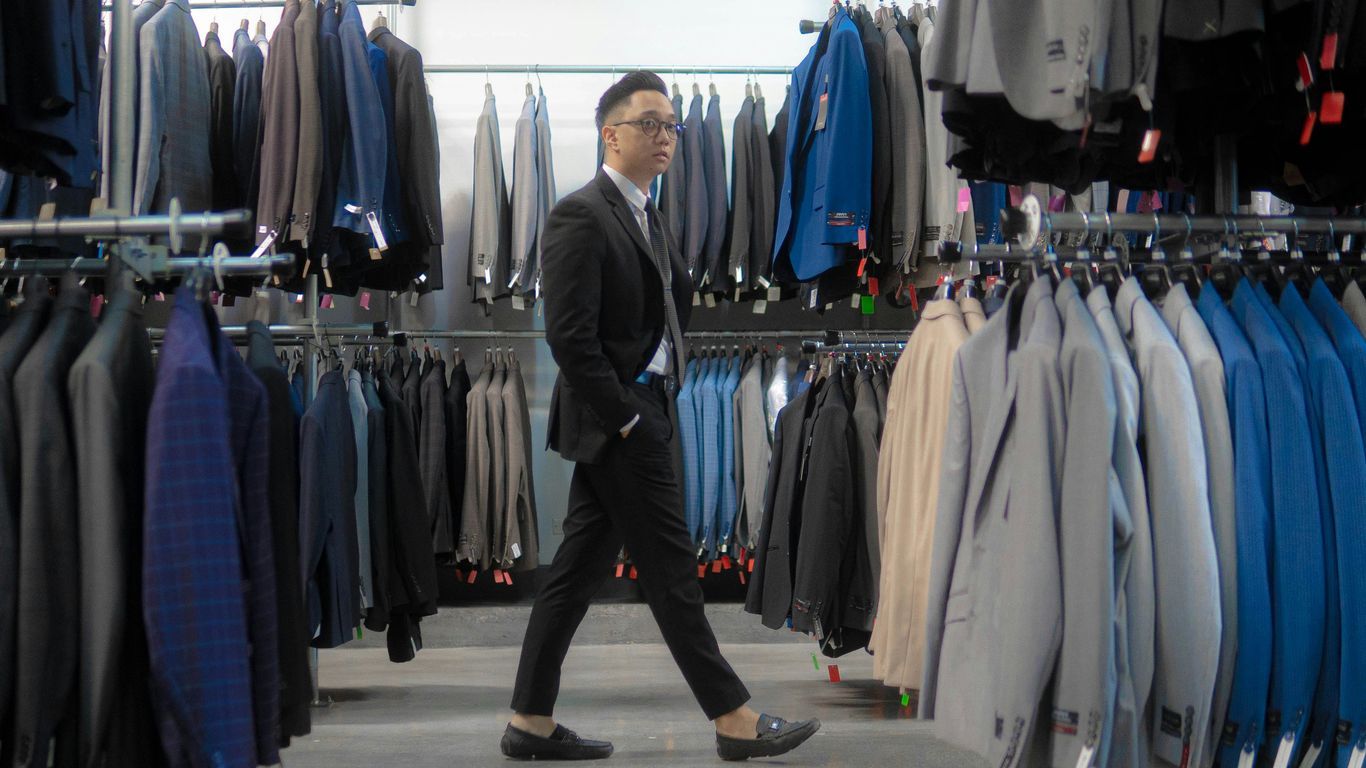
Getting your outfits coordinated is a game-changer. It transforms your wardrobe from a random collection of items into a streamlined system for looking sharp without the effort. It's all about making your clothes work together, so you can spend less time staring into your closet and more time feeling confident.
Adhere To A Cohesive Color Palette For Effortless Mixing
One of the smartest strategies you can adopt is building your wardrobe around a cohesive, complementary color palette. This simple step makes mixing and matching pieces incredibly easy, since most items will naturally work well together. What does that look like in practice? Start with a base of neutrals like black, white, gray, and navy, and then pick two or three accent colors you love that also flatter your complexion. This creates a foundation where almost any combination is a winner, drastically cutting down on morning decision fatigue.
Anchor Each Ensemble With A Single Statement Piece
A great outfit almost always has a focal point—a single piece that draws the eye. This could be anything from a brightly colored jacket to a top with a unique texture or trousers with a subtle pattern. By allowing one item to be the star of the show, you let the rest of your outfit play a supporting role. This creates visual interest without making your look feel too busy or overwhelming. It’s a simple principle that works just as well for casual looks as it does for formal ones.
Incorporate Accessories To Enhance And Adapt Your Look
Accessories are your secret weapon for true versatility. A simple dress can be made casual with sneakers and a denim jacket or elevated with heels and statement jewelry for a night out. Things like scarves, belts, and bags can completely transform the mood of an outfit, letting you adapt your core pieces for different seasons and occasions. You don't need a massive wardrobe when you know how to use accessories—they're the finishing touches that pull everything together.
Ultimately, the secret to great outfit coordination isn't about having more clothes; it's about being intentional. It’s about owning the right pieces that work together harmoniously. This thoughtful approach saves time, reduces stress, and helps you consistently project a polished image.
Integrate New Styles Gradually And Confidently
Utilize The 'Swap Trick' For Introducing Novelty
Trying something new with your style can feel a little intimidating, right? Think of it like trying a new type of food. You likely wouldn't jump from plain pasta to an incredibly spicy curry overnight. You'd probably start with something a bit milder and work your way up. The 'Swap Trick' for your wardrobe works the exact same way. Instead of a massive overhaul, you just swap out one familiar item at a time for something new. For instance, if you usually stick to neutral colors, try swapping your plain t-shirt for one with a subtle pattern. If you've bought a new style of shoe, wear them around the house first to get comfortable before you commit to a full day out.
Break In New Outfits Before Important Occasions
Here’s a pro tip: never wear a brand-new outfit for the first time to a really important event. The last thing you want is to be distracted by how a shirt feels or whether your shoes are comfortable during a big meeting or a first date. Give any new outfit a trial run during a day of normal activities first. This gives you a chance to get used to the fit, the fabric, and how it moves with you. You'll feel much more relaxed and confident knowing your outfit is already road-tested.
Start With One Outfit To Build Momentum
Remember, you don't have to overhaul your entire closet overnight. Just start small. Focus on creating one single new outfit that includes a style element you've been wanting to try. Once you've successfully put it together and worn it, you'll feel a nice sense of accomplishment. That small victory can provide the motivation you need to try another new piece or experiment with another outfit. It's all about building your confidence one step at a time—not attempting a massive transformation all at once.
Refine Your Wardrobe Essentials
Having a solid foundation of well-chosen basics makes all the difference when you're trying to improve your style. It’s not about having a closet that's overflowing with clothes; it's about having the right pieces that all work together. Think of it like building a house—you need a strong, reliable structure before you can even think about decorating.
Prioritize Clothing That Fits Impeccably
You've heard it before, but it bears repeating: fit is king. Even the most expensive designer piece will look off if it doesn't fit your body correctly. Clothes that are too tight can be restrictive and unflattering, while clothes that are too loose can make you look sloppy. It's well worth your time to get familiar with your measurements and understand which cuts work best for your body type. And don't forget the power of a good tailor; a few simple alterations can transform a garment from just 'okay' to 'perfect'.
Focus On Foundational Classic Styles
These classic pieces are truly the backbone of any versatile wardrobe. We're talking about items that have stood the test of time and aren't tied to any short-lived trends. Think high-quality t-shirts, a great pair of jeans, a crisp button-down shirt, a classic blazer, or a simple black dress. These are the items you can dress up or down, forming the base for countless different outfits. They provide reliability and longevity, which means you won't have to replace them every season.
Opt For Neutral Tones For Versatility
Neutral colors—think black, white, gray, navy, and beige—are your wardrobe’s most valuable players. Why? Because they're incredibly easy to mix and match with each other, and they also provide the perfect canvas for showcasing bolder colors or patterns. When a significant portion of your wardrobe is built around these versatile shades, you can create dozens of outfits without ever worrying about clashing. This approach simplifies getting dressed and really allows your accessories or a single statement piece to shine.
A curated wardrobe isn't a limited one; it's a smarter one, where every piece has a purpose and contributes to your overall look. This thoughtful selection process saves you time, reduces decision fatigue, and ultimately leads to a more confident personal style.
Surround Yourself With Style Inspiration
You’ve probably heard the saying that we become the average of the five people we spend the most time with. Well, this principle applies just as much to personal style. By actively immersing yourself in environments and following people that champion good style, you can profoundly shape your own aesthetic. This isn't about blind imitation, but rather about absorbing key principles and training your eye for what really works.
Follow Stylish Individuals For Daily Motivation
One of the easiest ways to sharpen your style sense is to simply curate your social media feeds with people who have great taste. Observing their choices, seeing how they combine different pieces, and noting their overall presentation provides a constant stream of fresh ideas. This daily exposure works as a subtle but powerful form of education, training your eye to recognize appealing silhouettes, color pairings, and outfit structures. Seek out accounts that align with the look you're trying to achieve, whether that's classic, minimalist, or something more creative. It's a fantastic way to start understanding the wider fashion industry.
Create an Environment Where Dressing Well Is Normalized
The environment you're in really does matter. If you're part of a social circle or work in a place where dressing well is the norm, it naturally becomes easier for you to adopt similar habits yourself. Think about the impact of your friends, your colleagues, and even the media you consume. When presenting yourself stylishly is just the standard, it removes a mental barrier to improvement and encourages you to put a little more thought into your own appearance.
Seek Out Resources That Align With Your Style Goals
And don't just stop with people—actively seek out resources that can guide you on this journey. This could mean reading books on classic menswear or womenswear, following style blogs that focus on timeless fashion, or even watching documentaries about fashion history. These resources provide structured knowledge and context, helping you understand the 'why' behind certain style rules. For example, learning about the evolution of a classic piece can give you a deeper appreciation for it and inform how you wear it.
Building a strong personal style isn't something you do in a vacuum. It thrives on external input and consistent reinforcement. By intentionally surrounding yourself with the visual cues and information that support your goals, you create the perfect conditions for growth and confident self-expression.
Putting It All Together
At the end of the day, improving your personal style isn't about chasing every trend or breaking the bank. It's a journey of learning and practice, just like any other skill. By focusing on well-fitting, classic pieces, understanding how colors work together, and slowly introducing new elements, you can build a wardrobe that is a true reflection of you. Remember to be patient with yourself, enjoy the process, and most importantly, have some fun with it. As you start putting these tips into practice, you'll find that dressing well becomes less of a chore and more of a natural way to express who you are, boosting your confidence every step of the way.
Frequently Asked Questions
What is the main difference between classic styles and trendy styles?
Think of classic styles as timeless movies that always hold up—like a great leather jacket or a simple pair of jeans. Trendy styles are more like summer blockbusters; they're exciting for a short time but then fade away. It's much smarter to build your wardrobe around classic styles because they'll always keep you looking sharp.
How can I learn to dress better if I don't think I'm stylish?
Dressing well is a skill, not a natural talent. You can learn it just like you'd learn to cook or play an instrument. It just takes practice! Every day is a chance to experiment with your outfits and figure out what makes you feel good. You don't need to be a fashion guru to start—just be willing to try.
How do I find my own personal style?
A great way to start is by paying attention to people whose style you admire, whether they're celebrities, athletes, or even characters from a show you like. Take note of what you like about their looks. The goal isn't to copy them, but to use their style as inspiration to help you discover what feels authentic to you.
What is the 'Swap Trick' for trying new styles?
The 'Swap Trick' is a low-pressure way to introduce new pieces into your wardrobe. The idea is simple: just swap out one of your usual items for something a little different or bolder. For example, trade your regular blue jeans for a pair in a different color. It’s an easy method for experimenting without feeling like you've gone too far out of your comfort zone.
Why is it important for clothes to fit well?
A perfect fit makes a world of difference. It's often said that getting the fit right solves about 90% of all style problems. Even a simple, classic outfit can look incredible when the clothes are tailored to your body, so it's one of the most important things to focus on.
How can the people around me affect my style choices?
The people you're around absolutely influence your confidence and choices. If you want to improve your style, being around others who also care about how they present themselves can be very helpful. Following stylish people online or hanging out with friends who have a good eye for fashion can make dressing well feel more natural and inspiring.


