


business resources
How Commercial Roofing Upgrades Protect Business Assets
29 May 2026

Protecting a business facility requires constant attention to physical boundaries. The overhead canopy represents the primary defense against severe weather patterns and structural degradation.
Upgrading this system minimizes unexpected operational interruptions and safeguards expensive internal machinery.
Property managers often overlook the financial benefits of timely replacements until major leaks occur. Investing in modern materials remains an excellent strategy for long-term capital protection.
Selecting The Right Regional Roofing Setup
Choosing appropriate protective layers depends heavily on local climate challenges. Heavy rain and coastal winds demand resilient options that handle moisture effectively. Business owners must evaluate local contractors to match structural demands with expert installation teams.
Facility location dictates the exact type of materials needed for maximum protection. Deciding whether you need commercial roofing systems in Newport News or somewhere else requires a clear assessment of local environmental strains. Working with regional specialists assists in selecting durable products that withstand high humidity and seasonal storms.
Structural configurations vary greatly between retail spaces and industrial warehouses. Heavy manufacturing plants might require specific weight tolerances a detail that experienced technicians analyze during the planning phase. Selecting appropriate designs early avoids costly adjustments later.
Evaluating Systems Through Detailed Investigations
Determining the current state of an old facility canopy helps prioritize future capital expenditures.
Minor surface blemishes frequently hide major structural faults beneath the top layers. Specialized inspections reveal these hidden vulnerabilities before they turn into expensive emergency repairs.
Professional evaluators utilize advanced diagnostic tools to trace water paths and structural shifting.
A publication by a national roofing inspection group explains that a forensic roof investigation provides a thorough examination of a structural canopy rather than a simple checklist item.
Uncovering underlying flaws protects the structural integrity of the entire building. Regular assessments protect your investments by providing accurate data regarding material degradation. Knowing the precise condition of your asset eliminates guesswork from annual budgeting cycles.
Balancing Ventilation Ratios For Long-Term Value
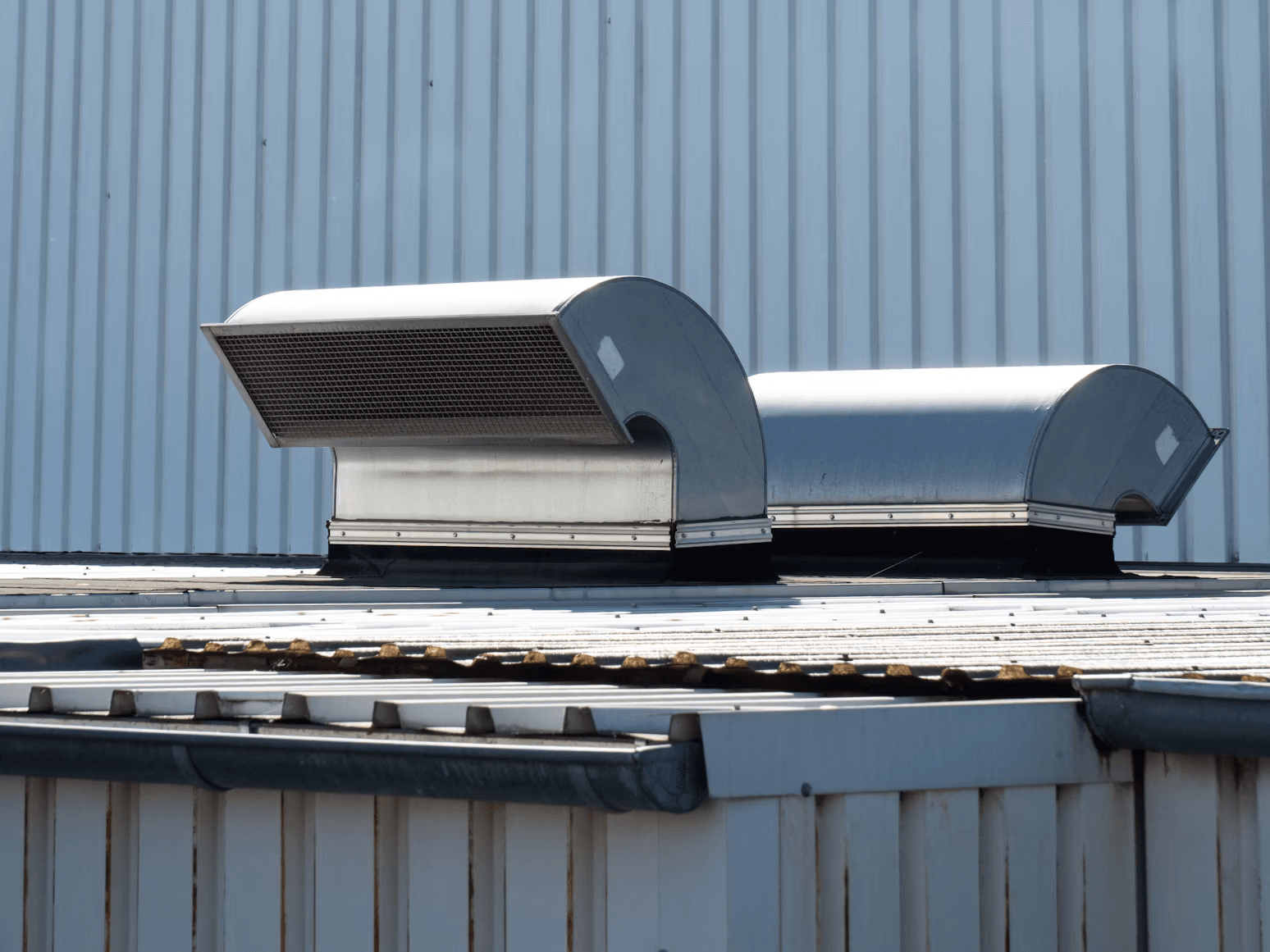
Proper airflow underneath the top barrier controls temperature balances throughout the year. Poor airflow patterns trap heat and water, which rot wood decks and warp support beams. Modern upgrades fix these hidden design issues by creating balanced entry and exit points for air circulation.
Sticking to strict structural ratios prevents moisture accumulation in enclosed attic zones. An educational update from a regional roofing association notes that the net free ventilating area must equal at least 1/150 of the total vented space. Meeting this precise requirement stops stagnant air from damaging internal insulation sheets.
Implementing correct airflow balances creates several distinct advantages for commercial property managers:
- Lower daily utility bills during hot summer seasons
- Less strain on heating and cooling machinery
- Reduced moisture build-up near structural supports
- Extended lifespan for top layer materials
Proper design choices protect the building from the inside out. Managing air current distribution lowers maintenance fees over 10 years.
Lowering Temperature Controls With Modern Technology
Reflective surfaces reduce the amount of heat absorbed by commercial structures. Traditional dark materials absorb solar radiation and transfer that thermal energy directly into the workspace below. Upgraded surfaces bounce solar rays back into the atmosphere, keeping interior spaces cooler.
Eco-friendly options provide excellent temperature control through alternative natural mechanisms.
A government energy resource report highlights that green roofs cool down mostly via water evaporation from living plant surfaces instead of direct solar reflection. Utilizing vegetation creates a natural thermal barrier that benefits urban environments significantly.
Lowering building temperatures decreases the workload on interior climate control units. This thermal management strategy reduces electricity consumption and protects sensitive inventory from heat damage. Businesses save over $5,000 on annual utility expenses by choosing specialized surface materials.
Guarding Capital Inventory From External Elements
Water intrusion destroys expensive warehouse merchandise and delicate office electronics within minutes. A single heavy storm can cause severe financial losses if the overhead barrier fails. Installing reinforced materials prevents water penetration and secures corporate assets.
Modern multi-ply configurations offer superior puncture resistance compared to outdated single-ply options. Facilities that store high-value goods need this extra security to maintain daily business continuity. Stronger materials resist damage from falling tree branches or severe hail impacts.
Insurance providers often offer lower premium rates for facilities with verified structural upgrades. Upgraded buildings present a lower risk profile to underwriting agencies during annual reviews.
Maximizing Structural Lifespans With Quality Materials
Commercial assets require durable foundations to maintain long-term market valuations. Inferior materials degrade rapidly under intense sun exposure and heavy rain patterns.
Investing in high-grade upgrades means fewer replacements over a 30-year operational timeframe. Your capital remains safe from unpredictable weather events.
Advanced synthetic formulations resist chemical exposure and environmental pollutants far better than old asphalt mixtures.
These modern options require minimal upkeep and handle extreme temperature fluctuations without cracking. Choosing quality components reduces the need for constant maintenance visits. Repair bills drop significantly over time.
Reliable structural setups give business operations a solid foundation for growth. Property owners focus on expanding sales instead of worrying about structural failures. Upgrading the facility canopy remains a smart fiscal decision for any growing enterprise.
Upgrading commercial overhead systems protects structural assets and keeps daily workflows moving forward. Investing in superior materials reduces utility bills and prevents catastrophic water damage to valuable inventory.
Working with skilled regional professionals yields the best results for long-term protection. Making these improvements timely secures the physical foundation of your business enterprise for many years to come.


