
business resources
How Do High-Precision Bearings for Aviation Drive Reliability?
14 Nov 2025

When you picture what keeps an aircraft flying safely, it’s natural to think of the big things—the engines, the wings. But the truth is, a huge part of modern flight's success comes down to smaller, less obvious components. High-precision bearings for aviation are a prime example. These aren't your run-of-the-mill parts; they’re engineered to incredibly precise standards and are absolutely vital for a whole range of systems on an aircraft. Without them, things simply wouldn't function correctly, especially under the demanding conditions planes endure.
Key Takeaways
- Aviation's high-precision bearings are custom-engineered components built to withstand the intense speeds, heavy loads, and dramatic temperature shifts inherent in flight.
- You'll find these bearings in a host of critical aircraft systems, from engines and landing gear to flight controls and delicate navigation instruments.
- The aerospace industry enforces incredibly strict regulations for the manufacturing and inspection of these bearings, demanding specialized materials and official certifications.
- Bearings deployed in aircraft must be remarkably durable and perform reliably in harsh environments—think extreme heat, high speeds, and immense pressures—without any chance of failure.
- Ongoing innovations in materials and manufacturing are paving the way for even more advanced bearings, which are essential for the next generation of aircraft, including electric and autonomous planes.
The Indispensable Role of High-Precision Bearings in Aviation
When we marvel at the miracle of flight, our minds naturally gravitate toward the big, impressive parts like the powerful engines or the sweeping wings. And yet, countless smaller, less visible components are just as critical—perhaps even more so—for keeping an aircraft safely aloft. Among these unsung heroes are high-precision bearings. These are a world away from your standard hardware-store variety; they're engineered to unbelievably exact standards and are fundamental to the seamless operation of innumerable aircraft systems.
Understanding Precision Bearings in Aerospace
So, what is it that makes them so special? Precision bearings are highly specialized components manufactured with incredibly tight tolerances. Unlike standard bearings meant for general use, aerospace bearings are designed to perform flawlessly under the most extreme conditions imaginable. This means they must handle immense speeds, punishing loads, and constant vibrations without so much as a hiccup. Think of them as the intricate, hyper-accurate gears in a fine Swiss watch—but engineered to endure the brutal environment of flight.
- Manufactured to exacting standards: They must meet specifications that dramatically exceed typical industrial requirements.
- Designed for extreme conditions: These bearings are built to operate at incredible speeds while withstanding substantial loads.
- Tight operational clearances: This level of accuracy is the absolute key to their performance in sensitive, mission-critical systems.
Manufactured to Exacting Standards
The aerospace industry has virtually zero room for error. Every single part on an aircraft must function perfectly, and bearings are no exception. Even a minuscule flaw in a bearing can lead to increased friction, reduced efficiency, or—in the worst-case scenario—a catastrophic system failure. The safety and reliability of an entire aircraft genuinely hinge on the flawless performance of these components. This is precisely why aerospace engineers insist on bearings that meet the most rigorous standards imaginable.
The reality is, the consequences of a bearing failure in an aircraft can range from minor performance dips to truly catastrophic events. For this reason, the manufacturing and selection processes for these components are subjected to intense scrutiny and uncompromising quality control.
Designed for Extreme Conditions
Aircraft engines are true marvels of engineering, operating under some seriously intense conditions. We're talking about extreme heat and pressure, all while their internal parts rotate at speeds that are almost unfathomable—tens of thousands of revolutions per minute. Precision bearings are absolutely essential in this environment. They support the main shafts, allowing the compressor and turbine sections to spin smoothly and in perfect alignment. They have to manage enormous forces, both radial and axial, without fail. Without these bearings performing flawlessly, an engine wouldn't just lose efficiency; it could face a catastrophic failure. This smooth, precise operation is—without a doubt—key to ensuring engine longevity and fuel economy.
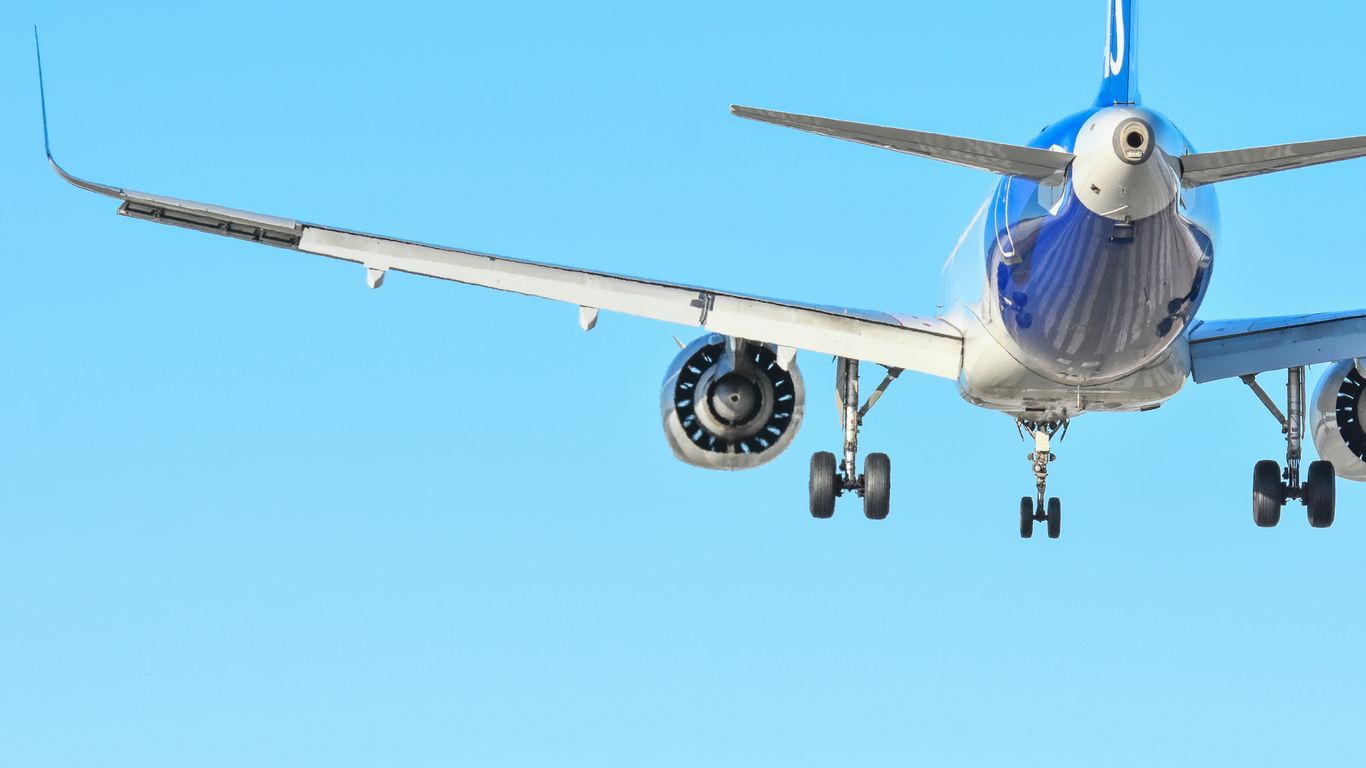
Now, let’s think for a moment about takeoff and landing. The landing gear must deploy and retract swiftly while handling immense forces. The bearings inside these assemblies are tasked with absorbing staggering impacts, managing dynamic loads, and resisting wear over thousands of cycles. They support the aircraft's full weight on the ground and must allow for smooth rotation during taxiing, takeoff, and landing. The precision of these bearings has a direct and profound impact on the safety and reliability of these critical phases of flight.
Critical Applications of High-Precision Bearings in Aircraft
When we picture an aircraft, it's easy to focus on the major, obvious parts like the engines or wings. But frankly, much of what keeps a plane flying safely and smoothly boils down to the smaller, often unseen components. High-precision bearings certainly fit into that category. They're the quiet workhorses, doing their job in nearly every major system of the aircraft.
Aircraft Engine and Turbomachinery Performance
Aircraft engines are incredible pieces of engineering. They operate under truly harsh conditions, with extreme heat and pressure, all while spinning parts at speeds that are difficult to comprehend – we're talking tens of thousands of rotations every minute. Precision bearings are absolutely necessary here. They support the main shafts, allowing the compressor and turbine sections to spin smoothly and remain perfectly aligned. These bearings have to handle tremendous forces, both radial and axial, without any issues. If these bearings don't work perfectly, an engine won't just become less efficient; it could fail catastrophically. This smooth, exact operation is key to ensuring engines last a long time and use fuel wisely.
Ensuring Reliability in Landing Gear Assemblies
Just take a second to consider takeoff and landing. The landing gear has to deploy and retract quickly, all while handling massive forces. The bearings within these assemblies have to absorb huge impacts, manage shifting loads, and resist wear and tear over thousands of uses. They support the aircraft's entire weight when it's on the ground and must permit smooth rotation during taxiing, takeoff, and landing. The accuracy of these bearings directly and significantly impacts the safety and dependability of these crucial flight phases.
Facilitating Movement in Flight Control Systems
Flight control surfaces—like ailerons, elevators, and rudders—are what pilots use to guide the aircraft. These surfaces need to move with precision and reliability, even when subjected to high aerodynamic loads and fluctuating temperatures. High-precision bearings are used throughout the linkages and actuators that move these surfaces. They enable smooth, low-friction movement, which translates directly into responsive control for the pilot. Without these accurate bearings, control inputs might feel sluggish or inconsistent, a situation that could be dangerous, especially during critical flight phases like takeoff, landing, or navigating turbulent weather.
- Smooth Operation: Bearings reduce friction, allowing control surfaces to move with minimal effort and maximum responsiveness.
- Durability: They are built to withstand constant movement, vibration, and exposure to the elements.
- Precision: Tight tolerances ensure that the movement of the control surface exactly matches the pilot's input.
The performance of flight control systems is directly tied to the quality and precision of the bearings within them. Any play or resistance in these components can impact the aircraft's handling characteristics.
Accuracy in Avionics and Instrumentation
When we discuss aircraft, it's easy to let our focus drift to the big, visible parts like the engines or the wings. But a great deal of what makes flying safe and reliable happens within the smaller, often hidden systems. This is precisely where high-precision bearings play a massive role, especially in the sensitive world of avionics and instrumentation.
Precision in Navigation and Control Systems
Every single input a pilot makes, whether it's adjusting the yoke or pressing a button, is translated into action by complex flight control systems. Components like ailerons, rudders, and elevators move thanks to actuators, and these actuators rely heavily on precision bearings. These bearings ensure that every movement is smooth, with very little friction, and that the response is immediate. They have to handle various types of forces while allowing for exact, low-torque rotations. Because these systems directly affect how the aircraft maneuvers and maintains stability, the accuracy and quick response from these bearings are absolutely critical for safe flights.
The Importance of Miniature Bearings
But it doesn't stop with flight controls. Even the most delicate instruments, such as gyroscopes and navigation systems, depend on miniature precision bearings. In these highly sensitive devices, even the slightest wobble or vibration from a less-than-perfect bearing can corrupt the flight data. What does that mean? This kind of inaccuracy could have serious consequences for the aircraft's navigation and its awareness of its position in the sky. The exact precision of these bearings is therefore paramount for the reliable functioning of the entire avionics suite.
- Bearings in gyroscopes must maintain near-perfect stability to provide accurate attitude information.
- Navigation systems use bearings in components like GPS receivers and inertial measurement units (IMUs) to process data without error.
- Flight displays and control panels often incorporate small bearings in switches and dials, ensuring tactile feedback and durability.
The smallest components can have the biggest impact. In avionics, where data accuracy is everything, the quality of even miniature bearings directly influences the safety of the flight.
The pinpoint accuracy of these bearings is paramount for the reliable functioning of the aircraft's entire avionics suite.
Exacting Specifications for Aerospace Components
Building parts for an aircraft is a world away from assembling everyday consumer goods. The aerospace industry operates under some of the most stringent standards on the planet—and for very good reason. When you're engineering components that must perform flawlessly thousands of feet in the air, or even in the vacuum of space, there is absolutely no room for compromise. Manufacturers must adhere to highly specific protocols and processes to ensure every single bearing is perfect. This involves using specialized machinery, maintaining sterile manufacturing environments, and conducting numerous quality checks throughout the production process. It’s all geared toward one thing: guaranteeing these parts can handle the demanding conditions they were designed for.
Stringent Standards in the Aerospace Industry
In aviation, there is virtually zero room for error. Every single component of an aircraft must function perfectly, and bearings are certainly no exception. Even a tiny flaw in a bearing can lead to increased friction, reduced efficiency, or, in a worst-case scenario, a catastrophic system failure. The safety and reliability of an entire aircraft truly depend on the flawless performance of these components. This is precisely why aerospace engineers insist on bearings that meet the most rigorous standards imaginable.
- Bearings are required to meet specifications that go far beyond typical industrial needs.
- These components are capable of operating at incredible speeds and under substantial loads.
- Tight operational clearances are absolutely key to their performance in sensitive, mission-critical systems.
The reality is, the consequences of a bearing failure in an aircraft can range from minor performance dips to truly catastrophic events. For this reason, the manufacturing and selection processes for these components are subjected to intense scrutiny and uncompromising quality control.
Advanced Materials and Manufacturing Techniques
So, what actually goes into making an aerospace bearing? It's certainly not your run-of-the-mill steel. Engineers are constantly innovating, seeking out new materials that can elevate performance. This includes special ceramic composites or advanced metal alloys capable of withstanding extreme heat and wear without degrading. The design itself is another critical piece of the puzzle. Bearings might be engineered to be smaller and lighter to reduce an aircraft's overall weight, yet they must remain strong enough to carry immense loads. They often receive special coatings to prevent corrosion or to reduce friction even further—it's a constant balancing act between performance, durability, and efficiency.
The Balancing Act of Performance and Durability
Creating bearings for aviation involves a complex dance between achieving peak performance and ensuring long-term durability. This means selecting materials that can withstand extreme temperatures, from the frigid heights of cruising altitude to the intense heat generated inside an engine. At the same time, these materials must resist wear and fatigue from constant motion and vibration. The design process is a meticulous effort to minimize weight without sacrificing strength—a critical factor in fuel efficiency and overall aircraft capability. Special surface treatments and coatings are often applied to further reduce friction and protect against environmental factors like corrosion. It's a continuous challenge to push the boundaries of what's possible, making sure each bearing can handle its specific role reliably throughout its intended lifespan.
| Specification Category | Example Metrics |
|---|---|
| Material Composition | Alloy Purity, Hardness (Rockwell C) |
| Dimensional Tolerance | Inner/Outer Diameter (µm), Radial Play (µm) |
| Load Capacity | Static Load Rating (N), Dynamic Load Rating (N) |
| Operating Temperature | Min/Max (°C) |
| Rotational Speed | Max RPM |
| Surface Finish | Roughness (Ra, µm) |
Traceability and Certification for Reliability
When we talk about the parts that go into airplanes, especially tiny, high-precision bearings, there's much more to it than just the manufacturing process. It's about knowing exactly where every single piece came from and how it was made. This isn't just about paperwork; it's a core principle of ensuring everything works safely and reliably.
The Foundation of Safety and Reliability
You can think of it like a detailed history book for each individual bearing. This history, known as traceability, shows us the raw materials used, who made them, and every single step in the manufacturing process. If a problem ever arises, this detailed record allows us to pinpoint the exact cause quickly. It helps stop small issues from escalating into big ones, which keeps the entire aircraft system dependable.
Understanding Aerospace Certifications
Beyond simply tracking parts, there are official certifications that manufacturers must obtain. Standards like AS9100 or ISO 9001 are like badges of honor, showing that a company has a rock-solid system for managing quality. These aren't just for show; they signify that the company is serious about producing high-quality parts consistently and meeting all the stringent rules of the aviation world. It's a promise that they're doing things the right way, every time.
Ensuring Component History and Quality
So, what goes into proving a bearing is up to par? Here's a look:
- Material Verification: Proof that the metals or other materials used are exactly what they're supposed to be, with the right properties.
- Process Confirmation: Documentation showing that the methods used to make the bearing follow strict aerospace protocols.
- Performance Test Results: Records that confirm each bearing has passed rigorous tests for strength and function.
- Certificate of Conformance: A final document stating that the finished bearing meets all required specifications.
The entire journey of a bearing—from the very first piece of raw material to the final inspection—needs to be clearly documented. This meticulous tracking is what gives everyone the confidence that these small, often hidden parts will perform without fail, even under immense stress.
This rigorous approach to documentation and certification is what ultimately builds trust. It's how we know that the components keeping planes in the air are as reliable as they can possibly be.
Supporting Next-Generation Aviation Technologies
The world of aviation is always pushing forward, and the components inside our aircraft have to keep pace. This is especially true for high-precision bearings. As we look toward the future of flight, these small but crucial parts are playing an even bigger role in turning new ideas into reality.
The Cycle of Innovation in Bearing Technology
It's something of a symbiotic relationship. As aircraft become more advanced, they demand better bearings. And as bearing technology improves, it opens the door for even more advanced aircraft designs. This cycle means we're constantly seeing new materials and manufacturing methods that push the boundaries of what's possible. Think about lighter, stronger alloys or composite materials that can handle more heat and stress. Manufacturing processes are also becoming incredibly precise, allowing for more complex and efficient bearing designs. This continuous improvement is what makes future aviation concepts truly feasible.
Bearings for Electric and Autonomous Aircraft
Electric aircraft, for example, have very different needs than traditional jet engines. The bearings in their electric propulsion systems must manage heat and loads in entirely new ways. For autonomous flight, where systems operate without direct human oversight, the reliability of every single component is paramount. Bearings in flight control actuators and guidance systems need to be absolutely dependable, providing precise movement every single time. Any failure in these systems could have serious consequences, making the accuracy and longevity of the bearings completely non-negotiable.
Endurance in Extreme Environments for Space Exploration
Once you go beyond Earth's atmosphere, the demands on bearings become even more extreme. As space exploration expands, components will face conditions far beyond what's typical for aviation. This includes the vacuum of space, wild temperature swings from direct sunlight to deep shadow, and the abrasive dust found on other planets. Bearings designed for these missions need to operate flawlessly—sometimes without any lubrication, or with specialized lubricants that won't degrade in a vacuum. They must be built to last through long missions, often far from any possibility of repair or replacement.
The ongoing advancements in bearing technology are not just about making parts better; they are about enabling entirely new possibilities in aviation and space exploration. These components are the quiet workhorses that make ambitious future projects a reality.
The Unseen Pillars of Flight
When we look at an airplane, it’s easy to be impressed by the powerful engines or the vast wingspan. But in reality, so much of what keeps a plane flying safely and efficiently comes down to the smaller, often-unseen components. High-precision bearings are a perfect fit for that description. They're the unsung heroes, working tirelessly behind the scenes in practically every major aircraft system. From the scorching heat of the engines to the minute movements of the flight controls, these bearings are constantly on the job. And as aircraft technology continues to race forward, the role of these small but mighty components will only become more vital. They aren’t just pieces of metal; they are the quiet enablers of safe and reliable flight.
Frequently Asked Questions
How are airplane bearings different from regular ones?
Airplane bearings are in a class of their own because they're made with extreme precision and use advanced materials to handle very demanding jobs. Unlike standard bearings, they are built to perform perfectly when aircraft are moving at high speeds, carrying heavy loads, and experiencing drastic temperature changes.
Why are exact bearings so important for airplane engines?
Inside an airplane engine, bearings are crucial for parts that spin at incredibly high speeds. They ensure components like turbines can rotate smoothly, even under intense heat. This helps the engine perform at its best and extends its operational life.
How do bearings help steer an airplane?
Bearings are a key part of the systems that move an airplane's control surfaces, like the flaps on the wings and the tail rudder. They ensure these parts can pivot and move easily and accurately, which is essential for the pilot to control the aircraft safely.
What could happen if a bearing in a plane isn't precise enough?
If a bearing isn't manufactured with enough precision, it can cause significant problems. Parts might wear out more quickly, or the aircraft might not operate as efficiently. In a worst-case scenario, a faulty bearing could lead to a critical system failure, which is extremely dangerous for the entire aircraft.
Are there different kinds of bearings for different airplane parts?
Yes, absolutely! Different parts of an airplane have very different jobs. For instance, bearings in the engines must handle high speeds and extreme heat, while bearings in the landing gear need to be exceptionally strong to withstand the immense force and weight during landing.
What makes airplane bearings so reliable?
Their reliability comes from being manufactured to incredibly strict standards using specialized materials and undergoing rigorous testing. They are also fully traceable from start to finish, so engineers know their complete history, ensuring they are tough enough to handle the demanding conditions of flight.


