


business resources
How Entrepreneurs Can Balance Business Growth With Personal Wealth Planning
27 Aug 2026

An entrepreneur can have a record sales month and still be personally broke. This happens when the company has cash, but it is spoken for. There's payroll, inventory, a new hire, or the next expansion to think about. Meanwhile, the retirement plan and family goals sit on the other side of an invisible wall.
If money keeps crossing that wall without a plan, financial advisors in Plano may be able to find the best way for your business and household finances to interact.
Balance lets a healthy company move while deciding which risks belong to the business and which ones your household should never carry.
Start With Two Balance Sheets and One Set of Goals
Entrepreneurs often know their bank balance and next payroll almost by instinct, but their personal picture can be fuzzier. Retirement accounts, insurance, taxes and future spending may live in different portals or in the back of someone’s mind.
The trick is to put both balance sheets on one page and list what both the company and household own and owe. Add the untidy items like personal guarantees, loans made to the company, company shares, expected tax bills and family spending covered by the business.
Then name the goals competing for cash. Hiring may matter but does it matter more than school fees or your home? Once you see what you're giving up, reinvesting everything suddenly stops sounding like a complete strategy.
Pay Yourself Like the Business Depends on It
Irregular owner draws hide the real cost of operating and make household planning guesswork. Owners also frequently become the emergency lender.
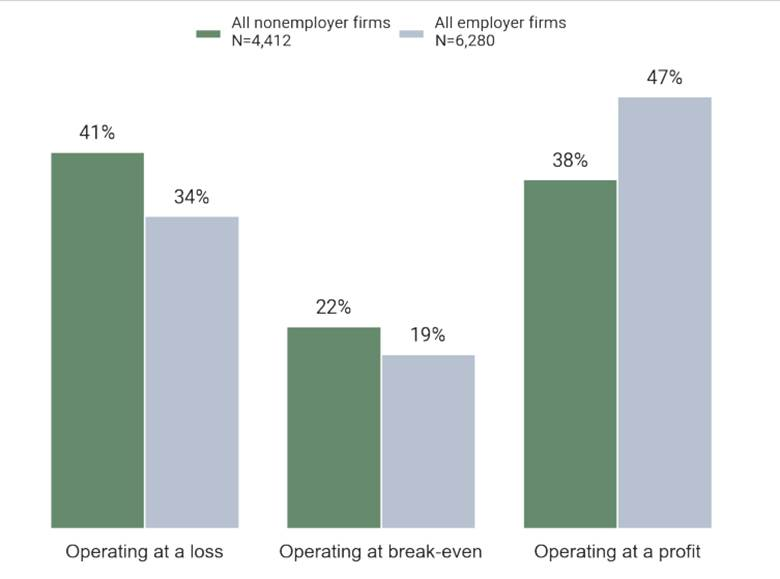
In the latest U.S. Small Business Credit Survey, 64% of owner-only firms and 54% of employer firms used owners’ personal funds to handle financial challenges. A company that works only because its owner is underpaid is not as profitable as it appears.
Choose a base salary and a minimum level of business cash, and have an accountant check the arrangement against your entity structure and taxes. Your household should not need a great sales week to fund ordinary commitments, so set a limit on cash injections before pressure decides for you.
Keep a Household Reserve Outside the Company
Your household needs money that remains available during a rough spell but business cash cannot be treated as a personal emergency fund. A tax payment or a supplier problem can claim that quickly.
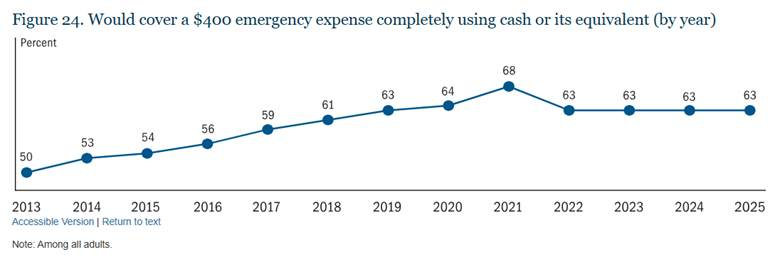
The Federal Reserve found that only 63% of U.S. adults are able to cover a $400 emergency expense completely using cash or its equivalent. If you're not among this group, make it a priority to create an emergency fund and keep your reserve in an account with a clear purpose.
If the company needs money, decide whether funds above that reserve can be lent, then document the limit and repayment terms. The household reserve itself stays put.
Build Wealth That Does Not Need the Company to Win
Your company may be your largest asset and best investment, but it is also tied to your industry, health, customers and management team. That is concentration risk, even when business is good.
Create a regular route from company success to personal assets, which might include retirement accounts, diversified investments, cash for a known goal or debt reduction. Automating the transfer is the safest route, as it stops every surplus dollar being recruited for the next business idea.
Diversification lets you back the business without depending entirely on it. It keeps a bad quarter or delayed sale from rewriting all your family plans. Decide how much personal net worth you are comfortable tying to the company, then review the exposure as its valuation changes.
Protect the Income Engine
Wealth planning also asks what happens if the owner cannot work, a partner dies, a lawsuit lands or a disaster interrupts trading. Insurance, legal agreements and operating discipline can stop a business shock becoming a household crisis.
Review disability and life insurance against the income your family needs. Then check who can access accounts and approve payroll if you are unavailable. For co-owners, the buy-sell agreement and its funding should match the current business.
Spread important relationships across the team and reduce decisions that require the founder. A company that can operate without constant intervention gives its owner more choices before any sale.
Let Growth Create Choice
Building a company should not leave its owner fragile. Growth should create room to invest when the case is good, reject reckless opportunities, support a family and eventually choose how much to work. That room comes from habits repeated without drama.
Pay yourself deliberately and move some wealth beyond the company, while planning for disruption and exit before urgency takes over.
If the business had a difficult year, could your household still make calm decisions? If not, shore up the personal side before the company asks for more.


