
business resources
How Entrepreneurs Can Plan a More Productive Visit to China

A business trip to China earns its value through the decisions it helps an entrepreneur make. Meeting a potential supplier, visiting a production site, or discussing a partnership can reveal details that remain unclear over email. The challenge is turning those encounters into useful evidence and agreed next steps.
Preparation starts well before booking flights. A clear commercial objective, a realistic schedule, and organized travel documents help protect the time you have with prospective partners. Together, they make the visit easier to manage and its results easier to assess.
Define the Decisions You Need to Make
Begin with a short brief explaining why an in-person visit is necessary. Identify the questions you cannot resolve remotely and the information needed to answer them.
A founder sourcing packaging, for example, might need to compare print quality, understand production capacity, and establish a sample-development timeline. Those objectives suggest a different agenda from a visit focused on finding a distributor.
Choose a few concrete outcomes for the trip. These might include narrowing a supplier shortlist, reviewing a prototype, or agreeing on responsibilities for a pilot project. Give each meeting a purpose that supports one of those outcomes.
Qualify Contacts Before Filling Your Calendar
Use introductory calls to establish who you will meet, what the company does, and whether its capabilities match your needs. Request relevant product information and clarify which location you would actually visit.
For supplier meetings, establish whether your contact represents a manufacturer, a trading business, or another intermediary. Ask which production activities take place at the proposed site and whether the relevant team will be available.
A visit offers an opportunity to examine specific claims, but one meeting provides only part of the picture. Prepare questions in advance and record which statements you have observed directly, which require documents, and which remain unconfirmed.
Arrange Entry Documents Early
Check the official entry requirements for your nationality, planned activities, and itinerary while your schedule is still flexible. If a visa is required, confirm the appropriate category and current supporting-document requirements with the relevant Chinese embassy or consulate.
For applicants using Los Angeles, the consulate’s ordinary visa application guidance lists an invitation letter among the supporting documents for an M business visa. Coordinate any required invitation with your host and check that its details match your actual plans.
Entrepreneurs who need preparation assistance can consider China Visa Depot’s china visa service for application support and document review, subject to eligibility and consular jurisdiction. Allow time for official review; private assistance cannot guarantee issuance or a completion date.
Build the Route Around Confirmed Meetings
Group visits by location and calculate travel from door to door. Include the time needed to reach stations or airports, navigate unfamiliar addresses, and arrive ready for the discussion.

Confirm the meeting address in Chinese, the local contact number, expected attendees, and the time allocated. A company’s office and production facility may be different locations, so establish exactly where each appointment takes place.
Keep some space between important meetings. A factory discussion may run longer than planned, or a promising contact may invite a technical colleague to join later. Schedule recovery time after arrival and reserve a short period each evening to organize notes.
Send an Agenda That Makes Preparation Easier
Share a concise agenda before each meeting. Explain your business, the problem you are trying to solve, and the questions you hope to discuss. Include specifications or drawings where appropriate, using clear version labels.
Ask your host to involve the people who can answer those questions. A technical review may require someone from engineering or quality control alongside the sales contact.
If interpretation is needed, arrange it in advance and brief the interpreter on terminology. During the discussion, use short, direct questions and check understanding by summarizing key points. Leave time for your counterpart to explain constraints and ask questions about your expectations.
Compare Suppliers Using the Same Criteria
Create a simple comparison sheet before departure. Use consistent categories such as technical fit, sample quality, stated capacity, communication, and unresolved questions. This keeps a polished presentation from becoming the main basis for a decision.
During a site visit, ask how orders move through production and where quality checks occur. Request examples relevant to the product you are considering. Seek permission before taking photographs or recording information.
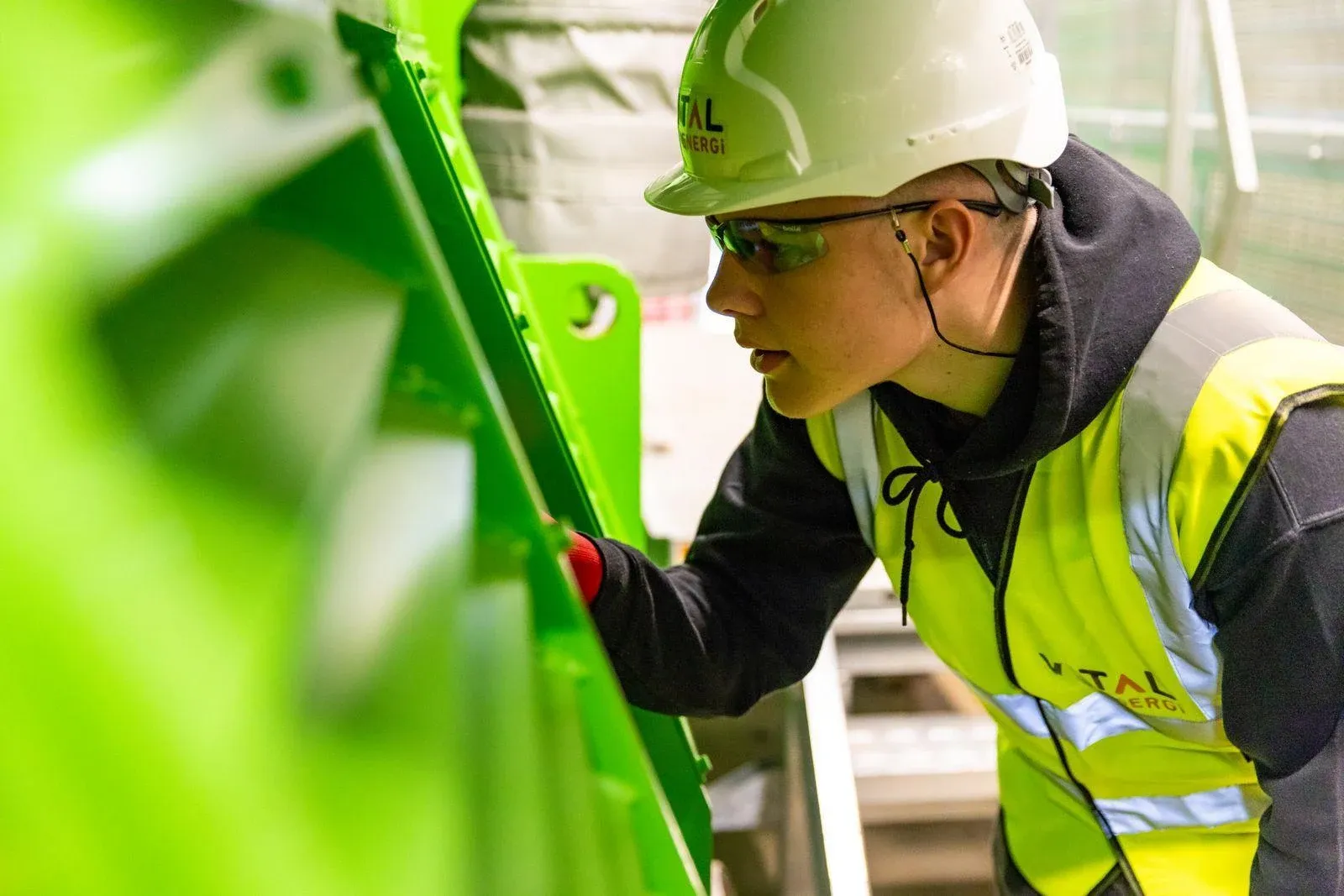
Label samples clearly and connect them to the supplier, date, specification, and version discussed. Record what further testing or verification is needed. A promising sample becomes more useful when everyone understands what it represents and what remains to be established.
Turn Conversations Into Assigned Next Steps
Close each meeting by reviewing actions, responsible people, and target dates. Clarify who will send a revised quotation, prepare a sample, answer a technical question, or schedule the next call.
Send a written recap promptly and invite corrections. Keep confirmed points separate from open proposals so that both sides can identify what still needs discussion.
After returning home, assess the trip against the outcomes you defined before departure. Review the evidence gathered, the questions still unanswered, and the next decision each relationship requires. A productive China visit leaves you with a clearer basis for action and a practical way to keep the work moving.


