
Markets & Investing, Trading Strategies & Tech, resources
How Greenhouse Technology Impacts Global Agriculture Stocks
15 Jul 2026

Smart farming is changing how Wall Street views the food supply. Traditional farming faces volatile weather patterns that threaten crop yields and company profits. Modern indoor growing setups offer a controlled environment that makes crop production predictable. Investors are paying close attention to these technological shifts.
Stock portfolios tied to food production are seeing major movements as indoor farming gains ground. Knowing how these systems work can help traders spot the next big market breakout. Tracking these agricultural developments helps savvy retail traders stay ahead of major equity movements.
Shifting Capital to Controlled Environments
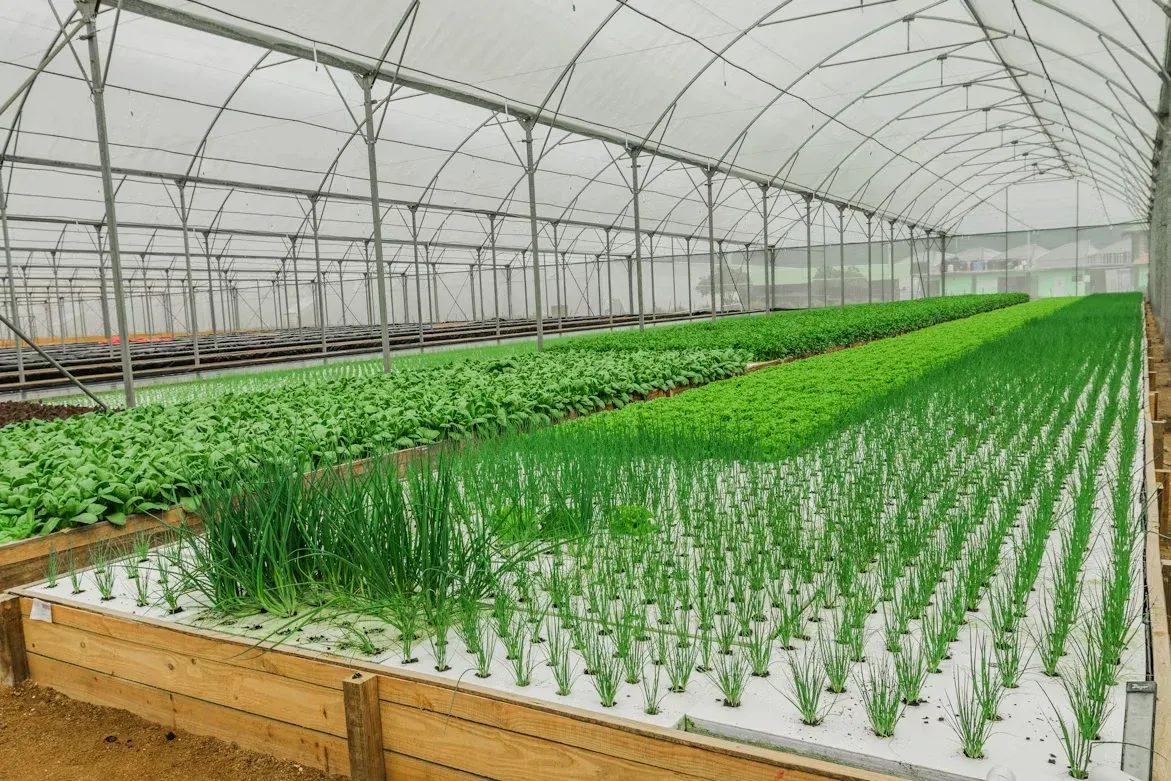
Traditional agricultural firms are moving their capital away from open fields to indoor setups. Many growers choose to build superior commercial greenhouses to shield crops from extreme weather events. This shift helps secure stable yields and protects long-term equity investments from sudden weather disasters.
Traders analyze how these physical structures reduce risk across the entire supply chain. Companies that fund these massive construction projects are gaining a competitive advantage in the public markets. Stock prices often reflect this newfound stability as revenue streams become less volatile. Acquiring these physical structures represents a substantial capital investment, but the reduction in crop failure risk provides a clear long-term benefit for modern growers.
Valuing the Market Expansion
Market data reveals a significant rise in the valuation of the indoor farming sector. A recent market study reported that the global greenhouse horticulture market reached a valuation of $36.0 billion in 2025. This massive valuation highlights why mainstream investment funds are moving into agricultural technology.
Higher market values attract institutional buyers who want stable, long-term returns. When crop yields are insulated from droughts, stock valuations become far less volatile. This trend represents a major opportunity for equity portfolios focused on sustainable development.
Mutual funds are adjusting their weights to include shares of these technologically advanced agricultural corporations. Fund managers aim to capture steady dividend yields and avoid the wild price swings of traditional commodities.
Analyzing the Cost Barriers
Building these indoor operations requires huge amounts of upfront cash. A report on agricultural logistics points to capital intensity as a major hurdle, with advanced setups costing between $5 million and $10 million per hectare. These steep costs mean only well-capitalized public firms can scale their operations quickly.
Traders must look at cash flow statements to see which firms can handle this debt. Companies that manage to fund these setups without hurting their balance sheets are prime targets for growth.
Smaller operators might struggle, leading to market consolidation that benefits larger corporate players. This consolidation often results in mergers and acquisitions, creating opportunities for stock traders to profit. Identifying healthy balance sheets early on can set successful investors apart from those chasing hype.
Smart Technologies Driving Growth
Automation is making indoor cultivation far more efficient. A recent industry forecast notes that the smart greenhouse market is on track to reach $30.2 billion by 2035, growing at a compound annual rate of 15.7%. This rapid growth is driven by several key technological integrations:
- Automated irrigation systems that reduce water waste by recycling runoff.
- Climate control sensors that adjust humidity levels to prevent crop diseases.
- Robotic harvesting tools that lower labor expenses and speed up distribution.
These innovations help companies lower their operating expenses. When a business cuts its overhead, its profit margins expand, making its stock far more attractive to Wall Street. Traders can measure this efficiency by tracking operating margin ratios of public agricultural technology firms.
Risk Mitigation and Stock Volatility
Open-field agriculture is highly sensitive to climate shifts and pest outbreaks. A single bad season can wipe out a farming firm’s quarterly profits, causing stock prices to plummet. Indoor cultivation mitigates these risks by providing a stable, year-round harvest environment.
This predictability is a massive selling point for risk-averse institutional investors. Stocks tied to indoor growers often show lower volatility compared to traditional farming equities.
As climate patterns become unpredictable, these stable stocks will likely command a premium. Traders should focus on companies with diversified indoor cultivation locations. This diversification further minimizes the risks of localized power grid failures or pest infestations.
Future Investment Opportunities
The intersection of technology and food production is creating new public companies. Traders should watch for initial public offerings of firms specializing in indoor growing tech. These companies are not just growing food—they are developing proprietary software and hardware.
Licensing these technologies to other growers represents a highly profitable business model. Companies with multiple revenue streams tend to perform better in the stock market. Keeping an eye on these tech-focused agriculture stocks could yield impressive returns.
Emerging markets are showing increased demand for local food production, driving demand for specialized systems. Public firms that expand internationally are poised to capture market share, driving up share prices.
As traditional farming struggles with weather instability, indoor agriculture offers a reliable alternative. Watching these stock market trends closely will help you spot strong trading opportunities. Focusing on firms that prioritize efficiency will help you trade these assets with confidence.


