
business resources
How Infrastructure Upkeep Protects Real Estate Portfolios
28 May 2026

Property investments require constant attention to maintain market value. Physical structures suffer from weather damage and daily wear.
Owners watch roofs and foundations closely to protect long-term equity. Regular inspections keep operating costs predictable and defend asset safety.
Protecting Roofs From Severe Weather Effects
Deferred maintenance quickly reduces the long-term market appeal of commercial buildings. Tenants notice leaking ceilings and peeling paint right away. Properties that look neglected struggle to maintain high occupancy levels.
High winds and hail create serious structural hazards for commercial roofs. Property managers often consider investing in professional roof inspections in the Oklahoma City area to catch minor leaks before they destroy interior ceilings. Regular preventative maintenance extends the lifespan of these expensive overhead assets.
Proactive care keeps physical assets safe from environmental degradation. Foundation shifts ruin a building layout when water accumulates near the base. Correct drainage clearing prevents soil erosion around foundation walls.
Understanding Capital Investment Trends
Institutional investors pour money into physical property markets globally. Funding levels shift based on economic conditions and interest rates. Strong asset management attracts larger investment groups.
A global industry report indicated that closed-end real estate fundraising rose around 16 percent year over year to $146 billion. This influx of capital demonstrates high confidence in tangible asset performance. Investors prefer properties with solid maintenance records.
Well-maintained buildings capture a larger share of this available capital. Buyers review historical repair logs during the due diligence phase. Neglected properties face steep price discounts during sales negotiations.
Comparing Asset Protection Strengths
Different asset classes offer distinct advantages during periods of market volatility. Real estate relies on physical structural integrity to secure steady rental income. Broader public systems support these private investments directly.
Financial data shows that infrastructure assets held defensive positions with 10-13% returns and growing assets under management. This steady performance highlights the value of stable asset care. Real estate portfolios replicate this stability through rigorous upkeep schedules.
Consistent maintenance spending creates a shield against market downturns. Operational efficiency rises when machinery and roofs work perfectly. Reliable systems protect cash flows from emergency repair spikes.
Analyzing Total Market Projections
The scale of global property assets demands systematic oversight from management firms. Total valuations reach massive numbers across international boundaries. Proper care preserves these trillions of dollars in wealth.
Market research estimates the global real estate and infrastructure market size at $407.60 trillion in 2026. This massive valuation reflects residential, commercial, and public assets combined. Protecting a fraction of this wealth requires immense operational discipline.
Portfolio managers track these macro numbers to justify localized maintenance budgets. Spending money on systemic upgrades preserves long-term asset equity. Regular capital expenditures extend the useful life of every building component.
Executing Effective Inspection Routines
Regular tracking protects assets from invisible threats like mold and internal pipe rust. Managers set strict timelines for team walkthroughs. Catching leaks early saves thousands of dollars in drywall repairs.
- Roof flashing needs inspection after every major hailstorm.
- Foundation perimeters require correct grading to direct rainwater away.
- HVAC systems need clean filters every 3 months to reduce mechanical strain.
Teams documents every checkup in a centralized software database. Detailed records prove asset quality to future insurance adjusters. Digital logs simplify the planning of large structural upgrades.
Minimizing Operational Risks And Liabilities
Property owners face legal liabilities if building defects cause tenant injuries. Broken walkways and loose handrails pose serious safety hazards. Regular physical audits eliminate these preventable premises risks.
Insurance providers offer better premium rates to proactive owners. Safety documentation shows underwriters that the management company lowers risk profiles. High premiums eat into net operating income unnecessarily.
Emergency structural failures disrupt daily tenant business operations completely. Disrupted operations lead to broken leases and expensive legal disputes. Solid upkeep keeps tenants satisfied and protects lease renewal rates.
Managing Long-Term Structural Integrity
Building materials degrade at different rates depending on solar exposure and moisture. Brick facades require tuckpointing every few decades to prevent collapse. Keeping outer layers sealed blocks water from reaching the steel supports.
Upgraded insulation and modern roofing systems lower monthly energy costs. Tenants appreciate lower utility bills - here we see how efficiency drops expenses. Operational cost reduction raises the marketability of old complexes.
Neglecting the exterior shell shortens the lifespan of interior finishes. Water stains destroy ceiling tiles and expensive office flooring. Protecting the outer envelope safeguards every interior improvement.
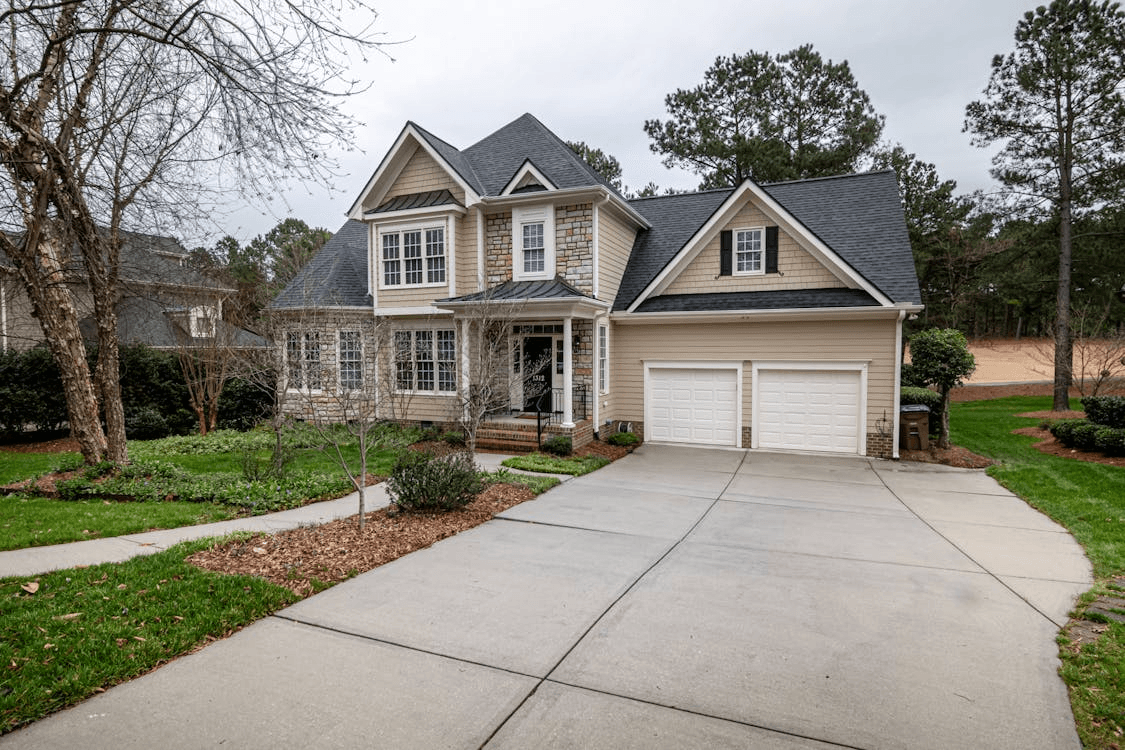
Sustained investment in physical assets protects long-term portfolio equity. Regular maintenance prevents minor wear from becoming catastrophic financial loss. Smart managers treat building upkeep as a primary defensive wealth strategy.
Keeping facilities operational preserves tenant satisfaction and stabilizes rental income. Property values depend heavily on the physical condition of roofs and foundations. Consistent care preserves real estate wealth across changing economic cycles.


