
resources
How Jakarta Became the World's Largest City by population

For decades, Tokyo held the crown as the world's ultimate megacity. You know the image: glowing neon signs, packed subway cars, a sprawling metropolis that seemed impossible to top. Then something remarkable happened. A 2025 UN report revealed that Jakarta is actually home to nearly 42 million people in its greater urban region. Overnight, it jumped from 33rd place to first, completely reshuffling our understanding of the world's biggest cities.
Here's the thing: Jakarta didn't suddenly explode in population last year. It's been massive for a while. What changed was how we count.
A New Way of Measuring Cities
The UN decided to stop relying on each country's own definitions of what counts as a "city." Instead, they used a consistent method worldwide, looking at continuous built-up areas, population density, and how people actually move around and commute. When they applied this approach to Jakarta, they discovered something striking: tens of millions of people living in what were officially considered separate towns and districts were, in reality, part of one massive, interconnected urban region.
Under the old counting method, Jakarta's population appeared to be around 11 million; not small, but nothing extraordinary. With the new approach? Nearly 42 million. That's roughly three times the size of New York City, or about the same as Canada's entire population. Meanwhile, Tokyo came in at around 33 million and dropped to third place (with Dhaka in second).
Why This Matters
Jakarta's story isn't unique, it's part of a dramatic shift happening across Asia. Right now, nine of the world's ten largest cities are on this continent. Since the 1970s, the number of megacities (urban areas with over 10 million people) has grown from eight to 33, and 19 of them are in Asia.
For decades, millions of Indonesians have moved from rural villages to the Jakarta area looking for jobs, education, and better opportunities. The city didn't just grow upward with new skyscrapers; it spread outward, swallowing up surrounding districts, towns, and provinces. Communities across West Java and Banten became linked by daily commutes, shared job markets, and continuous construction. What urban planners in Indonesia had been saying for years turned out to be true: greater Jakarta was already larger than Tokyo if you looked at how people actually lived and moved, not just at official city limits.
What Makes Jakarta Different
Unlike Tokyo, where the population is aging and growth has plateaued, Jakarta's region is relatively young with strong migration from rural areas. While Japan is dealing with an aging society and population decline, Jakarta keeps adding residents. Projections suggest the region will gain another 10 million people by 2050; even as Indonesia builds a new administrative capital in Borneo to try to ease some of the pressure.
A Brief History of Jakarta
But before taking a dive on this topic, learning about the context behind Jakarta matters. Long before skyscrapers and traffic jams, Jakarta began as a strategic port at the mouth of the Ciliwung River, serving regional trade networks on the northwest coast of Java. In the 16th century it was known as Jayakarta, before the Dutch seized and rebuilt it as Batavia, the capital of the Dutch East Indies and a key node in global spice commerce.
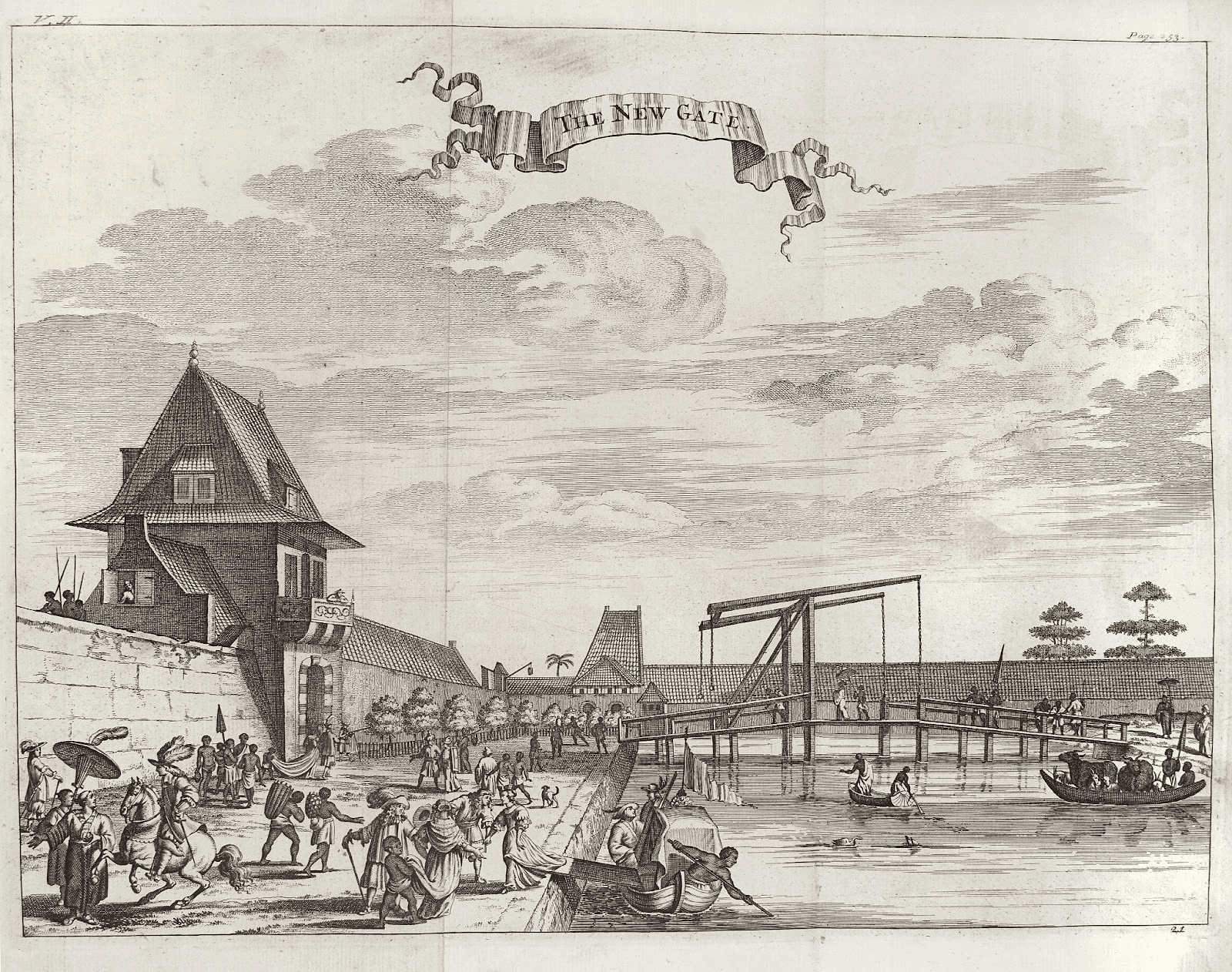
After the Japanese occupation during World War II and Indonesia’s declaration of independence in 1945, the city was renamed Jakarta and formally became the capital of the new republic. Post‑independence industrialization, waves of migration, and decades of centralized development policies transformed Jakarta from a colonial port into a sprawling megacity and the political, cultural, and economic heart of Indonesia.
Jakarta’s Economic Engine
Today, Jakarta is Indonesia’s main economic powerhouse, generating around 17% of the country’s total GDP while occupying less than 1% of its land area. The province covers roughly 661 km² out of Indonesia’s more than 1.9 million km², highlighting just how concentrated economic activity is in the capital region.
Jakarta’s nominal GDP was about US$204 billion in 2021, making it the province with the highest economic output in Indonesia and one of Southeast Asia’s largest urban economies. The city’s diversified base spans finance, manufacturing, logistics, retail, and a fast‑growing digital sector, with many multinational and national conglomerates headquartered there. Jakarta’s ports, airports, and highways anchor key trade routes connecting Indonesia’s islands to global markets, but this economic concentration also fuels inequality, high living costs, and intense pressure on infrastructure—dynamics that both reflect and reinforce the growth that helped Jakarta become the world’s largest city.
The Challenges of Being Number One
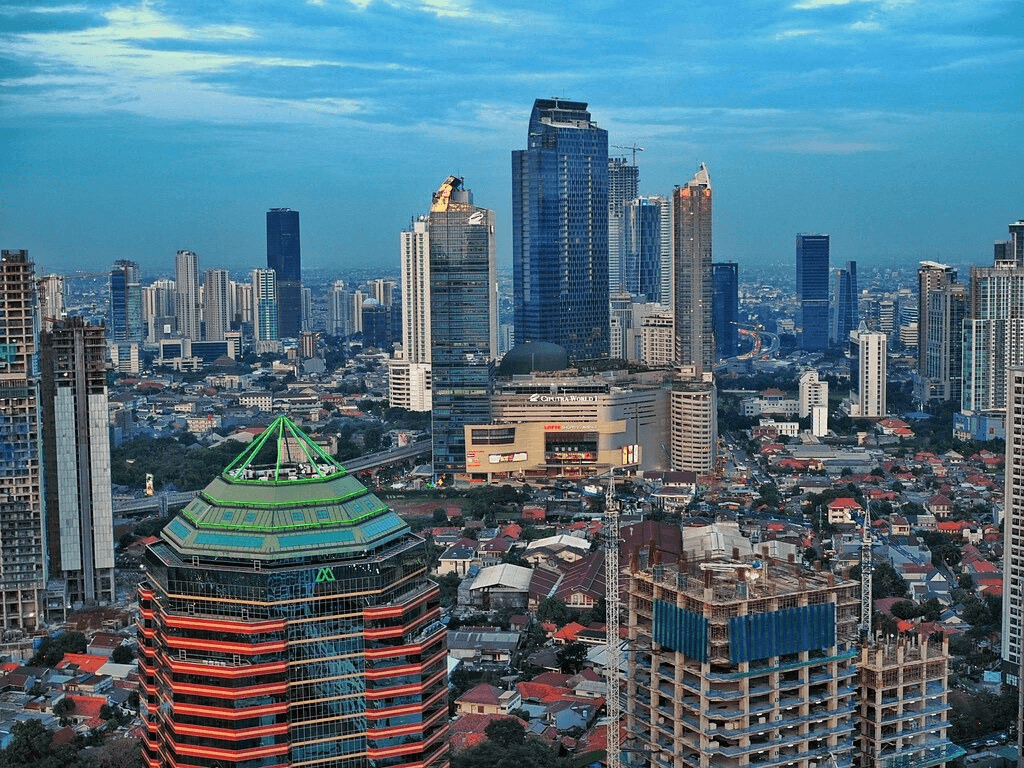
Being the world's largest city isn't all good news. Jakarta is already struggling with some of the world's worst traffic congestion, serious air pollution, and devastating floods. Parts of the city are actually sinking due to groundwater extraction and rising sea levels; some estimates suggest a quarter of the city could be underwater by mid-century without major intervention.
The Indonesian government's decision to move the capital to Nusantara in Borneo is partly about reducing these risks, but Jakarta isn't going to empty out. With millions more people expected in the coming decades, the city desperately needs investments in public transit, flood defenses, affordable housing, and inclusive urban planning. These aren't nice-to-haves, they're survival necessities.
What This Means for the World
Jakarta's rise to the top shows us something important: how we measure and define cities matters just as much as how they grow. Being recognized as the world's largest city brings international attention: investors, climate researchers, and policymakers are now paying much closer attention to Jakarta's challenges and innovations.
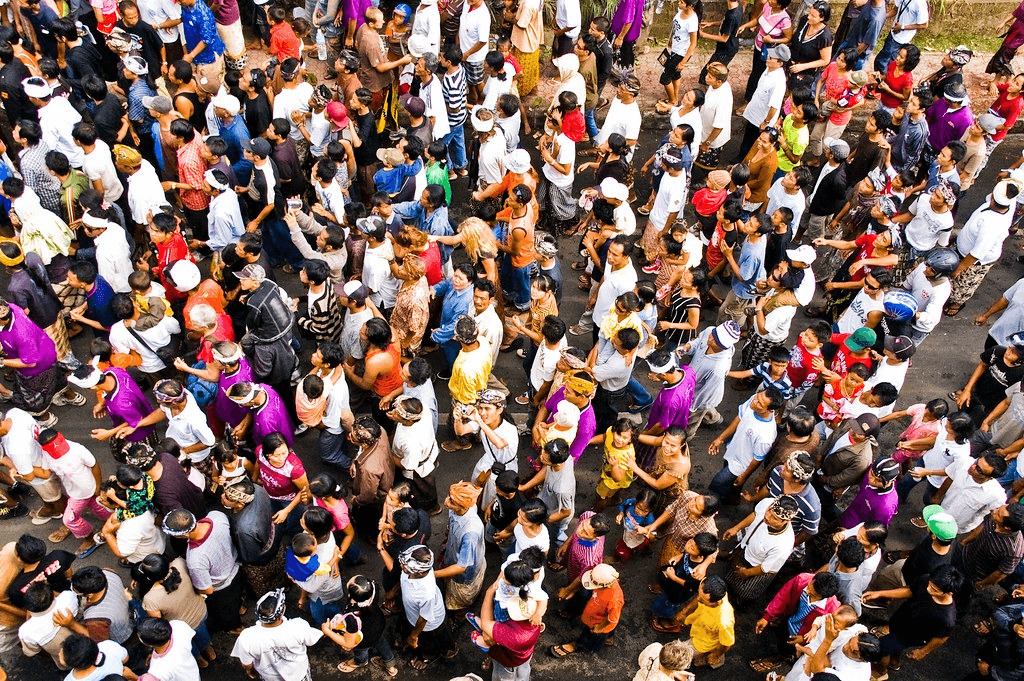
More broadly, we're living through a historic shift. In 1950, only one in five people lived in cities. Today, it's nearly half of the world's 8.2 billion people, and that number keeps climbing. As cities grow beyond their historic boundaries, governments need to think bigger, designing transportation, housing, and climate strategies for entire functional regions, not just old administrative borders.
Looking Ahead
Jakarta didn't become a giant city in 2025. We just finally started counting it properly. What the UN report revealed was a megacity that had been hiding in plain sight, spread across a vast region of interconnected communities, all functioning as one massive urban system.
The same forces driving Jakarta's growth: young populations, migration, economic opportunity; are reshaping cities across Asia and the developing world. Whether Jakarta's story becomes one of crisis or innovation depends on whether its leaders and communities can build infrastructure, services, and planning systems that match its demographic reality.
In many ways, Jakarta isn't an outlier. It's a preview of the future dozens of other cities are racing toward. And how it handles the challenges ahead might just write the playbook for megacities everywhere.
Share

Pedro Guarda
Always driven by curiosity and a passion for smart cities, Pedro Guarda is an aspiring SEO Copywriter & Analyst Intern for Ztudium, indeed, he is eager to merge creative writing with data-driven insights. Moreover, with a growing skill set in keyword research, content optimization, and performance analysis, they are forever driven in helping brands and companies such as Citiesabc to improve their online visibility and engage with their audience effectively.


