
resources
How Japanese Port Cities Drive the Country’s Economy

As an island nation with limited natural resources, Japan's prosperity depends entirely on maritime trade, and its port cities serve as economic lifelines connecting domestic industries to global markets. A single Japanese port city can process billions of dollars in trade annually, employing hundreds of thousands and anchoring supply chains spanning continents. Understanding how these ports drive Japan's economy reveals the mechanics behind one of the world's most sophisticated trading nations and offers lessons for other maritime economies from Singapore to Dubai.
A Brief History
The story of Japan's port cities begins with forced modernization during the Meiji Restoration of 1868. For over two centuries under the Tokugawa Shogunate, Japan maintained strict isolation policies limiting foreign trade to the single port of Nagasaki. When American Commodore Matthew Perry arrived in 1853 demanding Japan open to trade, the subsequent treaties compelled Japan to designate treaty ports including Yokohama, Kobe, and Nagasaki for international commerce. This sudden exposure to global trade shocked Japan's feudal economy but ultimately catalyzed rapid industrialization. Yokohama, a small fishing village before 1859, exploded into Japan's largest port within decades as foreign merchants established trading houses and Japanese entrepreneurs learned Western business practices. The Meiji government invested heavily in port infrastructure, recognizing maritime trade as essential for importing technology and exporting silk and other goods to finance modernization. By the early 20th century, ports like Osaka and Kobe had become industrial powerhouses, with shipyards, steel mills, and textile factories clustering around harbors. This pattern—combining port facilities with manufacturing—would define Japanese port city economies for the next century.
Japanese port cities in today’s world
Today, the Japanese port city remains fundamental to Japan's export-oriented economy. Japan ranks among the world's largest exporters, shipping automobiles, electronics, machinery, and chemicals globally. In 2022, Japan's exports exceeded $747 billion, with the vast majority moving through ports rather than air freight. The country's top ports handle over 200 million metric tons of cargo annually, facilitating trade with partners including the United States, China, South Korea, and Southeast Asian nations. This maritime trade supports not just shipping companies but entire industrial ecosystems built around ports.
Tokyo Bay
Tokyo and Yokohama form a combined port complex serving the greater Tokyo metropolitan area, home to 38 million people. The Port of Tokyo handles diverse cargo including containers, automobiles, and bulk goods, while Yokohama specializes in container traffic and automobile exports. Together, these ports processed over 110 million tons of cargo in recent years, making the Tokyo Bay area Japan's largest maritime gateway.
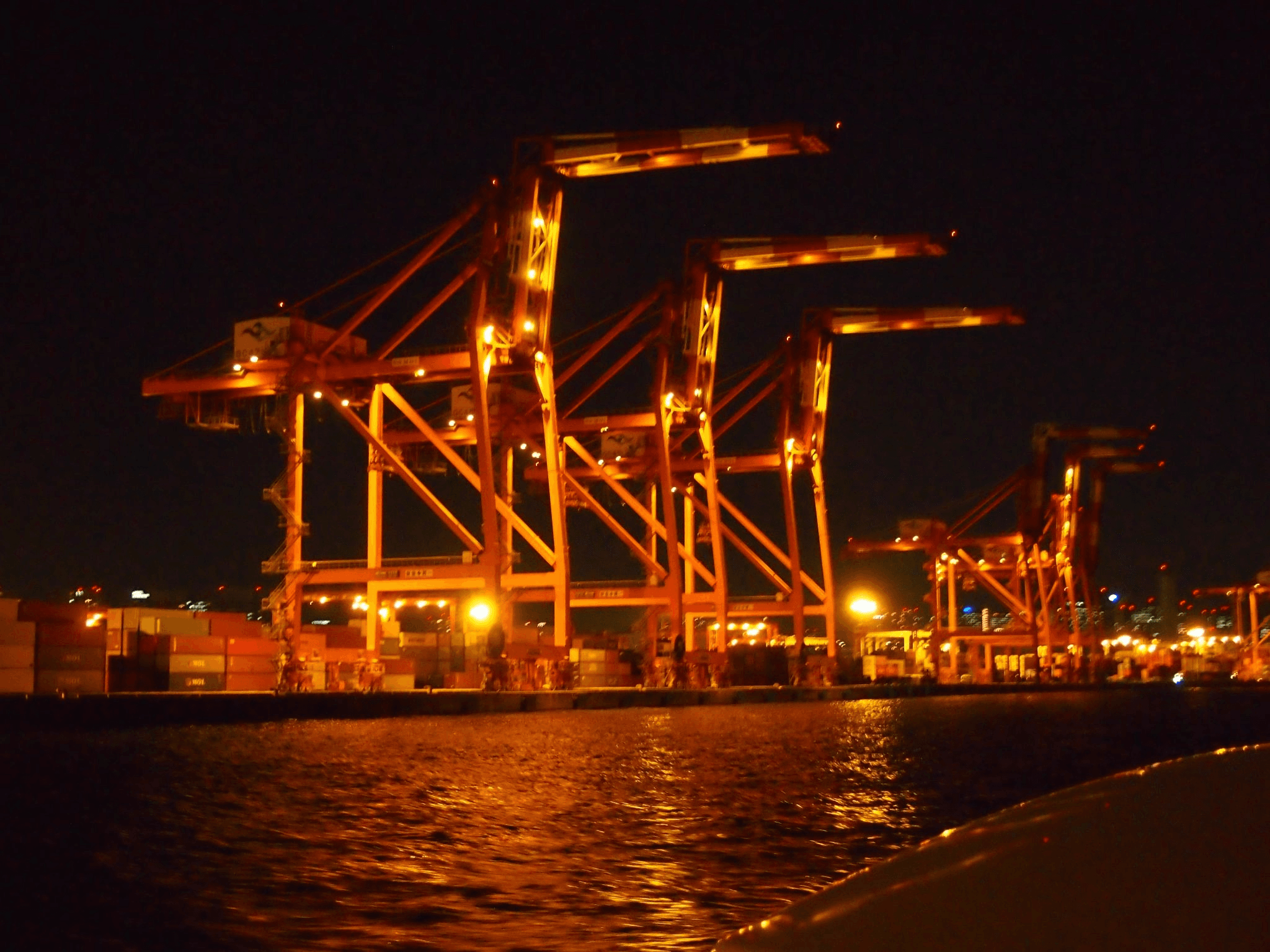
The economic impact extends beyond dockside operations—logistics companies, freight forwarderscustoms brokers, and warehousing facilities employ tens of thousands. Major manufacturers maintain distribution centers near these ports to expedite exports, while imported raw materials flow directly to factories in the Kanto region.
Nagoya
Nagoya Port, located in central Japan, serves as the nation's largest port by cargo volume, handling over 200 million tons annually. Its significance stems from proximity to Toyota City and Japan's automotive heartland. Nagoya functions essentially as Toyota's primary export terminal, shipping millions of vehicles yearly to markets across Asia, North America, and beyond. The japanese port city infrastructure here includes specialized automobile terminals with multi-level parking structures holding thousands of vehicles awaiting export. Beyond automobiles, Nagoya handles steel, machinery, and chemicals produced in the Chubu region. The port's economic impact on Nagoya and surrounding prefectures is immense, with automotive exports alone generating billions in economic activity.
Kobe-Osaka Metropolis
Osaka and Kobe, neighboring ports in the Kansai region, historically competed but now complement each other. Osaka Port serves the city's 19 million metropolitan residents with container facilities and passenger terminals, while Kobe Port specializes in container traffic and serves as western Japan's primary gateway for international trade. Kobe's Port Island and Rokko Island are entirely artificial, demonstrating Japan's engineering prowess in creating land where none existed. Together, these ports handle imports of food, raw materials, and energy while exporting machinery, chemicals, and electronics manufactured in the Kansai industrial belt.
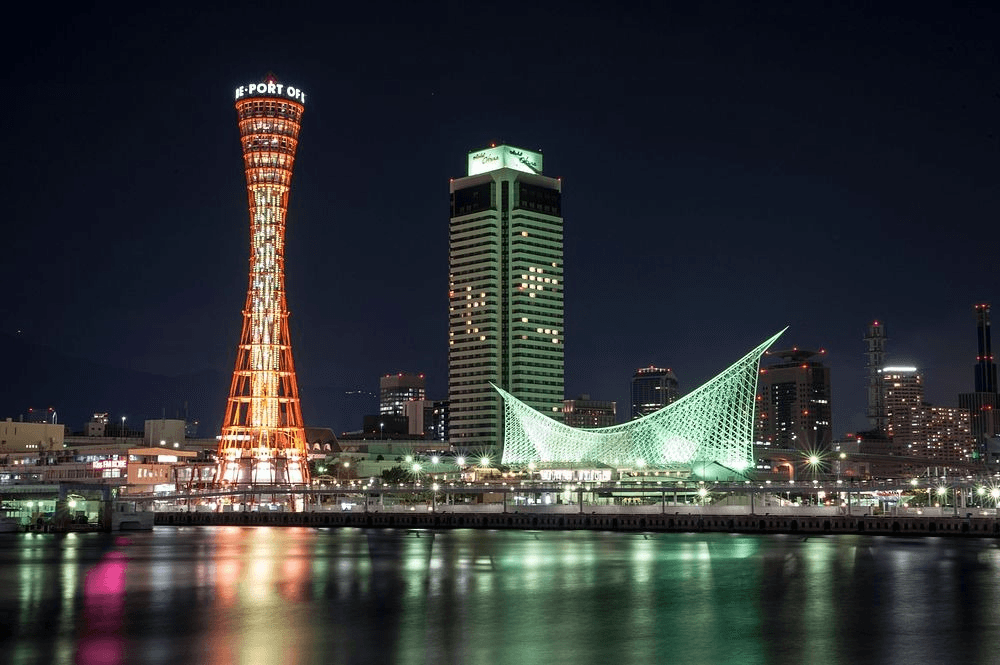
The Japanese port city model here integrates deeply with regional manufacturing, with companies like Panasonic and Sharp depending on these facilities for global distribution.
The economics behind these cities
The economic contribution of Japanese port cities extends beyond cargo throughput. Port-related industries including shipbuilding, maritime insurance, shipping finance, and marine engineering employ skilled workers and generate substantial value. Japan remains one of the world's leading shipbuilding nations, with yards in Yokohama, Kobe, and other port cities producing tankers, container ships, and specialized vessels. Maritime services including ship maintenance, refueling, and crew changes generate additional economic activity. The concentration of expertise in port cities creates clusters where shipping companies, logistics providers, and maritime technology firms collaborate, driving innovation in areas like automated cargo handling and emission reduction.
Japanese ports also function as critical energy import gateways. Japan imports virtually all of its oil and natural gas, with LNG terminals in Tokyo Bay, Osaka Bay, and other locations receiving shipments from Qatar, Australia, and the United States. Following the 2011 Fukushima nuclear disaster, Japan increased fossil fuel imports substantially, making ports even more critical to energy security. Coal, LNG, and petroleum products flowing through ports power the factories, vehicles, and electrical grids sustaining Japan's economy.
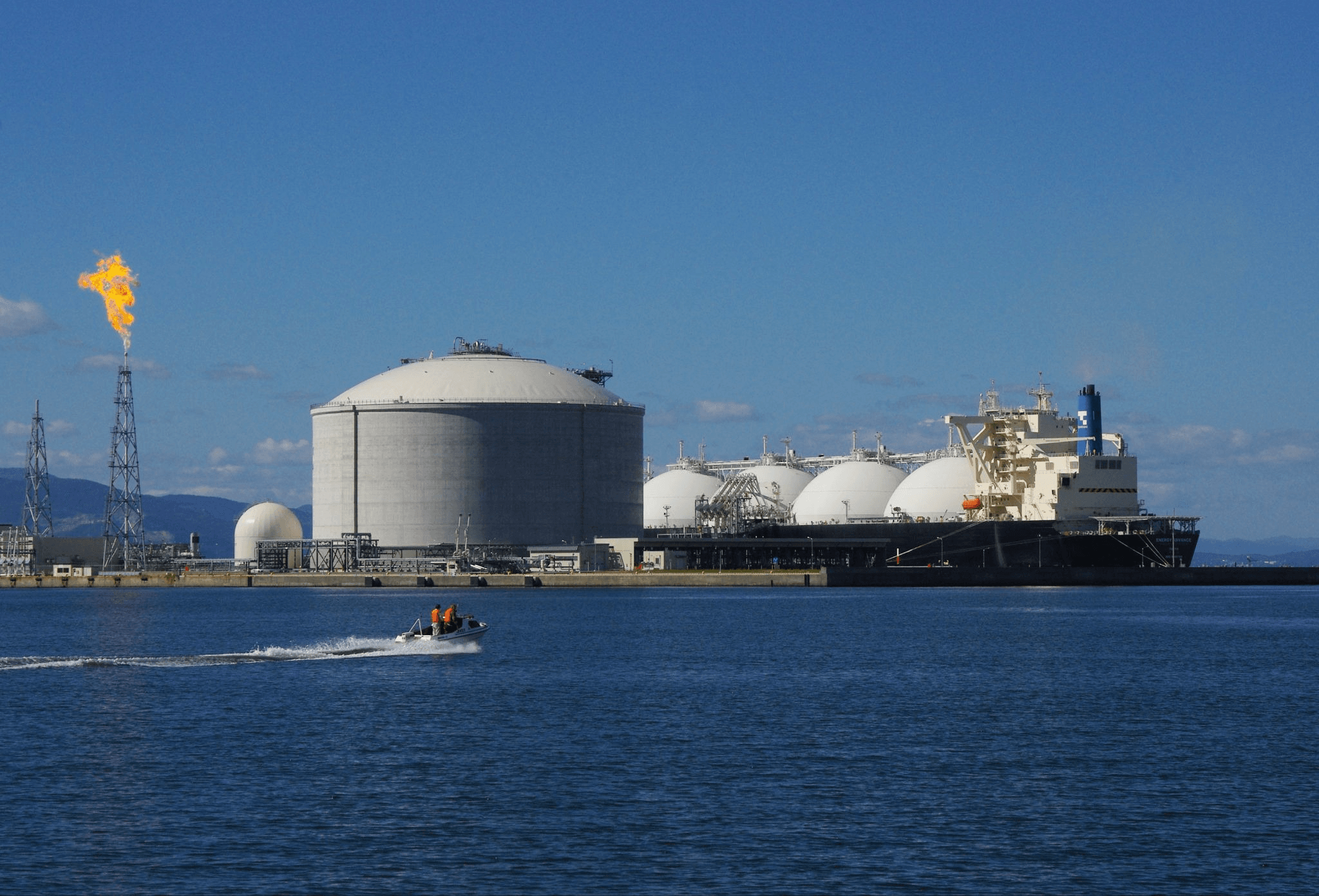
The relationship between a Japanese port city and its hinterland creates economic multiplier effects. When a port expands capacity, it attracts manufacturing investment as companies locate factories nearby to reduce transportation costs. This pattern is visible in Nagoya, where automotive suppliers cluster around the port to serve Toyota's export operations. Similarly, Yokohama's port expansion attracted warehousing and distribution centers, creating logistics employment. These multipliers mean port investments yield broader economic returns through job creation, tax revenue, and industrial development.
Challenges
However, Japanese port cities face challenges that threaten their economic role. Competition from Chinese and South Korean ports has intensified as Shanghai, Busan, and Incheon expand capacity and improve efficiency. While Japanese ports excel in quality and reliability, they struggle with higher labor costs and aging infrastructure. Container shipping lines increasingly bypass Japanese ports, choosing to offload cargo at larger Chinese or Korean hubs and transshipping to Japan. This transshipment model reduces the economic activity captured by Japanese ports.
Additionally, Japan's demographic decline impacts port cities disproportionately. An aging population means fewer workers available for physically demanding port jobs, while population decline reduces domestic consumption and import demand. Cities like Kobe have seen population stagnation, and maintaining port infrastructure becomes costlier as the tax base shrinks. Japanese ports are responding through automation, deploying robotic cranes and AI-powered logistics systems to maintain competitiveness despite labor shortages.
Environmental regulations also challenge port operations. International maritime regulations require reduced sulfur emissions, forcing ships to use cleaner fuel or install scrubbers. Japanese ports must invest in shore power facilities allowing docked ships to shut down engines and plug into electrical grids, reducing air pollution in port cities. These environmental improvements carry substantial costs but are necessary to maintain the livability of densely populated japanese port city areas where millions reside near industrial waterfronts.
How they compare against major port cities
Comparing Japanese ports to those in other major trading nations reveals distinctive strengths and weaknesses. Ports in Rotterdam, Hamburg, and Antwerp serve European markets efficiently despite smaller economies than Japan. American ports like Los Angeles and Long Beach handle enormous container volumes but suffer from congestion and labor disputes. Chinese ports in Shanghai and Shenzhen benefit from massive manufacturing bases and state investment but operate in less transparent regulatory environments. Singapore's port dominates Southeast Asian transshipment through strategic location and business-friendly policies. Dubai and Abu Dhabi leverage positions between Asia and Europe for transshipment and logistics. Each model reflects different economic structures and geographic advantages.
Looking globally, port cities from Barcelona to Miami, Copenhagen to Buenos Aires, Sydney to Mumbai all demonstrate how maritime trade shapes urban economies. Cities including Cairo, Mexico City, and São Paulo, despite inland locations, depend on coastal ports for international trade. Even landlocked cities like Vienna, Prague, and Budapest connect to European river systems for waterborne commerce. The Japanese port city model—integrating manufacturing with port operations—offers lessons for developing nations seeking to build export capacity, though replicating Japan's coordination between government, industry, and logistics providers proves difficult.
The future of Japanese port cities depends on adapting to changing trade patterns and technological disruption. Automation will continue transforming port operations, requiring workforce retraining. Environmental pressures will drive investment in green port technologies. Competition from Asian rivals demands efficiency improvements. Yet the fundamental role of the Japanese port city in connecting Japanese industry to global markets remains unchanged. As long as Japan manufactures automobiles in Nagoya, electronics in Osaka, and machinery in Tokyo, ports will serve as indispensable economic infrastructure. These cities' ability to evolve while maintaining their core function will determine whether Japan sustains its position as a leading trading nation or gradually cedes maritime dominance to rivals across the Yellow Sea and South China Sea.


