
resources
How Many Cities Are There in the UK? An Up-to-Date Count
14 Jun 2025

Ever wondered how many city in the UK there actually are? It’s not as simple as just counting them up! The UK has a pretty unique way of deciding what counts as a “city,” and it’s not always about how big a place is. We’re going to break down how places get this special title, how many have it right now, and even talk about some places that lost it and got it back.
Key Takeaways
- City status in the UK isn’t just about population size; it’s a special title given by the monarch.
- There are currently 76 official cities across the UK, including England, Scotland, Wales, and Northern Ireland.
- New cities are often named during royal celebrations, like jubilees, through special competitions.
- Some places, like Rochester, have actually lost their city status in the past, though others have regained it.
- Even if a place isn’t an official city, it can still be a huge and important urban area, like many large towns.
Understanding City Status in the UK
The Historical Evolution of City Status
So, what makes a city a city in the UK? It’s not as simple as just being big. The concept has changed a lot over time. Originally, back in the day, city status was closely tied to having a cathedral. If you had a big, important church, you were probably considered a city. Think places like York, with its massive York Minster. But things aren’t so straightforward anymore.
Royal Charters and Letters Patent
These days, city status is officially granted by the monarch through something called a Royal Charter or Letters Patent. This is basically a formal document that says, "Yep, you’re a city now!" It’s a pretty big deal, and it’s not just handed out to anyone. There’s a process involved, and it often involves demonstrating that the place has a distinct identity, importance, and a good reason to be called a city. It’s more than just population size; it’s about history, culture, and civic pride.
Related Content: is london in europe
Distinguishing Cities from Towns
Okay, so if it’s not just about size, how do you tell a city from a town? That’s a tricky question! There’s no hard and fast rule. Generally, a city is seen as being more important regionally, maybe having a larger economic impact or serving as a hub for culture and services. But honestly, the lines can be blurry. Some towns are bigger than some cities! And while we’re at it, what’s the difference between a town and a village? Well, a town is larger than a village but smaller than a city. Clear as mud, right?
It’s important to remember that city status in the UK is largely symbolic. It doesn’t automatically grant any extra powers or funding. However, it does bring prestige and can help a place attract investment and tourism. It’s a recognition of a place’s importance and contribution to the country.
Here’s a quick rundown:
- Cities: Granted status by the monarch, often have historical significance.
- Towns: Larger than villages, may have markets and local government.
- Villages: Smaller settlements, often centered around a church or green.
The Current Count of UK Cities
Official Number of Designated Cities
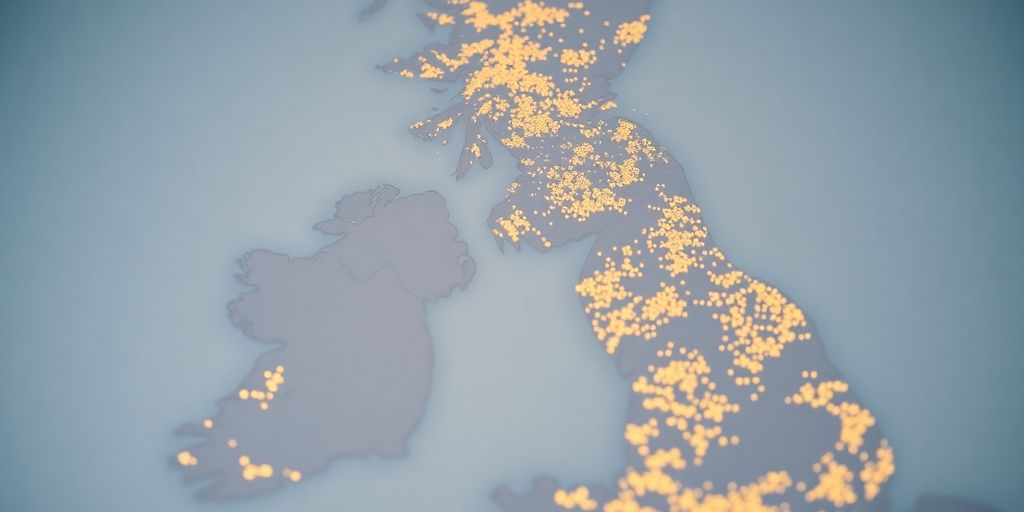
Okay, so how many cities are we actually talking about in the UK? As of today, it’s a bit of a moving target, but generally, we’re looking at 76 officially recognized cities city status. This number can fluctuate because city status is granted (and theoretically, revoked) by the Crown. It’s not just about population size; there’s history and tradition involved, which we’ll get into later. For now, just remember that 76 is the number to keep in mind.
Distribution Across the UK Nations
It’s not evenly spread, that’s for sure. England has the lion’s share, with a whole bunch of cities. Wales, Scotland, and Northern Ireland have fewer, but each has its own important urban centers. Here’s a rough breakdown:
- England: The most, by far.
- Scotland: A decent number, including historic cities like Edinburgh and Glasgow.
- Wales: A smaller number, but with significant cultural hubs.
- Northern Ireland: Has a few, including Belfast.
Most of the densely populated cities are concentrated in England, with only one city in Northern Ireland and one in Scotland on the list (Belfast and Glasgow).
Recent Additions to the List
Every now and then, a town gets bumped up to city status. It’s a big deal for the place, bringing prestige and potentially boosting the local economy. These additions often coincide with special occasions, like royal jubilees. Keep an eye out; the list could change again soon!
Gaining city status is a competitive process. Towns have to demonstrate their unique character, importance, and contribution to the UK. It’s not just about being big; it’s about having something special to offer.
How Cities Gain Their Status
The Role of Royal Competitions
So, how does a town actually become a city in the UK? It’s not as simple as just having a lot of people. The process often involves applying for city status, usually during royal celebrations or other significant national events. Think jubilees, coronations, or even the Millennium. These competitions are a big deal, and towns put a lot of effort into their bids.
Here’s a simplified view of the application process:
- The town prepares a detailed application showcasing its unique qualities.
- The application is submitted to the Lord Chancellor.
- The Lord Chancellor reviews the applications and makes recommendations to the monarch.
- The monarch, acting on advice, grants city status by issuing Letters Patent.
Notable Jubilee Designations
Jubilees have been particularly important for awarding city status. The Queen’s Golden Jubilee in 2002 and Diamond Jubilee in 2012 saw several towns elevated to cities. These designations aren’t just symbolic; they can bring prestige and economic benefits to the newly crowned cities. For example, during the Millennium celebrations, several towns gained city status, boosting local pride and attracting investment. It’s a chance for towns to shine and be recognized on a national stage.
Criteria Beyond Population Size
While population size is a factor, it’s not the only thing that matters. A town needs to demonstrate a distinct character, historical significance, and civic pride. Other factors considered include:
- A record of good local government.
- A vibrant cultural scene.
- Economic importance to the region.
- A unique identity.
It’s not just about being big; it’s about having something special to offer. The Home Office has stated that city status is only recommended for towns of the first rank in population, size, and importance, and having a distinctive character and identity of their own. It’s about showing that the town is more than just a collection of houses and shops; it’s a place with a soul and a story to tell. The letters patent are the official documents conferring city status.
Cities That Lost and Regained Status
Historical Instances of Status Loss
City status in the UK isn’t always permanent. Throughout history, several towns and boroughs have, for various reasons, seen their city status revoked or lapse. This could happen due to local government reforms, changes in administrative structures, or even historical oversights. The Municipal Corporations (Ireland) Act 1840, for example, led to the abolition of some corporate bodies, which in turn affected the city status of some ancient cities. However, in many cases, steps were taken to restore their status through the issuance of letters patent.
The Cases of Rochester, St. David’s, and Armagh
Several specific examples illustrate this ebb and flow of city status. Rochester is one such case; it lost its city status at one point due to administrative changes. St. David’s also experienced a period where it wasn’t officially recognized as a city, despite its historical significance as a religious center. Armagh, in Northern Ireland, presents another interesting case, reflecting the complexities of city status across the different nations of the UK. St. David’s lost the status in 1886, but it was restored in 1994.
Reinstatement of City Privileges
Fortunately, the loss of city status isn’t always the end of the story. Many towns and boroughs have successfully campaigned to have their city status reinstated. This often involves demonstrating their historical importance, cultural significance, or their role as a regional hub. The process usually requires applying for a new letters patent, which is granted by the Crown. The restoration of city privileges underscores the enduring value placed on this recognition within the UK.
The holding of city status brings no special benefits other than the right to be called a city. All cities where a local government unit that holds that status is abolished have to be re-issued with letters patent reconfirming city status following local government reorganisation where that holder has been abolished.
Population Dynamics of UK Cities
Largest Urban Agglomerations
Okay, so when we talk about the size of UK cities, it’s easy to get caught up in administrative boundaries. But what about the actual sprawl of urban areas? That’s where "urban agglomerations" come in. These are basically continuous built-up areas, regardless of local government lines. London is by far the biggest, but after that, things get interesting.
Here’s a quick look at some of the largest:
- London
- Manchester
- Birmingham
- Leeds/Bradford
London’s Dominance in Population
Let’s be real, London is a beast. It’s not just the capital; it’s a population center unlike anything else in the UK. The UK population is heavily concentrated in London. You could combine the populations of the next few largest cities, and they still wouldn’t touch London’s numbers. This has huge implications for everything from housing to transport to the economy. It’s a magnet, pulling in people from all over the country and the world.
Regional Population Concentrations
While London hogs a lot of the spotlight, it’s important to remember that the UK has other significant population hubs. The Midlands, with cities like Birmingham and Leicester, form a major area of concentration. The North West, including Manchester and Liverpool, is another. And then you’ve got the central belt of Scotland, with Glasgow and Edinburgh. These regional concentrations have their own distinct identities and challenges.
It’s interesting to see how population density affects everything from local economies to cultural identities. Each region has its own unique character shaped by the people who live there.
Beyond Official Designation: Urban Areas
Defining Urban Agglomerations
Okay, so we’ve talked a lot about what makes a city officially a city in the UK. But what about those areas that feel like cities, act like cities, but don’t have that official designation? That’s where the idea of urban areas or urban agglomerations comes in. These are basically continuous built-up areas, regardless of local authority boundaries. Think of it like this: if you can walk from one place to another without really leaving buildings and roads, you’re probably in the same urban area. The Rural Urban Classification helps to distinguish between these areas.
Major Towns Without City Status
There are quite a few towns in the UK that are bigger and more bustling than some of the officially recognized cities. These towns often have significant economic and cultural importance, even without the city title. Why haven’t they become cities? Well, it often comes down to historical reasons, or they might not have applied for city status when the opportunity arose. Here are a few examples:
- Reading
- Milton Keynes
- Northampton
- Bournemouth
The Distinction Between City and Urban Area
So, what’s the real difference? City status is a formal recognition, often granted by the Crown, while an urban area is a geographical description based on population density and built-up environment. You can have a large urban area that contains several cities and towns, or a city that only covers a small part of a larger urban area. It’s all about how you define the boundaries.
It’s easy to get caught up in the official labels, but at the end of the day, what really matters is the vibrancy and character of a place. Whether it’s officially a city or not, a thriving urban area contributes to the overall richness of the UK.
Wrapping Things Up
So, we’ve gone through the whole city status thing in the UK. It’s not just about how big a place is or if it has a cathedral anymore. The monarch gives out city status, and that’s the official word. We saw how some places lost their status and then got it back, which is pretty interesting. And with new cities being named fairly recently, the number can change. It’s a mix of history and modern decisions that shapes this list. Knowing the official count helps us understand the UK’s geography a bit better.
Frequently Asked Questions
What makes a place a “city” in the UK?
Being a city in the UK isn’t just about how many people live there. It’s a special title given by the King or Queen, usually through a formal document called a Royal Charter. This tradition goes way back in history.
How many official cities are there in the UK?
Right now, there are 76 official cities in the UK. This number has grown over time, especially with new cities being named to celebrate important royal events.
Which is the largest city in the UK by population?
London is by far the biggest city in the UK when you look at its population. It’s much larger than any other city, even the next biggest ones like Manchester or Birmingham.
Are there any big towns in the UK that aren’t cities?
Yes, sometimes towns that are very large or important, like Reading or Northampton, don’t have city status. This is because city status is a special honor, not just based on how big a place is.
Can a city lose its city status?
A few places, like Rochester, lost their city status in the past because they didn’t follow certain rules, but some, like St. David’s and Armagh, got it back later. This shows that city status can change over time.
How do new cities get their status?
New cities are often chosen during special royal celebrations, like jubilees. Towns compete for this honor, and the King or Queen picks the winners. It’s a way to recognize important places across the UK.
Share

Peyman Khosravani
Industry Expert & Contributor
Peyman Khosravani is a global blockchain and digital transformation expert with a passion for marketing, futuristic ideas, analytics insights, startup businesses, and effective communications. He has extensive experience in blockchain and DeFi projects and is committed to using technology to bring justice and fairness to society and promote freedom. Peyman has worked with international organisations to improve digital transformation strategies and data-gathering strategies that help identify customer touchpoints and sources of data that tell the story of what is happening. With his expertise in blockchain, digital transformation, marketing, analytics insights, startup businesses, and effective communications, Peyman is dedicated to helping businesses succeed in the digital age. He believes that technology can be used as a tool for positive change in the world.


