


business resources
How Modern Security Cameras Help Protect Your Home and Outdoor Spaces
25 Nov 2026

Home security has become an important consideration for homeowners who want to protect their families, property, and personal belongings. With technology advancing rapidly, monitoring a property is now easier and more convenient than ever. Installing outdoor security cameras allows homeowners to keep an eye on entrances, gardens, driveways, and other exposed areas, even when they are away. Modern surveillance solutions offer useful features that make everyday property monitoring more manageable.
Choosing the right security cameras can also help create a more complete home protection system. Instead of relying entirely on traditional locks and alarms, homeowners can use cameras to observe activity around their property and receive alerts when something unusual happens. Whether someone lives in a detached house, an apartment, or a property with a large outdoor area, selecting suitable monitoring equipment can make a meaningful difference.
Why Outdoor Home Security Matters
The exterior of a property is often the first area that needs attention when planning a home security system. Front doors, backyards, garages, side entrances, and driveways can all become potential access points. Without proper monitoring, homeowners may not know what is happening around these locations when they are inside or away from home.
Outdoor surveillance cameras provide an additional layer of awareness. They allow residents to view different areas of their property and check recorded footage when necessary. This can be particularly useful for identifying unexpected visitors, monitoring deliveries, and keeping track of general activity.
Another advantage is the sense of reassurance that comes with being able to check outdoor surroundings remotely. Rather than physically inspecting every area, homeowners can use compatible mobile applications to view camera feeds from their smartphones.
Important Features to Consider When Choosing a Camera
Not every surveillance camera offers the same capabilities. Before purchasing a system, it is worth understanding which features are most relevant to a property's layout and security requirements.
Video Quality: Clear video footage makes it easier to recognize people, objects, and activities. Higher-resolution cameras can capture more visual detail, which is particularly useful when monitoring larger outdoor spaces.
Night Vision: Security concerns do not disappear after sunset. Cameras with infrared night vision can help homeowners monitor areas in low-light conditions. This feature is especially valuable for driveways, entrances, and poorly illuminated outdoor spaces.
Weather Resistance: Outdoor equipment must withstand changing environmental conditions. Rain, dust, humidity, and temperature fluctuations can affect electronic devices. Choosing a camera designed for outdoor installation helps ensure reliable operation in different weather conditions.
Motion Detection: Motion detection allows cameras to identify movement within their monitored areas. Depending on the model, users may receive notifications when activity is detected, helping them respond more quickly to unexpected situations.
Remote Monitoring: Smartphone connectivity makes modern surveillance systems more convenient. Homeowners can check live footage, review recordings, and manage certain camera settings without being physically present.
Wireless or Wired Cameras: Which Is Better?
One of the first decisions homeowners face is whether to choose a wired or wireless surveillance system. Both options have advantages, and the right choice depends on the property's structure and installation requirements.
Wireless cameras are popular because they generally offer greater flexibility during installation. They can be positioned in different locations without requiring extensive cable routing. Battery-powered models may also include solar charging options, reducing the need for frequent manual charging.
Wired cameras, on the other hand, can provide a suitable solution for permanent installations. Power over Ethernet (PoE) systems combine power and data transmission through a single cable, which can simplify certain professional installations.
Homeowners should consider their internet connection, available power sources, preferred installation locations, and maintenance expectations before making a decision.
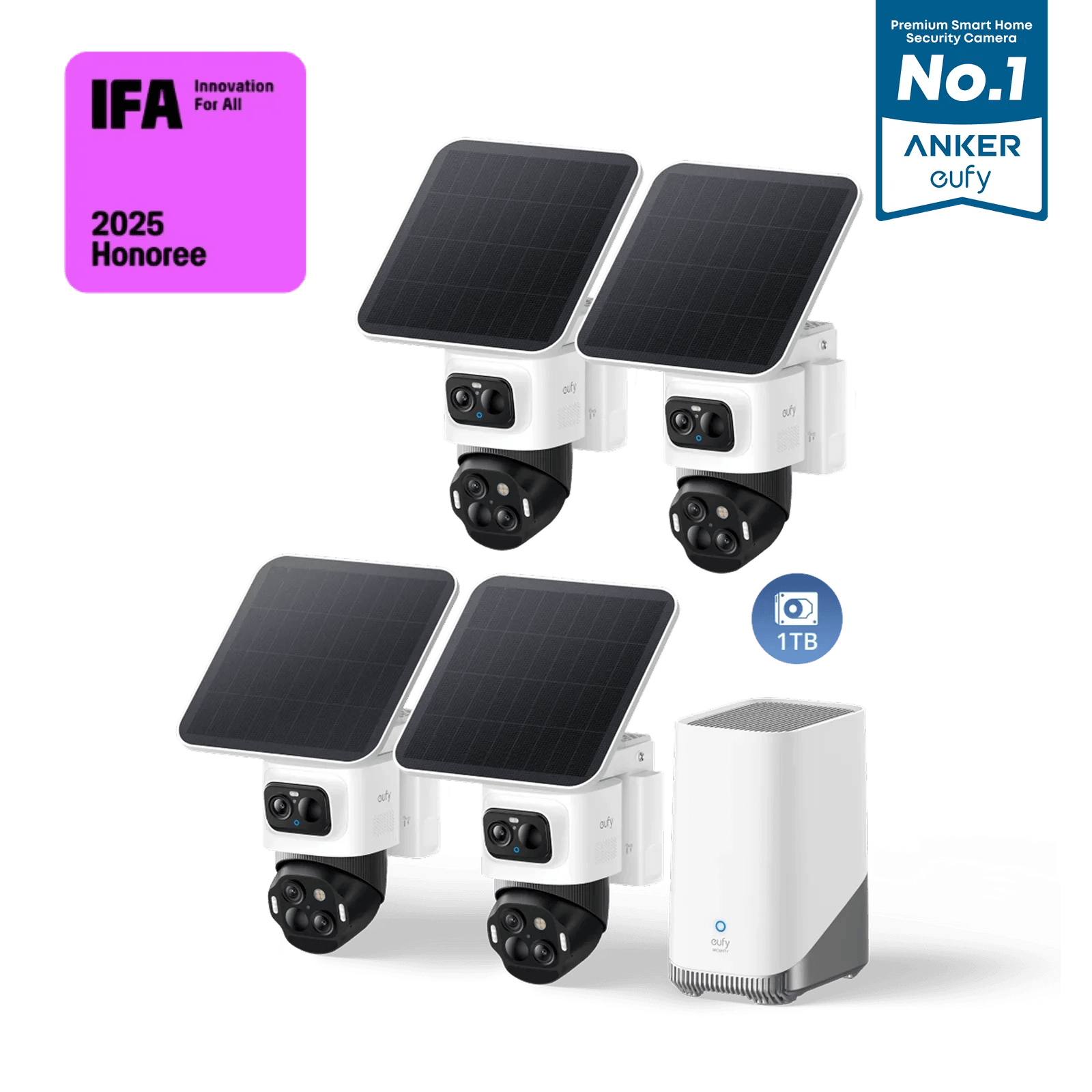
Creating Better Coverage Around Your Property
A reliable surveillance setup requires more than simply purchasing a high-quality camera. Placement is equally important because even advanced equipment cannot monitor areas outside its field of view.
Start by identifying the most important locations around the property. Front and rear entrances are usually sensible starting points. Driveways, garages, garden gates, and accessible windows may also deserve attention.
Camera positioning should provide a clear view without unnecessary obstructions. Trees, walls, decorative structures, and outdoor furniture can interfere with coverage. It is also important to avoid pointing cameras directly toward bright light sources, as glare may reduce image clarity.
For larger properties, using multiple cameras can help reduce blind spots. However, the goal should be practical coverage rather than installing equipment in every available location.
Homeowners should also consider privacy when positioning surveillance devices. Cameras should focus on their own property and avoid unnecessarily recording neighbours' private spaces.
Smart Technology Makes Monitoring Easier
Modern home surveillance systems increasingly offer features that simplify everyday monitoring. Smartphone applications, motion notifications, cloud storage options, and local recording capabilities can help users manage their security equipment more conveniently.
Some systems also support intelligent detection features that distinguish between different types of movement. Depending on the model, this may help reduce unnecessary notifications caused by environmental activity.
Storage is another important consideration. Some homeowners prefer local storage because it allows them to keep recordings on compatible devices, while others may prefer cloud-based options for remote access and additional flexibility.
Before choosing a system, check its storage requirements, subscription policies, internet compatibility, and recording capabilities. Understanding these details beforehand can prevent unexpected expenses later.
Maintaining Your Security Camera System
Regular maintenance helps keep surveillance equipment functioning properly. Outdoor cameras can collect dust, water marks, and other debris that affect image quality. Cleaning camera lenses periodically with an appropriate soft cloth can help maintain clear footage.
It is also useful to inspect mounting brackets, power connections, and network connectivity from time to time. Wireless camera owners should monitor battery levels and ensure that solar panels, where available, receive sufficient sunlight.
Software and firmware updates should not be ignored either. Manufacturers may release updates that improve performance, address security vulnerabilities, or introduce additional functionality.
Finally, homeowners should periodically review their camera settings and recording schedules to ensure that the system continues to meet their requirements.
Making a Practical Investment in Home Protection
Investing in a home surveillance system does not necessarily mean choosing the most expensive equipment available. A practical setup should match the property's size, layout, environmental conditions, and individual monitoring needs.
For some homeowners, a single camera covering the front entrance may be sufficient. Others may benefit from a combination of outdoor cameras, indoor monitoring devices, and additional recording equipment.
Taking time to compare available features, installation requirements, and long-term operating costs can help buyers make an informed decision. With appropriate placement and regular maintenance, a well-planned surveillance system can become a valuable part of everyday home management.
Frequently Asked Questions
1. Are outdoor security cameras suitable for all weather conditions?
Many outdoor cameras are designed with weather-resistant construction. However, buyers should check the specific weatherproof rating and operating temperature range before installing a camera in an exposed location.
2. Can I monitor my security cameras while away from home?
Yes. Many modern systems support remote viewing through compatible smartphone applications. An internet connection and appropriate device configuration are generally required.
3. Do wireless security cameras need constant charging?
Not necessarily. Battery-powered models may require periodic charging, while certain models support solar charging accessories that help maintain battery levels.
4. Is night vision important for outdoor surveillance?
Yes. Night vision helps cameras capture activity in low-light environments, making it useful for monitoring entrances, gardens, and driveways after dark.
5. How many cameras does an average home need?
The number depends on the property's size, layout, and monitoring requirements. Homeowners should prioritize important access points and identify potential blind spots before deciding how many cameras to install.


