


Trader Education, Trading Strategies & Tech, resources
How Precision Veterinary Scales Prevent Error
08 Jul 2026

Medical track records in animal clinics heavily rely on exact calculations. Small deviations can lead to major complications during treatments or routine checkups. Consistent tracking prevents these diagnostic mistakes before they impact treatment.
Maintaining precise instruments helps veterinary teams deliver top-tier care. Accurate measurements form the foundation of safe clinical practices every single day. Practitioners rely on these foundational tools to guide their clinical decisions.
Tracking Accurate Weight Trends
Regular checkups track minor changes in an animal’s physical condition. Monitoring these shifts helps catch hidden health issues before they become severe. Small changes often indicate larger underlying physiological developments.
Veterinary teams rely on high-grade equipment to monitor patient developments. Finding dependable vet scales protects clinics from recording incorrect physical data during appointments. This careful tracking system keeps medical records clean and dependable.
Sudden changes in mass often signal underlying metabolic problems. Subtle shifts require precise monitoring to prevent dangerous oversight. Early detection through proper metrics improves patient recovery times.
Managing Medication Dosages Safely
Pharmaceuticals require precision down to the exact milligram. A slight miscalculation can alter the effectiveness of a prescribed treatment. Tiny patients face extreme sensitivity to even minor volume adjustments.
Small animals face high risks when given incorrect prescriptions. Veterinary staff must verify measurements before preparing any liquid or pill therapies. Double-checking these figures reduces clinical liabilities significantly.
Proper dosing protects internal organs from toxic overload. Safety limits remain tight for companion animals receiving daily medical care. Caregivers must maintain exact standards to protect vulnerable patients.
Monitoring Controlled Substance Inventory
Regulatory compliance demands strict record-keeping for specific clinic pharmaceuticals. Government agencies inspect these logs to verify that materials match reported quantities. Discrepancies can lead to severe fines or legal issues.
A leading veterinary association highlights that mass measurement represents the most reliable method for maintaining legal pharmacy logs. This rigid approach fulfills strict federal requirements regarding internal tracking. Auditors demand clear evidence of regular compliance audits.
Discrepancies can trigger severe penalties for a practice. Digital tools help staff track every fraction of a gram without manual errors. Automated tracking systems secure the pharmacy locker from internal loss.
Handling Active Animal Patients
Pets rarely remain completely still during an evaluation. Movement creates fluctuating numbers on standard measurement platforms. Nervous behavior makes gathering clean data difficult for technicians.
Modern medical platforms solve this issue by integrating specialized software. An industry report notes that dynamic weighing features calculate the average force of a moving animal over a set timeframe. This specialized feature eliminates the need for manual guesswork during exams.
This advanced feature brings several key benefits to busy practitioners. Specialized tools streamline clinical workflows during hectic hours.
- It filters out sudden paw steps.
- It stabilizes the readout screen quickly.
- It reduces stress for nervous pets.
Maintaining Equipment Calibration
Internal mechanisms shift over extended periods of heavy use. Regular adjustments keep internal sensors aligned with standard test weights. Heavy objects can slowly warp components over months of operation.
A manufacturing guide explains that unexpected mass adjustments without physical changes usually point to equipment issues rather than pet health. Staff must notice these discrepancies to prevent flawed data collection. Ignoring these warning signs leads to systematic errors.
Scheduled testing prevents minor sensor drift from affecting daily operations. Consistent maintenance schedules protect clinic credibility. Regular servicing keeps tools performing at their peak levels.
Improving Long-Term Health Plans
Chronic conditions require steady management over months or years. Diet adjustments rely on tracking tiny shifts in body mass. Medical treatments change based on these micro adjustments.
Precise data allows veterinarians to customize recovery programs effectively. Owners feel confident when they see clear numerical progress. Visual proof strengthens compliance with home care instructions.
Consistent monitoring helps maintain stable conditions for aging patients. Every fraction of a pound matters when evaluating fragile animals. Long-term wellness depends on highly structured record-keeping.
Reducing Diagnostic Assessment Risks
Diagnostics depend heavily on baseline body measurements. Confusing data can lead a practitioner down the wrong path during testing. Accurate baselines allow teams to evaluate true health changes.
Misinterpreting a patient’s physical state creates unnecessary delays in treatment. Correcting initial numbers saves valuable time during critical situations. Swift interventions require solid metrics from the start.
Teams minimize risk by cross-checking suspicious readouts immediately. Verification protocols keep clinical operations running smoothly. Reliable infrastructure prevents errors before they reach the patient.
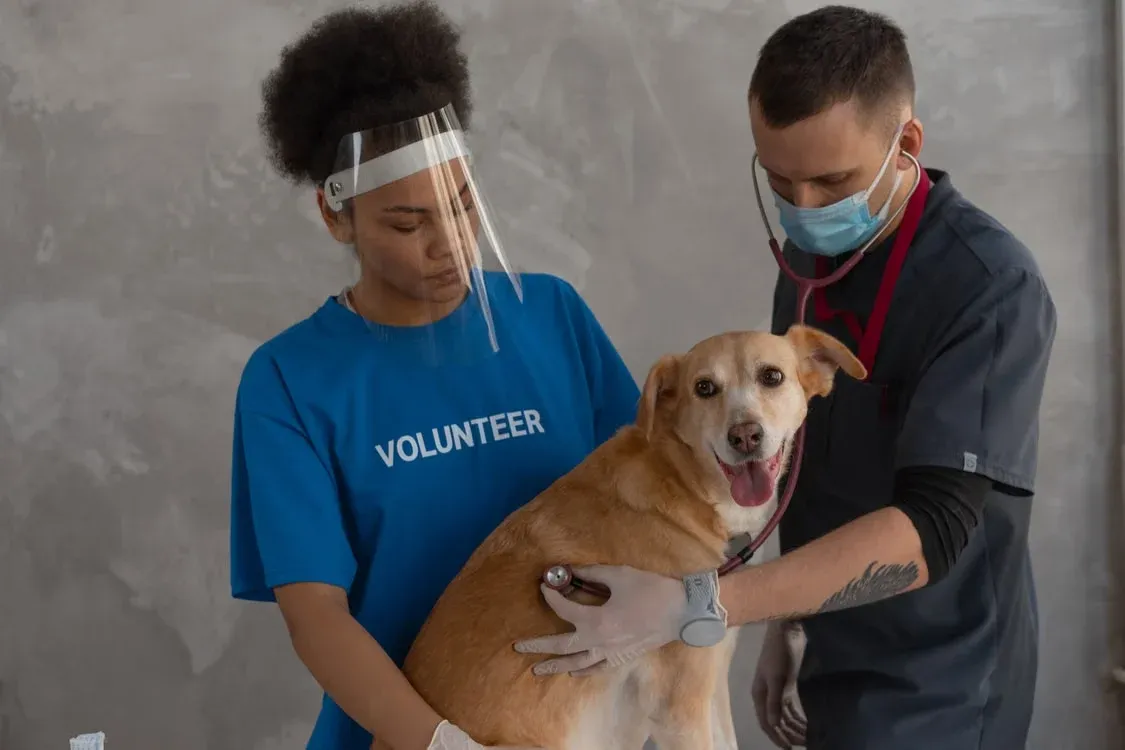
Eliminating measurement mistakes protects animal patients from incorrect clinical decisions. Reliable clinic tools support high standards of daily veterinary medicine. Consistent data gathering yields safer outcomes for everyone involved.
Investing time in equipment upkeep safeguards the entire practice. Clean data leads to better health outcomes for every animal. Professional teams prioritize precision to maintain excellent care standards.


