
business resources
How Simplicity Is Driving New Demand In The Consumer Tech Market
19 Jan 2026

Simplicity is fast becoming a smart growth strategy for brands that want loyal customers, lower support costs and real word-of-mouth instead of hype. Take a closer look at devices built around one clear promise: easy to use, every day, without stress.
A flip phone for seniors may not make headlines like a foldable flagship, but it quietly answers a real need and sells on clarity, not confusion. It is one of the clearest examples of how cutting features, not adding them, can unlock new demand in a market that looks saturated at first glance.
Why Simplicity Is Back in Demand
You see it in your own life. There are apps you no longer update, settings you no longer touch and features you never use. At some point, the energy it takes to “figure things out” is no longer worth it.
Many consumers reached that point with their phones and other devices. They want technology that works out of the box without a long setup, has clear buttons and menus instead of hidden options, and does the basics well (calling, texting, photos, maybe one or two extras).
This is where simple devices stand out. They remove the fear of “breaking something,” and they remove the feeling that you are always one wrong tap away from a problem. For older adults and less tech-confident users, that sense of safety matters more than another camera lens.
The Opportunity in Legacy Users
Legacy users are not stuck in the past. They simply care more about reliability and comfort than about novelty. That applies to seniors, but also to busy professionals who are tired of constant notifications, or parents who want a safe first phone for a child.
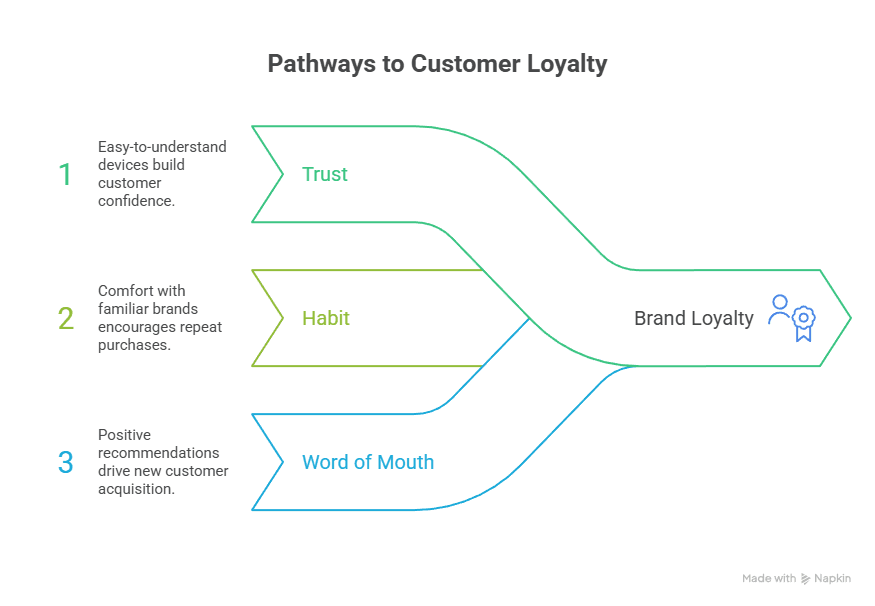
Brands that design for this group tap into three strong drivers:
- Trust: A device that is easy to understand feels more trustworthy
- Habit: Once someone is comfortable, they stick with the same brand and model line
- Word of mouth: People recommend products that make them feel smart, not confused
The market for “less” is wider than it looks. It includes people who used smartphones for years but now want fewer distractions, as well as people who never felt at home with complex menus and app stores in the first place.
What Makes “Simple Tech” Work
Simple products are not just stripped-down versions of complex ones. The successful ones are designed from the ground up with clear priorities.
They tend to share a few key traits:
- Physical clarity: Big buttons, readable fonts, strong contrast on screens
- Predictable behavior: Calls go through, messages send, battery lasts for days
- Limited features on purpose: A few things done well, without confusing “extras”
Support is part of the product too. A short manual, a clear quick-start guide tucked into the box and a phone support line with friendly agents matter just as much as the device itself. When a user knows they can ask a human for help, they are more willing to try something new.
The Cost of Feature Bloat
On the other side, feature-heavy devices carry a hidden cost. Each extra app, setting, and mode makes it harder for someone to feel confident.
That cost shows up as longer purchase decisions because the buyer is unsure, higher return rates when users feel overwhelmed, and more support tickets for basic “how do I…” questions.
Every extra feature has to earn its place. If it does not help a clear group of users at a clear moment, it becomes noise. Over time, that noise pushes cautious buyers away and leaves brands fighting over the same tech-savvy crowd.
Why Seniors Are a Growth Engine
Seniors are often treated as an afterthought in tech, but they are one of the most loyal segments once they find something that works for them. They also tend to buy for longer periods, replacing devices only when they really have to.
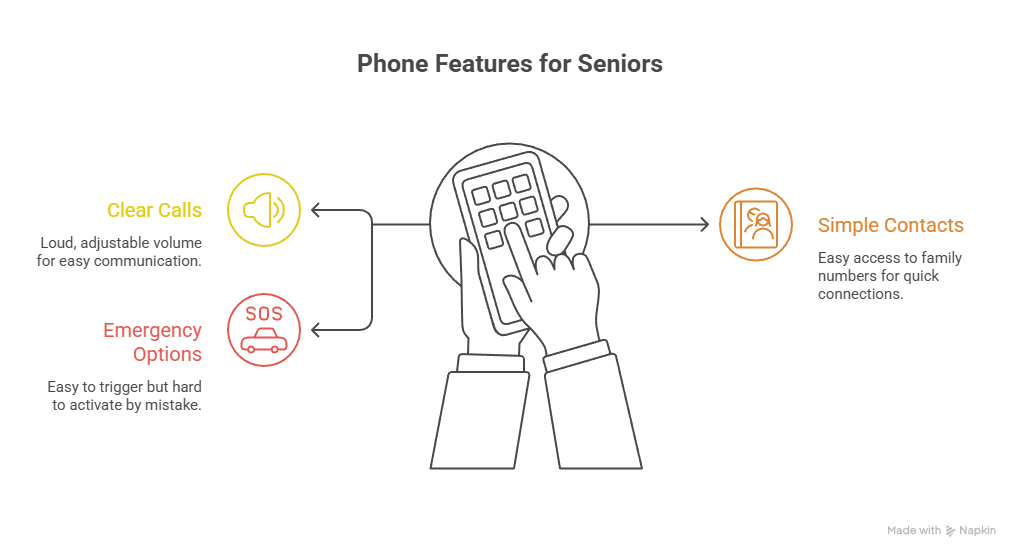
A good device for older adults needs to respect their time and their habits. That means:
- Clear calls and loud, adjustable volume
- Simple contacts management, so family numbers are easy to reach
- Emergency options that are easy to trigger but hard to activate by mistake
For legacy users and seniors, the most valuable innovations are often better battery life (so they charge less often), stronger durability (so a drop is not a disaster), and smarter safety features, like fall detection or location sharing with consent.
When these details are done well, you do not just sell a device. You sell peace of mind for the user and for their family members, who often influence the purchase.
Simplicity as Long-Term Advantage
Consumer tech moves quickly, but user needs do not change as fast as product cycles. People still want to feel in control. They still want to trust the tools they use every day.
Brands that honor that desire with detailed devices, clear language, and honest support build relationships that outlast any single model. Over time, that trust turns into repeat business, referrals, and a reputation for being on the user’s side.


