


business resources
How Small Businesses Can Optimize Physical Space
22 May 2026

A successful small company must know how to manage physical assets with great care. Office square footage represents an ongoing expense for expanding teams. Crowded desks and packed inventory shelves hurt daily productivity.
Maximizing every square meter helps employees work faster. Smart layout adjustments transform a cramped footprint into an efficient workspace. Find creative ways to free up floor area and scale without moving buildings.
Finding Extra Room Outside The Main Office
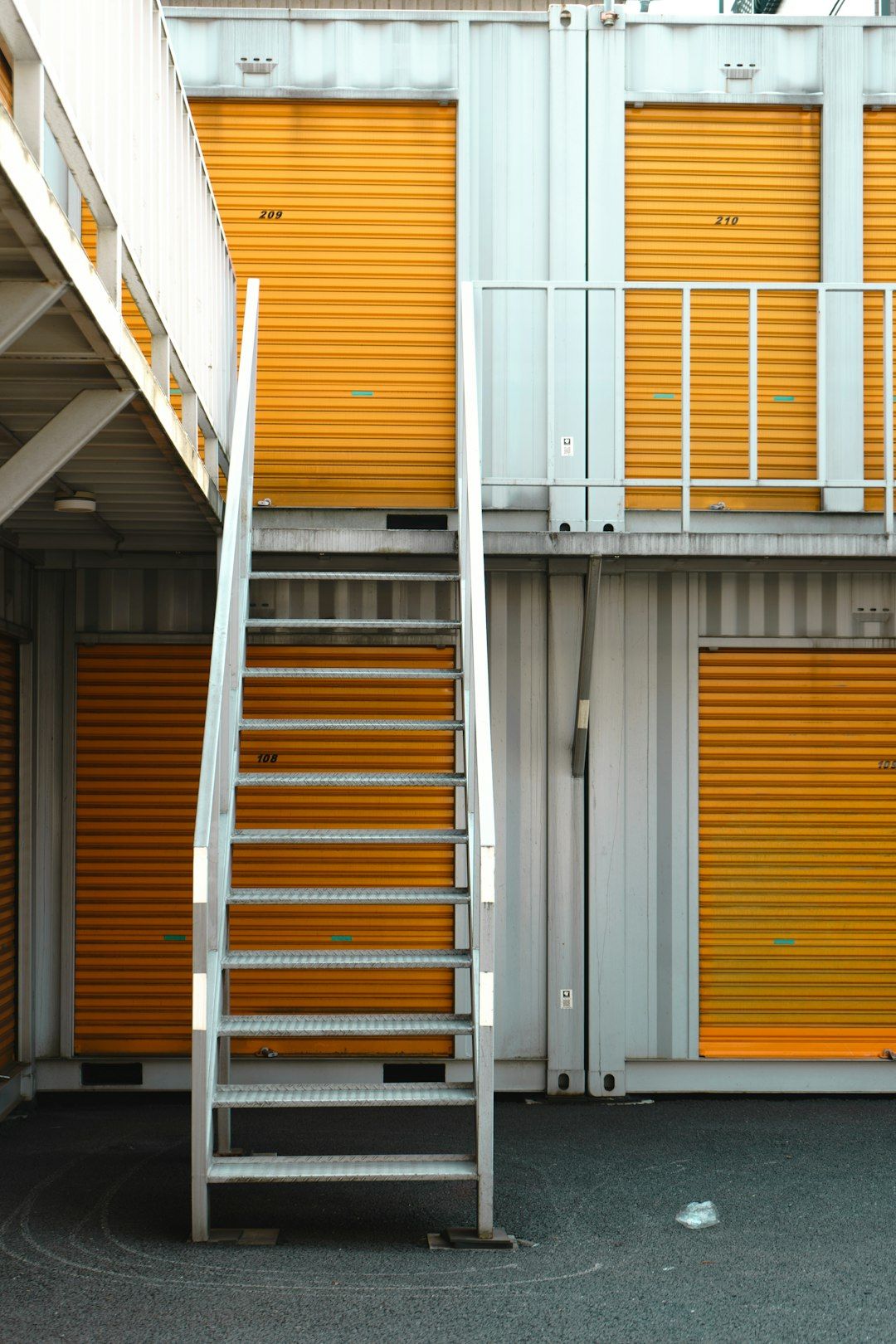
Cluttered environments slow down daily operations and increase staff stress levels. Renting off-site storage options like AllSecure Christchurch storage units offers a reliable way to clear out seasonal gear and still have access to necessary equipment. Keeping slow-moving items in a separate location keeps the primary office clean.
Off-site storage provides an affordable alternative to commercial relocation. Businesses store archives, extra inventory, or office furniture safely. Security features protect valuable company property around the clock. Having a secondary space keeps clutter away from consumer-facing areas.
The Broader Commercial Storage Market
The need for external square footage extends across multiple modern commercial sectors. Market data shows the global self-storage sector held a valuation of $60.1 billion in 2024, with expectations to reach $89.7 billion by 2033 as organizations look for flexible options. The use of external facilities helps companies adapt to market demands.
Small enterprises avoid long-term commercial leases with these scalable spaces. Paying only for the required space keeps operational budgets predictable. Owners can scale storage needs up or down throughout the year. Leasing smaller units keeps extra capital available for core business development goals.
Analyzing Current Workspace Utilization Rates
Many managers assume they need a larger building before looking at actual usage data. Most corporate offices operate at only 60 to 70 percent capacity even during peak hours. Empty desks and quiet conference rooms waste premium real estate. Tracking how employees interact with their surroundings highlights major layout inefficiencies.
Gathering data helps leaders make better adjustments to floor plans. Redesigning underutilized zones creates flexible meeting areas or hot-desking setups. Teams collaborate better when spatial design matches daily workflows. Small changes lower overhead costs and maximize the current layout.
Designing Better Retail And Pickup Zones
Buy-online-pick-up-in-store areas represent a major revenue driver this year. Retailers frequently treat these collection spots as quick afterthoughts, causing major bottlenecks near the front entrance. Dedicating a specific counter for order retrieval streamlines foot traffic.
Clear signage directs visitors straight to their pickup packages. Keeping collection lines separate protects the main sales floor for browsing customers. Staff members fulfill orders faster when retrieval zones are organized. Happy customers appreciate quick service during busy times.
Practical Strategies For Maximizing Floor Space
Implementing structural layout updates delivers substantial improvements in employee workflows. Simple adjustments prevent inventory from spilling into main walkways. Better organization eliminates hours spent searching for misplaced tools.
Organizations benefit from focusing on vertical storage and furniture arrangements. Clear floors improve safety and elevate workplace morale.
- Install tall shelving units to utilize vertical wall areas
- Choose mobile desks that roll away when meetings finish
- Replace bulky paper files with digital cloud systems
- Group similar tools together to minimize foot travel
- Using these simple techniques clears physical paths for the entire team
Rethinking Inventory Management And Layouts
Excess stock ties up working capital and fills important floor zones. Implementing a strict first-in, first-out method keeps inventory rotating quickly. Auditing stock levels monthly prevents damaged items from occupying shelf space. Warehouse teams can pick orders with fewer errors.
Managers should organize inventory based on product popularity. High-demand items belong near the shipping area for quick access. Slow-moving products fit better on higher shelves or off-site locations. Logical product placement saves time during busy shipping hours.
Using Smart Containers
Selecting proper bins prevents damage and keeps items neatly categorized. With clear plastic tubs, staff can identify contents without opening every lid. Uniform container sizes stack neatly, maximizing vertical shelf capacity. Heavy items belong on bottom shelves to prevent workplace injuries.
Creating Flexible Multi-Use Environments
Fixed floor plans restrict how an enterprise pivots during busy seasons. Creating multi-use zones allows a single room to serve multiple business purposes. A training room easily transforms into a packing station or breakroom. Foldable tables and stackable chairs provide fast transformations when the project needs change.
Employees appreciate adaptable surroundings that fit their immediate tasks. Investing in versatile fixtures saves money on remodeling costs. Companies can reconfigure rooms without hiring contractors. Flexible spaces keep growing organizations agile in commercial markets.
Improving Office Traffic Flow
Poorly arranged furniture slows down daily movement. Mapping employee walking paths highlights where desks block natural pathways. Workers need wide aisles to move around comfortably. Placing shared equipment like printers in central locations saves step counts.
Companies match the efficiency of larger corporations by analyzing floor plans and utilizing off-site options. Proper planning removes clutter and creates a professional environment for staff and visitors.
Smart layouts lower overhead expenses and maximize existing real estate investments. Reviewing space requirements regularly keeps operations running smoothly. Adapting early prevents future structural bottlenecks.


