smart city
How These 10 Cities Are Perfecting the Work-Life Balance Formula
cities, work-life balance, work, life, nordic countries, scandinavia, life & work, disconnect, city
29 Aug 2025

In 2025, 66% of employees are reporting burnout, driven by long working hours, overwhelming job demands, and lack of adequate support systems. But how are cities like Helsinki, Oslo, Copenhagen, and others leading the charge in perfecting work-life balance? What can we learn from their innovative approaches to maintaining well-being in a high-demand world?
When the world went into lockdown during the COVID-19 pandemic, working remotely became the only option for many. Fast forward to 2024, and a study reveals that 69% of remote workers experienced burnout symptoms during the pandemic—a 35% increase from the 51% reported in May 2020.
As remote and hybrid work models continue to thrive in a post-COVID world, employee well-being is now at the forefront of business priorities. In fact, 54% of British workers would even accept a lower-paid job if it meant a better work-life balance.
But what if a city was designed to reduce the chances of burnout and enhance overall livability? What is the secret sauce to a city with a perfect work-life balance? Is it a combination of flexible work policies, robust social services, cultural richness, or access to nature?
Let’s dive into how cities around the world are achieving this balance and what others can learn fro
Helsinki, Finland
Indeed, the capital of Finland serves as an example of what can occur when a city puts its citizens' welfare first. With provisions like substantial parental leave, a robust social safety net, and five weeks of yearly leave, the Finnish workplace culture has succeeded in placing a high emphasis on community, trust, and flexibility.
However, it's essential to highlight that culture plays a bigger role in Helsinki's success than just mere policies. It is therefore because of the city's emphasis on comfort, the outdoors, and interpersonal relationships that life has not usually been overshadowed by work. Helsinki is heaven for professionals looking for balance indeed, its low unemployment rate (7.0%) and high percentage of remote work alternatives (51%) makes it stand out amongst its peers. Moreover:
- Helsinki workers average 7 hours and 44 minutes per day.
- Over 50% of jobs offering flexible or remote options
- The average daily commute is just 41 minutes.
- Employees enjoy five weeks of annual leave, 52 weeks of shared parental leave, and universal healthcare.

Oslo, Norway
As a highlight, Norway’s legislation offers 25 days of annual leave. Moreover, Oslo has been a hub for flexible work arrangements, as well as for a strong emphasis on outdoor living. It is also noteworthy for mentioning the city’s low unemployment rate of just 4.99%.
Indeed, Osloites enjoy both economic stability and time to explore the great outdoors due to the big presence of or proximity to nature in the country. But what really sets Oslo apart is its commitment to gender equality and workplace democracy. Norwegian companies have built a reputation for often choosing to adopt flat hierarchies, where employees can have a voice in decision-making. This culture of respect and collaboration has fostered a sense of belonging and purpose, making work feel less like a chore. Moreover:
- Standard workweek in Norway: 37.5 hours (7.5 hours/day), with 40% extra pay for overtime.
- Maximum 13-hour workday, including overtime, with at least 11 hours rest daily and 35 consecutive hours off weekly.
- Many workplaces offer flexi-time with core hours (typically 9 am to 3 pm), based on trust.
- Friluftsliv, the ‘Norwegian love for the outdoors’ is a key part of Oslo culture

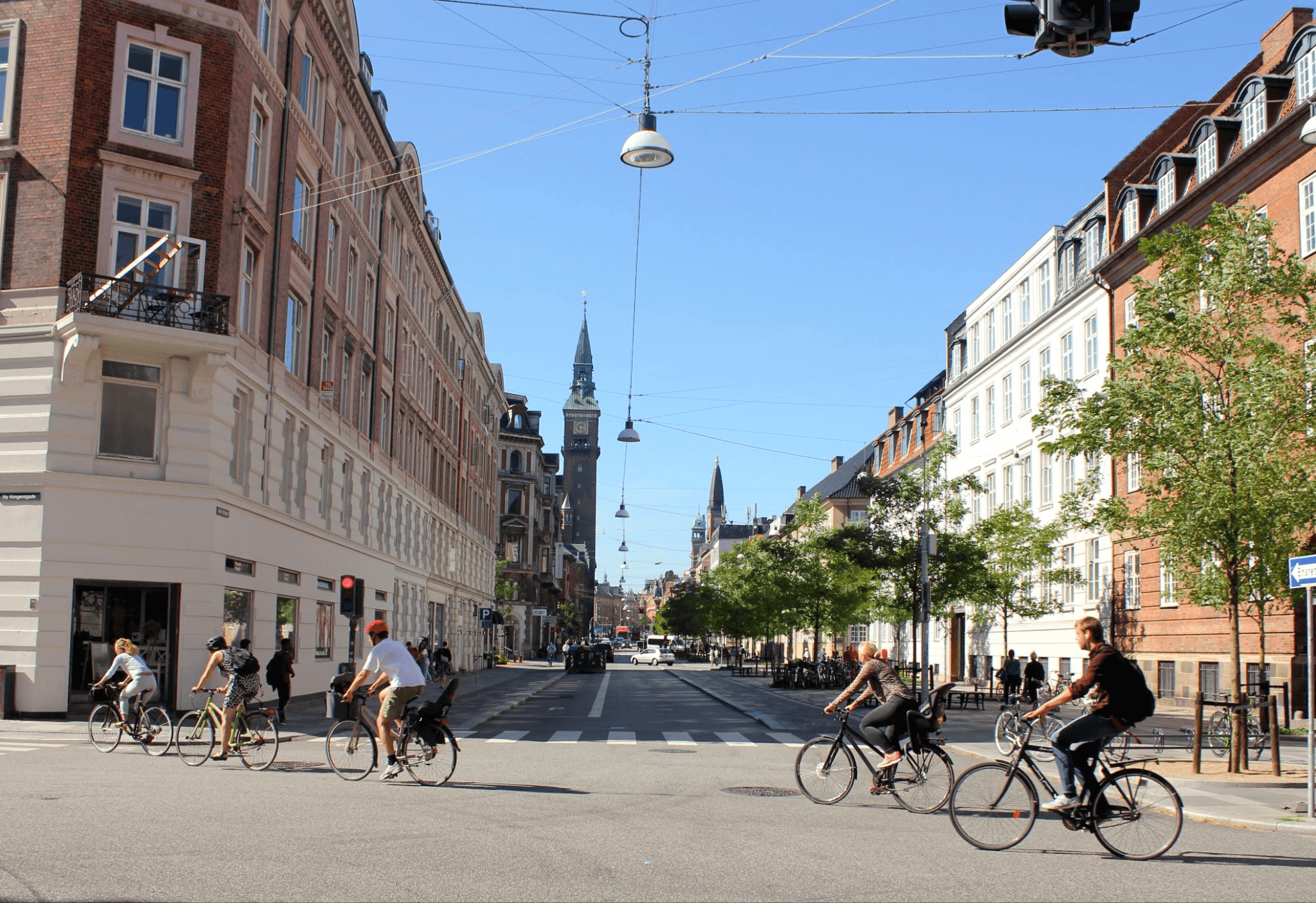
Copenhagen, Denmark
Copenhagen is synonymous with hygge; in brief, this is a Danish concept that mixes cosiness, contentment, and simplicity. Let’s not forget that Denmark is a powerhouse of progressive work policies. Therefore, residents of the city benefit from a 37-hour workweek, up to 52 weeks of shared parental leave, as well as a cultural mindset that values leisure as much as labour.
As Amazing Workplaces notes, Copenhagen’s success lies in its trust-based work culture, where employees are empowered to manage their own time. Moreover:
- Just 2% of workers in Denmark put in long hours, well below the OECD average of 11%.
- Danish full-time workers dedicate 66% of their day to personal time, compared to the OECD’s 63%.
- Thanks to flexible work hours and subsidized daycare, 72% of Danish women work outside their home, significantly higher than the OECD average of 59%.
Stockholm, Sweden
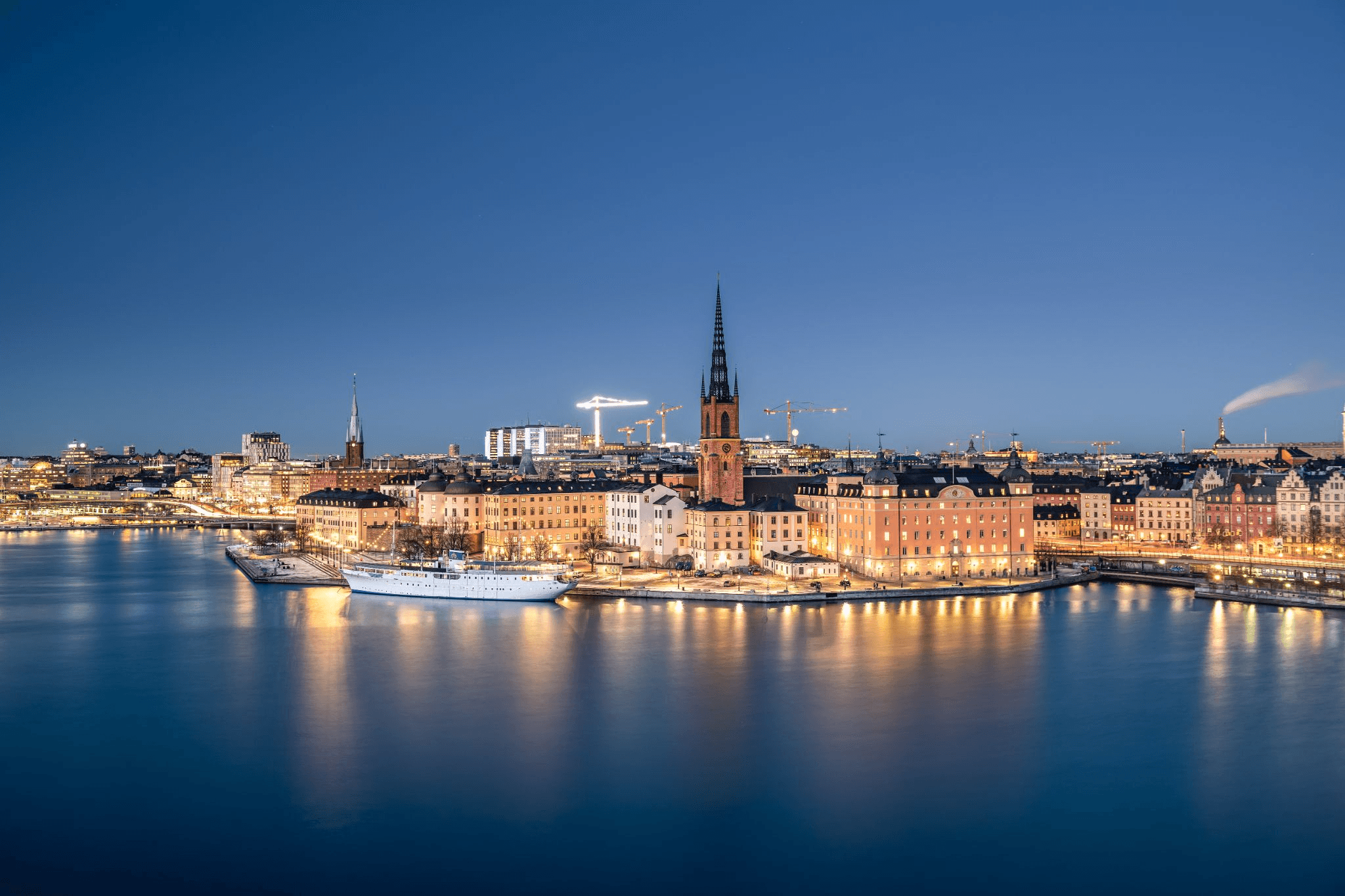
Sweden’s capital is renowned for its tech-driven economy, but it’s the city’s social policies that make it a standout. With 480 days of shared parental leave, Stockholm is a city where families can be relieved because they’re not pressured or forced to choose between careers and children.
Furthermore, the city has also been a leader in flexible work arrangements, with 46% of jobs offering remote or hybrid options. This flexibility allows residents to pursue passions outside of their work. Furthermore:
- Employees in Sweden work 1,441 hours per year, 18% less than the OECD average, with high productivity.
- Schooling for children aged 6-19 is fully tax-financed, including lunches, with compulsory education for ages 6-16.
- Nearly 90% of Swedes aged 25-64 are employed, reflecting a high labour force participation rate.
Ottawa, Canada
With a low unemployment rate (4.8%) and a strong public sector, being the capital of the country, Ottawa has set a foot where residents can have work stability without sacrificing quality of life.
The city has been often ranked as one of the highest in North America in the topic of remote working; this means that residents can spend less time commuting and more time with their family or even pursuing personal hobbies.

Sydney, Australia
Sydney is proof that work-life balance can thrive in a bustling metropolis. Sydney’s 110 sunny days per year (the highest in the ranking) and strong work-life integration create a culture where work doesn’t consume life as much.
The city’s residents have also benefited from flexible work policies, with many of Sydney’s companies embracing hybrid models.

Melbourne, Australia
Melbourne has consolidated as a leader in work-life balance. With 20 days of annual leave, strong labour protections, and a high focus on mental health by local authorities, Melbourne seems to have ensured that its residents can enjoy life without sacrificing their careers.

Brussels, Belgium
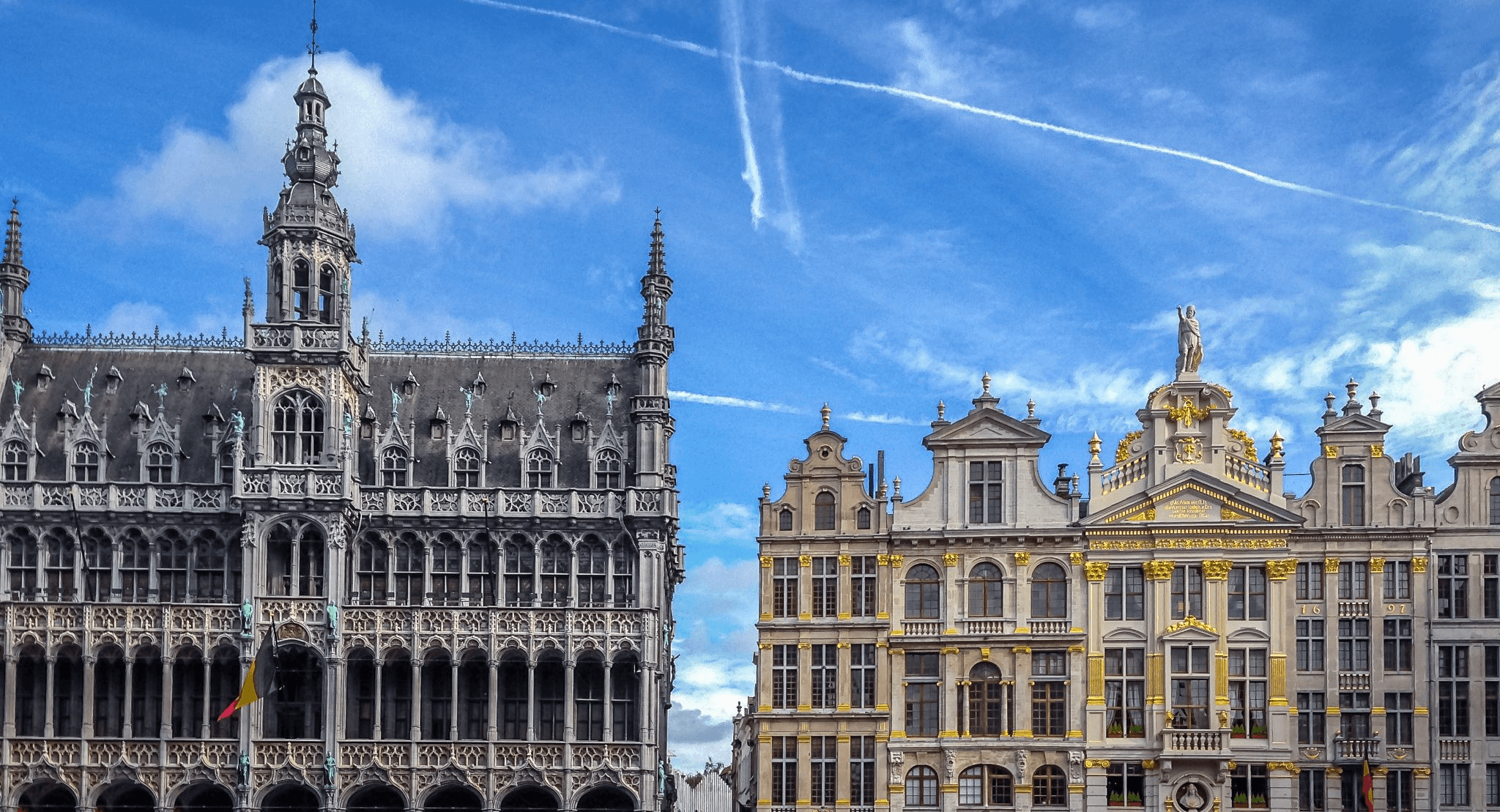
As the major capital of the European Union, Brussels is a melting pot of ideas. Beyond its political importance, Brussels has excelled at work-life balance. This is mainly because of its high standard of living, its extensive leave policies, and even its robust labour laws. Brussels is an ideal location for those who seek to enjoy life outside of work because of its high-quality public transport, reasonably priced healthcare, and 30-day yearly leave. Brussels' appeal is even further increased by the travel and cultural enrichment opportunities that come with being close to other important European cities. Moreover:
- Only 4% of employees in Belgium work long hours, well below the OECD average of 10%, indicating a strong work-life balance.
- Belgian full-time workers spend 65% of their day on personal care and leisure, exceeding the OECD average.
- Over half of Belgians are satisfied with their work-life balance, thanks to policies like the "right to disconnect."
Paris, France
Paris is a leader in work-life balance. France has long set the foot by being a leader of social policies. Indeed, in Paris, the city’s residents benefit from a 35-hour workweek, 30 days of annual leave, and a high concern for work rights. This ensures that Parisians have time to enjoy life’s pleasures.
The city is also a hub for work-life balance because of France’s generous parental leave policies and by being perhaps the world’s or the last century’s capital of culture. Furthermore:
- Since 2017, French employees have the “right to disconnect,” meaning no work-related communications after hours, especially in companies with more than 50 employees.
- Many businesses shut down for extended holidays in summer, allowing employees to fully disconnect.
- Lunch breaks in France are sacred, often lasting up to two hours, allowing employees time to enjoy a leisurely meal and recharge.

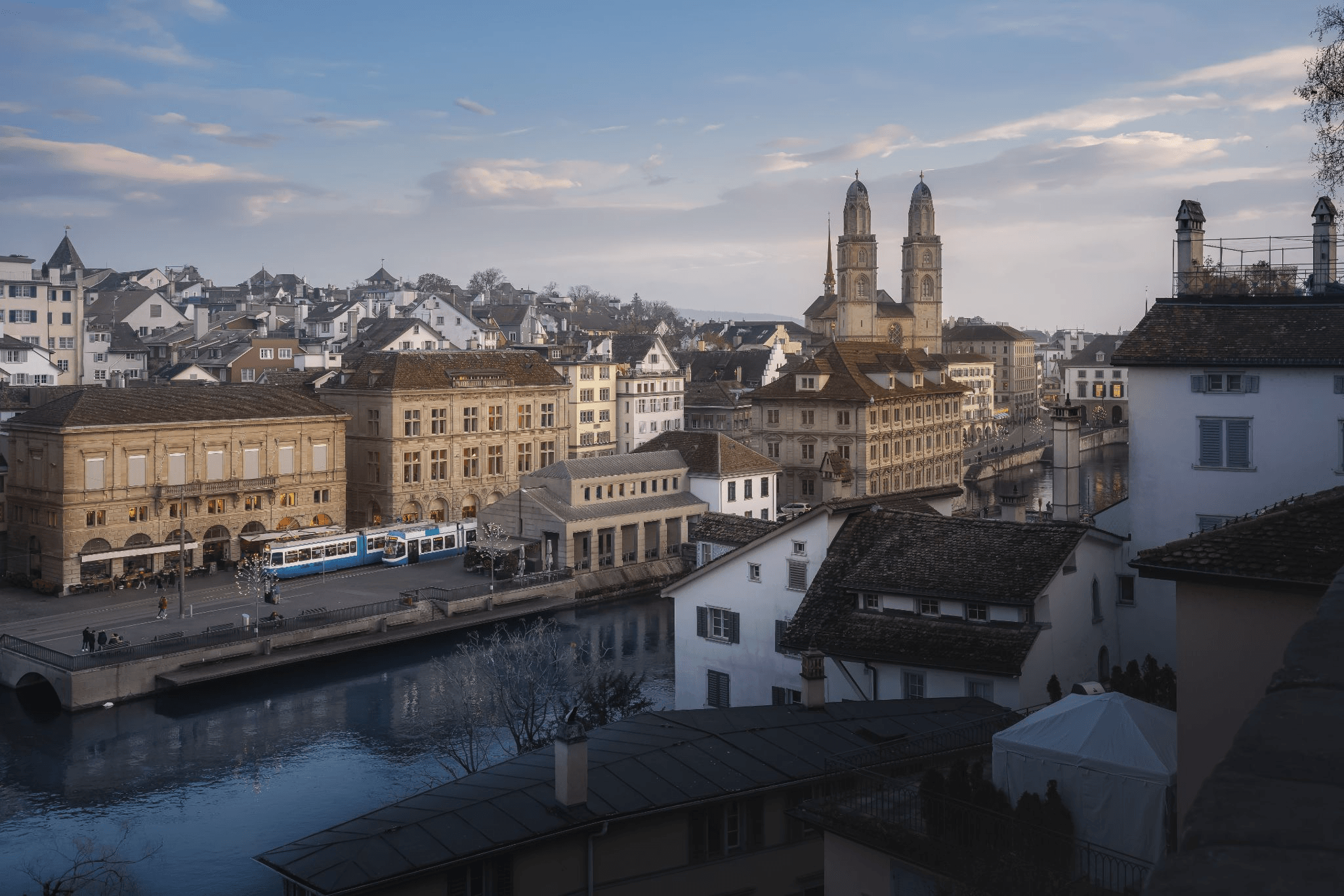
Zürich, Switzerland
Zürich is indeed synonymous with efficiency, wealth, and quality of life. And it is therefore no surprise that Switzerland’s largest city offers high salaries, excellent healthcare, and a great proximity to nature, being located next to the Alps.
Notably, the city thrives on this topic due to its 25 days of annual leave, strong labour protections, and its focus on sustainability. Zürich is a hub city where its residents can enjoy both financial security and personal well-being. The city’s proximity to the Alps also provides endless opportunities for outdoor adventures, from skiing to hiking.
- The average Swiss employee works 1,557 hours per year, below OCDE’s average of 1,752 hours per year.
- Only 0.4% of Swiss employees work very long hours, much lower than the OECD average of 11%.
- Flexible work hours are common across both industrial and commercial sectors.