
resources
How to Approach New Property Opportunities in Dubai
05 Oct 2026

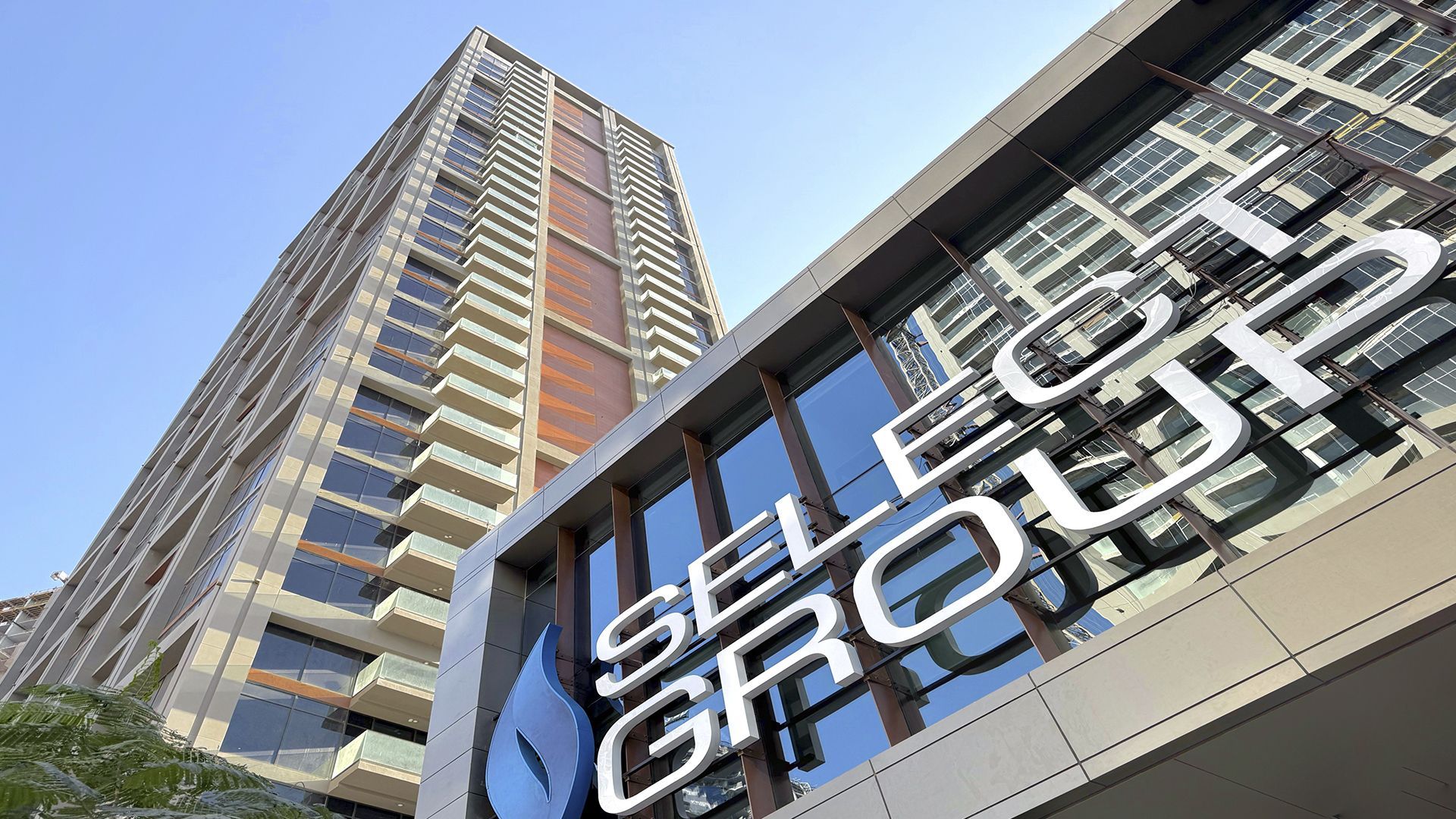
Dubai offers a broad choice of new homes, from central apartments to large master-planned communities. The variety is attractive, but it also makes comparison more difficult because projects can differ in location, payment schedule, delivery date, and long-term costs. Buyers exploring new residential projects in Dubai should begin by defining why they want to buy and how long they expect to hold the property. A clear objective makes it easier to separate a development that simply looks impressive from one that fits a real financial or lifestyle plan.
Location should be assessed in practical terms. Professionals may value a short commute, while families may focus on schools, clinics, supermarkets, and quieter streets. Investors often look at rental demand, future infrastructure, and the amount of competing supply. The same project can therefore suit one buyer and be unsuitable for another.
Total cost is equally important. The purchase price is only part of the budget: registration expenses, service charges, furnishing, financing, maintenance, and possible vacancy can all affect the final result.
What to Check Before Making a Reservation
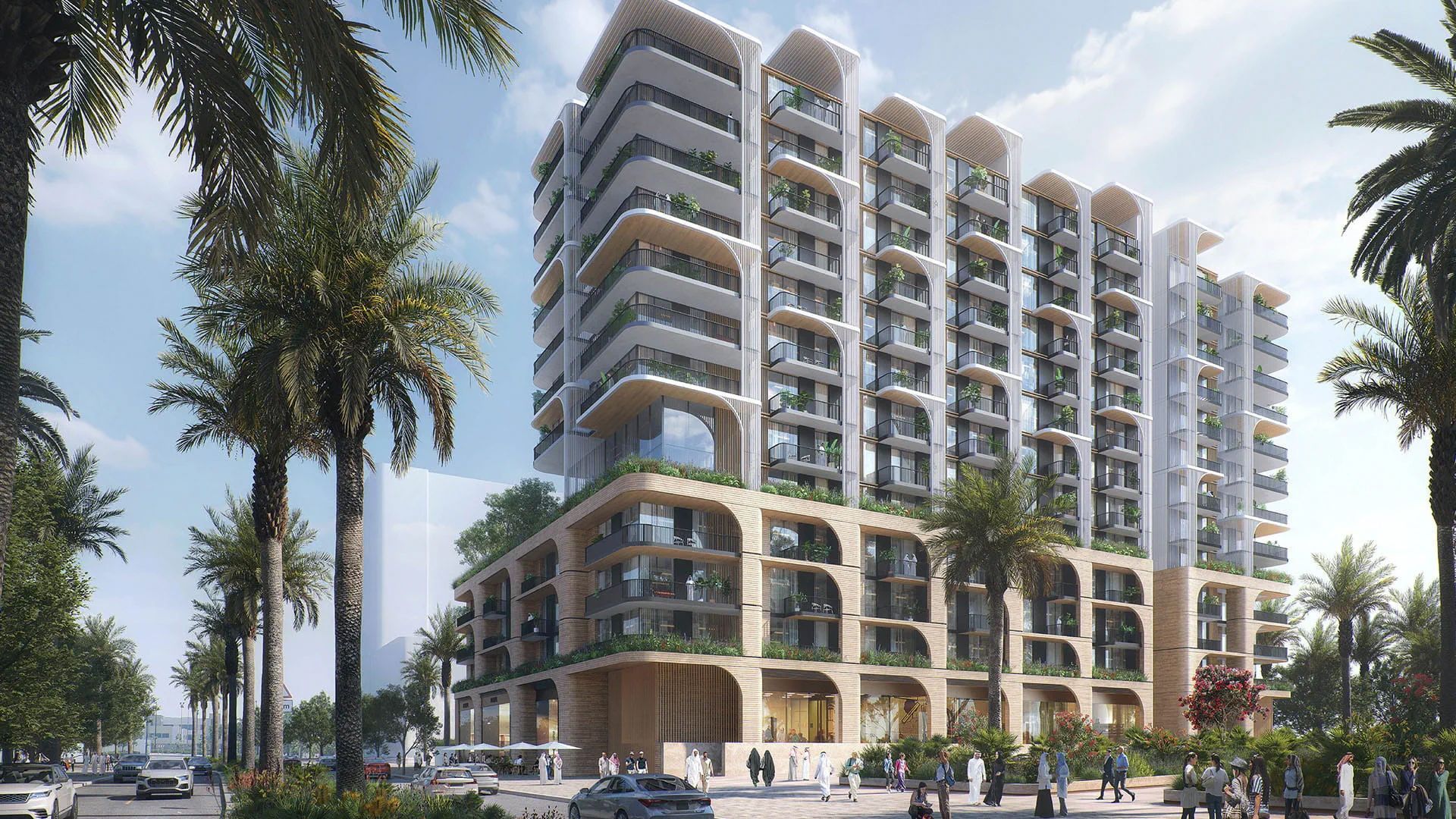
Image source: buy-dubai.ae
A useful comparison can include:
- the developer’s completed projects and delivery record;
- the current construction stage and expected handover date;
- the payment schedule and timing of major instalments;
- the unit’s size, orientation, floor, and layout;
- nearby transport, retail, schools, and public spaces;
- estimated service charges after completion;
- rules concerning resale, assignment, or future leasing.
Off-plan purchases require careful attention to documents. Renderings and model apartments are useful for understanding the concept, but buyers should also study specifications, included finishes, parking arrangements, common areas, and procedures that apply if the construction schedule changes.
It is also sensible to compare several districts. A central location may offer stronger current demand, while a developing area may provide more space or a lower entry price. The best option depends on whether the priority is convenience, future growth, rental flexibility, or long-term personal use.
- Set a realistic all-in budget.
- Shortlist projects that meet location and timing requirements.
- Compare units using the same practical criteria.
- Review legal and financial details before signing.
Buyers should also consider flexibility. A unit that can be rented, resold, or adapted to changing household needs may be more useful over time than one chosen only for a narrow short-term purpose. Layout, location, and community maturity all influence that flexibility.
Dubai’s market rewards a structured approach. Clear goals, realistic budgeting, and careful comparison reduce the chance of making a decision based only on advertising. A strong purchase is usually the one that still makes sense after the launch excitement has passed and everyday ownership becomes the main consideration.


