


business resources
How to Choose Schools for Autistic Kids: A Parent’s Checklist
02 Oct 2026

Arizona families choosing a school for an autistic child have several factors to weigh: teaching approach, daily supports, legal rights, safety practices, and funding. A useful comparison starts with what your child needs to learn, communicate, and feel safe throughout the school day.
This checklist is educational, not legal advice. Confirm current requirements with the Arizona Department of Education (ADE) or the responsible school agency before deciding.
Your school options in Arizona
District schools generally serve students by attendance boundary, with additional options through open enrollment. Charter schools are also public schools.
Both must provide a free appropriate public education (FAPE) to eligible students with disabilities.
Depending on eligibility, a student may receive support through an individualized education program (IEP) or a Section 504 plan.
Private schools work differently. When parents choose a private school, their child generally has no individual entitlement to the special education services available in public school.
Some students may receive limited services through the public education agency responsible for the private school's location.
Ask that agency what is available. This differs from a public agency placing a student in an ADE-approved private special education program.
How to confirm eligibility and get or update services
Arizona’s Child Find system, known as AZ FIND, requires public education agencies to locate, identify, and evaluate children who may need special education.
Responsibilities include children in charter, private, and homeschool settings. Children under 3 are referred to the Arizona Early Intervention Program (AzEIP).
Arizona generally requires public schools to complete a screening within 45 calendar days of enrollment or notification of a concern for students ages 3 through 21.
Screening is not the same as a full special education evaluation, which has separate consent and timeline requirements.
A medical diagnosis does not automatically qualify a child for special education. The evaluation team determines whether the child meets educational eligibility criteria and needs specially designed instruction.
For older students, confirm how age and graduation status affect continued eligibility.
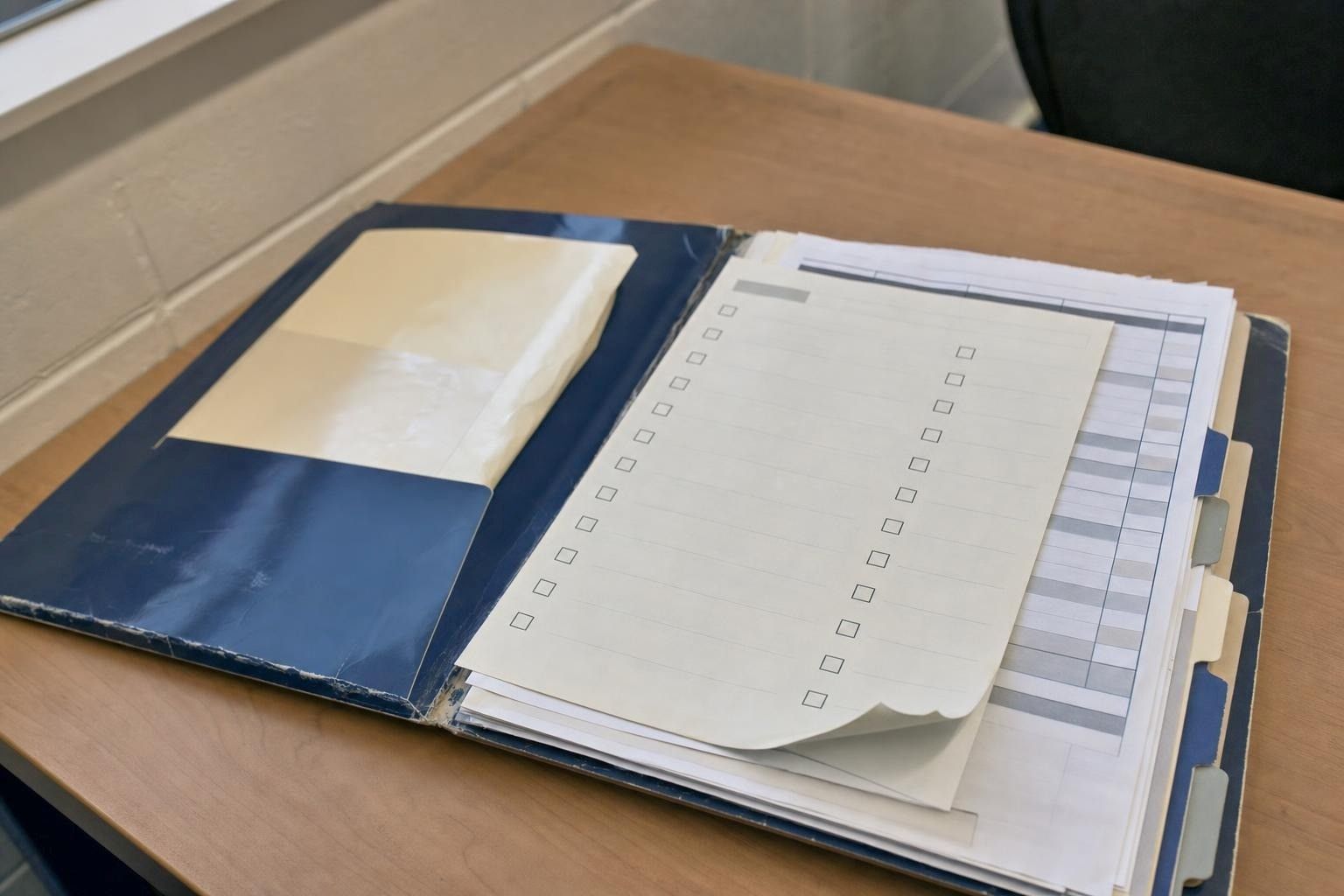
- Request an evaluation in writing, describe your concerns, and keep a dated copy.
- Ask which agency is responsible and which screening or evaluation deadlines apply.
- Record the deadlines and follow up if you do not receive a response.
Safety and behavior policies to verify
Arizona law limits restraint and seclusion to situations involving imminent danger of physical harm when less restrictive options appear insufficient.
It also sets requirements for staff training, continuous observation, and prompt parent notification. Techniques that restrict breathing are prohibited.
Ask for the school’s written policy. On a tour, find out how staff prevent crises, respond to distress, document incidents, and notify families.
Ask what review follows repeated incidents and how the team adjusts supports to reduce the chance of another crisis.
Instruction, therapies, and staffing
Ask about teacher qualifications, autism-informed training, and who provides support when a staff member is absent.
Find out whether speech-language and occupational therapy happen on site, how service minutes are scheduled, and how therapists coordinate with teachers.
If your child uses augmentative and alternative communication (AAC), such as picture boards or a speech-generating device, ask who supports its use throughout the day.
Communication support should be considered during lunch, transitions, and activities, not just lessons.
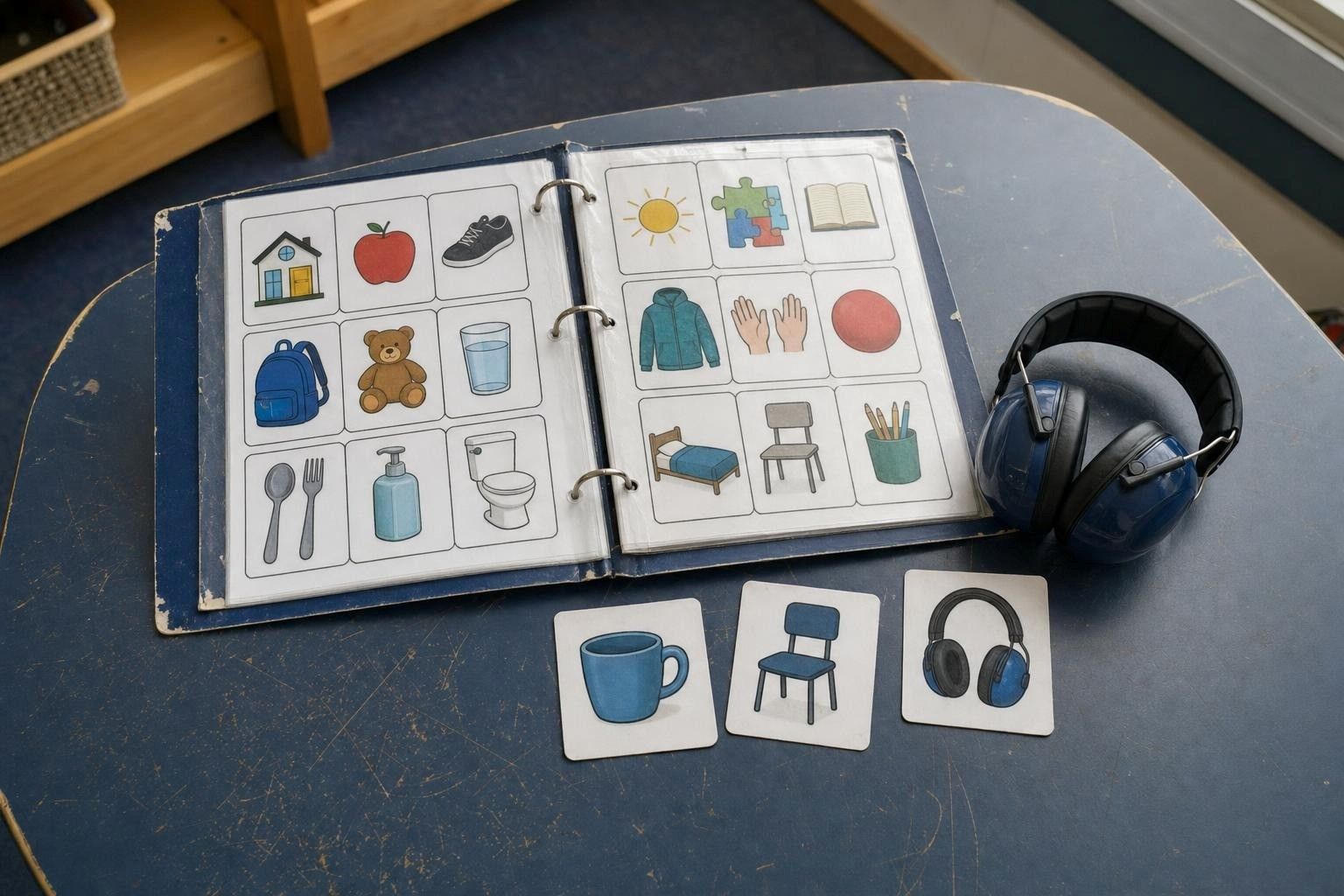
Some programs use small-group or one-to-one instruction; others use co-teaching in general education classrooms.
Request a sample daily schedule and a blank or anonymized progress report to see how goals are measured. Notice lighting, noise, movement breaks, and access to quiet spaces.
Inclusion, community, and life skills
Ask how students connect with peers through clubs, electives, lunch, and shared classes. Find out how staff help students use skills in different settings.
For older students, ask about community-based instruction and work-based learning that reflect their interests.
Arizona IEPs must address transition services by the completion of ninth grade or age 16, whichever comes first. Schools must also provide notice of the anticipated graduation date at least one year ahead.
Ask how the team connects these requirements with your child’s goals for further education, work, and daily life.
For background reading, families can also review a provider-authored overview of schools for autistic kids and use it as a starting point, not an independent ranking.
Funding and paperwork
Arizona’s Empowerment Scholarship Account (ESA) program lets eligible families direct public education funds toward private tuition and approved expenses.
Check ADE’s current guidance for application requirements, processing timelines, funding amounts, and covered expenses.
Compare the funding available with the full cost of attendance, including fees, transportation, and any separately billed services.
An ESA and a School Tuition Organization (STO) scholarship cannot be used in the same school year; confirm the applicable dates with ADE.
Fusion Academy Scottsdale states that it accepts ESA and STO funding as separate options. Ask each school to confirm accepted funding and uncovered costs in writing.
Using an ESA for private school changes your child’s rights to services. Do not assume the private school must implement an existing public-school IEP.
Confirm what support the school will provide and ask the responsible public agency whether any equitable services are available.
Open enrollment and district choice
Arizona districts must offer open enrollment without charging tuition and publish accessible policies, including in English and Spanish.
When applications exceed available seats, selection rules may include a lottery. Ask about capacity, deadlines, and how your child’s services will continue after a transfer.
ADE provides an open enrollment complaint process for concerns about compliance.
How to tour and compare schools
Visit on a regular school day if possible, and bring the same checklist to each school. Include your child’s preferences and observations in a way that works for them.
- Class size, teaching approach, and adult-to-student ratio
- How required or agreed-upon supports are delivered, and by whom
- Behavior supports and restraint and seclusion reporting
- Therapy minutes and coordination with teachers
- How often families receive updates
- Staff turnover, vacancies, and absence coverage
- Transition planning for older students
- Measurable goals and how progress is shared
- Emergency procedures and transportation
- Accepted funding sources and costs they do not cover
Where to research options
ADE maintains a list of approved private special education programs and special education resources for parents.
Check what a listing means: approval for public placements is not the same as a recommendation for every student.
Fusion Academy also publishes a provider-authored overview of Arizona school options, offering programs to research and questions to bring on a tour. Use it alongside official resources, and confirm services, admissions requirements, and funding directly with each school.
Choosing for fit, not reputation
A school that works well for one autistic student may not suit another. Private programs such as Fusion Academy add options alongside district and charter schools.
For older students, weigh how well the school builds the independent living, self-advocacy and study skills that matter when preparing for college life.
Compare each school’s daily supports, teaching approach, and legal obligations against your child’s strengths and goals rather than reputation alone.
Before committing, write down what the school has agreed to provide, who is responsible, and how progress will be reviewed.
Keep dated copies of requests and confirm any unresolved questions about services or funding.
FAQ
What is the difference between an IEP and a 504 plan?
An IEP outlines specially designed instruction, related services, and goals under the Individuals with Disabilities Education Act (IDEA).
A Section 504 plan documents supports for access to education, which can include accommodations and services. Eligibility and individual needs determine the appropriate plan.


