


resources
How to Create an Effective Emergency Contact List
08 Sept 2026

Accidents happen when least expected, leaving little time to search for phone numbers. Having a clear plan keeps family members safe during crises. Preparing a complete contact list ahead of time brings real peace of mind.
First responders rely on fast information to reach loved ones without delay. Taking 10 minutes to organize key details can affect household safety. Clear documentation prevents confusion when quick choices are required.
Primary Contacts to Include
Building a trustworthy contact sheet starts with identifying reliable people nearby. When unexpected travel troubles strike on the highway, reaching out to local roadside assistance like Road Rescue Network can help you get reliable aid quickly. Family members living close to home should always be on top of your sheet.
Select at least two primary contacts in case your main choice is unreachable. Having a second trusted individual guarantees somebody can respond during a crisis. Choosing people with flexible schedules helps ensure quick communication during work hours.
Choosing a person capable of answering detailed questions about your medical background aids health decisions. Designated representatives help doctors make informed choices when patient communication becomes impossible. Clear choices protect personal well-being during hospital stays.
Setting Up Phone Systems and Smartphone Features
Modern mobile devices offer built-in features designed for quick access. Setting up shortcuts allows paramedic teams to reach relatives without entering passcodes. Digital systems keep emergency phone numbers visible right on locked smartphone screens.
Mobile features like Apple Medical ID allow first responders to view health data directly from lock screens. Smartphone and watch features display critical details regarding allergies and ongoing medical conditions. Medical personnel rely on these automated tools to provide accurate treatments fast.
Testing smartphone access settings periodically keeps emergency details visible during lock screen displays. Asking a family member to verify lock screen visibility guarantees smooth operation. Simple digital adjustments save precious minutes when seconds count.
Key Information for Physical Emergency Cards
Disaster readiness plans require physical paperwork with digital smartphone entries. Paper cards stay accessible when mobile battery power fails, or cellular networks drop. Keeping printed copies in multiple household rooms protects every family member.
Physical Cards in Disaster Kits
Disaster preparedness kits must come with detailed medical documentation and simple address cards. Storing printed papers in a waterproof binder protects critical records from severe weather damage. Organized files streamline emergency visits when swift decisions matter most. Preparing physical documentation means collecting specific details for rapid access:
- Primary phone numbers for immediate family members and secondary neighbors
- Current prescription details, dosages, and known medication allergies
- Home street address information and primary health insurance policy numbers
- Contact information for primary care doctors and regional medical clinics
Placing physical emergency cards in wallet slots guarantees immediate availability outside your home. First responders check wallets for identification during accidents away from residence areas. Durable laminated cards resist wear from everyday handling inside bags.
Maintenance and Regular List Updates
Regular updates keep personal records accurate and actionable when changing phone providers or moving to other countries. Reviewing your personal list at least twice yearly or after major life changes keeps records accurate. Frequent checks prevent lost communication when fast responses matter most.
Share updated physical copies with family members so that everyone remains prepared. Storing copies near home entryways, inside vehicle glove compartments, and within wallet inserts maximizes accessibility. Clear preparation reduces stress during unexpected household challenges.
Setting calendar reminders every 6 months simplifies routine reviews. Checking phone numbers with relatives takes only a few moments each season. Up-to-date documentation offers lasting protection against unexpected communication barriers.
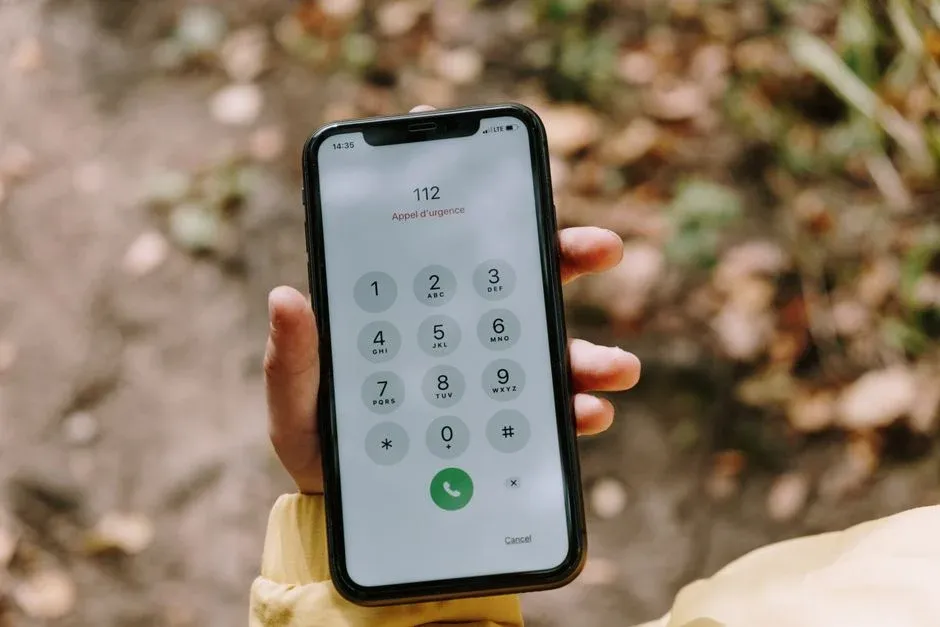
Taking proactive steps to structure personal emergency information protects family well-being. A well-organized contact record bridges critical communication gaps during sudden situations. Combining digital smartphone shortcuts with physical home cards builds complete coverage for unexpected events.
Start gathering updated phone numbers to prepare your household for unexpected crises. Simple preparation offers lasting security for every member of your home.


