
business resources
How to Lower Shipping Losses for Small Businesses
19 Jan 2026

Running a small business already comes with enough challenges. Add shipping losses into the mix, and it can feel like every damaged or missing package is a punch to the gut.
The good news is that most shipping issues can be prevented with smarter packaging choices, better workflow habits, and the right mix of protection tools. Let’s break down practical ways to keep your products safe from the moment they leave your hands to the moment they reach your customers.
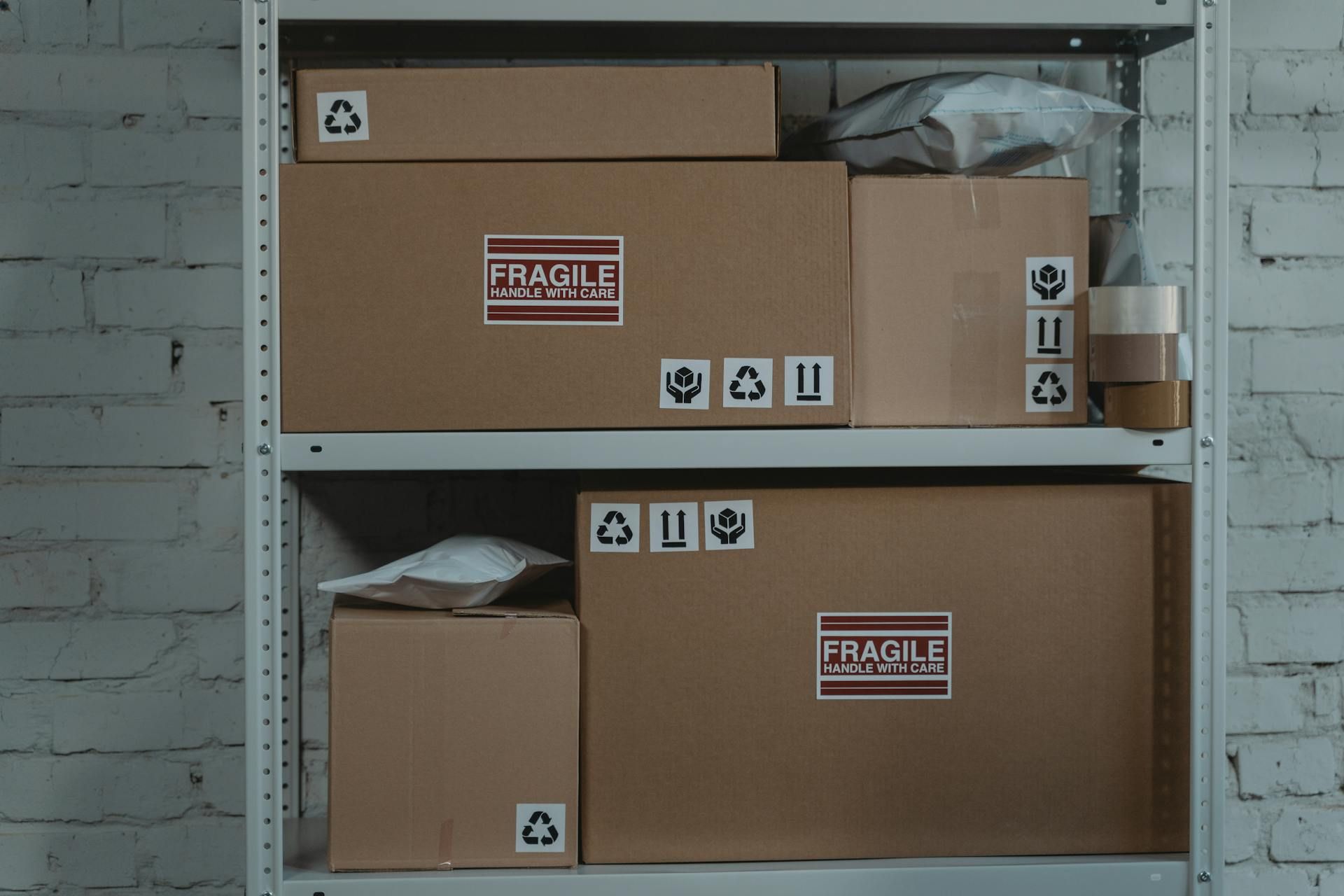
Why Shipping Losses Hurt Small Businesses
Shipping losses add up fast. In a report highlighted by news.com.au, even a 1 percent damage rate can cost small businesses thousands in refunds and replacements over time. And it isn’t just your budget. Every broken or missing package chips away at customer trust. When someone gets a damaged order, the experience can overshadow the quality of your product.
A study shared through the New York Post reported that 85 million packages arrived damaged in 2024. That scale shows just how common problems are, even for businesses that pack things carefully. But it also means there’s plenty of data to help you build better systems.
Packaging Fixes That Have an Immediate Impact
If you want to cut losses quickly, start with packaging. Research from Packnode found that 62 percent of European online shoppers received at least one damaged item, usually linked to poor or inconsistent packaging. That means better materials and smarter packing methods can instantly reduce risk.
Choose Materials That Match the Fragility of Your Products
Lightweight items don’t need heavy-duty boxes, and fragile items need much more than bubble wrap. The key is matching the material to the product. For example, small glass items usually need rigid boxes, inner padding, and limited movement inside the package.
Test Your Packaging Before Using It
You don’t need lab equipment to test packaging. Drop it from waist height on different edges. Shake it like a frustrated delivery driver. If something shifts or breaks, you know what to fix.
Consider Adding Tamper Signs
A tamper sticker or seal isn’t just for security. It gives customers confidence while also making carriers handle the package more carefully.
Quick Packaging Checklist
- Test packed items with a five second shake
- Keep at least one inch of padding on all sides
- Use boxes rated for the weight of the product
Use Tracking, Data, and Smart Workflows
Shipping problems aren’t always about damage. Missing packages can be just as frustrating, especially when the carrier can’t tell you where something was last scanned. Small businesses can reduce these losses with simple workflow improvements.
Create a Standard Shipping Routine
When your team uses the same process every time, things go wrong less often. That might mean verifying each SKU before sealing a box or adding a step to double check the shipping label.
Track Every Package Automatically
Tools that update customers directly save you time and catch issues early. If you see a package stuck in a facility for too long, you can alert the carrier before it disappears into the system.
Review Shipping Data Monthly
Many small issues hide in plain sight. You might discover that one product gets damaged more often or that one carrier loses packages more frequently. Simple trends can help you pivot fast. Businesses that routinely audit fulfillment errors reduce losses significantly over time.
When to Add an Extra Layer of Protection
Sometimes you can do everything right and still deal with loss or damage. Weather, theft, and rough handling are out of your control. This is where added protection makes a meaningful difference. Many small businesses now rely on shipping insurance as a safety net. Including solutions like this is one of the simplest ways to protect your bottom line without changing your daily workflow.
Insurance Complements Good Packing, Not Replaces It
Even with insurance, your packaging still needs to meet carrier standards. Think of it like a seatbelt in a car: it helps when things go wrong but doesn’t prevent mistakes. Using wholesale packaging can keep costs down in this context, without requiring quality compromises.
Review Carrier Policies Carefully
Some carriers won’t cover certain types of items or will require specific packing methods. Knowing these details ahead of time prevents rejected claims.
What Happens When Something Does Go Wrong
Even with great systems, losses happen. The way you handle them can turn a frustrated customer into a loyal one.
Make the Refund or Replacement Process Easy
If a customer has to chase you for help, they might not shop with you again. A quick apology, a fast replacement, and clear communication go a long way.
Keep Photos and Documentation
Before sealing a box, take a quick photo of the packed item. It takes seconds and helps you support any claim with evidence.
Final Thoughts
Shipping losses aren’t just a cost of doing business. They’re a signal that your processes can be improved. With good packaging, consistent workflows, tracking tools, and smart additions like insurance, you can dramatically reduce the number of damaged or missing packages. Small changes add up, and over time, they protect your reputation and your wallet.


