
business resources
How to Make Your Own Game Successfully?
22 Sept 2025

So, you're wondering how to successfully create your own game? That’s the million-dollar question, isn't it? And if we're being honest, there’s no single magic formula. However, when you break the process down into manageable steps, the entire endeavor becomes much clearer. We’re going to explore what truly makes a game connect with players and—more importantly—keep them coming back. This guide is designed to walk you through the essential stages of transforming your initial idea into an experience that people will genuinely enjoy.
Key Takeaways
- It all begins with a clear vision: what kind of game are you trying to make, and who is your ideal player? Knowing your goals and audience from the outset shapes every decision that follows.
- You want players to jump right into the fun without any friction. Streamlined menus and intuitive controls are a massive part of getting people hooked from the very first click.
- Focus on building core gameplay loops that are simple to understand but offer deeper complexity over time. Meaningful feedback is what makes a game feel responsive and alive.
- To keep players engaged for the long haul, you'll need plenty of content and a commitment to keeping the game fresh with updates. Nurturing a community around your game is also a powerful tool for retention.
- Never underestimate the technical side of things. Clean code, smooth performance, and diligent bug-fixing are every bit as important as the more glamorous, fun parts of development.
Define Your Game's Core Identity
Before you write a single line of code or sketch a single character, you need to nail down what your game actually *is*. This goes beyond just picking a genre; it's about digging into the heart of your game and pinpointing what makes it special. Getting this crystal clear from the very beginning can save you a world of headaches later on.
What exactly are you hoping to achieve with this game? Is your ambition to create a massive commercial success, a small and intimate artistic project, or something in between? Clarifying your goals helps guide every single decision, from the project's scope to the features you choose to include. For instance, if your primary goal is to build a large player base quickly, you’d probably focus on accessibility and broad appeal. On the other hand, if you're targeting a niche audience, you might pour your energy into unique mechanics or a very specific art style. It's also worth thinking about your personal development goals—are you looking to learn a new skill, build up your portfolio, or just have some fun?
Who, specifically, are you making this game for? Trying to please everyone is a classic pitfall that often results in a game that truly resonates with no one. Instead, zero in on the specific group of players you want to reach. Think about their age, their gaming habits, the other games they love, and what they value in an experience. This insight will become your north star for design choices, from setting the difficulty level to deciding on themes and art direction. A game designed for casual mobile players, for example, will have vastly different requirements than one built for hardcore PC strategy fans. Researching your potential players is crucial; you might even run surveys or simply chat with people who fit your target demographic. Understanding your audience is a bit like defining the scope of a security bounty program—you need to know exactly who you're trying to attract and what they're looking for.
In today's crowded market, your game absolutely needs something that makes it stand out from the crowd. This is your Unique Selling Proposition (USP). What makes your game different or better than the others in its genre? It could be an innovative gameplay mechanic, a breathtaking art style, a deeply compelling story, or a unique blend of existing elements. Your USP should be clear, memorable, and something that immediately tells players why they should care. Just ask yourself: what will make someone choose *your* game over the countless other options available?
Your game's core identity isn't just a concept; it's the solid foundation upon which everything else is built. A strong, clear identity leads to more focused development and, ultimately, a more cohesive player experience.
Here’s a quick framework for thinking about your game's identity:
- Genre: What kind of game is it (e.g., RPG, Puzzle, Shooter)?
- Core Mechanic: What is the primary action the player performs repeatedly?
- Target Audience: Who are you making this for?
- Unique Hook: What makes your game special?
By clearly defining these aspects upfront, you create a solid blueprint for your game's development, ensuring your vision stays focused and your game has a distinct purpose.
Craft an Engaging Player Experience
Creating a game that players can't put down is all about how it *feels* to interact with it. This means paying careful attention to how players first enter your world, how they control their actions, and how they learn the ropes. A truly great experience keeps players captivated and makes them feel their time is being valued.
Players often decide within minutes whether they like a game. If it takes too long to get to the action, or if they're immediately confused about what to do, they're likely to just move on. Your goal should be to get them playing—and having fun—as quickly as possible. This means trimming down long-winded introductions or overly complex setup processes. Those first few moments are absolutely critical for making a positive impression.
It goes without saying that menus and controls should be intuitive. Players shouldn't have to hunt for important options or guess what a button does. A well-designed interface feels completely natural, allowing players to focus on the game itself instead of wrestling with how to play it. Using clear icons and logical layouts makes a world of difference.
- Clear Navigation: Menus should be logically structured so players can find what they need without a second thought.
- Consistent Controls: Make sure controls remain consistent throughout the entire game, regardless of whether it's on a keyboard, controller, or touch screen.
- Visual Feedback: Buttons and other interactive elements should provide a clear visual response when they are pressed or hovered over.
A game that's difficult to understand or control right from the start will almost always be abandoned. At the end of the day, players are looking for enjoyment, not a frustrating chore.
It's best to introduce new mechanics and challenges gradually. Instead of overwhelming players with an avalanche of information all at once, let them learn by doing. Start them off with simple tasks and slowly build up the complexity over time. This approach helps players build confidence and gain a solid understanding of the game's systems. Think of it like teaching someone to swim—you start in the shallow end before ever venturing into deeper waters.
| Feature | Description |
|---|---|
| Initial Controls | Simple and easy-to-understand actions for the first few minutes of play. |
| New Mechanics | Introduced one at a time, with clear examples or tutorials. |
| Difficulty | Starts low and increases steadily, matching the player's growing skill. |
Develop Compelling Gameplay Mechanics
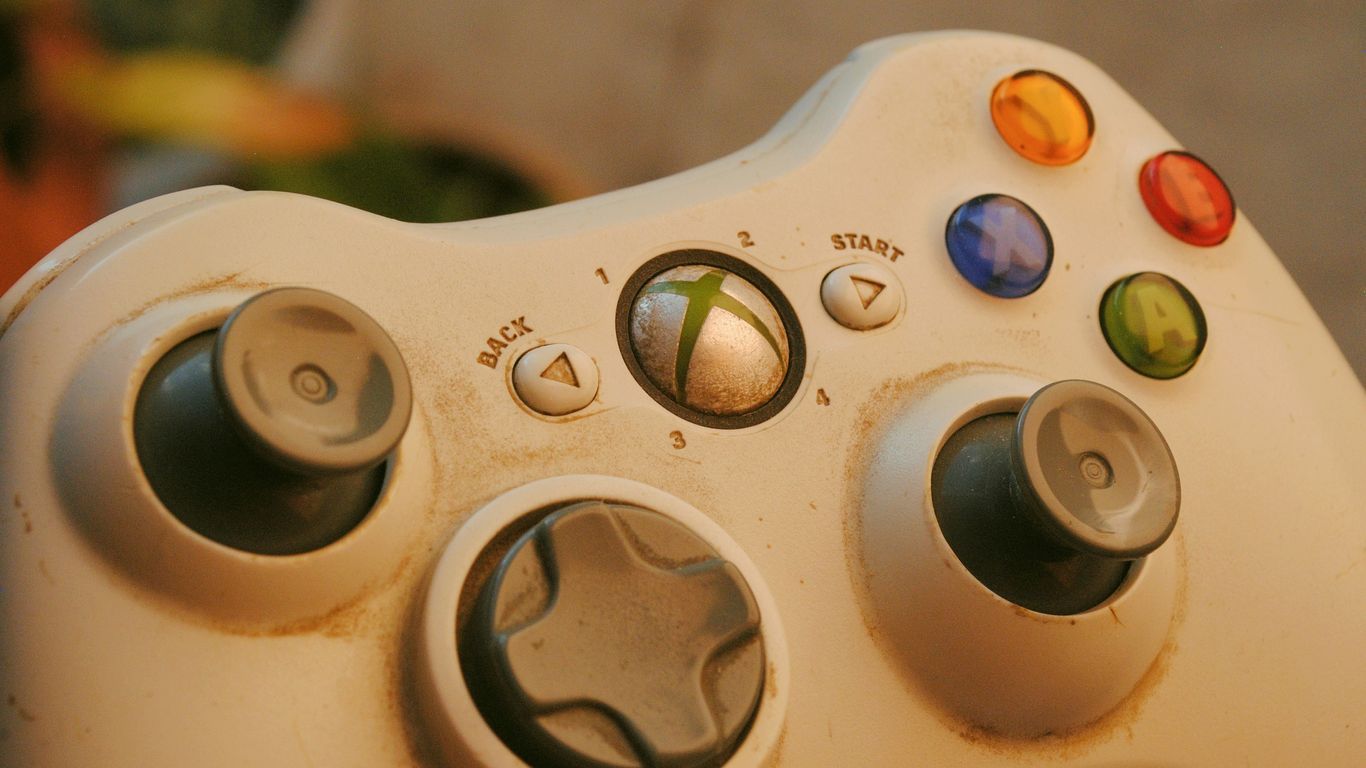
If you want to create a game that players will genuinely want to keep playing, you have to focus on how the game actually *works*. This means carefully designing the core actions players will take and ensuring those actions feel good and make sense. It’s all about creating a satisfying loop of activity that keeps players engaged and coming back for more.
Focus on Simple, Understandable Loops
You should always start with a core gameplay loop that's incredibly easy to grasp. What are the main actions a player will be repeating over and over? In many games, for instance, this might be a cycle of moving, attacking, and collecting items. The simpler and more intuitive these core loops are, the more quickly players can dive in and start having fun. It's wise to avoid overwhelming people with too many options or complex rules right at the beginning. A clear, repeatable cycle of actions provides a rock-solid foundation for the rest of your game.
Introduce Complexity Gradually
Once that basic loop is firmly established and players get it, you can begin to introduce new layers of complexity. This might involve new abilities, enemies with different behaviors, or interesting environmental challenges. The key here is to introduce these elements one at a time, giving players a chance to learn and adapt. This approach fosters a smooth learning curve, which prevents frustration and keeps players engaged as they discover fresh ways to interact with your game. For example, a game might begin with basic combat, then later introduce special moves, and eventually add strategic elements like cover systems.
Enhance Game Feel with Feedback
"Game feel" is all about the tactile and responsive sensations a player experiences during play. You achieve this through a variety of feedback mechanisms. When a player performs an action, the game should react—both visually and audibly. This includes things like:
- Visual Effects: Think particle effects when hitting an enemy, a bit of screen shake for big impacts, or animations that convey a real sense of weight.
- Sound Design: Having distinct sounds for jumping, attacking, collecting items, or taking damage makes a huge difference.
- Controller Feedback: Using rumble effects on controllers can simulate impacts or actions, making the experience more immersive.
Excellent game feel makes even the simplest actions feel satisfying and contributes immensely to the overall player experience. It’s what makes a game feel alive and engaging, turning otherwise mundane tasks into genuinely enjoyable interactions. A finely tuned feedback system can make a world of difference in how players perceive your game's quality, much like the detailed world of Teyvat in Genshin Impact.
Players often remember how a game *feels* long after they've forgotten the specific mechanics. If the actions are punchy, responsive, and rewarding, they'll be far more likely to stick around and enjoy the ride, even if the underlying systems aren't revolutionary.
Build Longevity and Replayability
Creating a game that players return to time and again involves more than just a fun first-time experience. It demands thoughtful design choices that keep the game feeling fresh and engaging over the long term. This means giving players compelling reasons to keep playing, whether through new content, evolving challenges, or a vibrant sense of community. A game that offers lasting value will naturally cultivate a dedicated player base.
Incorporate Ample Content
Let's face it—players appreciate having a lot to do. Think about adding a rich variety of activities, collectibles, or challenges that give them clear goals to work towards. This could include a wide range of items to unlock, diverse areas to explore, or even a robust progression system with satisfying milestones. The key is to offer enough variety that players don't feel like they've seen everything the game has to offer after just a few hours.
Foster Player Retention Through Updates
So, how do you keep things exciting? Regular updates are a fantastic way to keep your game alive and well. These updates can introduce new features, rebalance existing mechanics, or add fun seasonal events. Actively listening to player feedback and addressing their suggestions also goes a long way in making them feel more invested in the game's future. Consistent, meaningful updates signal to your players that the game is still being nurtured and improved.
Encourage Community Interaction
A strong community can be a game-changer for longevity. You should consider adding features that allow players to interact, such as leaderboards, guilds, or cooperative game modes. Creating spaces where players can share their experiences, strategies, and creations also helps build a powerful sense of belonging. When players feel connected to one another, they're far more likely to stick around.
Building a game that players want to return to requires a long-term vision. It's about crafting a world and a set of mechanics that can sustain interest well beyond the initial playthrough. This often involves a thoughtful mix of planned content, responsive development, and active community building.
Ensure Technical Quality and Optimization
Making a game that people want to play is one challenge, but ensuring it runs smoothly on their devices is a whole other ball game. This section is all about the crucial behind-the-scenes work that makes your game *feel* great to play, not just look good. It's about keeping your code tidy, making sure your game doesn't stutter, and ironing out any pesky problems before players even notice them.
You can think of your code as the very foundation of your game. If it's messy and disorganized, it’s bound to cause problems down the road, making it a nightmare to add new features or fix bugs. Keeping your code well-organized means breaking it down into smaller, more manageable parts. This approach makes it far easier to understand, test, and update.
- Use clear naming conventions: Give your variables, functions, and classes names that plainly state what they do. This helps you—and anyone else on the project—quickly understand what's happening.
- Comment your code: Take a moment to explain the trickier parts or the "why" behind certain decisions. You don't need to write a novel, but a few well-placed comments can save hours of confusion later.
- Refactor regularly: Don't be afraid to go back and clean up your code. As your game evolves, some parts might become clunky or inefficient. Tidying them up keeps the whole project healthier in the long run.
Good code isn't just about making things work; it's about making them work in a way that's easy to manage and build upon over time. It’s a direct investment in your game’s future.
Nobody enjoys a game that lags or takes forever to load. Performance optimization is the art of making your game run as fast and as smoothly as possible on a wide array of hardware. This often involves taking a hard look at how your game is using resources like the CPU, memory, and graphics card.
Here are a few key areas to focus on:
- Reduce draw calls: Every time your game tells the graphics card to draw something, it's called a 'draw call'. Too many of these can seriously slow things down. Batching similar objects together is a common technique to help with this.
- Manage memory: Be conscious of how much memory your game is using, as excessive use can cause slowdowns or even crashes. A good practice is to load assets only when they're needed and unload them when they're done.
- Profile your game: Use performance profiling tools to hunt down bottlenecks—the specific parts of your game that are dragging everything else down. Once you know where the problem lies, you can focus your efforts on fixing it.
| Area of Optimization | Common Issues | Solutions |
|---|---|---|
| CPU Usage | Complex calculations, inefficient loops | Algorithmic improvements, multithreading |
| Memory Usage | Large uncompressed assets, memory leaks | Asset compression, proper memory management |
| Graphics | Too many polygons, complex shaders | Level of Detail (LOD) systems, shader optimization |
Bugs are just a natural part of game development, but how you handle them makes all the difference. While a completely bug-free game is a lofty goal, a game that feels polished and has its bugs well-managed is both achievable and highly appreciated by players. This comes down to thorough testing and a keen eye for detail.
- Implement a bug tracking system: Use dedicated tools to log, prioritize, and track bugs. This ensures that no reported issue gets lost in the shuffle.
- Test on various devices: What runs perfectly on your high-end development PC might chug on a lower-spec phone. Testing on a range of your target devices is absolutely essential.
- Gather player feedback: Your players will often find bugs you might have missed. Create clear channels for them to report issues, and show them you're listening by actively fixing them.
Paying attention to the small details, like fluid animations and responsive controls, can dramatically improve how players perceive the overall quality of your game. This layer of polish is often what separates a merely functional game from a truly enjoyable one.
Strategize for Market Visibility
Getting your game noticed in today's crowded market requires a solid, well-thought-out plan. Think of your game's store page as its first impression—it needs to be polished, compelling, and informative. Taking the time to craft a well-written description, select appealing screenshots, and produce a sharp trailer can make a world of difference. Pricing is another critical piece of the puzzle. Research similar games in your genre and consider what players might expect to pay for the experience you're offering. A price that feels fair can drive far more sales than one that seems either too high or surprisingly low.
Your visuals are often the very first thing that potential players will see. This includes your game's icon, its screenshots, and its trailer. These elements need to grab attention instantly while accurately representing the actual gameplay. A strong, cohesive visual identity is what helps your game stand out from the noise.
Design a Compelling Store Page
Your store page is essentially your game's digital storefront. It has to be both informative and attractive.
- High-Quality Screenshots: Showcase your game's most exciting moments and unique features. Don't just show the start screen!
- Engaging Trailer: A short, snappy, and well-edited trailer can quickly convey your game's atmosphere and core mechanics.
- Clear Description: Explain what your game is all about and, most importantly, why players should be excited to try it.
A meticulously crafted store page can heavily influence a player's decision to purchase or even just wishlist your game. It's an investment of time that pays off.
Deciding how your game will generate revenue is a key part of your overall strategy. Will it be a one-time purchase, free-to-play with in-app purchases, or perhaps a subscription model? Each approach has its own pros and cons, and the best choice really depends on your game's genre and your target audience.
Choose a Monetization Model
Consider the different ways you might earn revenue:
- Premium: Players make a single upfront purchase for the full game. This works well for games with a finite amount of high-quality content.
- Free-to-Play with In-App Purchases: The game is free to download, and players can buy optional items or features. This requires very careful balancing to avoid a "pay-to-win" feel.
- Subscription: Players pay a recurring fee for access. This model is best suited for games with ongoing content updates or live services.
Once your game is ready for the spotlight, you need to let people know it exists. This involves a range of promotional activities.
Promote Your Game Effectively
Here are a few effective ways to get the word out:
- Influencer Outreach: Sending your game to relevant streamers and YouTubers can generate significant buzz and authentic showcases.
- Social Media Marketing: Use platforms like Twitter, TikTok, and Reddit to share development updates and engage directly with potential players.
- Paid Advertising: Consider running targeted ads on platforms where your ideal audience spends their time.
Building a community around your game even before it launches can create a groundswell of anticipation and a ready-made audience on day one.
Wrapping Up Your Game Development Journey
So, you've put in the hard work—from nailing that first impression with a snappy loading screen and a clear thumbnail, to making sure your game's controls are intuitive and its menus are a breeze to navigate. Always remember, a smooth learning curve and a steady stream of content are what keep players coming back for more. And don't forget to sprinkle in that spark of originality that makes your game stand out. Ultimately, building a great game is about creating an experience that you yourself find genuinely enjoyable, because that passion often shines through to the players. Keep listening to feedback, keep refining your work, and most importantly, just keep creating. The journey from an idea to a finished, successful game is undoubtedly challenging, but with these practices in mind, you're well on your way to making something truly special.
Frequently Asked Questions
What is the most important first step when making a game?
The very first thing you should do is clearly define what kind of game you want to create and who you're making it for. Think about your main goals—is it a passion project for friends or something you hope to monetize? At the same time, picture your target players. Are they kids, teens, adults? Knowing this from the start helps you make smarter decisions about the game's style, features, and overall direction.
How can I make sure players enjoy my game from the start?
To hook players right away, make sure your game loads quickly and gets them into the action without delay. The controls and menus should be intuitive and easy to figure out. Think of it like teaching someone a new board game; you start with the simple actions first and introduce more complex rules gradually so players feel empowered, not overwhelmed.
What makes gameplay mechanics fun and engaging?
Fun gameplay often springs from simple, satisfying actions that players can easily learn and repeat, like jumping on platforms or collecting coins. Once players master the basics, you can introduce more challenging elements to keep things interesting. It's also vital to provide feedback—like sound effects or visual pops—when they perform an action. This makes the game world feel more alive and rewarding.
How do I keep players coming back to my game?
To give your game lasting appeal, you'll want to include plenty of things for players to do and discover, such as new levels, unlockable items, or ongoing challenges. Regularly adding fresh content through updates is also a fantastic way to keep the experience from getting stale. On top of that, encouraging players to interact and share their experiences can help build a strong community that keeps them invested for the long haul.
Why is technical quality important for a game?
Ensuring your game runs smoothly and is free of major bugs is absolutely crucial for player enjoyment. It's a good idea to keep your code organized so it's easier to fix problems as they arise. Optimizing your game means it will perform well on a variety of devices without lagging. This final layer of bug-fixing and polish is what makes a game feel professional and enjoyable rather than frustrating.
How can I make my game stand out and reach more players?
To get noticed, you need to create appealing visuals, like a cool thumbnail and an eye-catching icon, that make people want to click. You should also have a clear plan for how your game will make money, perhaps through optional purchases that add extra value. Using smart advertising and promoting your game on social media and other platforms is key to attracting new players and letting the world know your game exists.


