


business resources
How to Master Your Car Lease Buyout?
20 Dec 2025

Let's say you've been driving your leased car for some time, and a thought starts to creep in: 'I really like this car.' Perhaps it’s the perfect fit for your lifestyle, or maybe it has simply been a dependable ride. Whatever the case, the idea of purchasing it at the end of your lease term has crossed your mind. This process, often called a car lease buyout, is your path from renting to owning. It sounds straightforward, right? Well, while it can be, there are a few key details to sort out to ensure you’re making a smart financial move—not one you’ll come to regret. We'll walk through what you need to know.
Key Takeaways
- It's crucial to understand if buying your leased car actually makes financial sense by comparing its residual value to its current market worth. Sometimes, it’s a fantastic deal; other times, not so much.
- You should know your options for a car lease buyout—whether it's at the end of the lease term or an early buyout—and fully grasp the costs tied to each one.
- Always shop around for financing. Don't simply accept the first loan offered; compare rates from different banks and credit unions to secure the best possible deal on a car lease buyout loan.
- Be ready for extra costs, such as sales tax, title fees, and potential buyout fees. It pays to review your lease agreement with a fine-tooth comb to know what to expect and to feel confident disputing any unfair charges.
- After you've bought out your car lease, it’s time to reassess your auto insurance. Owning a car often comes with different insurance needs and costs compared to when you were leasing.
Understanding Your Car Lease Buyout Options
Lease-End Buyout Explained
When drivers grow fond of their leased vehicle, the lease-end buyout is the most common path they take to keep it. This option pops up as your lease contract nears its end. In essence, you're buying the car for its predetermined residual value, which is the estimated worth of the vehicle at the end of the lease term as spelled out in your original agreement. This value is typically figured out as a percentage of the car's initial price. When you opt for a lease-end buyout, you'll generally pay this residual value, plus any applicable taxes and a purchase option fee. It’s often a more direct—and potentially less expensive—route than trying to buy out a lease early.
A lease-end buyout might be the right call if:
- You've genuinely enjoyed driving the car and it still meets your current needs.
- You'd rather avoid potential excess mileage or wear-and-tear charges that could apply if you simply returned the vehicle.
- The car has been reliable, and you don't foresee any major repair costs on the horizon.
- The financing rates available for purchasing the vehicle are attractive.
The Nuances of Early Lease Buyouts
An early lease buyout allows you to purchase your leased vehicle before your contract officially ends. This can be a strategic move, but it's usually more complex and potentially costlier than a lease-end buyout. When you buy out early, you're typically responsible for paying off the remaining lease payments, the vehicle's residual value, and any associated taxes and fees. The exact calculation can vary significantly between leasing companies.
So, why would someone consider an early buyout? Reasons might include:
- Avoiding penalties: If you're getting anxious about exceeding mileage limits or causing significant wear and tear, an early buyout can help you sidestep those hefty end-of-lease charges.
- Market value advantage: If the car's current market value has dipped below its projected residual value, buying it out early might look appealing, though this requires very careful calculation.
- Personal preference: Sometimes, you simply decide you want to own the car sooner rather than later.
It's vital to review your lease agreement thoroughly for any specific clauses or fees related to early termination or buyout. At times, the cost of an early buyout can be substantial, which can make it a less financially attractive option.
When a Lease Buyout Makes Financial Sense
So, how do you know if a lease buyout is a genuinely sound financial decision? It requires a careful look at several factors. It's not always the most economical choice, and figuring out when it truly makes sense is the key to a good outcome.
Here are some points to evaluate:
- Compare Buyout Price to Market Value: The most critical step is to compare the total cost of the buyout (that’s the residual value plus fees and taxes) to the vehicle's current market value. If the buyout price is significantly lower than what a similar used car would cost you, it's a strong sign that a buyout is a smart move.
- Vehicle Condition and Mileage: Take an honest look at the car's overall condition and its mileage. If the vehicle has very high mileage or is showing signs of major wear, the potential cost of future repairs might just outweigh the benefit of owning it.
- Financing Costs: If you're going to need a loan for the buyout, the interest rate you get will absolutely impact the total cost. High interest rates can quickly make a seemingly good buyout much less appealing.
A lease buyout is generally most advantageous when the vehicle's current market value exceeds the total buyout cost, and the car is in good mechanical condition with reasonable mileage. It's also a great option if you've found the car to be reliable and you don't want the hassle of searching for a different vehicle.
Assessing Your Vehicle's Value
Before you jump in and commit to buying out your leased car, it's vital to get a crystal-clear picture of its actual worth. This step is all about helping you determine if the buyout price is fair and if owning the vehicle truly makes financial sense.
Determining Residual Value
Think of the residual value as a figure that was locked in by the leasing company way back when you first signed the lease. It represents their best guess of what the car would be worth at the end of the term. You can find this number right in your original lease agreement. While this value is a key part of your buyout price, it's generally not something you can negotiate. It's the car's projected worth, and it's what the leasing company used to calculate your monthly payments in the first place.
Researching Current Market Value
To check if that pre-determined residual value still holds up, you'll need to do a little homework. Look up your car's specific make, model, year, and mileage on popular automotive valuation websites like Kelley Blue Book (KBB) or Edmunds. These sites will give you estimates for both retail and wholesale values. What's the difference? The retail value is closer to what a dealer might sell it for, while the wholesale value is what a dealer would likely pay for it. Comparing these market values to your lease's residual value is a critical step in deciding if a buyout is a good deal.
Comparing Buyout Price to Market Value
With both the residual value and current market value in hand, you can now make an apples-to-apples comparison with the total buyout price. Your total buyout price will usually include the residual value, any remaining lease payments, and potential fees or taxes. If the market value of your car is significantly higher than this total buyout price, it's a strong signal that you might be getting a great deal. On the flip side, if the buyout price is higher than what the car is actually worth on the open market, you may want to pause and reconsider the purchase.
Here’s a simple way to frame it:
- Lease Buyout Price: Residual Value + Remaining Payments + Fees + Taxes
- Market Value: What similar cars are selling for today (check KBB, Edmunds, etc.)
If Buyout Price < Market Value, it's likely a good deal.
If Buyout Price > Market Value, you might be overpaying.
Getting a handle on these values upfront can save you a lot of money and keep you from making an emotional decision that doesn't align with the car's real-world worth.
Navigating the Negotiation Process
Alright, you’ve decided that buying out your leased vehicle is the right move for you. The next phase involves talking numbers—and this is where a little preparation can save you a significant amount of money, but it does require a bit of prep work and a willingness to discuss the terms.
Negotiating the Payoff Amount
Your lease agreement probably has a predetermined residual value, which is the starting point for your buyout price. But here's the thing: that figure isn't always set in stone. Sometimes, there’s wiggle room to negotiate this amount, especially if market conditions have shifted since you first signed the lease. Don't be afraid to ask if the payoff amount can be adjusted. It’s also smart to independently research your car's current market value. If your research shows the car is worth less than the buyout price, you've got a much stronger case for negotiation.
Understanding and Negotiating Buyout Fees
It's not just about the vehicle's price; be on the lookout for additional fees associated with a lease buyout. These can pop up as a "purchase option fee" or other administrative charges. Go over your lease contract carefully to spot all potential fees. Some of these might be negotiable, or the dealership might be willing to waive them—particularly if you're also arranging financing through them or if you're a long-time customer. It never hurts to ask if any of these extra costs can be reduced or eliminated.
Leveraging Competitor Offers
Here’s a smart strategic move: if you plan to finance your buyout, get pre-approved for a loan from your own bank or a credit union *before* you even talk to the dealership. This gives you a benchmark interest rate. When the dealership offers their financing, you can use your pre-approval to negotiate a better rate with them. They might be willing to match or even beat your external offer just to keep your business. In the same vein, if you're considering purchasing a different used car, knowing the prices and terms available elsewhere can put you in a stronger position when discussing the buyout of your current vehicle.
Securing Financing for Your Buyout
Now that you're confident buying out your lease is the right move, the next logical step is figuring out how to pay for it. While paying with cash is certainly the simplest option, it's not always practical for everyone. Fortunately, you have several financing avenues to explore.
Exploring Dealership Financing Options
Naturally, your leasing company or dealership will have a finance department ready to arrange a loan for your lease buyout. This is often a very straightforward process, as they’re already familiar with your vehicle and the lease agreement. They might even offer competitive rates, especially if you're also thinking about leasing a new car from them down the line. However, it's wise to treat this as just one of several options.
Comparing Bank and Credit Union Loans
But before you accept the first financing offer that comes your way, it’s absolutely essential to shop around. Banks and credit unions are excellent places to compare loan terms. They often provide competitive interest rates for auto loans, which can sometimes be lower than what a dealership might offer. Credit unions, in particular, are known for offering favorable rates to their members. Getting pre-approved for a loan from an external lender can also give you significant negotiating power with the dealership.
Here's a quick comparison:
| Lender Type | Potential Advantages |
|---|---|
| Dealership | Convenience, potential for package deals |
| Bank | Competitive rates, established financial institution |
| Credit Union | Often lower rates for members, community focus |
Understanding Loan Terms and Interest Rates
When you start comparing loan offers, zoom in on the Annual Percentage Rate (APR), the loan term (the repayment period), and any hidden fees. A lower APR means you'll pay less in interest over the life of the loan. A shorter loan term typically means higher monthly payments but less total interest paid. As always, read the fine print to understand all the conditions before you sign on the dotted line.
Securing the right financing is key to making your lease buyout financially sound. Don't hesitate to compare offers from multiple sources to find the best deal for your situation.
Managing Additional Buyout Costs
Beyond the sticker price of the buyout, several other expenses can creep in when you decide to purchase your leased vehicle. It’s important to be aware of these potential costs so you aren’t caught off guard by the final bill.
Calculating Sales Tax and Title Fees
Whenever you purchase a vehicle, you'll almost always owe sales tax based on your local and state rates. This tax is typically calculated on the final purchase price, which includes the residual value plus any other fees. On top of that, there will be fees for transferring the car's title into your name. These vary by state but are a standard part of any vehicle purchase. It's a good idea to research your state’s specific sales tax rate and title transfer fees ahead of time to get an accurate estimate of this cost.
Reviewing Your Lease Agreement for Fees
Your lease agreement is the go-to document for all the terms and conditions, including any specific fees related to a buyout. Carefully examine your contract for any mentions of a "purchase option fee," "administrative fees," or other charges that might apply at the end of the lease if you choose to buy. Sometimes, these fees are negotiable, or they might even be waived under certain circumstances. Understanding what’s in your contract prevents surprises and gives you a solid basis for any discussion.
Disputing Unwarranted Charges
It's not unheard of for dealerships or leasing companies to present extra fees that weren't clearly spelled out in your original lease agreement. These could be things like "processing fees," "documentation fees," or other charges designed to bump up the final price. You are generally only obligated to pay the costs that are explicitly mentioned in your lease contract. If you come across charges you don't recognize or agree with, don't hesitate to question them. Politely but firmly refer back to your lease agreement. If the lessor insists on these unagreed-upon fees, consider contacting the manufacturer or the leasing company directly—they often have more authority to resolve these kinds of disputes.
Optimizing Your Vehicle Insurance
After you decide to buy out your leased vehicle, your next call should probably be to your car insurance agent. Why? Because owning a car is different from leasing one, and your insurance needs will likely change. This is a great opportunity to make sure you have the right coverage at the best possible price.
Reassessing Your Insurance Policy
When you were leasing, your insurance policy probably came with specific requirements from the leasing company, often including comprehensive and collision coverage with low deductibles. Now that you're buying the car, you have much more flexibility. It's time to get in touch with your insurance provider and let them know about your new situation. Explain that you're purchasing the vehicle and ask about potential policy adjustments. They can help you figure out what coverage is still necessary and what might now be optional.
Comparing Ownership vs. Leasing Insurance Costs
It's a smart move to compare what you were paying for insurance on the leased car versus what you might pay now that you own it. In some cases, owning a car outright can lead to lower insurance premiums, especially if you decide to adjust your coverage levels. You might discover that you no longer need certain types of coverage that were mandated by the lease agreement. Also, remember that insurance rates can vary wildly between companies, so shopping around is always a good strategy.
Adjusting Coverage and Deductibles
Take a moment to think about your personal risk tolerance and financial situation. If you're comfortable with a bit more risk, you could consider increasing your deductibles. A higher deductible usually translates to a lower monthly premium. For instance, if your current deductible is $500, you might think about raising it to $1,000. This could save you money each month—but just remember that you'd have to pay more out-of-pocket if you ever need to file a claim.
Here's a look at how deductibles can affect your premium:
| Deductible Amount | Potential Monthly Savings |
|---|---|
| $500 | Baseline |
| $1,000 | $10 - $30 |
| $1,500 | $20 - $50 |
Note: Savings are estimates and vary by insurer and policy details.
Also, ask yourself if you still need full comprehensive and collision coverage. If your car is getting older and its market value has dropped significantly, the cost of these coverages might outweigh the potential payout if the car were ever totaled. You might decide to drop collision coverage while keeping comprehensive, or vice versa, depending on your car's value and your personal comfort level.
Making informed decisions about your car insurance after a lease buyout can lead to noticeable savings. It's not just about the price you pay for the car; it's also about managing the ongoing costs of ownership.
Finalizing Your Car Lease Buyout
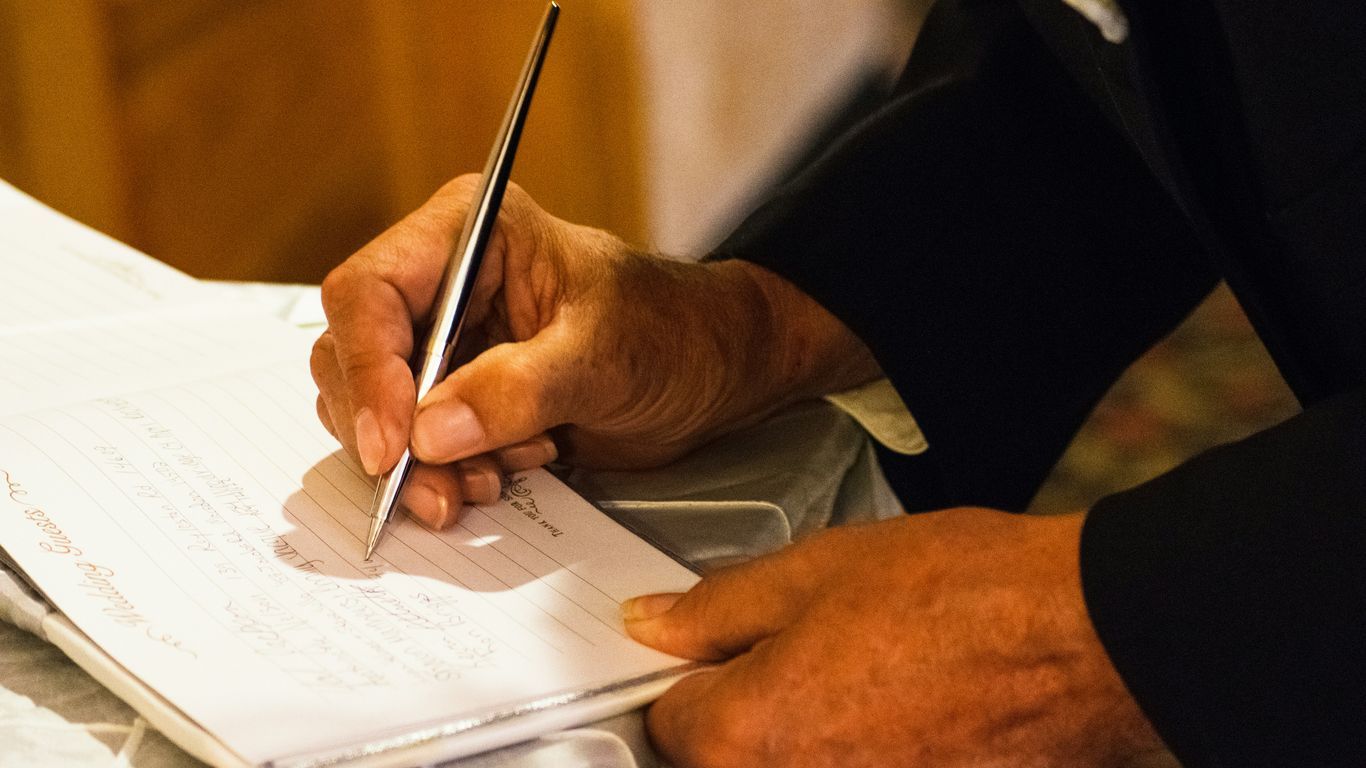
You’ve done the research, crunched the numbers, and made the call to keep your leased vehicle. Excellent! Now it's time for the final steps to officially take ownership. This stage is all about completing the necessary paperwork, understanding the final financial details, and making sure everything is in order to get the title transferred to your name.
Completing Necessary Paperwork
Once you've settled on the terms and secured financing (if you needed it), the next task is to sign the official buyout documents. This package typically includes a purchase agreement or a bill of sale, which lays out the agreed-upon price, your information, and the vehicle's details. You'll also need to sign over any rights you had under the original lease agreement. It's always a good idea to review every document carefully before you sign. Pay close attention to the vehicle identification number (VIN), the purchase price, and any listed fees to ensure they all match what you agreed to.
Understanding the Final Payoff Deal
This is the point where all the financial pieces come together. The final payoff amount will consist of the agreed-upon residual value or buyout price, plus any outstanding fees, taxes, and registration costs. If you've secured financing, this is the amount your lender will pay to the leasing company for you. If you're paying with cash, this is the total sum you'll need to provide. It's important to get a clear, itemized breakdown of this final amount. This helps ensure there are no last-minute surprises and that you know exactly where your money is going.
Taking Ownership of Your Vehicle
After all the paperwork is signed and the payment has been processed, the leasing company will release its lien on the vehicle. The next step is to handle the title transfer and registration with your local Department of Motor Vehicles (DMV) or a similar agency. You'll usually need the signed title, the purchase agreement, proof of insurance, and payment for the title and registration fees. Once this is all done, the vehicle is officially yours, and you'll receive new license plates and a title in your name. Congratulations—you now own your car!
The final steps of a lease buyout are about formalizing the transaction and ensuring all legal requirements are met. This includes accurate documentation and proper transfer of ownership, which ultimately grants you full control and title to the vehicle.
Final Thoughts on Your Lease Buyout
So, you've explored the idea of buying out your leased car. As you can see, it's a process with a few moving parts, but understanding concepts like residual value and shopping around for financing can make a huge difference. Remember to double-check your lease agreement for any hidden details and don't hesitate to negotiate on fees. By doing your homework and weighing your options, you can confidently decide if owning your current vehicle is the right financial move for you. Whether you decide to buy it or explore another path, being well-informed is the best way to approach the end of your lease.
Frequently Asked Questions
What is a lease buyout?
A lease buyout simply means you're choosing to purchase the car you've been leasing instead of just returning it at the end of the term. It’s your chance to go from renting the car to owning it.
When is the best time to buy out my lease?
Generally, the best time to buy out your lease is at the very end of the contract. This approach helps you avoid any potential fees for ending the agreement early. Plus, waiting until the end sometimes gives you a better opportunity to negotiate the final price.
How do I know if buying out my lease is a good deal?
The key is to check your car's current market value. Compare that value to the total buyout price your lease company is asking for (which is the residual value plus any fees). If the market value is higher than the buyout price, it's very likely a good deal for you.
Do I have to pay the residual value exactly as stated in my lease?
The residual value itself is usually non-negotiable since it was set at the beginning of your lease. However, you can often negotiate other costs that come with the buyout, like processing or administrative fees. It's always worth asking if these can be lowered or waived.
What if I can't pay for the buyout all at once?
If you don't have the cash on hand, you'll need to get financing. You can get a loan through the dealership, but it’s a smart move to also check with your own bank and local credit unions. They might offer better interest rates, which could save you a lot of money in the long run.
Will my car insurance change after I buy out my lease?
Yes, your car insurance will probably need to be adjusted. You'll be switching from an insurance policy designed for a leased car to one for a car you own. It’s a good idea to call your insurance company, update your policy, and see if you can get a better rate now that you're the owner.


