


business resources
How to Prove a Medical Malpractice Claim

Medical malpractice happens when a healthcare worker's negligence harms a patient. Proving such claims can be challenging due to the complexity of the medical and legal standards involved.
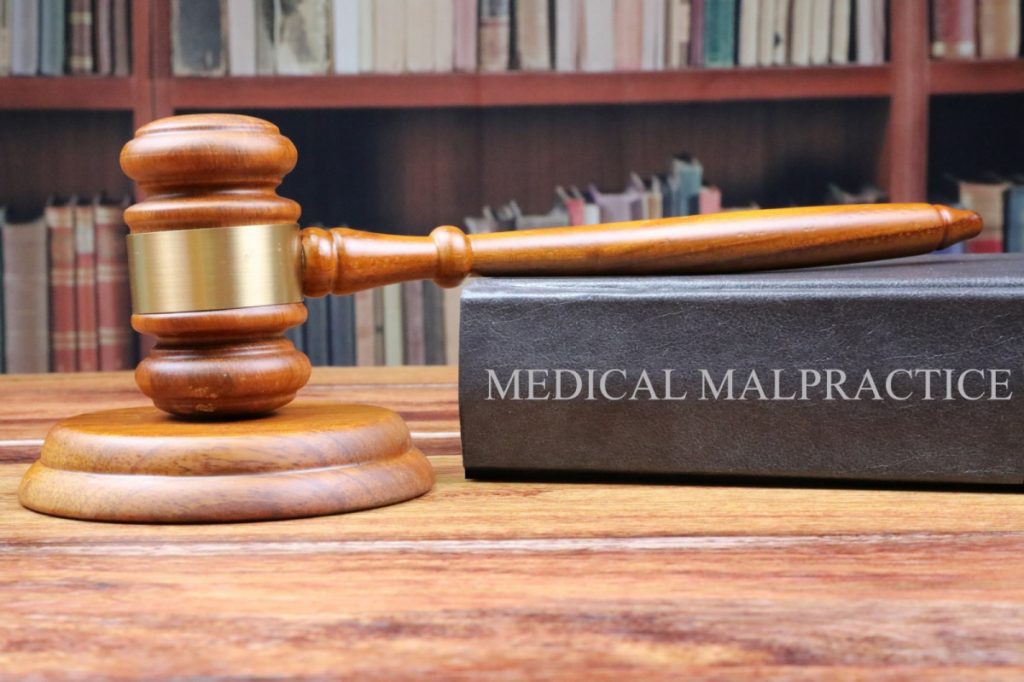
Success in a medical malpractice case requires thorough preparation and a clear understanding of the factors courts consider. To build a strong case, you must gather evidence to prove four important factors demonstrating the healthcare provider's liability.
This process ensures your claim is both valid and substantiated. Let's first know what medical malpractice means.
What Is Medical Malpractice?
Medical malpractice involves negligence by a healthcare professional that can lead to patient injury or worsened health outcomes. It can result from various situations, such as misdiagnosis, surgical errors, medication mistakes, or failure to provide appropriate treatment.
The injured party must prove that the healthcare provider's duty of care was broken and that the harm was directly orchestrated by the breach for the claim to be successful.
The Four Critical Factors
When proving a medical malpractice claim, these four factors form the foundation:
1 - Establishing Duty of Care
The first stage is to prove the healthcare provider's duty of care to the patient. This usually entails demonstrating that the patient and the practitioner have a professional connection. A doctor-patient relationship, for instance, requires the doctor to treat the patient according to accepted medical norms.
2 - Proving Breach of Duty
Following the establishment of the duty of care, the next step is to show that the provider failed to meet this standard. This involves demonstrating that their actions (or lack thereof) deviated from what a competent professional would have done in similar circumstances. Expert testimony is often essential at this stage to clarify the expected standard of care and how it was breached.
3 - Causation: Linking Breach to Harm
It is not enough to prove that a breach occurred; the claimant must also show that it caused harm experienced. This means establishing a link between the provider's actions and the injury or worsening condition. Courts often rely on medical records, expert analysis, and other evidence to evaluate causation.
4 - Demonstrating Damages
Finally, the claimant must provide evidence of the damages sustained due to the malpractice. These may include physical injuries, emotional distress, additional medical expenses, or lost income. Clear documentation, such as medical bills, treatment, and employment records, strengthens this claim.
Key Evidence in Medical Malpractice Cases
Building a robust case requires collecting comprehensive evidence. Some essential forms of evidence include:
- Medical Records: These provide crucial details about the diagnosis, treatment, and any deviations from standard practices.
- Expert Testimony: Medical experts are pivotal in explaining technical information and validating negligence claims.
- Photographs and Documentation: Visual evidence of injuries, treatment outcomes, or unsafe conditions can support your case.
- Witness Statements: Testimony from other healthcare providers, hospital staff, or family members can help establish facts.
Challenges in Proving Medical Malpractice
Proving a medical malpractice claim is often complex due to several factors:
Technical Complexity: The medical issues involved may require specialized knowledge to interpret.
Strong Defenses: Healthcare providers and insurers often have experienced legal teams prepared to defend against claims.
Time Constraints: Many jurisdictions impose strict statutes of limitations, limiting the time available to file a claim.
Knowing these difficulties, you may better prepare and avoid typical traps.
Final Thoughts
Proving a medical malpractice claim is a meticulous process requiring clear evidence and a strategic approach. You can build a compelling case by focusing on the four critical factors—duty of care, breach of duty, causation, and damages.
Collecting relevant evidence and working with qualified experts are essential steps in navigating this complex area of law. With thorough preparation, you can establish the validity of your claim and seek justice for the harm caused by medical negligence.


