
business resources
How to Start an Online Apparel Store with Minimal Investment
11 Dec 2021

The e-commerce landscape has dramatically transformed the retail sector, offering expansive opportunities for entrepreneurs, especially in the online apparel market. With the rise of digital platforms and consumer preference shifting towards online shopping, starting an online store is more accessible and cost-effective than ever before.
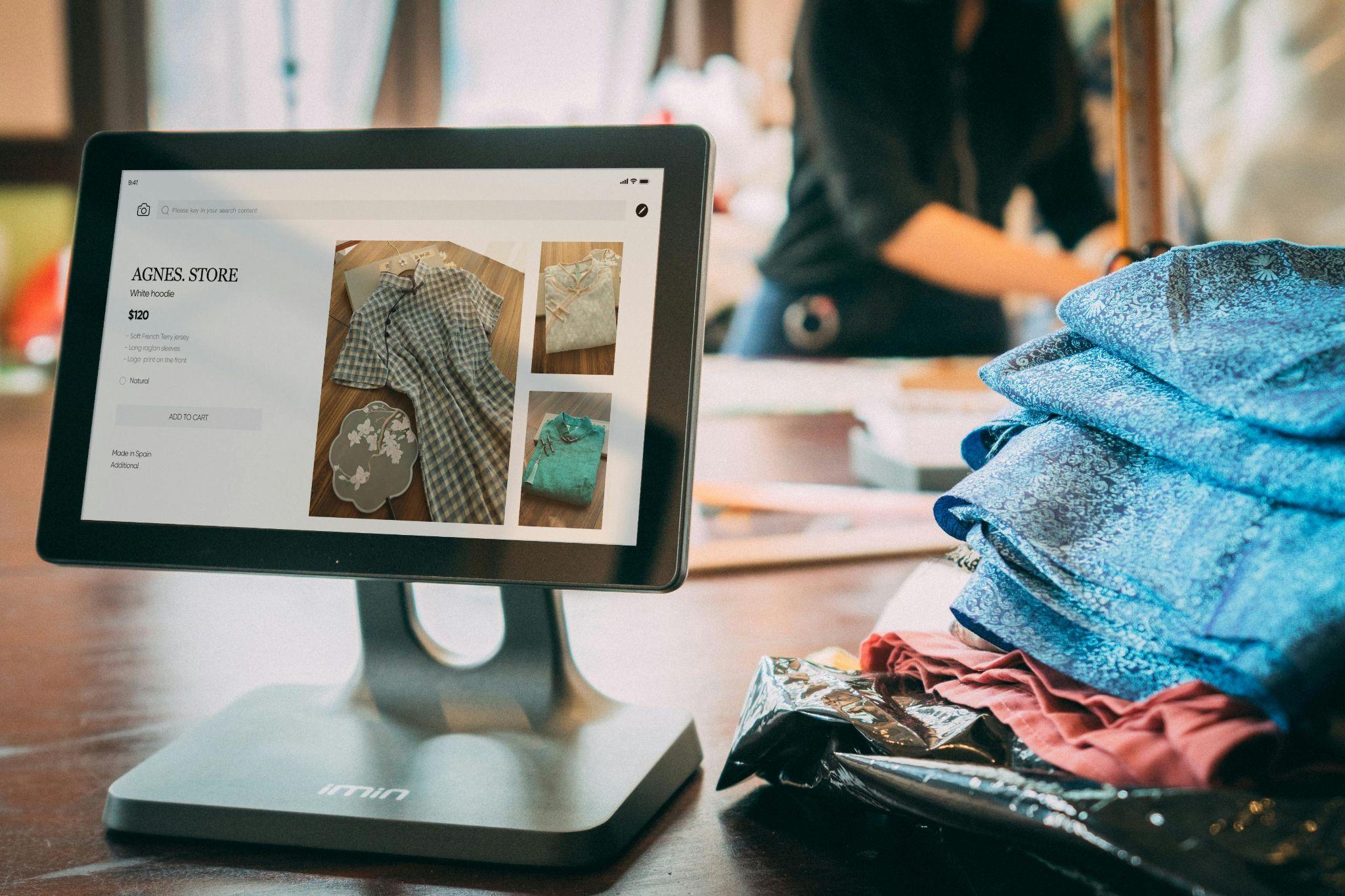
This guide will walk you through the process of launching your own apparel store online with minimal initial investment, focusing on strategies that lower financial barriers and risks.
Identifying Your Market Niche
The journey to a successful online store begins with identifying a profitable niche. In the apparel industry, this means finding a gap in the market or catering to specific fashion interests that are not adequately addressed. Start by conducting thorough market research to understand current trends, potential customer demographics, and the competitive landscape.
Use tools like Google Trends to gauge the popularity of certain styles or themes. Social media platforms can also offer insights into what potential customers are talking about and which fashion hashtags are trending. Once you’ve settled on a niche, validate its potential by analyzing search volumes, engaging potential customers via social media polls, and studying competitors to make sure there is a demand for the products you plan to offer.
Minimizing Upfront Investment Through Flexible Inventory Solutions
Traditional retail models often require a significant upfront investment in inventory. However, modern entrepreneurs have alternatives like dropshipping or print on demand services, which allow you to offer a broad range of products without purchasing large quantities upfront. These models work by partnering with suppliers who handle inventory and shipping directly to customers whenever an order is placed. This approach not only conserves capital but also mitigates the risk of unsold stock.
When choosing a print-on-demand partner, consider factors like production and shipping times, product quality, and the range of items they offer. This flexibility is particularly beneficial for new businesses that want to test the market with various designs without committing significant resources.
Designing Appealing Apparel
With a niche identified and a business model in place, the next step is product design. This stage is crucial as it differentiates your brand in a crowded market. Begin by defining a clear brand identity that resonates with your target audience. This includes deciding on a style, color scheme, and the overall message that your designs will communicate.
For those not skilled in graphic design, numerous tools and resources can help. Platforms like Canva provide user-friendly design tools, while freelance sites like Fiverr and Upwork are excellent places to find professional designers. Regardless of how you create your designs, ensure they align with current trends and customer preferences within your niche.
Utilizing Analytics for Business Optimization
For the long-term success of your online store, it's important to understand and utilize analytics. Analytical tools can provide insights into customer behavior, product performance, and overall sales trends. By regularly reviewing this data, you can make informed decisions about inventory management, marketing strategies, and customer engagement efforts.
Platforms like Google Analytics and built-in tools from e-commerce platforms can track everything from page views and bounce rates to conversion rates and average order values. Use this data to refine your marketing campaigns, improve product listings, and optimize your website for better user experience.
Effective Marketing for Your Online Apparel Store
A well-thought-out marketing strategy is vital to attracting and retaining customers. Start with a strong online presence by building a professional website that highlights your products and brand. E-commerce platforms like Shopify or WooCommerce can help you set up an attractive, functional online store with little technical knowledge.
Once your website is live, focus on digital marketing strategies to drive traffic and sales:
- Social Media Marketing: Platforms like Instagram, TikTok, and Pinterest are invaluable for apparel brands. Regular posts featuring your products, engaging with followers, and using appropriate hashtags can help increase visibility.
- Email Marketing: Build a mailing list and engage customers with updates, special offers, and personalized content.
- Content Marketing: Blog posts about fashion tips, trend analyses, and style guides can attract visitors to your site and establish your brand as a thought leader in the industry.
- SEO:Optimize your website content with relevant keywords to improve your visibility in search engine results, making it easier for potential customers to find your store.
Building Customer Loyalty and Engagement
The ability to cultivate customer loyalty is a defining factor in the success of any e-commerce venture. Exceptional customer service should be the cornerstone of your efforts, as it can convert one-time buyers into lifelong customers.
Customer Feedback: Actively seek out and listen to customer feedback. Implement a system for customers to easily share their experiences and suggestions. Use this feedback to make continuous improvements to your product line and customer service practices.
Engagement Strategies: Use social media platforms not just for promotions but for engaging with your audience. Host live sessions and Q&As, and give behind-the-scenes glimpses into your brand. These activities can make customers feel connected and valued, increasing their loyalty to your brand.
Loyalty Programs: Consider developing a loyalty program that rewards customers for repeat purchases, referrals, or even social media shares. Such programs not only encourage repeat business but also help in gathering valuable data about customer preferences and buying behaviors.
Personalization: Utilize data analytics to offer personalized experiences. Tailor product recommendations, promotions, and emails to individual customer needs and preferences, which can significantly enhance customer satisfaction and retention rates.
Community Building: Create a community around your brand by involving customers in your brand story. This could be through events, brand ambassador programs, or user-generated content campaigns. Building a community not only fosters loyalty but also turns customers into brand advocates.
Starting an online apparel store with minimal investment is more feasible today than ever before. By carefully selecting a niche, utilizing flexible inventory solutions, designing appealing products, crafting effective marketing strategies, and focusing on customer engagement, you can build a profitable business. It requires dedication, adaptability, and a keen understanding of your target market.
Remember, the key to longevity in the competitive apparel industry is not just attracting customers but turning them into brand advocates.


