


business resources
Improving Business Efficiency Through Better Office Planning
30 Jun 2026

Running a modern corporate office requires a sharp eye for how physical space gets utilized every single day. Minor adjustments in desk placement can yield significant rewards in daily operational output and team communication. Evaluating daily habits reveals hidden opportunities for spatial refinement.
Cluttered floor plans and awkward seating arrangements drain physical energy from your workforce. Transforming a chaotic room layout establishes a far more predictable routine for staff members trying to meet tight deadlines. Clear pathways allow people to move without unnecessary hesitation.
Analyze Current Spatial Dynamics
Before moving heavy furniture, track how your team navigates the current environment. Coordinating your redesign with Britannia Lanes or other relocation specialists may become part of the planning process when office relocation and workspace reconfiguration occur simultaneously. Professional support can help address the logistical challenges of moving large office assets and reorganizing heavy storage units.
Watch where foot traffic bottlenecks happen during peak morning hours. Shared items like copy machines or beverage stations frequently crowd narrow walkways. Clearing highly traveled paths permits individuals to move between tasks much faster without bumping into colleagues.
Certain seating areas remain vacant on days when sales staff travel to see clients. Gathering accurate occupancy metrics prevents firms from paying for unneeded square footage that could serve better purposes. Tracking space utilization saves money that can be spent elsewhere.
Prioritize Natural Lighting And Air Quality
Dim corners and stuffy air leave staff members feeling fatigued by mid-afternoon. A study by a top university research team revealed that maximizing indoor air freshness and daylight access can double cognitive performance scores. Illuminated workspaces sustain sharp focus throughout long operational shifts and reduce errors.
Position major workstations close to exterior perimeter windows to capture maximum daily sunshine. Low-profile furniture partitions permit natural beams to reach deep into interior zones. Staff members maintain attention longer when their surroundings mirror natural elements rather than dark basements.
Place potted plants near communal gathering spaces to assist with air filtration. Upgraded ventilation filters keep teams feeling physically comfortable during intense work hours, reducing sick days. Healthy employees produce better results over the course of a year.
Adapt To Agile Strategies
Shift market conditions demand swift, decisive reactions from modern corporate entities. A global business trends survey indicated that 70% of organizational executives plan to rely on speed and agility as a primary competitive strategy.
Modular desk units can be repositioned within minutes to accommodate spontaneous group sessions. Mobile display boards help staff members assemble anywhere to share concepts instantly. An adaptable layout absorbs headcount changes without requiring costly structural renovations or lengthy building permits.
Remove outdated structural barriers that isolate team members in deep cubicles. Open floor designs promote spontaneous communication channels across separate departments, sparking creative problem-solving. Removing physical walls builds a more connected corporate culture.
Introduce Flexible Booking Systems
Shared hot-desking setups conserve floor area but create frustration when desks fill up. Workspace research shows 46% of corporations look for tools that let personnel reserve specific desks before arrival. Providing guaranteed workspace availability eliminates morning stress for commuting personnel who need reliable desks.
Implementing reservation software delivers clear advantages for expanding businesses:
- Employees inspect real-time seating maps before leaving their homes.
- Department heads monitor which specific areas experience high demand.
- Project teams reserve grouped seating blocks for joint assignments.
Automated schedules prevent staff from wandering around searching for open terminals. Workers enter the facility knowing exactly where they will spend their shift, boosting early morning productivity.
Designate Quiet Zones For Focus
Collaborative floor plans aid group discussions but frequently disrupt deep concentration. Personnel require secluded spaces to manage complex financial ledgers or conduct sensitive phone conversations. Constructing small privacy booths isolates staff members from loud background chatter and office distractions.
Establish clear behavioral boundaries regarding acceptable noise levels inside designated spaces. Casual conversations or phone notifications should not occur near quiet enclosures. Individuals finish assignments faster when disruptive distractions drop to zero during critical tasks.
Padded partition walls help absorb stray sounds from nearby high-traffic corridors. Supplying quiet sanctuaries balances the loud nature of open corporate settings, keeping stress levels manageable for everyone. Workers appreciate having a quiet refuge when workloads peak.
Maximize Storage Solutions
Paper archives and empty supply containers consume premium floor space rapidly. Transitioning to cloud filing networks minimizes the structural need for rows of steel storage cabinets. Relocating historical records offsite creates immediate room for extra collaboration lounges or break rooms.
Tall wall shelving units tap into vertical areas that usually remain empty. Keeping desk surfaces immaculate assists workers in staying centered on core assignments. Uncluttered surfaces encourage structured thinking patterns during lengthy administrative assignments.
Distribute locker compartments for personal belongings to remove floor obstructions near chairs. Walkways remain safe and navigable when personal bags remain stowed away properly throughout the operational day. Safe paths minimize workplace accidents.
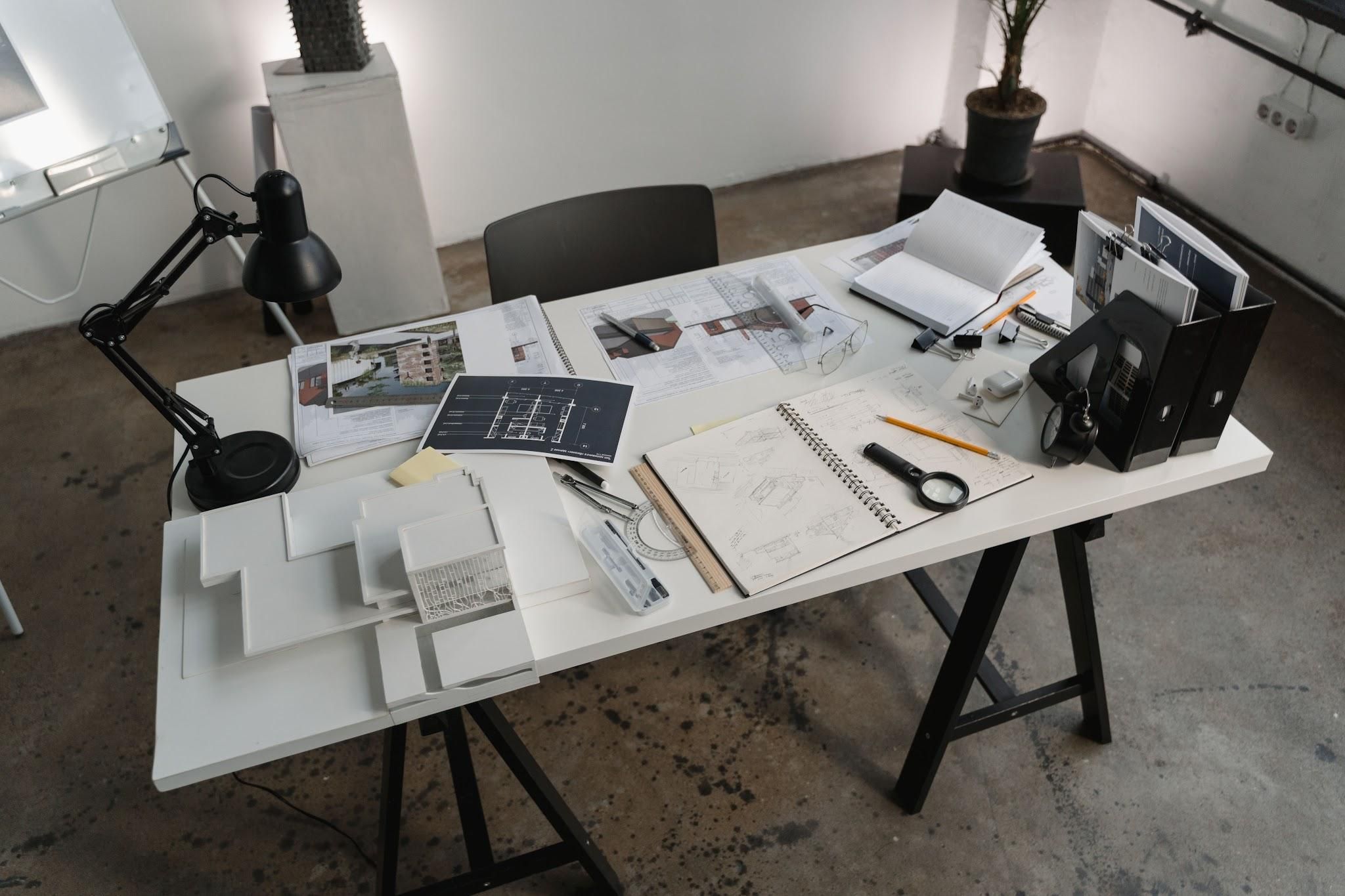
Strategic physical arrangements transform how an enterprise runs daily. Arranging work surfaces with deliberate intent strengthens workflow output and raises employee comfort across all departments. Small shifts generate substantial long-term benefits.
Dedicating time to optimize space establishes a highly functional professional environment. A refined layout provides continuous dividends by keeping daily corporate operations running without unnecessary friction.


