


resources
Improving Existing Office Buildings Without Replacing the Glass
27 Oct 2026

An office can have sound windows and still be uncomfortable to work in. Afternoon sun lands across desks, staff lower the blinds to read their screens, and meeting rooms remain exposed to a busy corridor. None of these problems automatically means the glazing needs replacing.
For building owners and tenants, the useful starting point is to establish what the existing glass needs to do better. Applied films and graphics can address particular shortcomings while retaining the windows and partitions already in place. The result depends on matching the treatment to the problem, rather than applying the same product throughout a building.
Start with the rooms people avoid
Facilities teams can learn a great deal by asking which desks are regularly left empty and which rooms need the blinds closed. Complaints may follow a particular time of day or affect one elevation much more than another.
Record where direct sunlight falls, when screen reflections become troublesome, and whether the concern is heat, brightness or privacy. A west facing meeting room may need a different approach from an internal glass office. Equipment, occupancy and ventilation also influence comfort, so glazing should be assessed as part of the wider space.
This simple brief makes product comparisons more useful. “Reduce afternoon glare at these desks” gives a specialist more to work with than “make the windows more efficient”.
Choose solar control for the actual exposure
Solar control films can reduce incoming solar heat and glare, but products differ in how much visible light they transmit and how reflective they look. A relatively clear film may suit an office where preserving natural light is the priority. Stronger glare control may require a darker option.
For businesses considering commercial window tinting in Melbourne, the assessment should include glass type, existing coatings, sun exposure and the intended appearance. Performance figures need to relate to the relevant glazing configuration, not simply the most impressive number in a brochure.
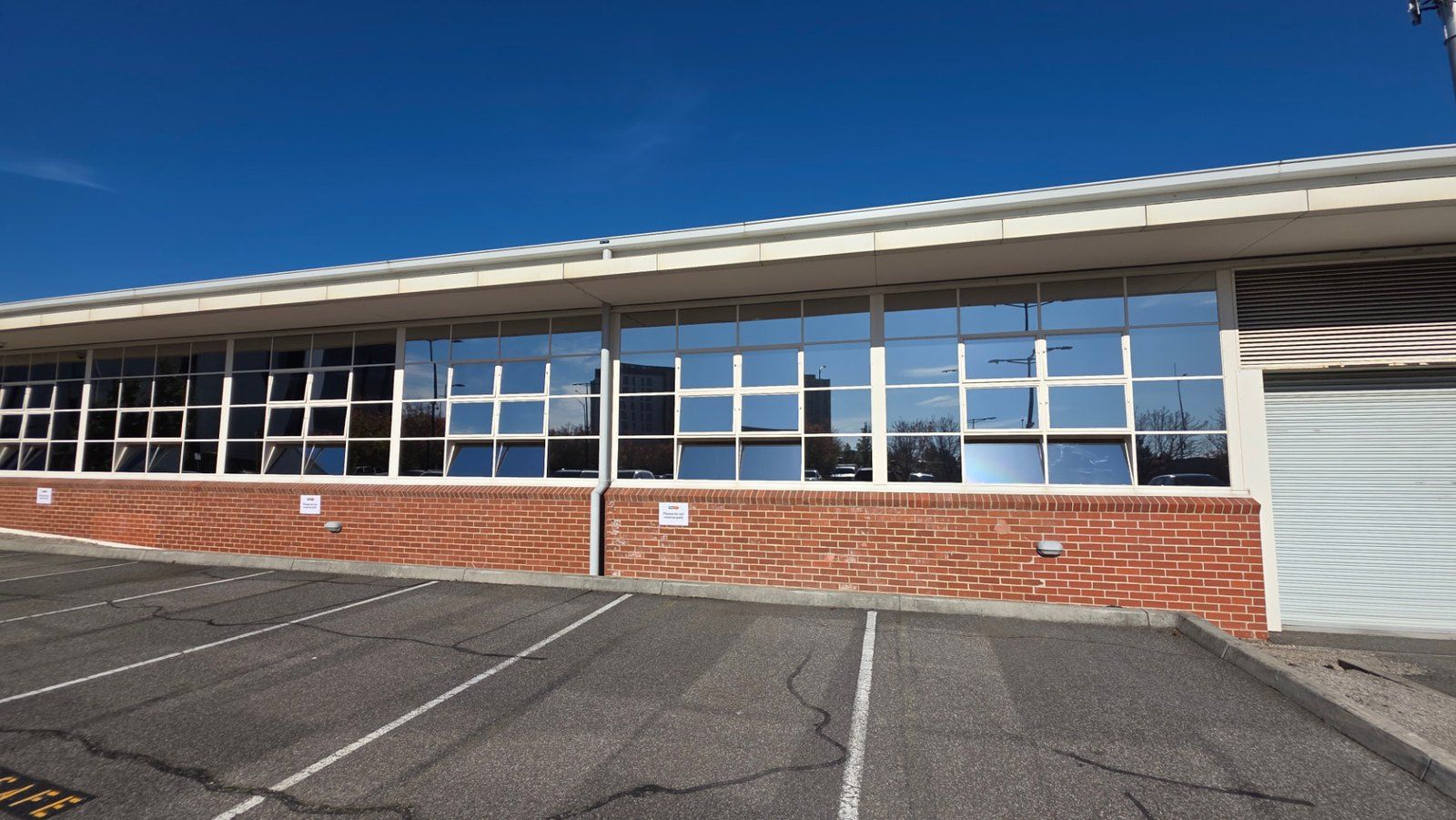
The WorkSafe Victoria office project completed by UV Window Coatings illustrates the importance of a specific brief. Solar Gard Sentinel Plus Stainless Steel 15 was installed externally across 140 panes, addressing glare while providing a consistent appearance across the glazing. That specification belongs to that building; it is not a universal prescription for office windows.
Keep thermal upgrades and replacement decisions separate
Applied film can be a practical option where existing glazing is sound. It cannot repair failed seals, damaged frames, water leaks or cracked glass. Those issues need assessment in their own right.
Solar heat control and insulation are also different requirements. Reducing summer heat gain does not automatically deliver the winter performance of a different glazing system. Some specialist films are designed to improve insulating performance, but suitability and expected results depend on the existing window assembly.
Owners should compare options against a defined objective. Where the main complaint is solar glare, replacing otherwise serviceable windows may be unnecessary. Where the problem is a deteriorating window system, a surface treatment alone will not resolve it.
Give internal glass a different brief
Meeting room partitions often need privacy rather than solar control. Frosted film can obscure views while transmitting diffuse light, and coverage can be limited to the areas that need it.
A band positioned around seated occupants may work well for a discussion room. A room used for sensitive documents or consultations may require more extensive coverage. Samples should be assessed from the corridor and from inside, including at night with the room lights on.
Reflective films should not be assumed to provide permanent privacy. Their effect depends on lighting conditions and can change after dark. Privacy requirements should therefore be written into the brief rather than inferred from a product photograph.
Make branding part of the upgrade
Existing glass can also help visitors find reception, identify a meeting room or recognise the business from the street. These needs are often discovered after a refurbishment, when temporary signs start appearing on doors.
Planning window signage and graphics alongside the glazing work allows logos, lettering and privacy treatments to be coordinated. A restrained graphic system can repeat across reception glass, partitions and suitable walls without covering every available surface.
The design should distinguish permanent information from details that change frequently. A business name may remain for years; opening hours, room allocations and campaign messages may need updating sooner.
Plan access, approval and maintenance early
Before materials are ordered, confirm who can approve changes to external appearance and internal partitions. Tenants should check building requirements, and installation planning should account for access, occupied desks, furniture and any work at height.
A site assessment should establish whether the proposed film belongs on the internal or external surface and whether existing treatments need removal. Ask for samples, a defined scope and product specific maintenance guidance.
Retaining existing glass can avoid the removal and replacement of serviceable panes. The strongest business case, however, comes from solving a documented problem: making a particular room usable, reducing a recurring glare complaint or improving privacy. Start with that outcome, then choose the least disruptive suitable way to achieve it.


