
resources
Industrial Painting Solutions for Modern Facilities
28 Nov 2025

Modern facilities depend on well-planned painting solutions to maintain safety, performance, and appearance. Industrial environments face unique challenges, including heavy equipment movement, chemical exposure, and fluctuating temperatures. These conditions require coatings designed to withstand demanding use without breaking down. A thoughtful approach to painting helps facility teams support long-term operational goals. Many managers use updated techniques to make sure surfaces stay protected through constant activity. The right strategies can influence employee safety, reduce repairs, and extend the lifespan of structural components.
Painting no longer serves as a simple decoration. It functions as a crucial layer of protection. Companies that maintain consistent coating routines observe fewer disruptions related to surface damage. With a wide range of modern solutions available, facilities can adapt painting plans to suit specific industry needs.
Assessing Facility Requirements Before Selecting Coatings
A thorough assessment of each space helps determine which coating system will perform best. Manufacturing floors might face abrasion from machinery, while storage areas deal with humidity and temperature shifts. These variations shape coating choices and highlight where extra protection is needed. Teams often conduct walkthroughs to study traffic patterns and surface conditions. Understanding how each section of a building behaves informs more accurate recommendations.
Managers gain clarity when data is collected across the property rather than focusing only on high-traffic zones. Factors such as ventilation, spills, and load-bearing surfaces can influence how well coatings bond. Facilities that review structural history recognize weak points that may require specialized treatment. Reliable assessments prevent mismatched products from being used in critical areas. A systematic review supports long-lasting results and prevents premature coating failures.
Surface Preparation Techniques That Strengthen Results
A successful industrial painting project depends heavily on proper surface preparation. Coatings adhere best when contaminants, residues, and surface defects are removed. Many teams rely on mechanical methods that create a clean, stable base. These can include grinding, sanding, abrasive blasting, or shot blasting, depending on the substrate. Every technique offers a specific level of profile, allowing coatings to bond more securely. Preparation serves as a safeguard against peeling, bubbling, or uneven curing.
Facilities that invest time in this stage notice stronger adhesion across difficult surfaces such as steel beams or concrete flooring. Moisture readings and pH testing guide decisions on when a surface is ready for coating. Technicians monitor preparation work to confirm consistency across all treated areas. By approaching preparation as a priority rather than a quick step, facilities gain longer-lasting protection from future damage.
Choosing Coating Systems That Match Performance Needs
Industrial coatings come in many formulations, each built to target particular risks. Epoxy systems deliver strength against abrasion and chemicals. Polyurethane coatings add flexibility while supporting impact resistance. Acrylic options work well in settings that need rapid drying and frequent touch-ups. Some facilities explore specialty coatings that resist corrosion, heat, or moisture intrusion. Selecting the right system requires comparing performance expectations with environmental conditions.
Decision-makers benefit from exploring product data, application limits, and curing profiles. Realistic performance planning prevents coating breakdown caused by incompatible materials. Facilities seeking guidance often look to professional providers, including those found at MClean-Company.com, who can help match project needs with appropriate solutions while providing professional services. The right combination ensures surfaces remain stable even in demanding conditions. A balanced system supports both durability and maintenance goals.
Safety Protocols That Support Large-Scale Projects
Large-scale industrial painting projects require strict safety measures to protect personnel and maintain operational continuity. Workers must navigate confined spaces, elevated platforms, and active work zones with care. Clear communication keeps crews aware of shifting conditions during each stage. Proper protective gear shields workers from fumes, chemicals, and airborne particles.
Ventilation planning helps maintain air quality during application and curing. Facilities that schedule painting during periods of reduced activity minimize disruptions. Lockout procedures safeguard equipment that could pose hazards when painting around moving parts. Routine safety meetings ensure everyone remains aligned with standards. Crews adapt their techniques to prevent accidents in high-risk zones. Reliable safety planning shapes a smoother workflow as large projects progress.
Application Techniques That Improve Durability
Professional application methods influence how well coatings perform under pressure. Teams may use rollers, brushes, airless sprayers, or electrostatic sprayers, depending on the surface and coating formula. Each tool creates a different finish and thickness, affecting long-term wear. Application conditions such as temperature, humidity, and airflow guide technicians as they adjust their approach.
Multiple layers may be required to reach the recommended film thickness for protection. Drying times must be monitored closely to avoid premature contact that weakens the coating. Technicians often use gauges to confirm accurate measurements across each section. Smooth, even coverage prevents weak points from forming due to missed spots or inconsistent application. Skilled application teams understand how to balance speed with attention to detail. A professional approach strengthens durability and reduces the need for corrective work later.
Maintenance Planning With Modern Inspection Tools
Maintenance schedules help facilities preserve their investment in industrial coatings. Without consistent monitoring, small issues can grow into larger surface failures. Modern inspection tools bring more precision to these evaluations. Some facilities use moisture meters, gloss meters, and adhesion testers to gather performance data. Digital records support long-term tracking and help identify when a surface is entering a risk period.
Inspection teams spot early warning signs such as discoloration, cracking, or blistering. Maintenance planning benefits from clear communication between facility managers and contractors. Repairs made early tend to require fewer resources and less downtime. A structured maintenance routine builds confidence in the facility’s protective layers. Planning ensures that coated surfaces remain resilient against changing operational conditions.
Coordinating Projects to Minimize Operational Impact
Painting projects must be coordinated in a way that keeps operations moving. Many facilities divide projects into phases so that daily activities continue without interruption. Coordinating schedules with department heads ensures smoother transitions. One effective method is to map out priorities and sequence work based on risk levels. This approach supports both safety and productivity. A project plan may include:
- Defined work zones
- Temporary rerouting paths
- Communication instructions
- Drying timelines
- Equipment protection measures
These elements keep teams informed about what to expect at each stage. Facilities that integrate painting schedules with production cycles maintain a stronger operational flow. Good coordination helps prevent delays that could disrupt customer commitments. The goal is to complete painting with minimal impact while preserving quality and durability.
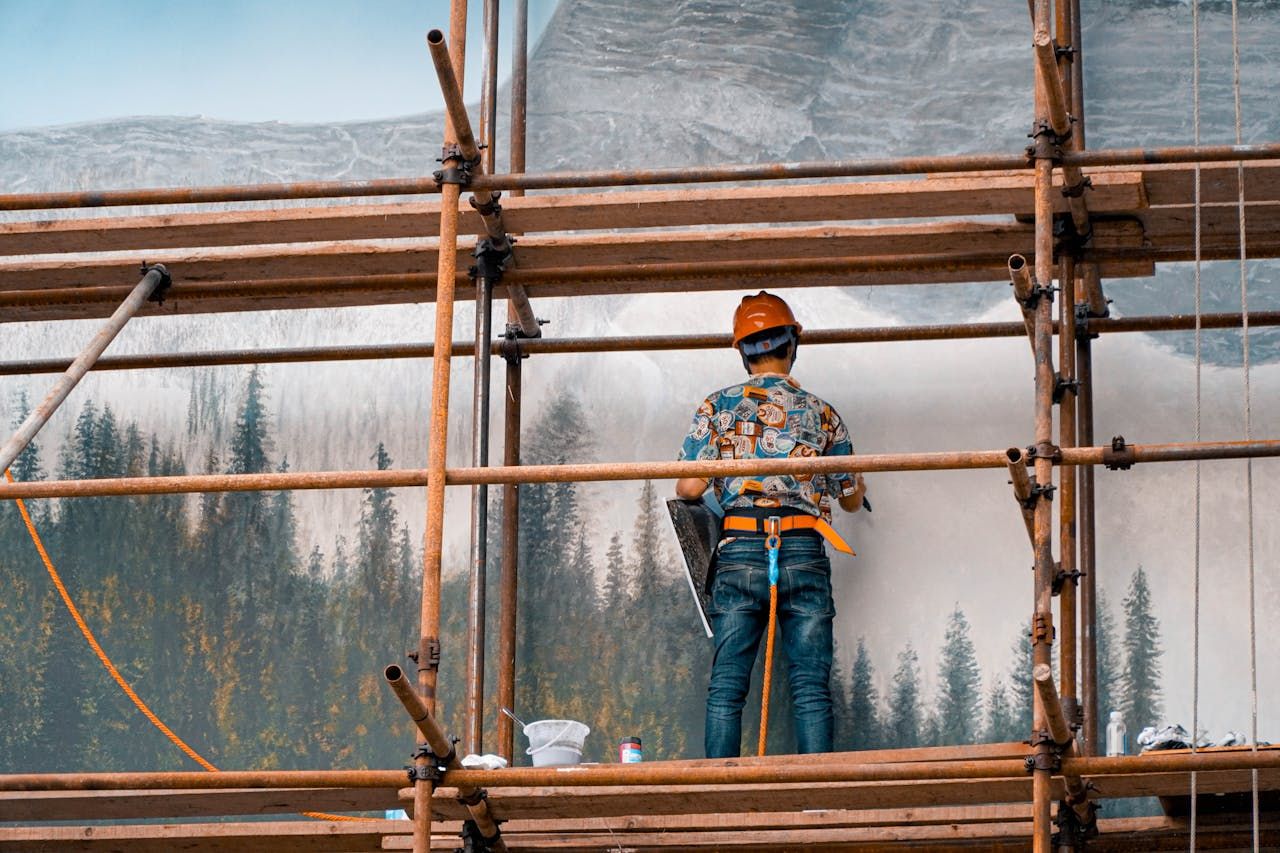
Industrial painting plays a meaningful role in protecting modern facilities from daily wear, environmental challenges, and structural damage. Applying the right coatings, preparing surfaces with care, and maintaining consistent inspection routines keep operations running smoothly. When projects are managed thoughtfully, facilities gain reliable finishes that support long-term performance and safety.


