
business resources
Inside the Vibe Coding Revolution: How Startups are Competing with Multinational Peers Thanks to AI
15 Jul 2026

Startups often lack the budget and technical expertise needed to build custom applications that streamline operations, giving their multinational peers a competitive advantage. However, the latest artificial intelligence (AI) trend, vibe coding, is changing that by making software development faster, more affordable, and more accessible than ever.
From customer relationship management (CRM) systems to project management software, startups can use vibe coding to build custom applications without extensive coding knowledge or the help of professional software developers.
No-code application builders, such as Quickbase’s Pave, use generative AI (GenAI) and natural language prompts to generate functional applications in minutes. This emerging AI trend is helping startups streamline operations and compete with multinational organizations.
This article will explore the vibe coding revolution and explain how startups are using AI to compete with their multinational peers.
What Is The Vibe Coding Revolution?
Vibe coding is an emerging approach to software development that uses GenAI and natural language prompts to create custom applications, rather than relying on manual programming and complex lines of code. Users use natural language prompts to describe the application’s functionality and interface they need, and AI handles the rest.
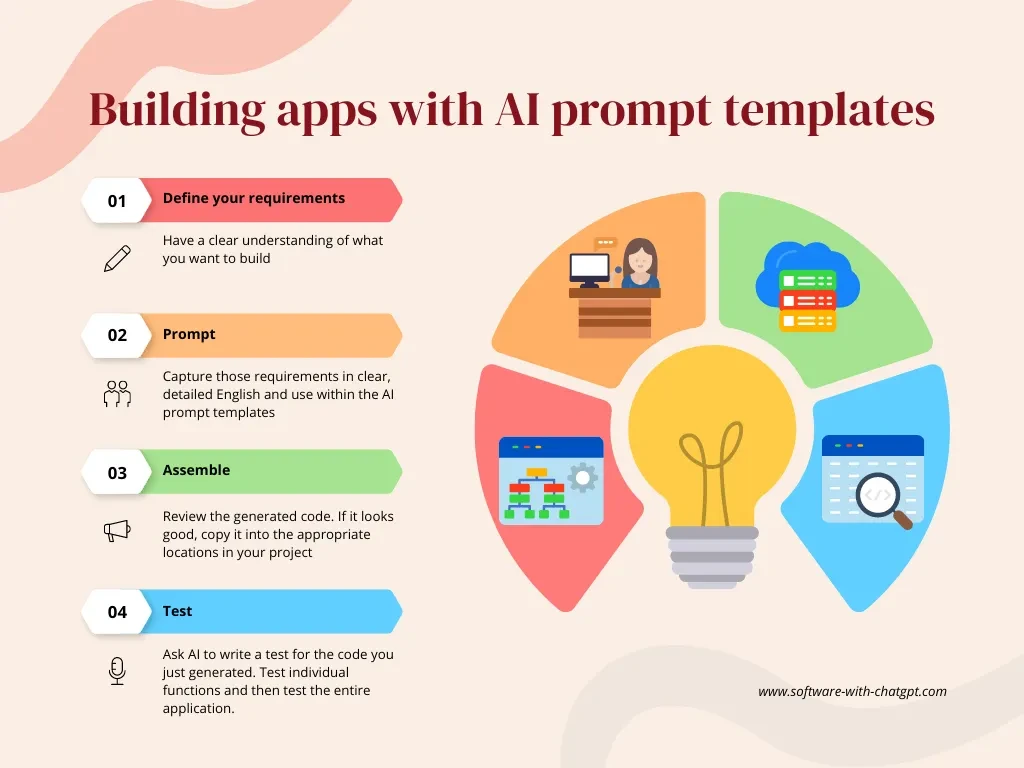
The vibe coding revolution is changing who can build software and how quickly it can be developed. As AI-powered, no-code application builders continue to improve, even more users will be able to participate in accelerated software development.
Startups can use vibe coding to create custom applications that support:
Customer relationship management (CRM): CRM applications help startups organize customer information, track sales opportunities, manage communications, and monitor customer journeys.
Inventory management: For startups selling physical products, inventory management applications can track stock levels and orders.
Project management: Project management applications can assign tasks, monitor deadlines, and provide real-time progress updates, helping small teams manage multiple projects simultaneously.
Employee onboarding: Employee onboarding applications can automate document collection, training, equipment requests, and task assignments, creating an efficient onboarding experience while reducing administrative workload.
How AI Is Helping Startups Compete With Multinational Peers
Multinational organizations often have dedicated software development teams and significant budgets. They have developed custom applications for many years that automate complex workflows, boost operational efficiency, support international currencies and languages, and enhance scalability.
Before the vibe coding revolution, startups often struggled to compete with their multinational peers because they lacked the budget, technical expertise, and time required to develop impactful, custom applications. Here are some of the main challenges with traditional software development:
High costs: Outsourcing to a software developer or hiring an in-house software development team can cost thousands of dollars, making it unaffordable for many startups.
Limited technical skills: Many startup founders have professional backgrounds in business, sales, or marketing, rather than software engineering. This means startup founders often lack the technical skills to build applications themselves.
Long development cycles: Traditional software development projects often take months to build, develop, test, and deploy. This can significantly delay product launches and business growth for startups.
Competing priorities: Startup teams are often small and spend most of their time focusing on acquiring customers, securing funding, and growing the business. This leaves little time for teams to manage traditional software development.
Today, AI-powered, no-code application builders enable startups to build custom applications without lengthy and expensive development cycles, helping them compete more effectively with their multinational peers. Building an app with Pave allows startups to move beyond generic applications that don’t support their unique processes or growth ambitions.
Instead of waiting months for a custom application to be developed and tested by professional software developers, startups can create working prototypes in days and refine them with further natural language prompts or manual editing. This enables startups to enhance their operations more efficiently.
The Future of Startups
Thanks to AI-powered, no-code application builders, startups are able to better compete with multinational organizations that have dedicated software teams and significant budgets.
As the vibe coding revolution continues and more startups gain access to robust software development capabilities, we can expect to see a rise in the use of custom applications. This will ensure startups are better positioned to innovate, grow, and compete more effectively with multinational peers.


