


FX & Currencies, Trader Education, Trading Strategies & Tech
Forex Trading MBA Part 1 – Introduction
05 Apr 2012

Forex Trading MBA Part 1 – Introduction!
Welcome to the tradersdna – intelligenthq Forex Trading MBA course! This course is intended for people who are completely new to the world of forex trading, or those who know a bit about finance but want to get clued-up in the ways of forex.
What is forex?
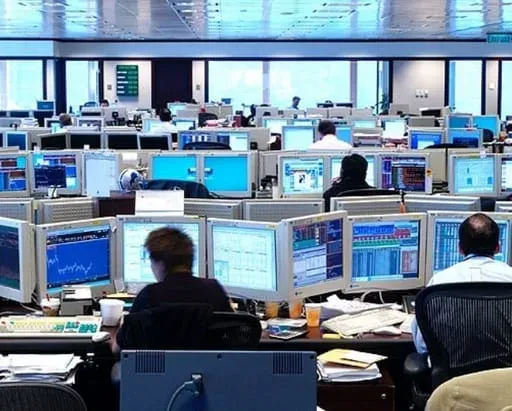
Forex is short for FOReign EXchange, which is the trading of one currency for another. If you have ever had do buy foreign currency for an overseas trip, then you will already have participated in a basic form of forex trading.
However, the vast majority of forex trades take place electronically, without any physical currency changing hands. All forex trades, except for physical exchanges of notes, take place over a vast, decentralized computer network, which operates 24 hours a day between Sunday evening and Friday night.
At the time of writing, more than $4 trillion worth of currencies are traded every day on the forex market, which makes it far and away the biggest financial market in the world. By way of comparison, the average trading volume on the New York Stock Exchange is around the $150 billion mark.
Who trades forex?
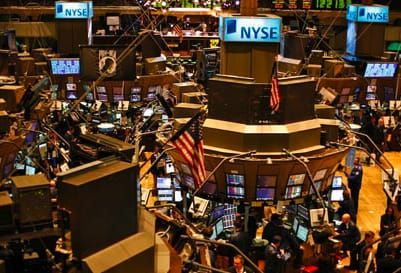 The vast majority of trades on the global forex market are placed by big banks and investment houses. A significant portion of these trades are made automatically by computers, rather than human traders, although manual trades made on behalf of the big banks does still account for a large proportion of the trades. A smaller proportion of the trades are made by companies who need to exchange currencies in order to trade with overseas clients and partners.
Up until around a decade ago, it was uneconomical for smaller institutional investors and private investors to trade forex, due to the huge quantities that currencies tend to be bought and sold in on the forex market. Typically, the minimum amount of currency that you could buy or sell in a single transaction was around the 100,000 unit mark.
This all changed with the introduction of margin trading for smaller investors, which is also known as leverage. This basically means that the broker will lend you the large amount of money that you need for the trade, in exchange for a smaller security deposit. You can then take the full profit from the trade, although you will be liable for the full loss if the trade goes against you.
 Why would you want to trade forex?
To make money of course! Basically, if you like to keep up with world news, and have an aptitude for economics, then you may be well suited to forex trading. Forex trading is also a lot more financially accessible to smaller traders, as you can make profitable trades without much starting capital, which is less easy to do with other types of trading such as equities. While it takes a lot of expertise to become a profitable forex trader, it is actually quite simple to grasp the basics, and you can get started trading on a practice account (where no money is involved) after reading just a few pages of this course.
Forex is just like any other form of trading, such as shares or bonds trading, in that you have to make judgements about which way the price is going to go based on what you know about the currency and the market in general. If you were trading shares, you would probably need to keep an eye on company news and market updates, whereas if you were trading forex, you would need to keep a closer eye on economic news. There are lots of different analysis methods that you can use to determine the likely price direction of a currency, and we will go over these in detail later on.
How do I trade forex?
In order to trade forex, you need to set up an account with a broker that offers forex trading. This will give you access to market data, and the facility for making trades via an online trading console. When you are starting out, it is highly recommended that you trade using a practice account, so that you do not risk any money. However, once you have reached an acceptable level of expertise, you can start to make money from forex trading by opening a paid account, which will involve depositing a certain amount of money as a security deposit for your trades.
Is it easy to make money from forex?
The simple answer is yes, with the caveat that it is much, much easier to lose money – especially when you are starting out. For instance, you might get lucky with your first trade and make a bumper profit, but unless you had done a lot of research and analysis before making this trade, then your chances of achieving this would have been very slim indeed. Even experienced traders lose money on a regular basis, and you should never invest money in the forex market that you are not fully prepared to lose.
What will I learn on this course?
This course will take you through the basic mechanics of forex trading, so that you can know what you are looking at when you have the trading console in front of you, and how to make trades. Later on, we will give you the analytical skills required to make informed trading judgements, and then we will finish up by helping you to form a trading strategy that works for you. After that, you’re on your own – but don’t worry, as we will point you in the direction of plenty of resources that will be useful to your development as a trader.
Full Forex Trading MBA series:
Forex Trading MBA Part 1: Introduction
Forex Trading MBA Part 2: Exchange Rates and Currency Pairs
Forex Trading MBA Part 3: Currency Quotes
Forex Trading MBA Part 4: Market Depth and Liquidity
Forex Trading MBA Part 5: Key Terms Explained
Forex Trading MBA Part 6: Placing Trade Orders


