


business resources
Inventory Mastery: How SMEs are Outpacing the Competition
06 May 2026

Small and medium enterprises often face pressure to keep up with massive corporations. These smaller teams must find ways to work smarter to stay relevant in a fast-paced market. Managing stock levels accurately is one of the most effective ways to build a lead.
Many leaders now focus on refining their supply chains to save money and keep customers happy. This shift helps smaller brands compete on a global scale. Success comes from using the right tools to gain a clear view of every product in stock.
The Shift Toward Digital Inventory Control
Old methods of counting items on paper often lead to errors and lost revenue. Modern businesses are moving away from manual logs to avoid these common pitfalls.
Real-time data allows teams to see what is moving and what is sitting idle. Using a digital log keeps everyone on the same page and reduces the chance of missing a sale.
Small businesses represent roughly 90% of all companies on a global scale, according to research shared by the Journal of Circular Economy. These organizations often find it difficult to hire the same level of tech specialists that huge firms employ.
Leaders must recognize that staying small does not mean staying behind. Digital records provide a foundation for making smart choices about what to buy next. Tracking every unit helps a team spot trends before they become a problem.
Maximizing Efficiency With Software
Operations run much more smoothly when everyone has access to the same live data. Staying organized becomes easier with inventory management software that links sales and warehouse data together. This connection prevents overselling and keeps your shipping team on schedule. Teams can focus on growing the brand instead of fixing errors.
Efficiency gains often come from automating the tasks that take up too much time. Scanning items into the system reduces human error during the receiving process. Automating these steps allows staff to focus on more creative and high-value work.
- Reduced manual entry errors.
- Faster order fulfillment times.
- Lower storage costs.
- Better tracking of high-value items.
Creating a system that works for your team is a process of trial and error. You must listen to the people on the floor who use the tools every day.
Their feedback helps refine the workflow and makes the software even more powerful. A system that fits the team will always outperform a generic one.
Leveraging Data For Smarter Business Decisions
Data is the foundation for any growth strategy in the modern retail world. Knowing which products sell best during specific months helps plan for the future.
Small teams use these insights to spend their budgets where they will see the best return. Making decisions based on facts rather than guesses is a huge advantage.
Reports on business technology in the UK show that local firms adopt cloud tools and data analytics at rates above the international average.
These companies use that information to understand exactly what their customers want. Staying ahead of these tech trends helps a small shop compete with much larger players.
Small business owners can use these metrics to negotiate better deals with their partners. Showing a supplier that you have a steady demand for a part can lead to lower prices.
Every dollar saved on the back end is a dollar that can go toward marketing or new products. A healthy budget is built on the back of smart data.
Overcoming Technical Barriers In Small Operations
Starting a digital transformation can feel like a heavy lift for a small staff. Many owners worry about the time it takes to set up new systems. Breaking the process into smaller steps makes the transition more manageable for everyone.
Training is a key part of making sure new tools actually provide value. Teams that learn the system well can find ways to improve their daily routines.
Constant learning keeps the business agile and ready for sudden changes in the market. A team that feels confident with its tools will work more efficiently.
Resistance to change is natural in any workplace, but clear communication helps ease the transition.
Explaining how the new system will make daily tasks easier can build buy-in from the start. Once the staff sees the benefits, they will likely embrace the new way of working. Open dialogue is the fastest path to progress.
Scaling Operations Through Cloud Infrastructure
Cloud tools provide a level of flexibility that older systems simply cannot match. Staff can check stock levels from a phone or a laptop anywhere they have internet.
Integrating AI with cloud platforms can increase the speed and reliability of a digital storefront, as noted in a recent engineering journal. These systems manage large amounts of data without the need for a physical server room.
Moving to the cloud offers a layer of security that paper logs cannot provide. Encrypted data is much harder to lose or steal than a physical ledger.
Small brands use these stable systems to grow since they do not need to buy expensive hardware this choice saves capital for other needs.
Managing Supplier Relationships For Growth
Strong ties with suppliers are a secret weapon for any growing company. Communicating clearly about needs helps avoid stockouts during busy seasons. Digital tools can send alerts when it is time to order more supplies.
- Better negotiation power through clear data.
- Reduced lead times for popular items.
- Improved trust through consistent payments.
- Easier tracking of bulk shipments.
Transparency in the supply chain builds confidence for both the seller and the buyer. When you know exactly where your parts are, you can give customers accurate delivery dates. This level of honesty builds long-term loyalty and repeat business.
Consistent communication with vendors helps you spot potential delays before they impact your customers. Having a backup plan for critical items keeps the business running during unexpected shortages.
A well-managed supply chain is a sign of a professional and mature operation. Leaders who value their partners often see more success in the long run.
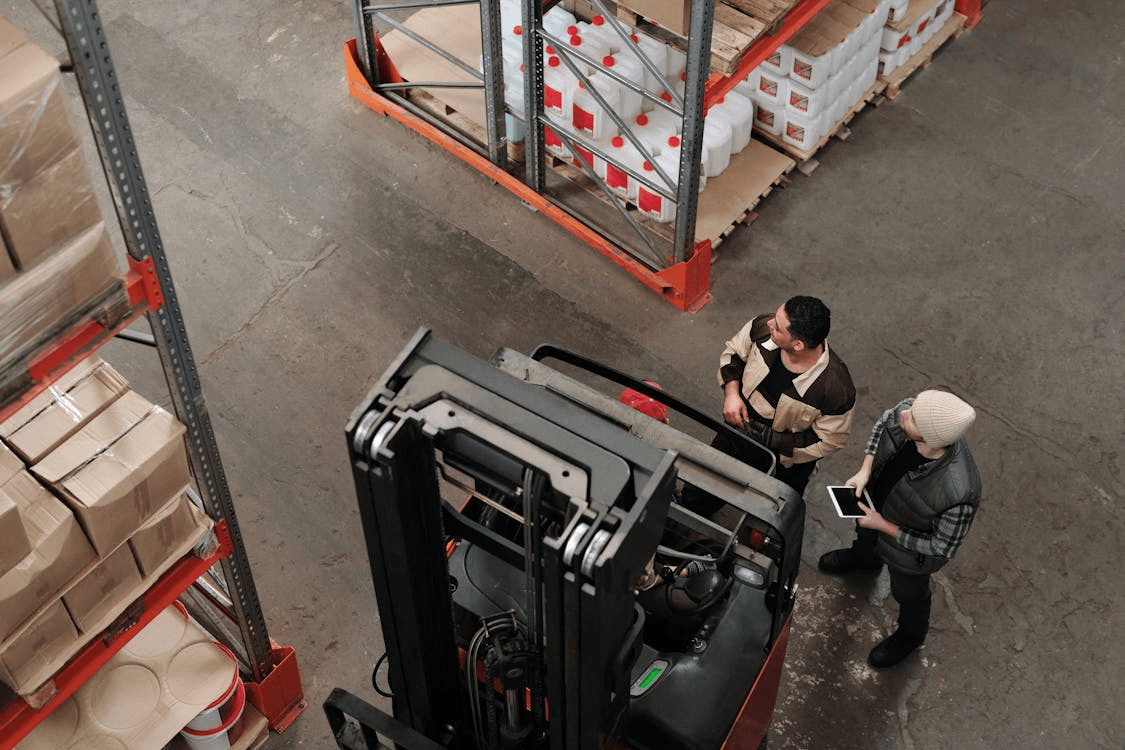
Refining The Customer Experience
Customers expect fast shipping and accurate stock counts every time they shop. Providing this experience is only possible when the back end of the shop is organized.
Small teams that master their stock can offer a level of service that rivals big retailers. Happy customers are more likely to share their experiences with others.
Accuracy in your inventory means fewer disappointed buyers who find out an item is out of stock. Meeting expectations every time helps a small brand stand out in a crowded space. Long-term success in a competitive world depends on this kind of consistency.
A smooth checkout and delivery process builds a strong bond with the audience. People appreciate it when a business respects their time and delivers what was promised.
Investing in better stock tracking is an investment in the happiness of every person who buys from you. A satisfied customer is the best marketing tool any small business can have.
Managing a business requires constant attention to detail and a willingness to adapt. Small enterprises have a unique chance to move faster than their larger rivals. Mastering the flow of goods is a major step toward long-term stability.


