


Fashion Industry
JD Institute of Fashion Technology Marks 38 Years of Design Education in India
13 Oct 2026

Founded in 1988, JD Institute of Fashion Technology celebrates nearly four decades of creative education, a network of more than 45,000 graduates and alumni, and an expanding ecosystem spanning design, technology, industry and community.
13 October 2026 — Mumbai — JD Institute of Fashion Technology has marked its 38th anniversary, celebrating nearly four decades of design education and its continued role in preparing students for careers across fashion and the wider creative industries.
The anniversary event was held at Bombae Apartment Club in Mumbai and brought together students, team members and industry figures including fashion designer Archana Kochhar, photographer Vikram Bawa, writer Sangeeta Wadhwani, entrepreneur Vinit Parikh, film producer Tushar Rothe and actor Alok Arora, among others.
The gathering was designed not only as a celebration but also as an opportunity for students to engage directly with professionals from across the creative sector and build connections beyond the classroom.
From a family vision to a wider creative ecosystem
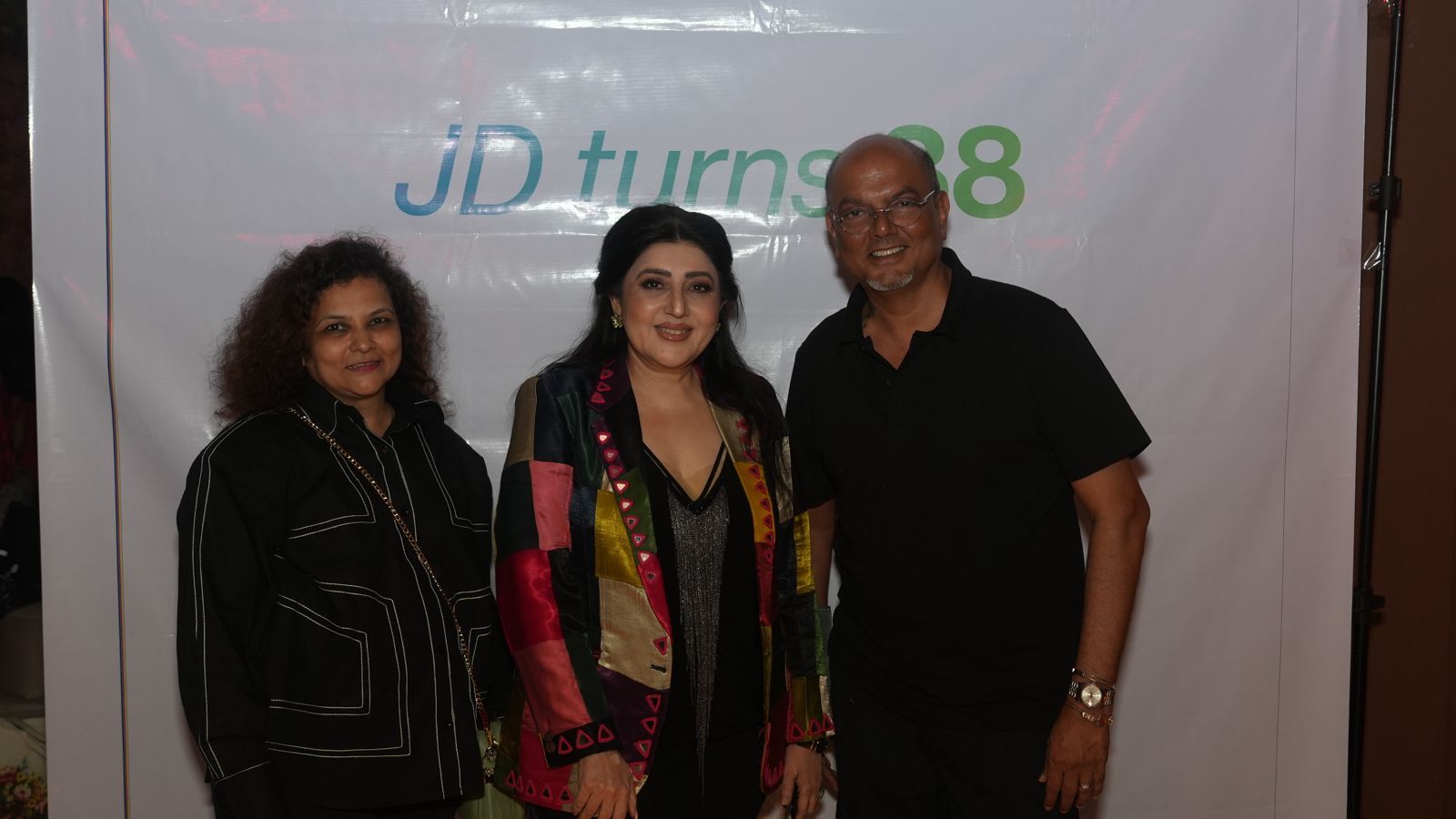
JD Institute traces its origins to 1988 and says it has since developed into an ecosystem of nine brands spanning education, industry, creativity, technology and community.
The institution continues to evolve under the guidance of Yogesh Dalal, Trustee, and Dr Payal Dalal, Director, JD Institute of Fashion Technology, while the Dalal family remains closely connected to its long-term direction.
The anniversary reflects that generational continuity.
Rinesh Dalal, Director of JD Institute of Fashion Technology, said:
Thirty-eight years of JD is a story of generations of students who came here with an ambition and went on to build their own journeys in the creative industry.
He credited the institute’s development to the original vision of his grandfather Chandrakant Dalal, his parents, teachers, centre directors, parents and successive generations of students.
Design education is changing alongside the industry
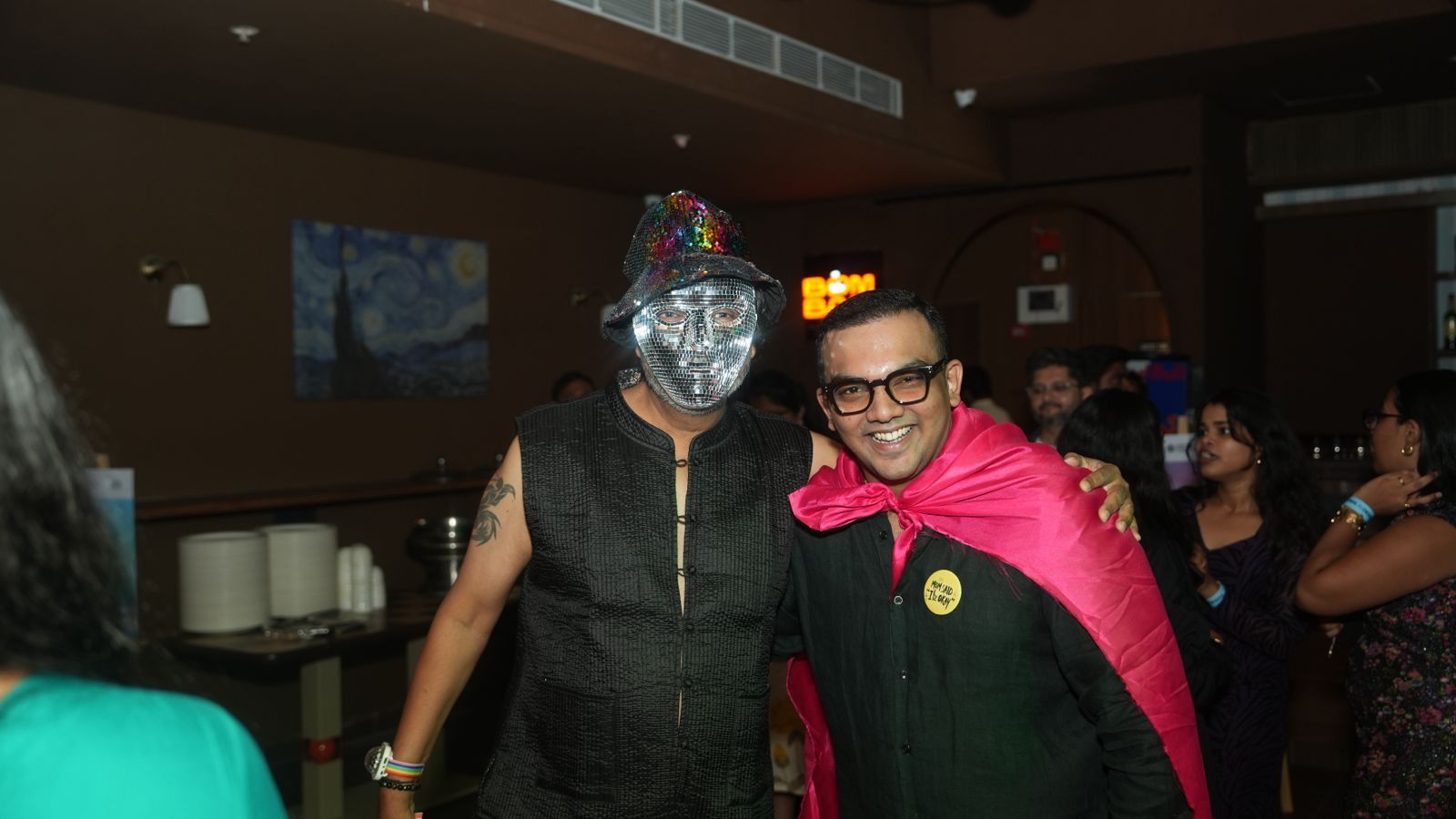
Fashion and design education has changed substantially since JD Institute was founded.
Digital tools, new technologies, evolving consumer expectations and changing creative workflows increasingly shape what students need to understand before entering the industry.
JD Institute says it has responded to those changes by adapting its programmes to new practices and technological developments while keeping creativity and self-expression at the centre of its teaching approach.
Students are encouraged to explore ideas, experiment with different forms of expression and develop confidence in their work.
The institute also places emphasis on interaction and enjoyment as part of the learning process, reflecting a broader shift in creative education away from purely technical instruction toward more exploratory, project-led learning.
Industry access remains central to the student experience
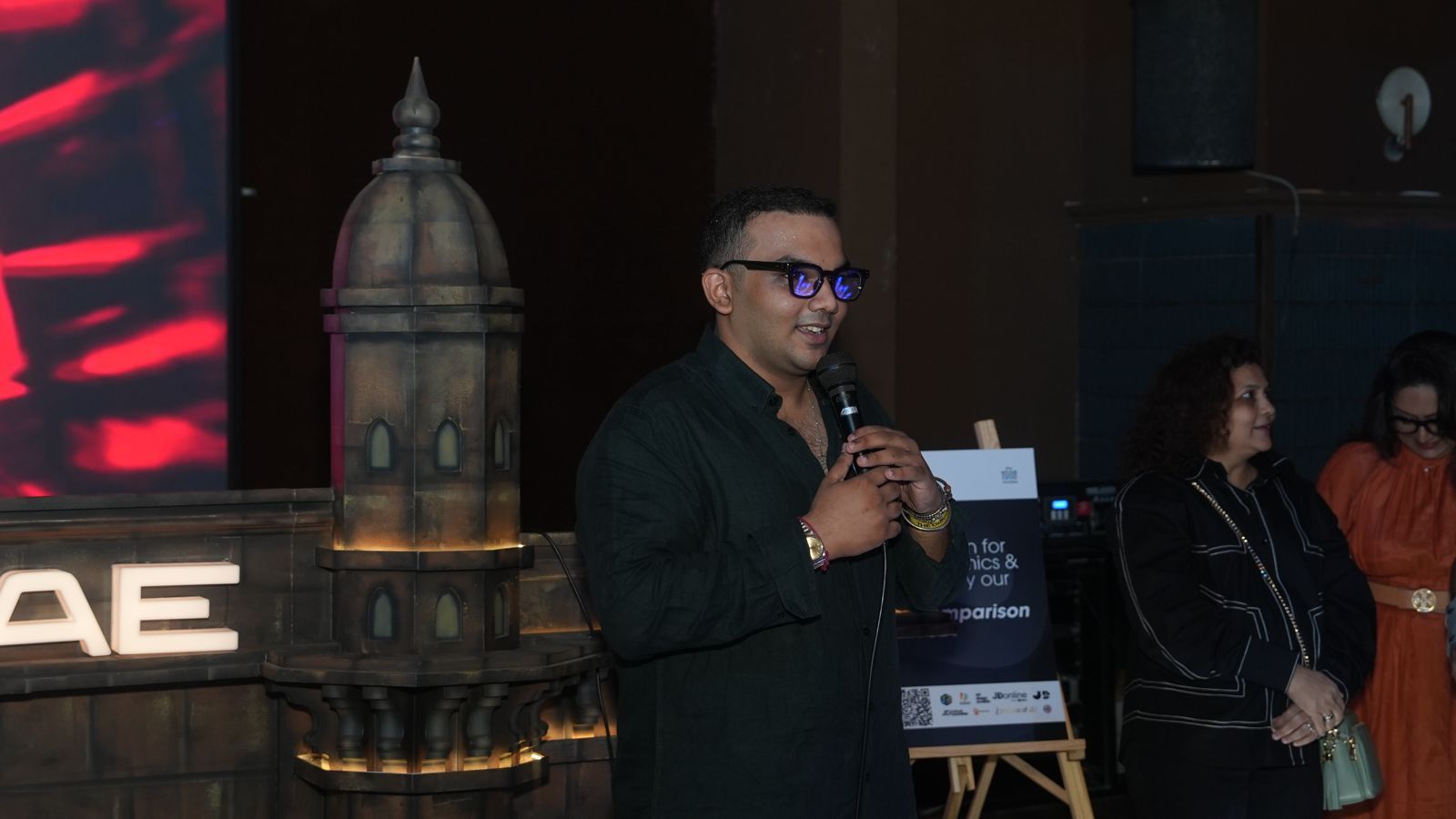
The anniversary event highlights one of the institute’s key themes: connecting students with working professionals.
Fashion education increasingly depends on exposure to the realities of the industry, from changing production processes and digital design to branding, entrepreneurship and visual communication.
By bringing established designers, photographers, writers, producers and entrepreneurs into the same environment as students, JD Institute is seeking to make that relationship more direct.
For students, access to industry figures can provide a clearer understanding of how creative careers develop beyond formal coursework.
It can also help them see how design skills translate into adjacent industries such as media, film, photography, business and technology.
More than 45,000 graduates and alumni
JD Institute says its network now includes more than 45,000 graduates and alumni.
That scale gives the organisation a substantial footprint across India’s creative sector and provides current students with access to a wider professional community.
As the institute enters its next phase, it says its focus remains on nurturing curiosity, encouraging creative expression and helping students develop the confidence required to build careers in fast-changing creative industries.
Dalal added that the anniversary is as much about future students as it is about the institution’s history.
As we celebrate this milestone, we also celebrate the people who have brought us here and the generations of creative talent who will take this journey forward.
Fashion education beyond technical skills
The role of fashion schools has expanded considerably over the past decade.
Students today increasingly need to understand not only garment design but also visual storytelling, digital tools, sustainability, retail, branding, entrepreneurship and changing consumer culture.
Institutions therefore face the challenge of combining foundational design principles with a curriculum that remains relevant to industry transformation.
JD Institute’s stated approach places experimentation and creative confidence alongside industry exposure, reflecting that broader shift.
The institute’s expansion into multiple brands also suggests a move toward a more connected creative ecosystem rather than a single-discipline education model.
A milestone shaped by generations
At 38 years, JD Institute’s anniversary represents more than institutional longevity.
It reflects a model built across generations of the Dalal family, educators, centre directors and students, while adapting to an industry that continues to change rapidly.
The institute’s next challenge will be maintaining that continuity while responding to new technologies, changing career paths and a more interdisciplinary creative economy.
For JD Institute, the stated priority remains clear: helping the next generation of students turn creative ambition into practical industry pathways.
About JD Institute of Fashion Technology
JD Institute of Fashion Technology is an Indian design education institution founded in 1988.
It operates across a wider ecosystem spanning education, creativity, technology, industry and community, and says its graduate and alumni network now exceeds 45,000 people.
The institution is led by members of the Dalal family, including Trustee Yogesh Dalal, Director Dr Payal Dalal and Director Rinesh Dalal.


