
business resources
Job Search in 2025: Why Organization Matters More Than Ever
31 Oct 2025

As someone who's been in the tech industry for over a decade, I've witnessed countless colleagues navigate job transitions. I've also been through several job searches myself, during immigration as well, and let me tell you—the landscape has changed dramatically. What used to be a relatively straightforward process of applying to a handful of positions has evolved into something far more complex and overwhelming.
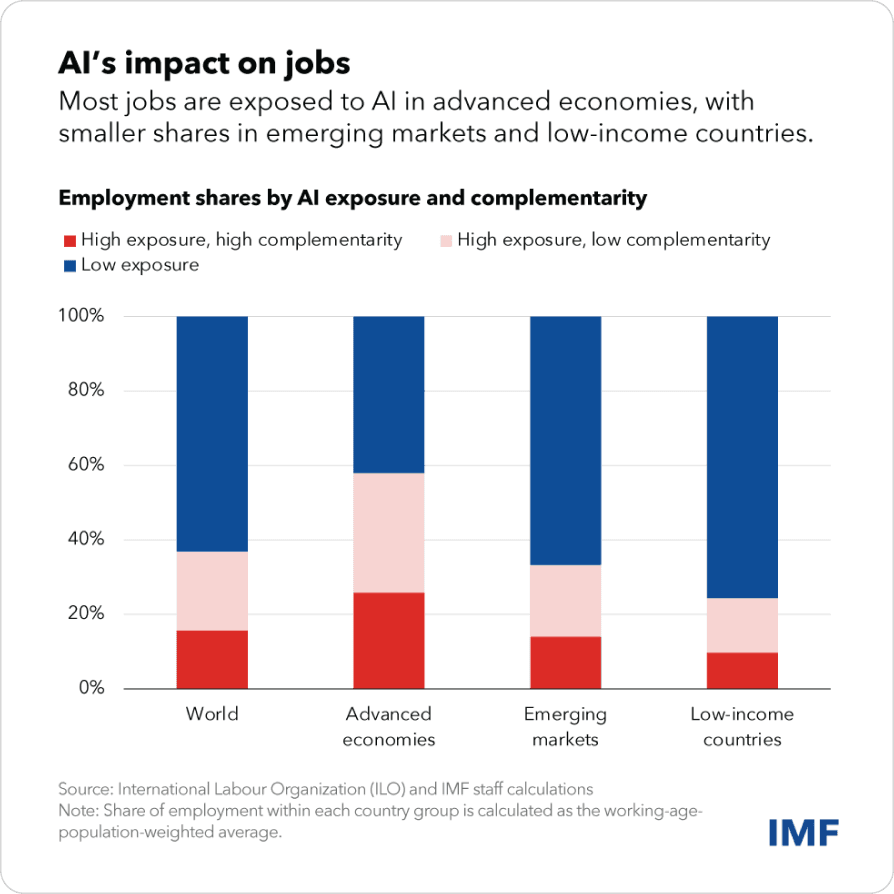
The data paints a sobering picture: in 2022–2024 alone, 507,201 workers were let go from 2,529 tech companies. A perfect storm is created when you combine that with the impending effects of AI on employment, which experts estimate could impact 60% of jobs in advanced economies. It is evident that today's labor market is very difficult for professionals at all levels when you take into account political unpredictability, economic uncertainty, and international conflicts.
But here's what I've learned: while we can't control market conditions, we can absolutely control how we approach our job search. And that starts with organization.
The Modern Job Search Reality
The days when you could apply to five companies and expect three interviews are gone. Today's job seekers are applying to dozens, sometimes hundreds, of positions across multiple platforms. LinkedIn, Indeed, AngelList (Wellfound nowadays), company websites, networking events, referrals—the channels have multiplied, and so has the complexity.
I remember my own recent job search vividly. I started with the same approach most people use: a Google Spreadsheet. Column A for company name, Column B for position, Column C for date applied. Simple enough, right?
Wrong.
My "simple" spreadsheet turned into a monster in a matter of weeks. I was adding columns for notes from each conversation, follow-up reminders, interview dates, recruiter contacts, and salary ranges. Then it occurred to me that I needed a place to keep track of various drafts of my portfolio samples, cover letters, and resume. Folders like "Resume_Frontend_v3" and "CoverLetter_Startup_Final_ACTUALLY_FINAL" cluttered my desktop.
My notes were jumbled between the spreadsheet, the notes app on my phone, and stray bits of paper, which caused me to miss a follow-up interview. That was the tipping point. I realized there had to be a better way at that point.
The Birth of MaxOfJob
As an engineer, my instinct was to build a solution. But first, I wanted to understand if other people were struggling with the same issues. I talked to friends, colleagues, and fellow job seekers. The stories were remarkably similar:
- "I have seven different resume versions and I never know which one to use"
- "I forgot to follow up with that recruiter and now it's been three weeks"
- "I can't remember what we talked about in the first interview"
- "I have no idea how many applications I've actually sent"
It became clear that the traditional tools—spreadsheets, notes apps, email folders—weren't built for the complexity of modern job searching. So I started building what would become MaxOfJob.
What Makes a Job Application Tracker Actually Useful
Having been through this process myself, I knew any solution had to address real pain points, not just digitize a spreadsheet. Here's what I learned matters most:
1. Adaptable Application Tracking
Not every job has the same interview process. Some startups have a casual chat followed by a technical interview. Others have five rounds including panel interviews, take-home projects, and culture fits. Your tracking system needs to handle this variability without becoming unwieldy.
In MaxOfJob, each application can have its own custom pipeline. You're not forced into a one-size-fits-all Kanban board. You can track whether you're at the HR screening stage, waiting for technical feedback, or negotiating an offer—all with the context that matters for that specific role.
2. Integrated Document Management
Here's something I learned the hard way: you need different resume versions for different types of roles. My frontend-focused resume emphasizes React and TypeScript experience. My full-stack version highlights backend architecture work. My leadership resume focuses on team management and strategic initiatives.
However, it shouldn't take a PhD in file organization to manage these versions. Multiple resumes, cover letters, and portfolio samples can be stored in the ideal system and linked to particular applications. You should be able to locate your resume immediately when a recruiter asks, "Can you send me the resume you submitted?"
3. Interview and Contact Tracking
During a typical job search, you will interact with dozens of people, such as human resources representatives, hiring managers, recruiters, and possible coworkers. Keeping track of who said what, when, and in what context is essential for preserving professional relationships and getting ready for follow-up discussions.
The number of times I've been on a call and thought, "I know we've talked before, but I can't remember about what," is countless. It's unprofessional and embarrassing. A good system records these interactions for future reference.
Not to mention, each interview is a learning opportunity, but only if you capture the insights. What questions did they ask? What seemed to resonate with the interviewer? What concerns did they express? What did you learn about the company culture?
This information is gold for future interviews, but it's useless if it's buried in hastily scribbled notes that you can't find three weeks later.
4. Progress Visualization and Statistics
The process of looking for a job is emotionally taxing. Rejection after rejection can cause you to doubt everything. Seeing your progress—applications submitted, interviews scheduled, skills acquired—is crucial for maintaining momentum.
5. Follow-ups and Job Comparison
Compare companies and offers based on location, benefits, salary, and other criteria. This really helps to make career decisions with all the data by reviewing visible comparisons that show the best overall package. Also, it’s important not to forget to set Google Calendar reminders for follow-up dates, application deadlines, and interview prep times.
6. Track Your Achievements
You accomplish so many things during your career that when you need them most—to ask for a raise or update your CV—you simply cannot recall many details. That’s why, I created the "Achievement" feature. It acts as a location to document successes, accreditations, encouraging remarks, and noteworthy turning points. Another benefit is that, when you're feeling down after being rejected, you can remind yourself of your value and potential by reflecting on your accomplishments.
Best Practices I've Learned
You can't control how many companies are hiring or what the economy does next week. But you can control how prepared you are for what's happening in the market. Beyond having the right tools, there are strategies that consistently improve job search outcomes:
Networking Still Matters Most
I know, I know. "Networking" sounds like corporate speak. But the reality is that many of the best opportunities never make it to job boards. They're filled through referrals and internal recommendations.
This doesn't mean you need to become a networking robot attending every meetup in town. Start with your existing connections. Let friends, former colleagues, and mentors know you're looking. Join relevant Slack communities and Discord servers in your field. Attend local meetups and conferences when possible.
The key is being genuinely helpful and interested in others, not just pushing your agenda.
Quality Over Quantity in Applications
In applications, quality is more important than quantity.
I've witnessed people use the same generic resume and cover letter to apply for hundreds of jobs in a short amount of time. This spray-and-pray method is rarely effective. Instead, concentrate on 20–30 excellent applications where you have done your homework on the company, tailored your materials, and are able to explain your interest in that particular position.
Practice Interview Skills Consistently
Being rusty can somehow lead to an impaired execution of interview skills. Practice the acts of talking about your work, achievements, and goals even if you are not looking for employment. Have practice interviews with friends or mentors. Record your answers to typical questions, and then watch yourself to become aware of shortcomings.
Follow Up Professionally
Within 24 hours after an interview, send out a thank you email for the opportunity. Reference one or two particular points in the discussion so that it may be clear you were really listening. If a return doesn't come within the agreed timeline, give a polite reminder.
The Side Hustle Safety Net
Let's be realistic: job searches can take months, and bills don't stop arriving. Having some income stream during your search reduces pressure and allows you to be more selective.
For technical folks, this might mean freelance development work, consulting, or technical writing. For others, it could be anything from rideshare driving to pet sitting. The key is having something that provides income without consuming all your job search energy.
Looking Forward
For the foreseeable future, the job market is probably going to continue to be difficult. AI will keep changing industries and jobs. There will continue to be economic uncertainty. However, based on my personal experience and conversations with hundreds of job seekers, I've discovered that those who approach their search strategically and maintain organization throughout the process are the ones who succeed.
Stay on Track of Big Updates and Be Ready to Be Flexible
According to The Bureau of Labor Statistics, certain technology-related roles are the fastest-growing jobs in percentage terms, including Big Data Specialists, Fintech Engineers, AI and Machine Learning Specialists, and Software and Application Developers. Green and energy transition roles, including Autonomous and Electric Vehicle Specialists, Environmental Engineers, and Renewable Energy Engineers, also feature within the top fastest-growing roles.
Obviously, there will be more and more new types of jobs, so checking updates will be extremely important to understand where the market is going.
Be a Lifelong Learner
According to the WEF report, 85% of employers surveyed plan to prioritize upskilling their workforce, with 70% of employers expecting to hire staff with new skills, 40% planning to reduce staff as their skills become less relevant, and 50% planning to transition staff from declining to growing roles.
Be ready to constantly learn new skills and ready to switch to another type of work if needed. T-shaped specialists will be as relevant as they've never been.
According to the WEF, these five core skills will define the workforce of the future:
- AI and data literacy: Knowing how automation and machine learning impact various industries through data literacy and AI
- Adaptability and resilience: Thriving in a workforce that will need ongoing skill development
- Leadership and social influence: Leading groups and reaching decisions in increasingly digital workplaces
- Creativity and problem-solving: Finding the gaps in AI
- Curiosity and lifelong learning: Keeping up with changes in technology and job expectations
Taking Action
If you're currently job searching, start by auditing your current organization system. Are you confident you could find any application, resume version, or contact information within 30 seconds? Can you quickly determine which opportunities require follow-up and which are progressing?
Step up your strategy in case you get a denial. Whichever way you decide to go about it, whether you use a specific tool or develop it on your own, you must ensure there is a system that serves you and reduces your stress instead of increasing it.
Remember, finding work is too hard of a process without an added fight with your tools. It can help to have a system keeping you ready, organized, and confident during a procedure.
Although the market is hard, you can succeed with the right plan and attitude. Be resilient, focus on what you can control, and always work on improving your procedure.
Author


