


resources
Laser for Spider Veins Cost: What Patients Should Expect
28 Apr 2026

If you have noticed tiny veins on your skin forming delicate networks that look like a spider’s web, there is a good chance you are dealing with spider veins (also called thread veins). These blood vessels are usually harmless, but many people may feel self-conscious about how they look, so they choose to remove them. If this is also your case, in this article we will discuss laser treatment, as well as other alternative treatment options.
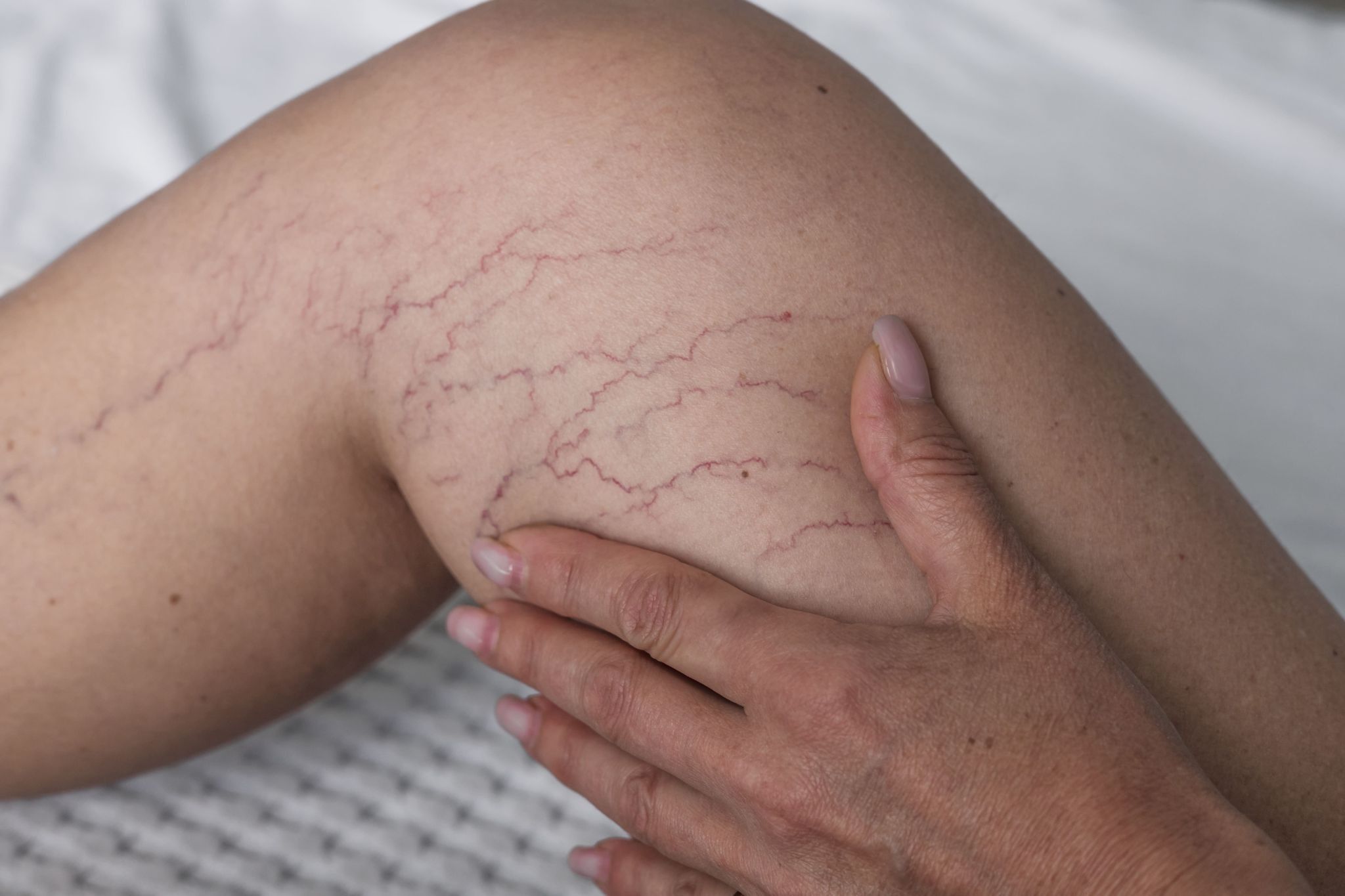
We will explore the typical laser for spider veins cost, what influences the final price, and how laser technology works. This way, you will have clear information in hand, so you can make a well-informed decision about the treatment that suits you best.
How Laser Technology Treats Spider Veins
Laser treatment relies on an interaction between light and blood pigments. The device is calibrated to target hemoglobin (the red pigment that carries oxygen in your blood). When the laser beam reaches the vein, it passes through the upper layers of skin and concentrates its energy inside the targeted blood vessel.
Once the hemoglobin absorbs the laser light, that energy immediately converts into heat, which in turn gently damages the inner walls of the vein, causing it to collapse and seal shut. Because blood can no longer flow through that vessel, circulation naturally redirects toward healthy veins that already form part of the body’s normal vascular network.
From a patient’s perspective, the procedure typically feels like a quick snapping sensation against the skin. In general, the session lasts around 30 minutes (or even less, depending on the size of the area treated). Since the skin remains intact, recovery tends to be relatively quick, and most people return to their usual activities the same day.
Typical Cost per Session
If you live in the United Kingdom or are considering treatment there, the cost usually begins around £350 to £500 per session. Prices may vary depending on location (for example, in London and other large cities, fees tend to sit closer to the upper end of that range due to higher operational costs and strong demand for specialist services). In smaller cities, it is often possible to find treatments nearer the lower end of the scale.
It is also important to remember that treatment sessions are only one part of the overall cost. The treatment process begins with an initial consultation, followed by a duplex ultrasound scan, which can add around £200 to £250 to the total cost.
Although this may seem like an extra expense, it plays an important role in ensuring accurate diagnosis. A thorough evaluation helps the doctor choose the most effective treatment and reduces the risk of incomplete results.
What Determines the Price
Initial consultation & Doppler scan
As we have seen before, the first elements to consider are the initial consultation and diagnostic scan, which typically range from £200 to £250. This assessment allows the specialist to confirm the diagnosis and rule out underlying venous problems that could require a different approach.
Follow-up appointments
Another factor involves follow-up appointments, which many clinics schedule to evaluate the healing process. These visits usually cost between £100 and £150, although some practices include them in a treatment package.
The size of the treatment area
The treatment area also affects pricing. For instance, spider veins on the face often demand greater care because facial skin is more delicate and visible. Treating this area may involve smaller laser pulses and more gradual energy delivery, which can slightly increase the price.
The number of sessions required
Some patients notice significant improvement after only two sessions, while others may need four or five session for good results. Every body responds differently to laser energy, and veins vary in thickness and depth. As the number of sessions increases, the total cost naturally rises as well.
Laser vs Other Treatments
While laser therapy remains a popular option, it is not the only treatment available for spider veins. One widely used alternative is sclerotherapy, a procedure that many specialists consider the gold standard for spider veins, particularly those on the legs.
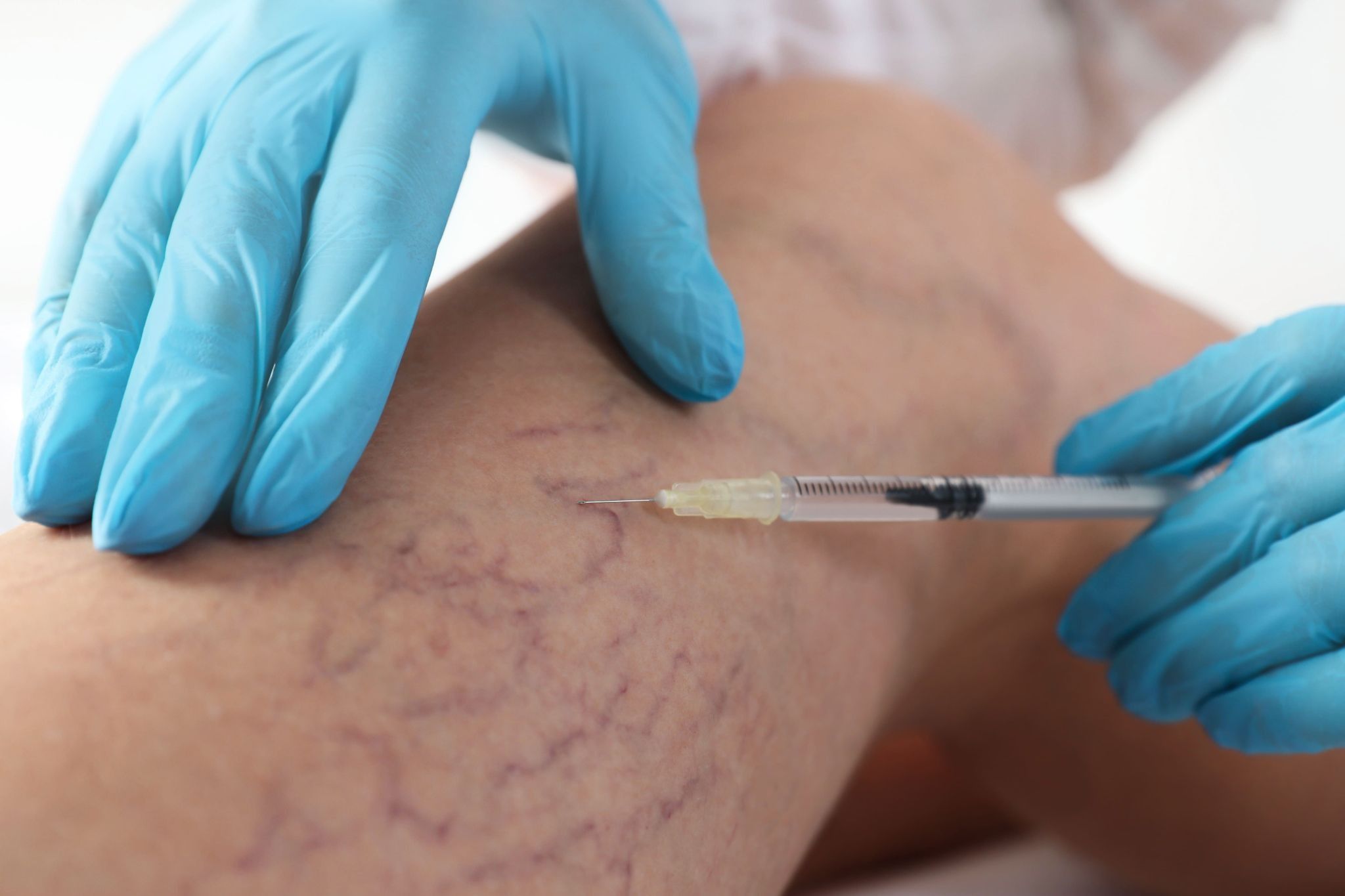
During sclerotherapy, the doctor uses an extremely fine needle, similar in size to an acupuncture needle, to inject a specialised solution called a sclerosant directly into the vein. As the solution spreads through the vein, it damages the inner wall and triggers the vessel to collapse. Once the vein closes, blood can no longer pass through that channel. Circulation immediately redirects to nearby healthy veins, allowing the vascular system to continue functioning normally. Over time, the treated vein gradually breaks down and the body absorbs it naturally.
From a financial point of view, sclerotherapy usually costs slightly less than laser. In the UK, sessions typically fall between £300 and £450, depending on the clinic and the size of the treated area.
Results and Success Rate
Patients usually know they have achieved a good outcome when the lines that once resembled a web across the skin begin to fade. The treated area gradually returns to a more even tone, and the distracting red, blue, or purple lines become far less visible. You can see below before-and-after photos as realistic examples of what treatment can achieve.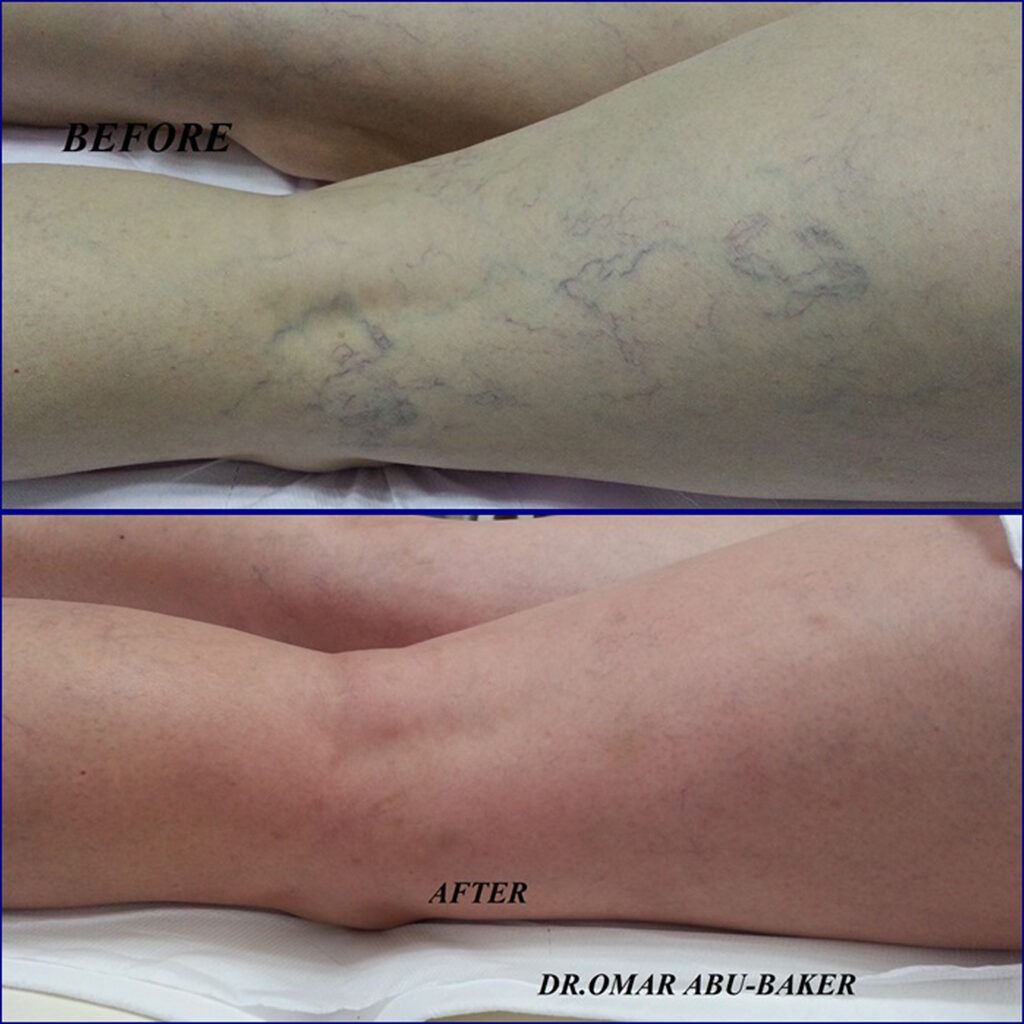
How to Find the Right Vein Specialist
1. Look for the right medical background
Choose a doctor trained in vascular surgery, phlebology, or ideally both. A third to a half of patients with spider veins have an underlying varicose vein condition that should be treated before carrying out any cosmetic treatment for spider veins. Make sure the doctor understands both cosmetic and medical aspects of your condition.
2. Check verified patient reviews
Platforms such as Doctify or Top Doctors can provide you with feedback about both the physician and the clinic environment. These reviews reveal whether the doctor is a true listener rather than just a practitioner, someone who shows empathy and supports you through anxious situations.
3. Look for before-and-after treatment results
Many clinics share educational videos and before-and-after images that illustrate typical outcomes. Studying these materials helps you develop a realistic picture of the improvements you may achieve after treatment.
FAQ: Laser for Spider Vein Cost
Is spider vein treatment covered by the NHS?
No, the NHS does not cover treatment for spider veins because they are considered a cosmetic concern rather than a medical necessity.
Is sclerotherapy cheaper than laser treatment?
Yes. In general, sclerotherapy sessions in the UK range from £300 to £450, which is slightly less expensive than laser treatment sessions that typically start around £350 to £500.
Is laser more expensive for spider veins on the face than on the legs?
Often yes. Facial veins may require more precise laser settings and delicate handling, which can increase treatment time and cost compared with similar procedures on the legs.


