


resources
LED Video Walls for Venues: How Hardware Durability Protects a High-Ticket Investment
14 Nov 2026

The first thing people notice is almost always the image. A wall of color lighting up a hotel lobby. A stage backdrop that makes an event feel larger than the room itself. A worship space where lyrics, cameras, and media move together without stealing attention from the message. At the beginning, most conversations about LED video walls go straight to size, resolution, brightness, and visual impact.
That makes sense. Those are the details people can see immediately.
What is harder to judge is what happens after the first impression fades. Six months later. Three years later. After weekly services, conferences, game nights, corporate presentations, concerts, classes, and public events. A high-ticket purchase is not truly tested on installation day. It is tested when the venue has already built its schedule around it.
For that reason, durability should be part of the investment case from the start. Reliable hardware protects the equipment, but it also protects the audience experience, the venue’s reputation, and the long-term value behind the purchase.
Why Durability Decides High-Ticket LED Wall Projects
A premium venue rarely buys a display just to cover an empty wall. The screen usually has a job to do. It may become the voice of the room, the visual center of a brand, the backdrop for events, or the tool that helps a message reach every seat.
In that context, LED displays are not judged only by how they look in a product photo. They are judged by how calmly they perform when the room is full, the lights are down, and everyone is watching.
High-Profile Spaces Depend on Visual Reliability
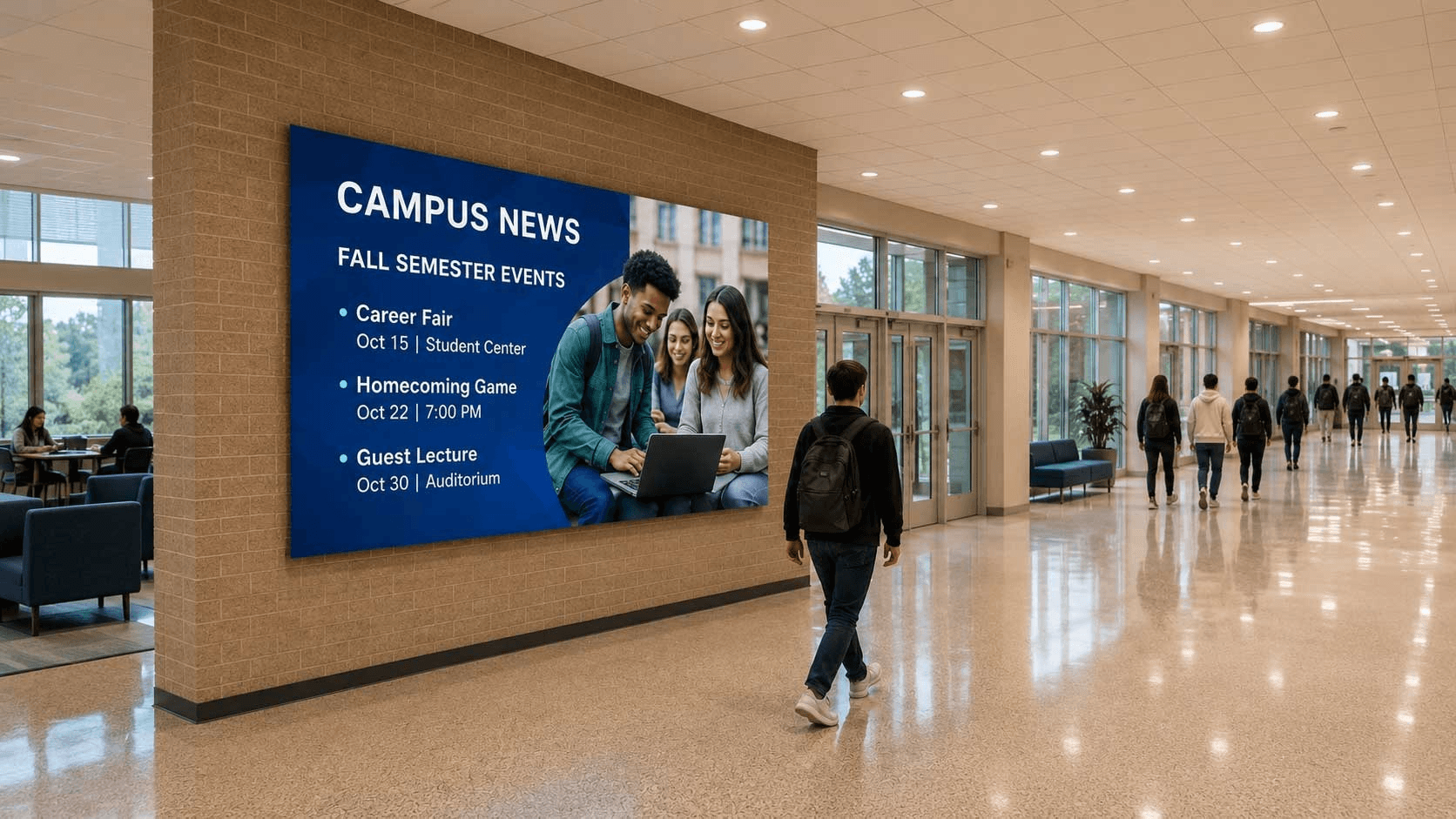
Inside hotels, churches, theaters, stadiums, universities, auditoriums, and corporate meeting rooms, the screen often carries the whole visual experience. It may show live camera feeds, sponsor content, stage graphics, worship lyrics, menus, wayfinding, presentations, announcements, or branded media.
Nobody in the audience is thinking about receiving cards, cabinets, module alignment, or power supplies. They only know when something feels clean, sharp, and prepared. A flicker during a keynote, a dead area during a service, or uneven brightness across a large surface can make an otherwise polished space feel unfinished.
That is why LED display panels in premium venues cannot be “mostly reliable.” They have to be dependable in the exact moments that matter most.
Downtime Has a Real Business Cost
The cost of failure is rarely limited to one damaged part. A small technical issue can disturb a much larger moment.
An event team may need to change the program at the last minute. A hotel may disappoint a conference client. A church may have to improvise during a service. A stadium or sports bar may lose sponsor visibility when attention is at its highest. In each case, the repair is only one part of the story.
There is also lost confidence. Projects like these are approved because they promise a better experience: more impact, more professionalism, more engagement, and more value from the space. If the system cannot support that promise consistently, the investment starts to feel weaker over time.
LED Video Walls by Venue Type: Where Durability Is Tested
The more important the screen is to the room, the more important durability becomes. Use matters as much as the venue: a church may run its LED wall a few hours a week, while a sports bar can run its LED screens twelve hours a day, every day. The same hardware lives two very different lives, and should be specified accordingly.
LED Screens for Churches and Worship Centers
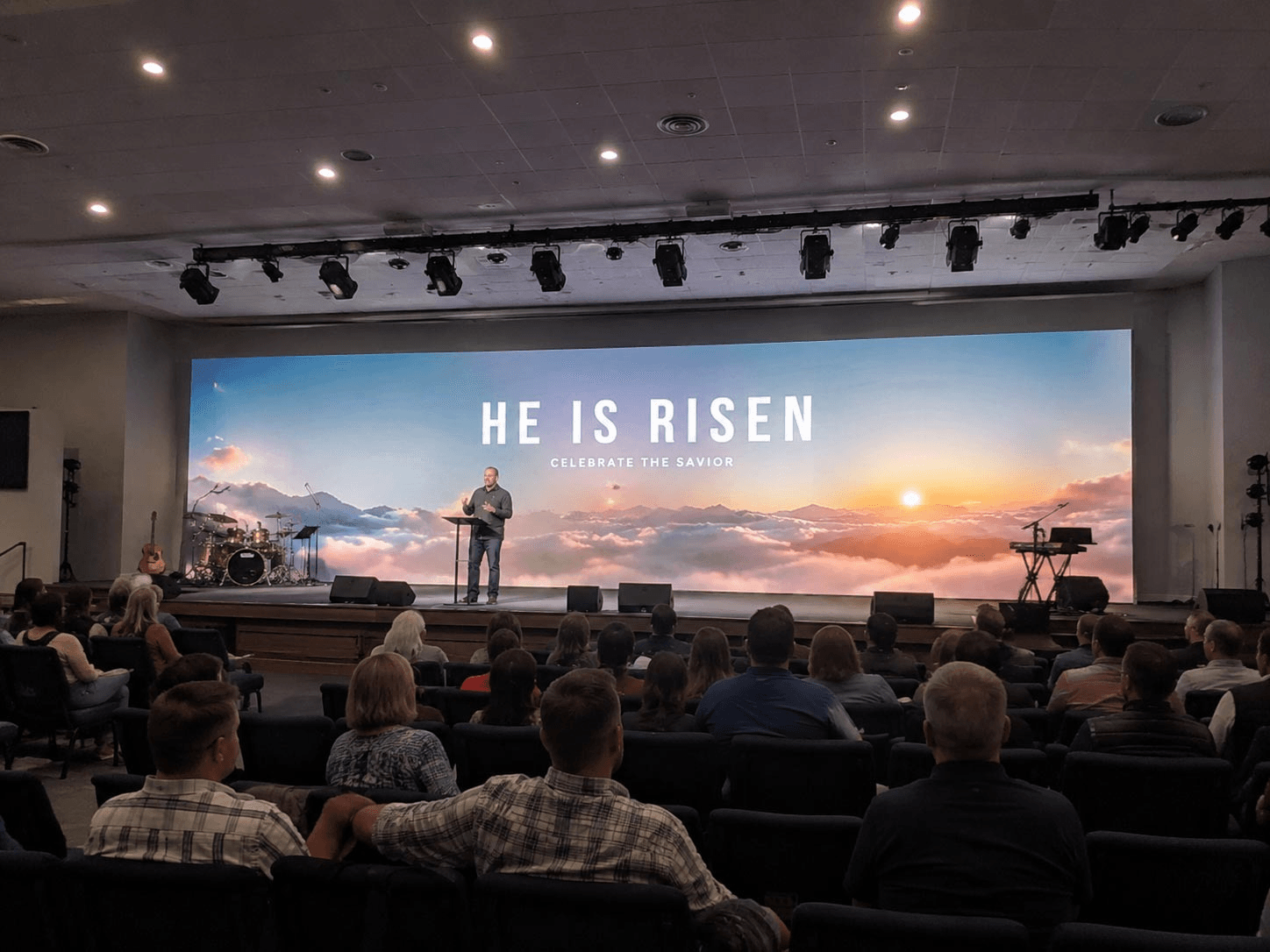
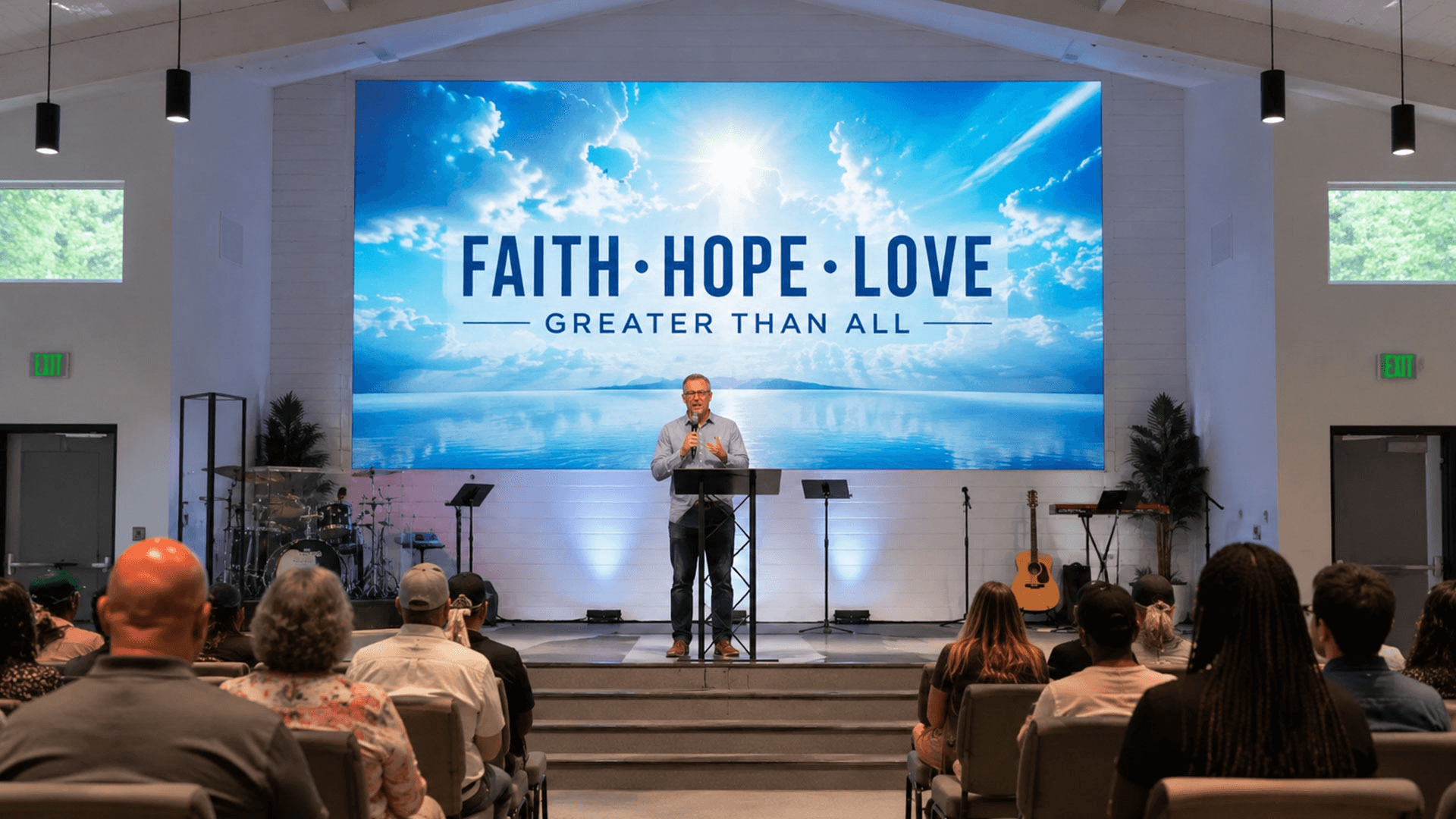
For worship spaces, visual systems support lyrics, scripture, live camera feeds, announcements, seasonal events, and weekly services. Many teams rely on volunteers or mixed technical staff, so consistency has real value.
Reliable LED panels help keep attention on the service instead of the equipment, and reduce the risk of technical interruptions during moments that should feel seamless.
LED Displays for Stadiums, Arenas, and Sports Bars
In sports environments, the screen is part of the energy of the space. Fans look to it for scores, replays, sponsor content, promotions, and live game coverage.
During peak moments, failure is highly visible. The pace is fast, the audience is engaged, and the screen may be tied directly to revenue opportunities. Durable LED screens support both the experience and the business model.
LED Walls for Hotels, Conference Centers, and Trade Shows
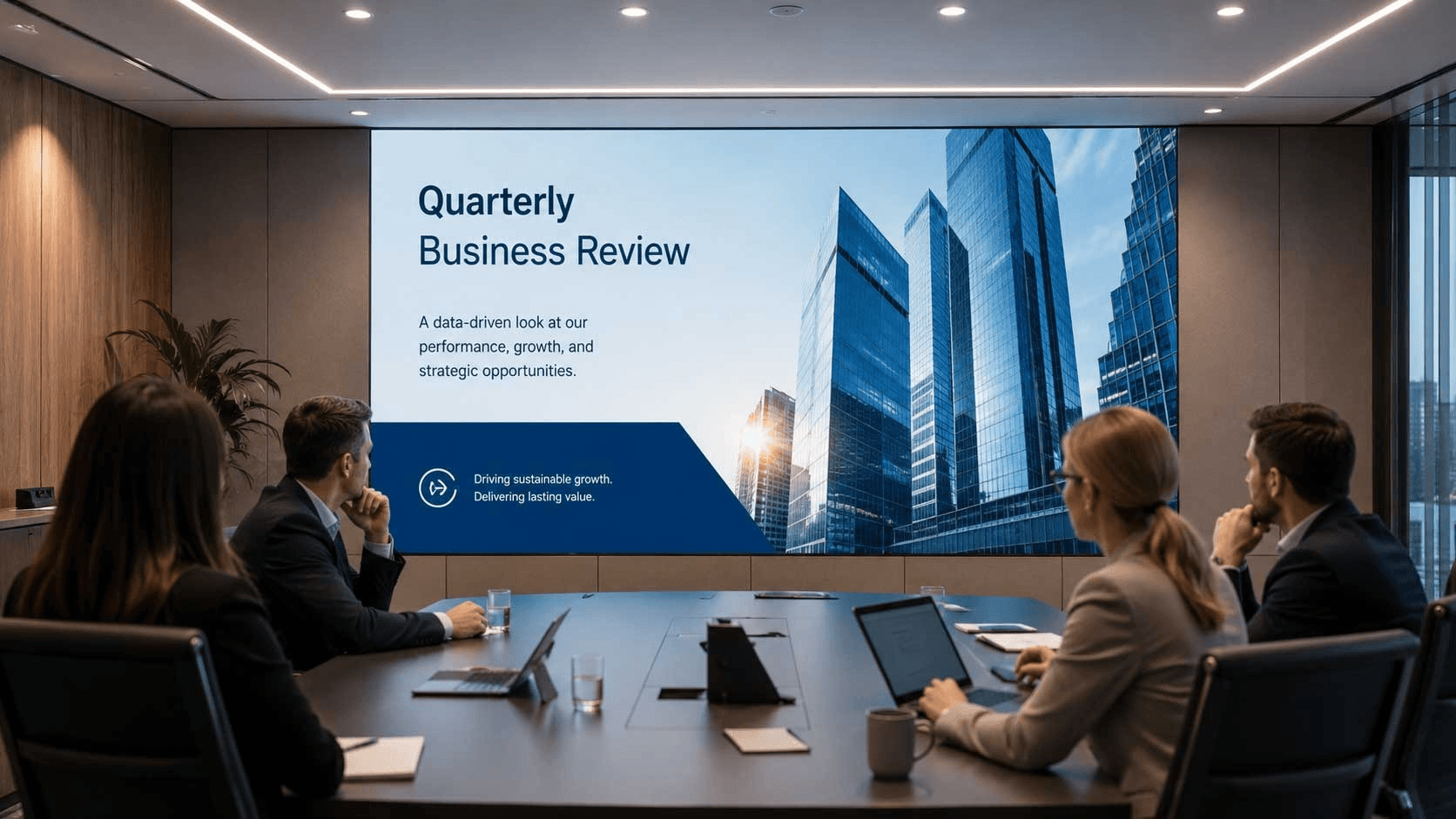
Hotels, convention centers, offices, and meeting rooms depend on presentation. A display in a lobby, ballroom, or executive room can influence how guests and clients judge the entire space. Clean, reliable LED walls help these environments feel modern and prepared; poor performance can make even a high-end lobby look dated.
Trade show walls add another challenge: the same system may be assembled, transported, and reinstalled several times a year, so the hardware has to handle repeated setup as well as daily use.
LED Walls for Studios, Stages, and Live Events
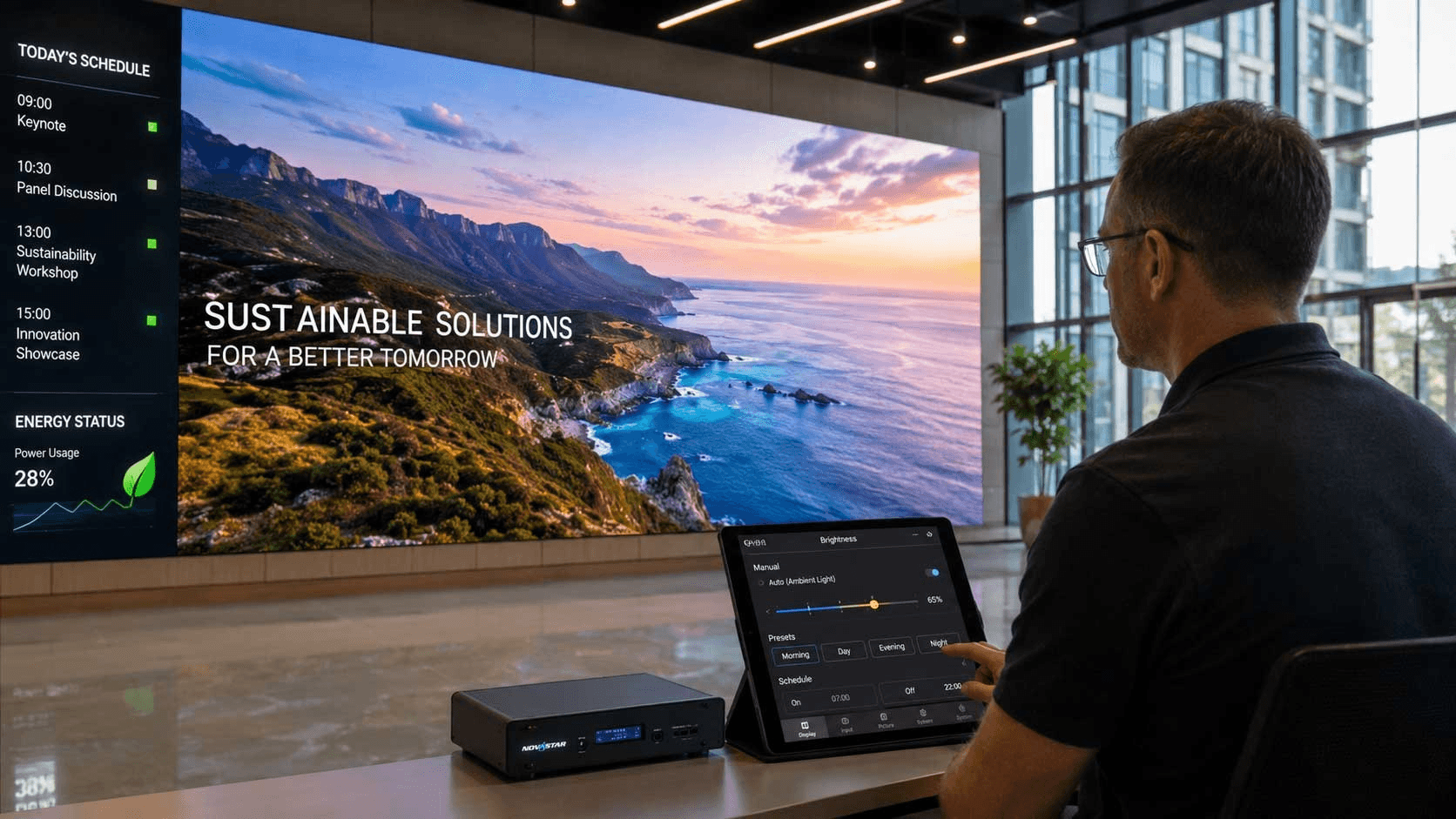
Studios and stages bring another layer of pressure. Refresh rate, calibration, color stability, and camera-friendly performance are all essential.
Here, LED video walls must handle content changes, production schedules, lighting conditions, and frequent technical adjustments. Durability means more than surviving use: it means supporting professional output under pressure.
The Hardware Behind a Durable LED Wall
The part everyone sees is only the surface. Behind every large-format display is a physical and electronic structure that decides whether the installation ages gracefully or slowly becomes a maintenance problem.
Cabinet Strength and Structural Stability
A cabinet may not be the most glamorous part of the system, but it does much of the heavy lifting. It holds the display together, literally and visually. It supports module alignment, protects internal components, and helps determine whether the finished surface looks seamless or uneven.
Weak cabinet construction can lead to visible gaps, leveling issues, vibration, difficult servicing, or poor long-term alignment. Across a small surface, those flaws may be subtle. Across a large installation, they become much harder to ignore.
For long-term reliability, the cabinet should support rigidity, accurate alignment, safe mounting, resistance to handling, and compatibility with the installation method, whether wall-mounted, ground-supported, or flown. Good structure also makes service easier after the first year, when the project is no longer new but still expected to perform.
Modules, Power Supplies, and Control Components
An LED video wall is not one object working alone. It is a network of modules, power supplies, receiving cards, cables, processors, and control systems that must behave as one stable platform.
When those parts work properly, the screen feels effortless. Content appears clean. Brightness stays stable. Motion looks smooth. Technicians can troubleshoot with confidence. When weaker components are hidden inside the system, problems often appear later as inconsistent modules, unstable signal, intermittent failures, or unnecessary downtime.
For buyers, this is where component quality matters. Recognized industry names such as NovaStar and Kinglight are often discussed because control systems, LEDs, and internal components influence how dependable a display remains under real operating conditions. A premium project should never be evaluated only from the front.
Heat Management and Ventilation
Heat rarely gets attention in the sales conversation, but it has a quiet influence on long-term performance. Excess heat speeds up the gradual brightness loss that every LED experiences over time.
Ventilation, heat dissipation, component spacing, and access to internal parts all influence stability. For high-brightness systems, outdoor applications, and venues that run displays for long hours, heat management becomes even more important. An LED screen that cannot breathe properly will not age like one built for real operating conditions.
Indoor vs. Outdoor LED Screens: Different Durability Demands
An LED video wall in a quiet boardroom does not live the same life as one exposed to sunlight, humidity, rain, wind, and dust. Durability has to be judged by the environment, not just by the product category.
| Indoor LED walls | Outdoor LED screens | |
|---|---|---|
| Typical brightness | 1,200–1,600 nits | 4,500–5,500 nits |
| Typical protection rating | IP43–IP45 | IP65, front and rear |
| What that rating means | Protected against objects over 1 mm and against water spray (IP43) or water jets (IP45) | Dust-tight and protected against water jets |
IP ratings, defined by the IEC 60529 standard, describe how well an enclosure keeps out dust and water. They are a starting point, not a guarantee: ventilation, sealing, mounting, and corrosion protection decide whether an outdoor LED screen still performs after several summers of sun, humidity, and storms.
Indoor Settings Need Consistency, Precision, and Clean Integration
Indoors, the demands are often subtle but unforgiving. People may stand close to the display. Cameras may capture it. Architecture may frame it. The room may require quiet operation and a clean finish.
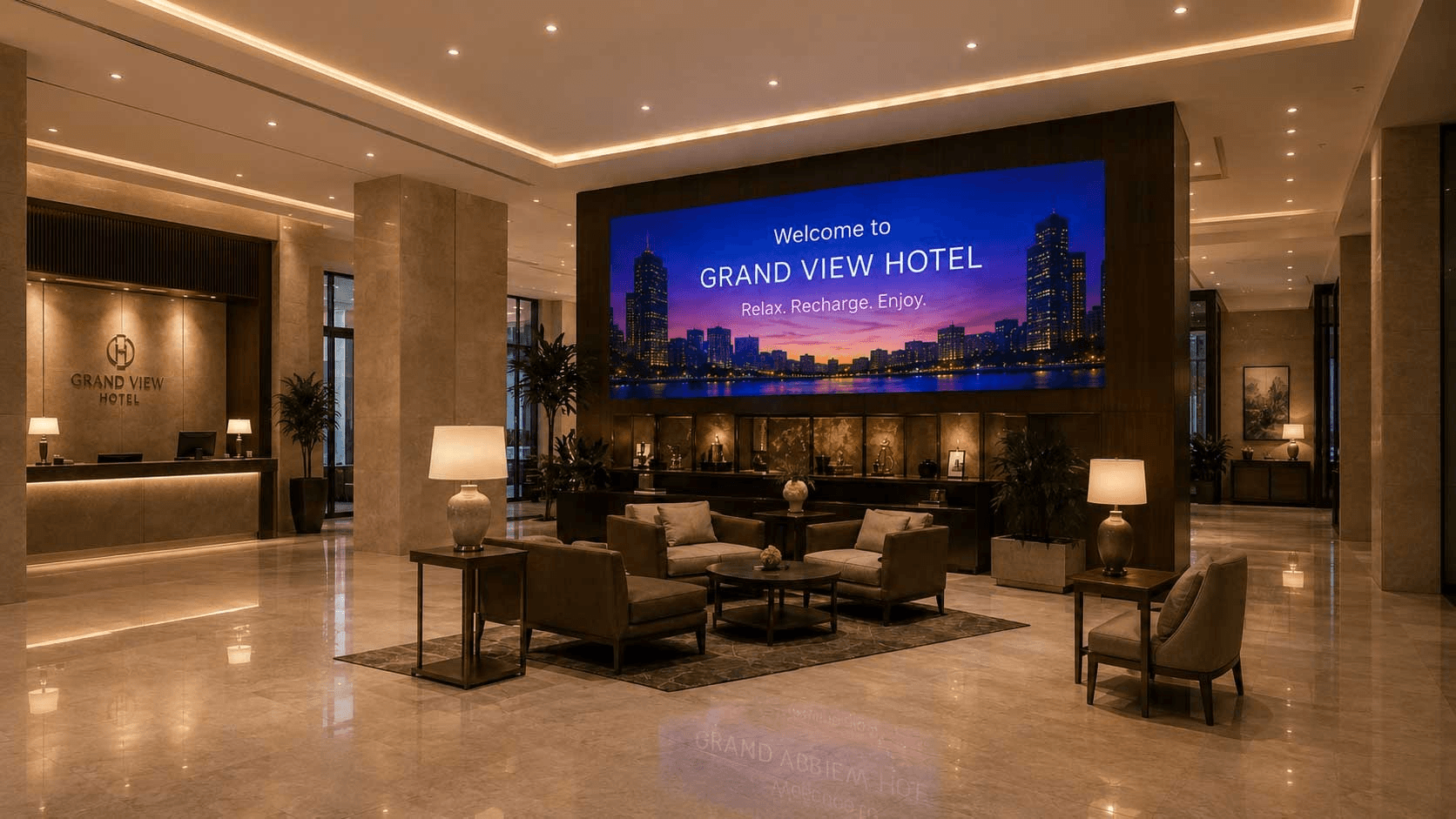
For churches, hotels, universities, boardrooms, theaters, and studios, LED displays should feel integrated into the space, not forced into it. That means smooth alignment, stable color, appropriate pixel pitch, and maintenance access that does not disrupt the design. Here, durability means daily consistency: no distracting seams, no uneven modules, and no service process that damages the look of the room.
Outdoor Settings Require Weather Protection and Rugged Design
Outside, the conversation changes. Rain, humidity, dust, temperature swings, wind exposure, and direct sunlight all place pressure on the system.
Outdoor LED displays need rugged construction, weather protection, sealing, daylight visibility, stable mounting, and proper heat management. A screen that performs beautifully indoors may not be built for long-term exposure outside, especially when it operates for extended hours.
Restaurants with patios, stadiums, public venues, school athletic areas, transportation spaces, and fan zones need hardware that can handle more than a polished rendering. The display has to survive the environment while keeping the content visible and dependable.
LED Screen Lifespan: What 100,000 Hours Really Means
On paper, 100,000 hours sounds almost endless:
| Daily use | 100,000 rated hours last about |
|---|---|
| 6 hours a day | 45 years |
| 12 hours a day | 23 years |
| 18 hours a day | 15 years |
| 24/7 | 11 years |
But a lifetime rating does not mean the LED screen will look new for that long. LEDs rarely burn out like traditional lamps. They dim gradually, a process known as lumen depreciation. The U.S. Department of Energy describes LED useful life through lumen maintenance, often using L70: the point at which light output falls to 70% of its initial level.
How close a real installation gets to its rated hours depends on how it is used: brightness settings, heat management, power supplies, calibration, and maintenance all play a part.
How Durable Hardware Protects ROI Over Time
A high-ticket purchase becomes easier to defend when it keeps delivering value year after year. Durability is one of the reasons that happens.
Longer Service Life Makes the Investment Easier to Justify
The initial cost is only one way to measure an LED video wall project. A better question is how much value the system delivers across its useful life.
If a cheaper option needs constant repair, loses brightness too quickly, or creates repeated service interruptions, the real cost may become higher than expected. A more durable system can spread the investment across more events, more operating hours, and more years of use. That is the financial logic behind stronger hardware: it lowers uncertainty, protects the original purchase, and helps the venue avoid replacing equipment too soon.
Maintenance Access Protects the Event Calendar
Even durable systems need service. Modules may need replacement. Calibration may need adjustment. Cables, receiving cards, and power supplies may need inspection.
The difference is how much disruption that maintenance creates. Well-designed LED systems allow technicians to access parts without dismantling large sections of the installation. Depending on the project, front or rear service access can make a major difference. Spare parts availability matters as well, and so does the ability to troubleshoot quickly instead of turning a small issue into a full operational delay.
A hotel ballroom may be booked every weekend. A church may only have a short maintenance window. A university auditorium may rotate between classes, events, and presentations. In places like these, maintenance should feel controlled, not chaotic.
Durable Systems Help Preserve Image Quality
A screen does not have to be completely broken to become a problem. Sometimes it simply stops looking premium.
Aging hardware can show uneven brightness, color variation, inconsistent modules, visible pixel failures, or motion issues. The audience may not know the technical cause, but they will feel that the image has lost quality. Long-term visual performance depends on stable brightness, color uniformity, appropriate refresh rate, fewer defective pixels, calibration, and consistent behavior with both static and moving content. For camera-heavy environments, those details become even more important.
What to Verify Before Approving a Premium LED Project
A serious project deserves more than a beautiful mockup and a price. Buyers should ask technical questions that reveal how the system is expected to perform after the excitement of installation has passed:
- How is heat managed, and how is the cabinet ventilated?
- What power supplies and control systems are included?
- Is service access front, rear, or both?
- Are spare parts stocked or easily sourced?
- What warranty and technical support come with the purchase?
- How is calibration handled after installation?
- Who installs the wall, and does the installer handle local electrical and building codes?
These questions make the buying process more serious. They also help separate a simple sales quote from a long-term technical proposal.
Durable Hardware Turns a Visual Upgrade Into a Long-Term Asset
A large display can transform a room quickly. Durability determines whether that transformation lasts.
Strong hardware protects the budget, reduces disruption, preserves image quality, and helps the venue deliver a consistent experience to audiences, clients, guests, and production teams. For high-ticket projects, that is what validates the investment over time.
That is also why it pays to ask who will service the wall once it is installed. Some U.S. suppliers, such as LED Nation, handle the sale, installation, and after-sales service of the same LED video wall, which keeps one team accountable for how the hardware performs over time.
For venue owners, the takeaway is simple: judge an LED video wall by how it will perform in year five, not only on opening night.


