


citiesabc
Living Light, Leading Right: Sustainability Lessons with Spiritual Wisdom

How early-life simplicity inspires sustainable living and mindful business today.
Simplicity as a Sustainable Blueprint
I grew up in Dhorimanna, a small village where life moved with nature. We never used words like “sustainability,” “eco-consciousness,” or “circular economies.”
That was just how we lived.
At home, nothing was wasted. We handed down clothes and made them fit younger siblings. Groceries came without plastic, as the local shopkeeper gave us grains, spices, and trust. School competitions weren’t about fancy supplies; instead, we turned old clothes into handmade bags and crafts.
We were mindful because that was normal. We lived sustainably because doing otherwise was unthinkable. Nature was not just a resource. It was a relationship.
At the time, it all felt ordinary. Only later did I realise how special it was.
His holiness Dalai Lama quote which always inspires me “Every day, think as you wake up, today I am fortunate to be alive, I have a precious human life, I am not going to waste it. I am going to use all my energies to develop myself, to expand my heart out to others; to achieve enlightenment for the benefit of all beings.”
The Village That Taught Me the Future
Dhorimanna gave me more than memories. It showed me a real example of sustainability. Living close to nature taught me to conserve, be grateful, and show respect. These values still guide me in today’s fast-paced, global world.
What people now call “eco-friendly living” was just part of our everyday life.
The Irony of Modern Living
When I left the village for modern life, or even today, villages with the information era have turned modern. Everything has changed. Convenience took the place of awareness. Packaging replaced purity. “Use and throw” became the norm, driven by ads and the idea of a modern lifestyle.
Plastic was seen as a sign of progress. Without realising it, we moved away from the wisdom that had supported generations.
Now, as environmental problems affect the whole world, nature is giving us a gentle but clear reminder:
The future we want is the way we used to live.
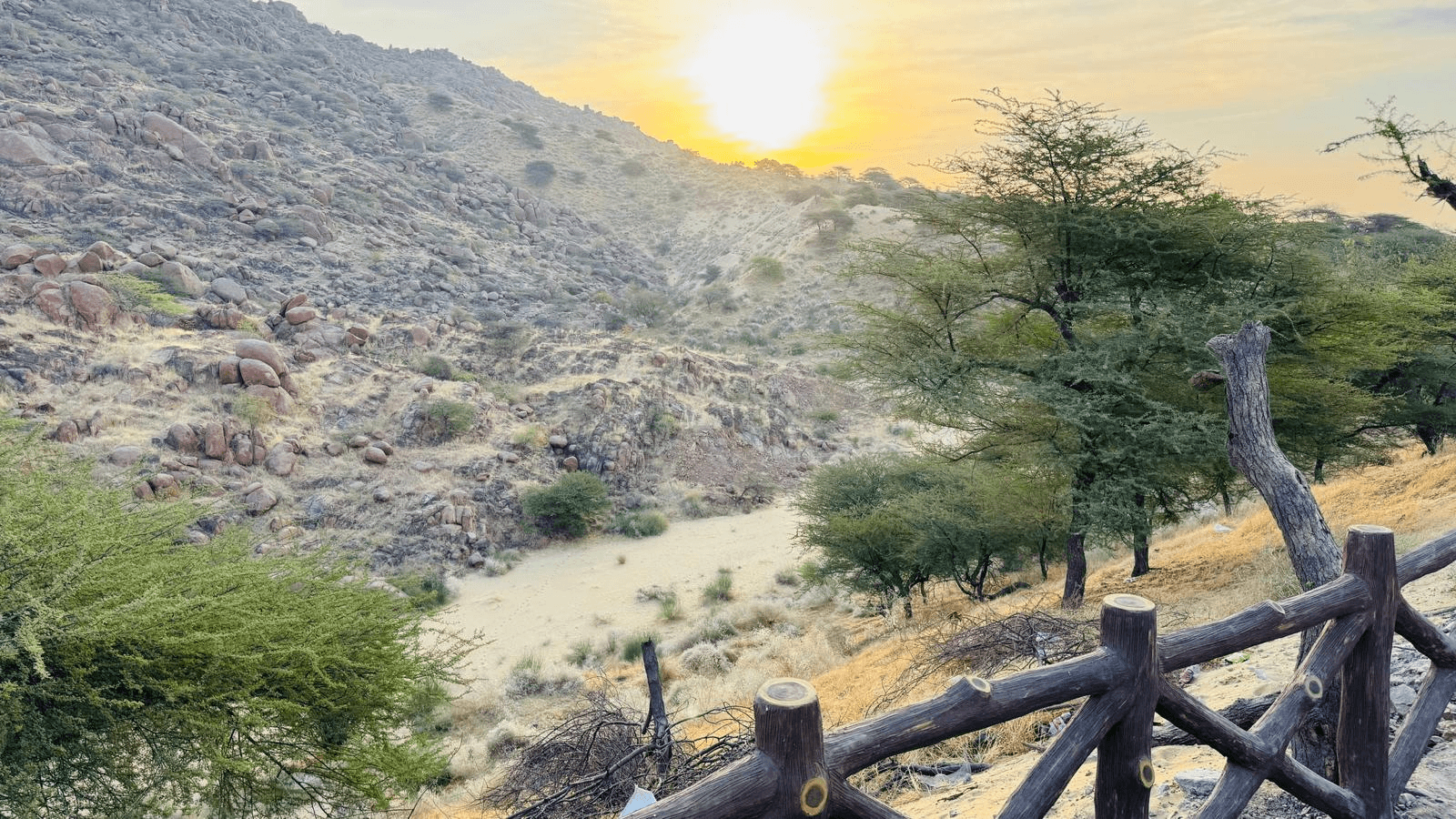
Returning With New Eyes
Dhorimanna shaped me before I even knew it. Its lessons went beyond lifestyle choices.
They were a philosophy:
- Respect what you have.
- Use only what you need.
- Let nothing go to waste.
- Live in harmony, not in dominance.
These principles are timeless and urgently relevant.
Modern sustainability needs technology and policy, but it also needs something deeper:
a spiritual shift in how we value resources, relationships, and the planet.
When saving resources feels like gratitude and reusing things feels like respect, sustainability stops being a trend and becomes a way of life.
Today, the Bishnoi community in India stands as a beacon of inspiration, faithfully upholding ancient practices of environmental preservation. Whether in marriage, at social gatherings, or in daily life, the Bishnoi lead by example, demonstrating that true stewardship of nature is woven into every aspect of their culture. For centuries, they have protected trees and wildlife, sometimes even at great personal sacrifice, embodying a living legacy of harmony between humanity and the natural world. Their actions remind us that the most powerful change often begins with ordinary people making extraordinary commitments.
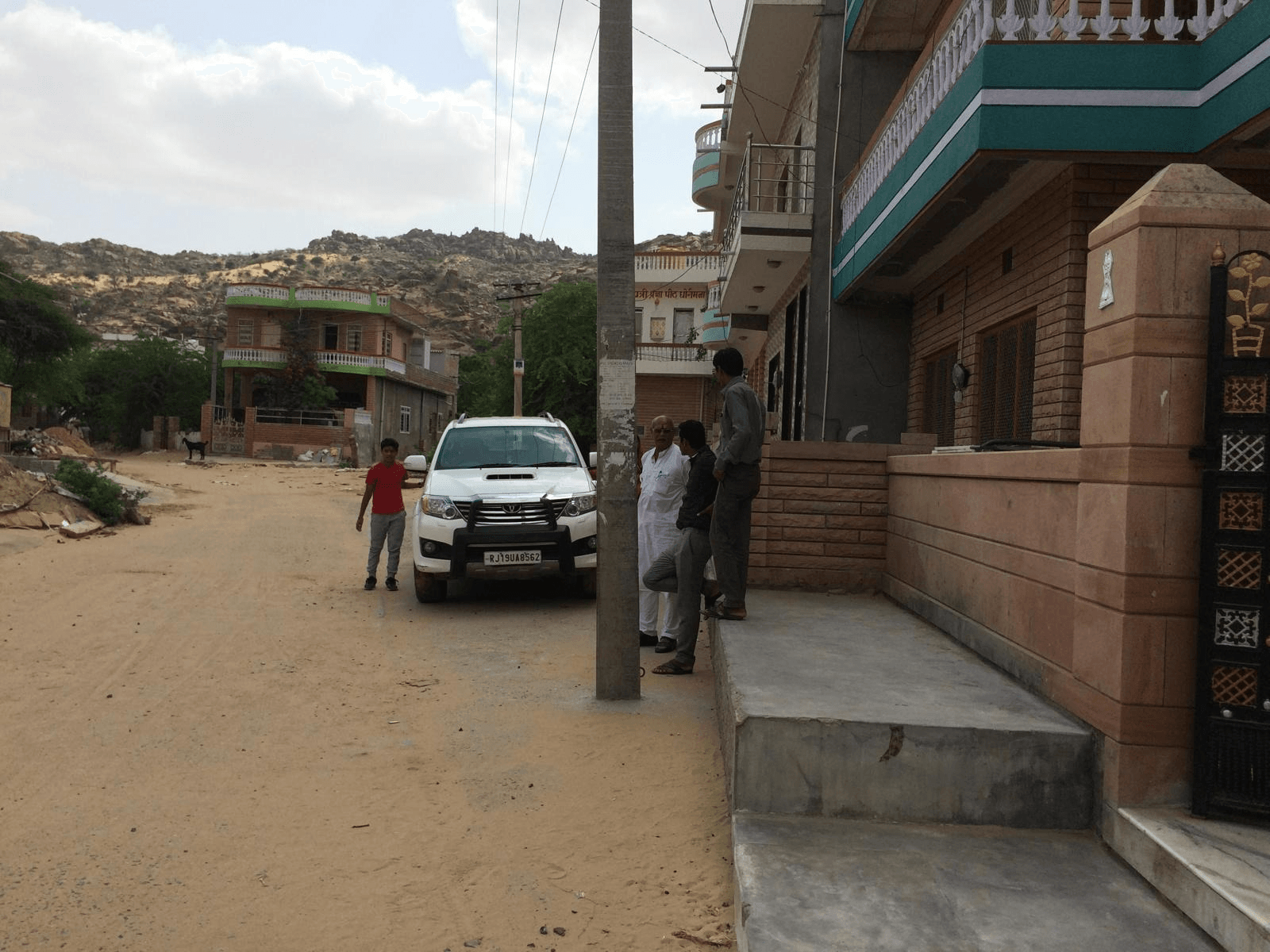
Nature as Teacher: The Seeds of Conscious Living
In my childhood:
- There was no plastic.
- Nothing was wasted.
- Tools were repaired, not replaced.
- Food was shared with gratitude.
- Water and sunlight shape our daily routine.
This wasn’t planned sustainability. It was just natural.
Nature taught me patience, balance, renewal, and humility. Principles that now guide ethical innovation, responsible leadership, and sustainable business practices.
What started as mindful living in rural India now aligns with global movements such as conscious capitalism and regenerative development.
Sustainability as a Spiritual Practice
In the village, spirituality was part of daily life. It showed in what we did:
- Serving neighbours
- Caring for elders
- Sharing resources
- Living lightly on the land
These experiences taught me something deeper:
Sustainability is not just about the environment. It is also ethical, emotional, and about community.
It asks us to give before taking, nurture before demanding, and build before taking away.
From Village Values to Global Business Ethics
Today, businesses face a new expectation:
to respect people and the planet, not just focus on profit.
This calls for:
- Conscious use of resources
- Respect for all stakeholders
- Transparent, ethical operations
- Long-term thinking over short-term gain
Like Bhutan’s idea of Gross National Happiness, prosperity is measured not just by growth, but also by well-being, purpose, and harmony.
The values of simplicity, integrity, and care from rural India fit well with modern business leadership.

Journey-Inspired Practices for Conscious Living & Business
1. The “Use-Until-It’s-Complete” Rule
Inspired by repairing everything in the village.
Practice: Before discarding, ask: Can this be repaired, reused, or repurposed?
Benefit: Reduces waste and builds resourcefulness.
2. The “Nature’s Rhythm Planning” Framework
Days began with sunrise and slowed as daylight faded.
Practice: Align demanding tasks with peak energy hours.
Benefit: Enhances efficiency and prevents burnout.
3. The “Gratitude-for-Resources” Ritual
Even water and grain were treated as blessings.
Practice: Reflect monthly on how responsibly you use resources.
Benefit: Cultivates mindfulness and organisational integrity.
4. The “Community-First Conflict Resolution” Model
Villagers restored harmony before ego.
Practice: Approach conflicts with empathy and shared purpose.
Benefit: Creates stronger, healthier teams.
5. The “Desert Economy” Principle
In scarcity, every choice matters.
Practice: Treat all resources as precious.
Benefit: Encourages thoughtful spending and sustainable growth.
Conclusion: Sustainability as a Way of Being
From barefoot days on sand dunes to boardrooms with global goals, one thing has not changed:
Live simply. Consume mindfully. Act responsibly.
True progress is empty without compassion. True innovation is hollow without integrity.
The values I learned in a small Indian village still guide how I see conscious living and leadership. Sustainability is not just a practice; it is a deep way to show gratitude to the planet, people, and future generations.
The wisdom of Dhorimanna is not only my story.
It is a compass for the world.


