


resources-malaysia
Lost Flight Malaysia: Revisiting the Enduring Mystery of MH370
11 Dec 2025

It has been years since Malaysia Airlines Flight 370 vanished from our skies, yet the entire event remains shrouded in a sense of disbelief. March 8, 2014, is a date etched into our collective memory for the most heartbreaking of reasons. One moment, the aircraft was on a routine flight from Kuala Lumpur to Beijing; the next, it was gone. Just like that. Onboard were 239 people, and then… an unnerving silence. The search efforts that followed were monumental, spanning vast oceans, but we are still left searching for answers. This story of Malaysia's lost flight is one that refuses to fade, leaving a trail of more questions than answers.
Key Takeaways
- The vanishing act of Malaysia's lost flight, MH370, back in 2014, is still one of aviation's greatest unsolved mysteries, as the aircraft and all 239 people on board have never been found.
- Despite exhaustive international search missions, mainly focused on the southern Indian Ocean, the main wreckage has eluded discovery, although some confirmed debris has been recovered. -
- Satellite data analysis revealed the plane strayed dramatically from its intended flight path, sparking numerous theories about what happened—from a catastrophic mechanical failure to deliberate human action.
- Lingering questions remain about how effectively Malaysian authorities handled information and monitored the situation in the critical hours after the plane disappeared.
- The enduring mystery of this lost flight from Malaysia continues to deeply affect the families of those missing and fuels important conversations about aviation safety, tracking technology, and the absolute need for transparency in such investigations.
The Unfolding Mystery Of The Lost Flight Malaysia
Disappearance Over The South China Sea
It's still hard to fathom that so much time has passed since Malaysia Airlines Flight 370, or MH370 as we all came to know it, simply vanished. On that fateful day of March 8, 2014, the plane, carrying 239 souls, departed from Kuala Lumpur with Beijing as its destination. At first, everything appeared to be perfectly normal. But then, somewhere over the South China Sea, it dropped off civilian radar screens. Just gone. The scenario felt like something from a blockbuster movie, but it was terrifyingly real. The initial reports were a mix of confusion and uncertainty, and the lack of immediate answers only deepened the growing sense of unease that swept across the globe.
The Global Search For MH370
What unfolded next was one of the most extensive search and rescue operations in the history of aviation. Nations from around the world joined forces, combing immense stretches of the ocean. The search began in the South China Sea but soon shifted its focus to the southern Indian Ocean. This move was prompted by satellite data suggesting the aircraft had continued to fly for several hours after its last communication. It was a truly massive undertaking involving countless ships, aircraft, and state-of-the-art technology. Yet, despite this incredible effort, the main wreckage of the plane was never located—it was akin to searching for a needle in an impossibly vast haystack.
- Initial search efforts were concentrated in the South China Sea.
- The focus later pivoted to the vast southern Indian Ocean, guided by satellite data analysis.
Investigating The Disappearance Of MH370
Satellite Data And Flight Path Anomalies
When MH370 disappeared on March 8, 2014, it wasn't merely a case of a plane suddenly dropping off the radar. What investigators uncovered from satellite data revealed a scenario far more perplexing than a simple loss of contact. The aircraft, which was supposed to be flying from Kuala Lumpur to Beijing, deviated drastically from its intended route. Instead of heading north, it made a turn back and flew for several more hours, ultimately tracking south over the remote expanse of the Indian Ocean. This wasn't just a minor course adjustment; it was a complete rerouting that defied all initial logic.
The Inmarsat satellite data became the cornerstone for understanding the plane's final hours, providing hourly 'pings' that helped trace a rough arc of its potential final resting place. While these pings couldn't pinpoint an exact location, they did manage to narrow down the search area significantly. Nevertheless, the interpretation of this very data, and the subsequent search efforts based upon it, have also been subject to intense debate. Questions have been raised about the data's precision, the assumptions made by the investigation teams, and whether the search zones were correctly identified from the very beginning.
Analysis Of Recovered Debris
Over the years, various pieces of wreckage confirmed to be from MH370 have washed up on coastlines across the western Indian Ocean, found on islands like Réunion and the shores of Mozambique and Madagascar. These discoveries, while incredibly sad, offered the first solid proof that the aircraft had met a tragic end. Each recovered piece, whether it was a flaperon, a wing fragment, or an interior cabin panel, was subjected to meticulous forensic analysis.
- Flaperon: The first significant piece, a flaperon, was discovered on Réunion Island in July 2015. Experts analysed its condition and specific damage patterns to better understand the aircraft's state upon impact.
- Other Debris: Since then, various other items have been found, including parts of the wing, fuselage sections, and even a seat cushion, all helping to confirm the general area where the plane likely went down. -
- Analysis Focus: Investigators were looking for any tell-tale signs—impact damage, evidence of fire, or other clues—that could point to the cause of the crash or the circumstances leading up to it.
The discovery of debris confirmed that the aircraft met a catastrophic end, but the scattered nature of these finds across thousands of miles also underscored the immense challenge of locating the main wreckage. It suggests the plane likely broke apart over a wide area, making a concentrated search for the primary fuselage incredibly difficult.
Challenges In Oceanic Search Operations
Searching for a missing aircraft in the deep ocean is, to put it lightly, a monumental task. The sheer scale of the ocean, coupled with extreme depths and poor visibility, presents enormous hurdles. For MH370, the designated search areas were vast, often covering thousands of square kilometres of unforgiving seabed.
- Vast Search Areas: Initial underwater searches were concentrated on a huge swathe of the southern Indian Ocean, an area defined by satellite data analysis. This zone was immense, making a systematic sweep incredibly time-consuming and costly.
- Technological Limitations: While advanced sonar equipment and underwater vehicles were deployed, their effectiveness is constrained by the rugged terrain and the sheer size of the search zones. Mapping the seabed and identifying small fragments of wreckage at such depths is a painstakingly slow process. -
- Cost and Duration: These deep-sea searches are extraordinarily expensive and demand a sustained effort over long periods. The financial and logistical burdens are immense, often requiring international cooperation and significant investment—which can be challenging to maintain over several years.
Theories Surrounding The Lost Flight Malaysia
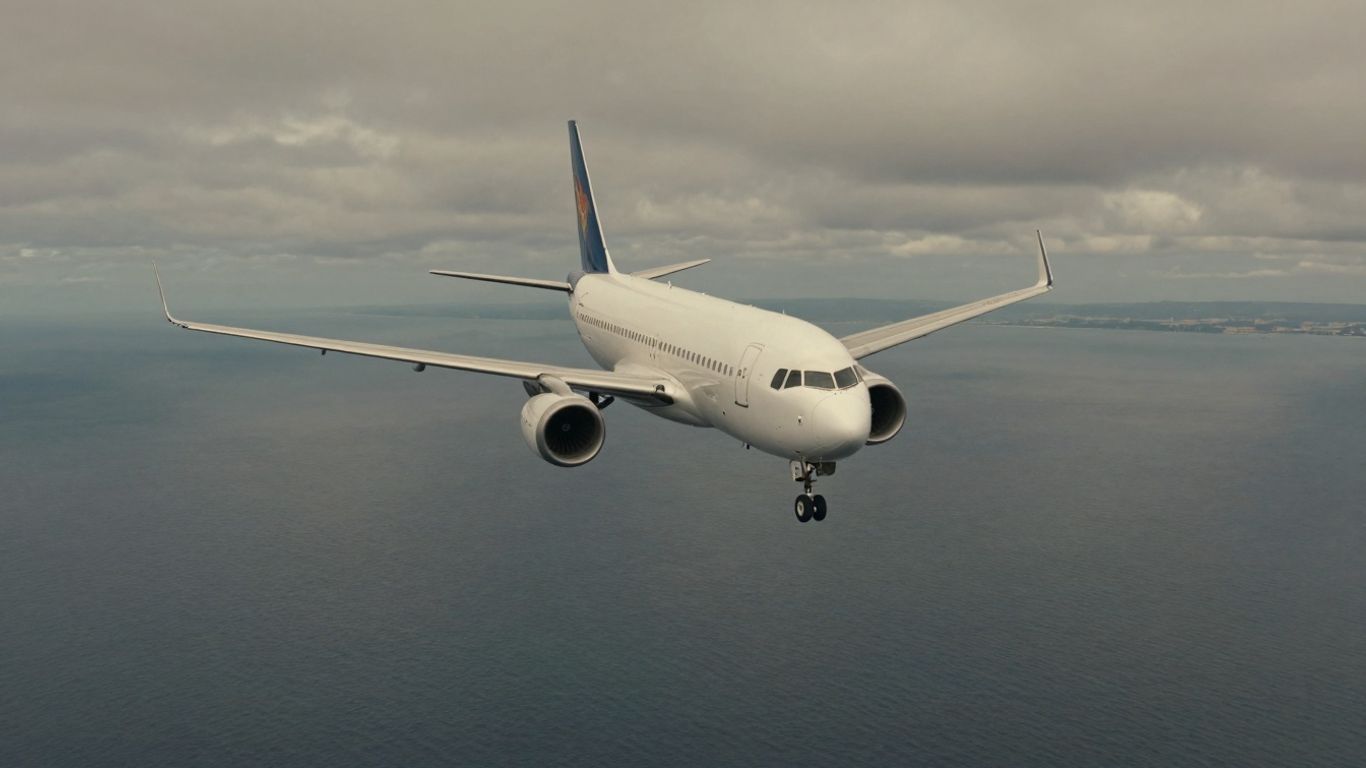
Even after all this time, the disappearance of MH370 still leaves experts and the public alike scratching their heads. When a modern airliner simply vanishes with so many people on board, the mind naturally starts to wander. What *truly* happened out there over the ocean? While official investigations have pointed towards certain possibilities, the absence of a definitive conclusion has left the door wide open for all sorts of theories.
Mechanical Failure Versus Human Intervention
One of the first avenues investigators explored was whether a critical mechanical failure could have brought the plane down. Is it possible that a catastrophic issue occurred, causing it to crash without a trace? It's certainly a possibility, but the strange flight path anomalies that occurred after the final known contact make this theory a bit difficult to accept on its own. The fact that the plane appeared to fly for hours after deviating from its course suggests a level of control, not just a sudden, uncontrollable event.
Then, of course, there's the human factor. This is where the narrative becomes especially complex and, frankly, quite unsettling. Theories here range from a deliberate act by someone in the cockpit to something far more elaborate. Some have pointed fingers at the pilot, suggesting a potential murder-suicide mission, perhaps connected to personal struggles or even political events unfolding at the time. It’s a heavy consideration—and one that many find hard to accept without more concrete evidence. The idea that the pilot might have locked out the first officer and systematically disabled communication systems is one of the more chilling scenarios that has been discussed.
Cybersecurity And Remote Hijacking Possibilities
As our technology advances, so too do the theories. The concept of a remote hijacking, where an unauthorised party could take control of the aircraft from the ground, has gained some traction. Imagine a scenario where the plane's flight systems are compromised, allowing it to be flown off course by an external entity. This would certainly explain the extended flight time and its disappearance from radar. It's a frightening thought, but it's one that aviation experts have had to seriously consider, especially with the growing concerns around cybersecurity in every facet of our lives. Discrepancies found in the cargo manifest—with items described differently than what was expected—have also fuelled speculation about what might have been on board that flight and if it played a role in its fate.
Speculative Conspiracies And Eyewitness Accounts
Beyond the more grounded theories lies a whole other realm of speculation. You'll hear everything from secret military experiments gone awry to even more outlandish ideas. And then there are the eyewitness accounts, such as those from the Maldives. Residents there reported seeing a large, noisy plane flying unusually low and heading south. While some authorities attempted to dismiss these sightings with elaborate, and some would say questionable, explanations, others believe they could be genuine clues. It’s incredibly tough to sift through what's credible and what's simply people trying to make sense of an unsolvable puzzle. The challenge with eyewitness accounts, as always, is their reliability, especially when an event is so emotionally charged and widely publicised. Memory can play tricks, and media coverage can inadvertently influence what people *think* they saw.
The sheer lack of definitive evidence leaves a void that speculation rushes in to fill. Without a wreckage site or a clear black box recording, every theory, no matter how improbable, remains on the table for some.
Official Investigations And Domestic Failures
The official investigation into the disappearance of MH370 has been a long, complex, and for many, a deeply frustrating journey. Right from the beginning, there were pressing questions about how information was being handled and shared, particularly by the Malaysian government. In the early days, there appeared to be a lack of clear and consistent communication, which only added to the public's growing unease and the profound distress of the families involved.
Malaysian Government's Handling Of Information
Immediately after the plane went missing, there was a great deal of confusion surrounding what the authorities knew and when they knew it. Initial reports regarding the flight path and radar data seemed to shift, which led to speculation that perhaps not all information was being disclosed. This fostered an environment of mistrust, making it difficult for the public and the media to get a clear picture of the unfolding events. The initial reluctance to share certain data points only fueled conspiracy theories and deepened distrust.
Review Of Radar And Monitoring Systems
Serious questions were also raised about the effectiveness of both civilian air traffic control and military radar systems in the region. How could a large commercial jetliner seemingly vanish from multiple radar screens without a trace? The subsequent review highlighted potential gaps in monitoring capabilities, especially over vast and remote areas like the South China Sea. It prompted a wider conversation about whether current systems are truly adequate for the task of tracking every flight, everywhere, at all times.
Discrepancies In Cargo Manifests
Another area that raised a few eyebrows involved the plane's cargo manifest. There were reports of inconsistencies and items that seemed unusual, sparking further questions about what exactly was on board that flight. While official investigations strive to adhere strictly to the facts, these kinds of details can lead people to wonder if there's more to the story than what has been publicly shared.
The way information was managed in the early days, and the subsequent reviews of monitoring systems, really put a spotlight on how aviation safety protocols are put into practice. It's not just about the technology; it's also about how different agencies communicate and collaborate when something goes terribly wrong.
- Initial reports about the flight's last known position were inconsistent, causing confusion.
- There were notable delays in releasing crucial radar data to international search partners.
- Questions emerged regarding the completeness and accuracy of both the passenger and cargo manifests.
- The coordination between the various national agencies involved in the initial search was also subject to scrutiny.
The Search For Closure On MH370
New Search Proposals and 'No Find, No Fee'
Even years after the disappearance of MH370, the drive to find answers hasn't entirely disappeared. Private companies are still coming forward with proposals for new searches, often on a "no find, no fee" basis. This essentially means they only receive payment if they successfully locate the aircraft or significant parts of its wreckage. It's a strategy designed to restart the search without the massive upfront financial commitment that has been a major hurdle in the past. The company Ocean Infinity, for instance, has presented proposals to the Malaysian government for another attempt at locating the plane in the southern Indian Ocean. It’s a clear sign that the mystery still captivates many, and there's a willingness to employ new methods to finally solve it.
Calls For Transparency And Document Release
The families of those who were on board MH370 have been relentless in their push for greater openness from the Malaysian government. They have consistently called for all documents related to the disappearance to be made fully public. This includes items like the complete cargo manifest, which has been a point of contention. In the past, discrepancies were noted where the cargo was initially listed as lithium batteries but later described as "radio accessories and chargers." This kind of ambiguity only fuels speculation and makes it more difficult for everyone to find closure. The demand for transparency is about getting the full picture, not just carefully selected parts of it.
Parliamentary Scrutiny Of Search Efforts
There has also been a significant push for a parliamentary review of how the entire MH370 investigation and the subsequent search efforts were conducted. This involves taking a close look at the decisions that were made, the information that was shared, and the systems that were in place at the time. Critical questions have been raised, such as why it took so long for alarms to be triggered by air traffic control, the air force, and the airline itself. A thorough and transparent review could shed light on potential domestic failures that may have hampered the search or our understanding of the flight's final moments. Ultimately, it's a matter of accountability and learning from what happened.
The hope remains that by re-examining all available data and embracing new search proposals, a definitive answer might finally be within reach. This would not only bring a measure of peace to the families but also help prevent similar tragedies from ever happening again.
Lessons Learned From The Lost Flight Malaysia
The disappearance of MH370, a truly baffling and tragic event, has compelled the global aviation community to take a long, hard look at its practices. The focus is no longer just on finding the plane; it's about figuring out what we can do better to ensure something like this never happens again. If there's one major takeaway, it's that we absolutely need to know where our planes are—all the time. It sounds straightforward, but the reality of tracking an aircraft over vast, remote oceans is incredibly complex.
Advancements In Aviation Safety Protocols
This entire ordeal has undoubtedly accelerated changes in our approach to aviation safety. Before MH370, perhaps there was a certain level of comfort with the existing systems. Now, there is a much stronger global push for more robust tracking and communication technologies. It’s all about having backup plans for your backup plans.
- Enhanced Flight Tracking: The push for a global standard of 15-minute tracking intervals over oceans was a direct result of this incident. Some are now advocating for even more frequent updates.
- Data Redundancy: There is a renewed focus on ensuring that critical flight data is recorded and transmitted through multiple, independent channels. -
- Cockpit Security: The incident has also intensified discussions around cockpit door security and the procedures in place to handle emergencies.
Improving Flight Tracking Over Remote Areas
Tracking planes over land is one thing, but over the ocean? That's a completely different challenge. MH370 starkly exposed the gaps in our current systems. We're talking about immense stretches of water where traditional radar coverage is spotty at best. This has sparked a serious re-evaluation of satellite communication and real-time monitoring capabilities.
The sheer scale of the ocean and the inherent limitations of current radar technology mean that a plane can effectively disappear from view for extended periods. This is a vulnerability that must be addressed with new technological solutions and stronger international cooperation.
The Enduring Impact On Families And Aviation
Beyond all the technical aspects, the human cost of MH370 is immeasurable. For the families of those on board, the lack of closure remains a source of constant pain. This tragedy has also left an indelible mark on the aviation industry, raising tough questions about transparency and how information is managed during a crisis. It stands as a somber reminder of the human element at the heart of all these complex systems. The search for answers continues, with many still holding out hope for a breakthrough that could finally bring some peace to the families and provide definitive answers to the enduring mystery.
| Area of Improvement | Pre-MH370 Status | Post-MH370 Focus |
|---|---|---|
| Global Flight Tracking | Variable, often >30 min intervals over oceans | Aim for 15 min or less, exploring real-time options |
| Data Transmission | Primarily ACARS, limited satellite backup | Increased reliance on satellite comms, data link improvements |
| Search & Rescue Coordination | Dependent on last known position | Enhanced protocols for oceanic search, utilizing advanced tech |
An Unanswered Question
And so, the story of MH370 continues to hang in the air, much like the plane itself did during those lost hours. Despite years of searching, countless theories, and even pieces of debris washing ashore, the aircraft's final resting place and the precise events of that night remain an unsolved puzzle. It serves as a stark reminder of just how vast our oceans are and how vulnerable we can be, even with all our modern technology. Will we ever know for certain what happened? Perhaps one day. But for now, the mystery of MH370 endures—a somber and unforgettable chapter in aviation history that continues to leave us with far more questions than answers.
Frequently Asked Questions
When and where did Flight MH370 disappear?
Malaysia Airlines Flight 370, famously known as MH370, vanished on March 8, 2014. It had taken off from Kuala Lumpur, Malaysia, on its way to Beijing, China. Tragically, it disappeared from air traffic control radar while over the South China Sea, and its fate has remained a profound mystery ever since.
How many people were on board MH370?
There were a total of 239 people on board MH370, which included both passengers and crew members. The disappearance of every single person on the flight has made this one of the most tragic and puzzling events in modern aviation history.
What happened to the plane after it disappeared?
Despite extensive search efforts, the main body of the aircraft has never been found. However, several pieces of wreckage, such as parts of a wing, have washed up on distant coastlines in the Indian Ocean. This confirms the plane crashed into the water, but its exact location remains unknown.
What are the main theories about why MH370 disappeared?
There are quite a few theories about what could have happened. Some experts believe a sudden mechanical failure might have occurred. Others suggest the possibility of deliberate human intervention, such as a hijacking. There are also more speculative ideas, but so far, no single theory has been definitively proven.
Has there been a big search for the missing plane?
Absolutely. There have been several massive international search operations. Teams from many countries have used advanced ships and aircraft to search for the plane, focusing primarily on the southern Indian Ocean where satellite data suggested it may have gone down. These searches have been incredibly costly and challenging due to the immense size and depth of the ocean.
Will we ever know for sure what happened to MH370?
That is the ultimate question that everyone hopes to have answered. For now, we simply don't have a definitive answer. This lack of a clear explanation continues to be a source of deep pain for the families of those on board and a complex puzzle for aviation experts. It's always possible that new search technologies or discoveries could bring us closer to the truth in the future.


