


resources-malaysia
Malaysia's Batu Caves: A Comprehensive Visitor's Guide
15 Oct 2025

Malaysia's Batu Caves are a truly remarkable destination, and an essential visit if you find yourself in the Kuala Lumpur area. This isn't just a single attraction; it's a vibrant tapestry of experiences all in one location. Imagine colossal statues, a kaleidoscope of colourful stairs, and caverns that echo with ancient history. Visitors flock here for countless reasons—some are drawn by the panoramic views, others by the profound spiritual atmosphere, and many simply for the thrill of adventure. It's a unique blend that, quite honestly, leaves a lasting impression. While planning a trip might seem a bit daunting, it's entirely manageable. We've compiled some key pointers to help you navigate and fully appreciate this incredible Malaysian landmark.
Key Takeaways
- Conquer the vibrant 272 steps for breathtaking views and a rewarding workout.
- Behold the massive golden statue of Lord Murugan, a truly awe-inspiring sight.
- Explore the main Temple Cave, with its soaring ceilings and sacred Hindu shrines.
- Consider joining a guided tour to gain deeper insights into the site's history and culture.
- Plan your visit thoughtfully, paying close attention to potential crowds and the dress code.
Exploring the Majestic Batu Caves
So, you're heading to Batu Caves and want to know what awaits? Let's break down the main attractions you simply can't afford to miss. This is far more than just a cluster of caves; it’s a complete cultural and natural experience.
Climbing the Iconic 272 Steps
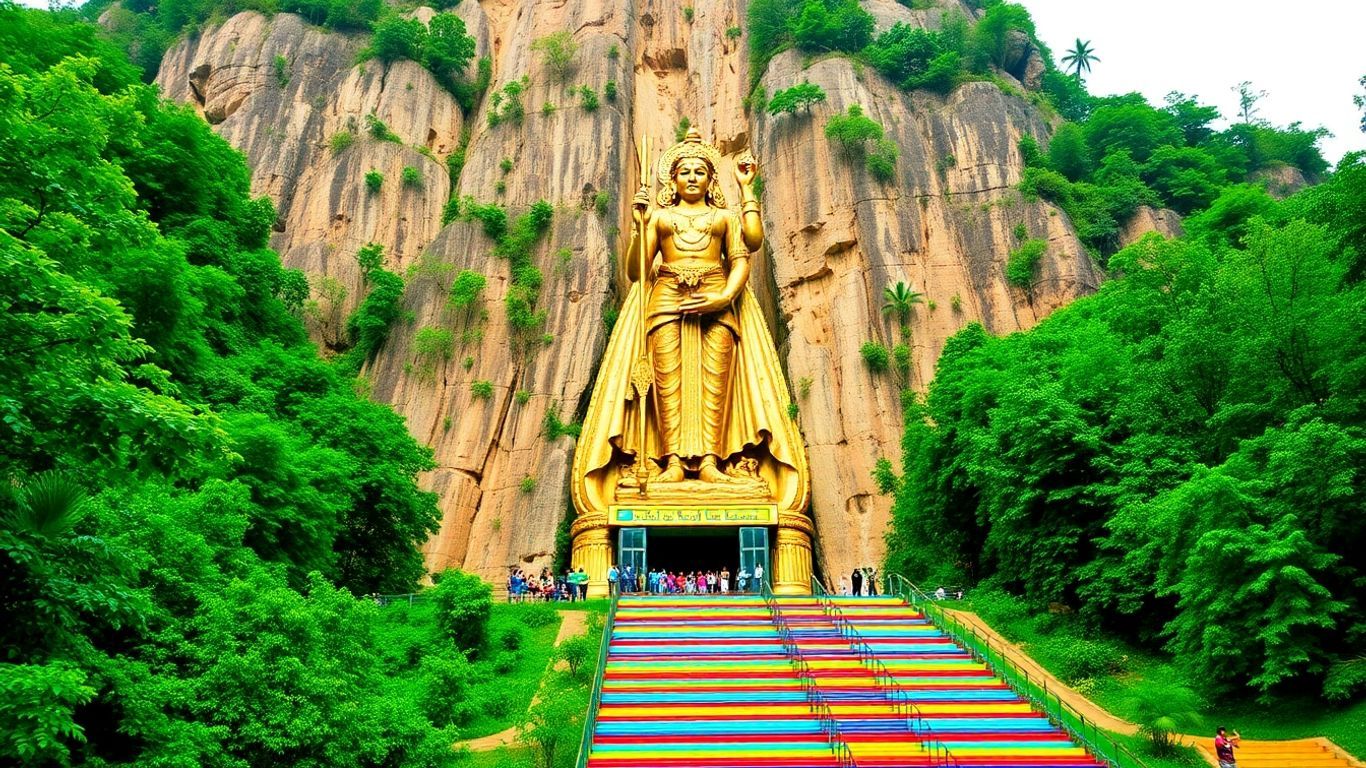
First things first—reaching the main cave involves ascending the famous 272 steps. They’ve recently been painted in a dazzling array of colours, which certainly adds a cheerful touch to the climb. It is a bit of a workout, especially in the Malaysian heat, there's no denying that. But the reward is a view that improves with every step, with the magnificent golden statue of Lord Murugan watching over your ascent. Do keep an eye out for the local monkeys; they are quite bold and won't hesitate to investigate your belongings for snacks. Our advice? Just take your time, pause to catch your breath, and savour the journey. It's something of a rite of passage here.
Marveling at the Statue of Lord Murugan
Even before you begin the climb, you'll be greeted by the enormous golden statue of Lord Murugan. Standing at over 140 feet tall, it's an incredibly impressive sight that's impossible to miss. As a major Hindu deity, this statue is not just a landmark but a significant religious icon at the entrance. It's undoubtedly a prime spot for a photo, but prepare for it to be bustling with visitors.
Discovering the Temple Cave
Once you’ve conquered those 272 steps, you'll enter the main cavern, widely known as the Temple Cave. The interior is vast, with incredibly high, cathedral-like ceilings. Sunlight streams through openings in the roof, beautifully illuminating the various Hindu shrines and ornate statues within. The air feels sacred, often filled with the faint sound of chants. It’s a stunning fusion of natural wonder and a functioning religious site. You can wander freely, observe the different altars, and simply soak in the profound atmosphere where nature and spirituality converge.
Batu Caves is a place that truly invites reflection. It is, of course, a natural wonder, but it's also a deeply spiritual sanctuary for many. The sheer scale of the site—from the towering statue to the cavernous temple—is nothing short of awe-inspiring. It stands as a testament to how nature and human devotion can create something truly extraordinary.
Here’s a quick summary of what to expect:
- The Climb: 272 colourful steps, can be strenuous but offers fantastic views.
- The Statue: A gigantic, golden Lord Murugan of impressive scale and detail.
- The Cave: A vast cavern with high ceilings, natural light, Hindu shrines, and a palpable spiritual energy.
Understanding Batu Caves' Significance
While the giant statue and impressive caves are its most famous features, Batu Caves is so much more. It's a site steeped in history and profound cultural meaning, particularly for the Hindu community. Think of it as a spiritual epicentre that also happens to be a spectacular natural formation. Its significance stretches back long before it became the popular tourist destination it is today.
Cultural and Historical Tours
When you visit, you are stepping into a landscape that has witnessed centuries of history. The limestone hills themselves are ancient, estimated to be around 400 million years old. Long ago, the caves served as shelters for indigenous groups. Later, Chinese settlers arrived to excavate guano (bat droppings used as fertilizer), which brought the caves to wider attention in the late 1800s. Then, in 1891, an influential Indian trader named K. Thamboosamy Pillai was inspired to dedicate a temple to Lord Murugan within the main cave. It was he who initiated the construction of the original wooden steps. The site, therefore, represents a confluence of natural history, indigenous heritage, and the rich tapestry of Indian culture in Malaysia.
Spiritual Haven and Natural Wonder
At its core, Batu Caves is one of the most important pilgrimage sites for Tamil Hindus outside of India. That colossal golden statue of Lord Murugan at the base? It’s a monumental icon, standing over 140 feet tall, making it the world's largest statue of the deity. The main cavern, often called the Temple Cave or Cathedral Cave, is the heart of the spiritual activity. Natural light pours in from apertures high above, casting an ethereal glow on the numerous shrines and altars. You will often see devotees in prayer and hear chants, which adds to the deeply serene atmosphere. It's a place where people come to reaffirm and connect with their faith.
Beyond its religious importance, the site is a geological marvel. The caves are sculpted from ancient limestone, and the sheer magnitude of the Temple Cave—with its vaulted ceiling and intricate natural formations—is breathtaking. It is a place where the grandeur of nature provides a stunning backdrop for human devotion.
Engaging with Hindu Traditions
A visit to Batu Caves provides a unique opportunity to witness and learn about Hindu traditions up close. The most renowned event held here is Thaipusam, an annual festival that attracts more than a million devotees. During Thaipusam, participants engage in powerful rituals, carrying elaborate structures called 'kavadi' and sometimes performing acts of penance, such as body piercing, as a devotion to Lord Murugan. It is an incredibly potent display of faith.
Even on a regular day, you can observe daily prayers and ceremonies. The temple cave is adorned with intricate statues and vibrant depictions of Hindu gods and goddesses, offering a chance to learn about Hindu mythology and the pantheon of deities worshipped here. It's vital to be respectful of the religious practices you encounter.
- Observe and Learn: Pay attention to the rituals and symbols around you. It’s a wonderful opportunity to broaden your cultural understanding.
- Respectful Conduct: Dress modestly and be mindful of your volume, particularly when prayers are in session.
- Festival Times: Planning your trip during Thaipusam (typically late January)? Be prepared for immense crowds but also for an unforgettable cultural immersion.
Batu Caves serves as a vibrant intersection of faith, history, and the natural world. It tells a compelling story of migration, devotion, and the enduring power of spiritual practice, all set within a breathtaking geological landscape.
Planning Your Visit to Batu Caves
Thinking about making the trip to Batu Caves? It's a truly spectacular place, but a bit of forward planning can make a world of difference in ensuring your visit is as smooth and enjoyable as possible. After all, you wouldn't want to arrive unprepared, would you?
Best Times to Visit
So, what’s the ideal time to visit? It really depends on your preference. To avoid the largest crowds and the sweltering midday heat, your best bet is to arrive early in the morning or later in the afternoon. As a rule, weekdays are noticeably quieter than weekends. The absolute peak time is during the Thaipusam festival, which typically occurs in late January or February. While it's a phenomenal cultural spectacle, be prepared for massive crowds if you choose that period. The weather in Malaysia is consistently hot and humid, but the drier season (from April to October) may offer slightly more comfortable conditions than the monsoon season (November to March).
Opening Hours and Entry Fees
Here’s some good news: the main Batu Caves temple complex is generally open daily from 7 am to 9 pm, and entry is free of charge, though donations are welcome. Do note that the smaller Hindu temples inside the caves have their own operating hours and often close for a few hours in the afternoon, usually between 1 pm and 4 pm. If you wish to visit the Cave Villa, there is a separate entrance fee which differs for locals and international visitors. It's always wise to double-check the latest opening times and any applicable fees online before your visit, just in case things have changed.
Dress Code and Etiquette
This is a particularly important point. As Batu Caves is a sacred place of worship, dressing respectfully is essential, especially if you intend to enter the temples. This means wearing modest attire that covers your shoulders and knees. If you arrive in shorts or a short skirt, you will be required to cover up. You can purchase wraps or sarongs at the base of the steps, but these are for sale, not for rent. Also, remember to remove your shoes before entering any temple area. It is also common courtesy to be mindful of ongoing ceremonies and to refrain from touching religious statues or offerings.
Here’s a quick checklist of what to wear and bring:
- Clothing: Opt for long trousers, long skirts, or sarongs that fall below the knee. Ensure your top covers your shoulders. Avoid overly revealing outfits.
- Footwear: Comfortable, sturdy shoes are your best friend here. You'll be climbing many steps, and some surfaces can be uneven. It's best to leave the high heels and flimsy sandals behind.
- Essentials: Bring plenty of water—it gets incredibly hot! Sunscreen, a hat, and perhaps some insect repellent are also smart additions. Don't forget your camera, but be aware that photography is often prohibited inside the temples themselves.
Visiting a place like Batu Caves is an opportunity to immerse yourself in a different culture and faith. Demonstrating respect through your actions and attire contributes significantly to a positive experience for both you and the local devotees. It’s about appreciating the spiritual heart of the site, not just treating it as another tourist attraction.
What to Bring
Beyond appropriate clothing, packing a few key items can make your visit much more comfortable. Water is an absolute must; you'll need it for the climb and exploring in the heat. Bringing your own snacks is also a good idea, as prices at the stalls on-site can be a bit higher. A portable phone charger will come in handy if you're taking lots of photos. And having some cash is useful for small purchases, donations, or vendors who may not accept cards. A small backpack is perhaps the most practical way to carry your essentials without being encumbered.
Adventures and Natural Wonders
Beyond the main temple complex, Batu Caves offers a playground for the adventurous and a treasure trove for nature enthusiasts. It’s not just about climbing the stairs; a whole other side of this limestone marvel is waiting to be explored if you’re up for it.
Adventure Caving Expeditions
For those who crave a bit more adrenaline, the deeper sections of the Batu Caves system offer a genuine caving adventure. You'll be properly equipped with a helmet and headlamp, ready to navigate narrow passages, potentially wade through subterranean streams, and witness spectacular rock formations that the average visitor never sees. It’s a physical challenge, but the reward of discovering these hidden chambers is well worth the effort.
- Get your heart pumping in a unique and challenging environment.
- Discover parts of the cave system that are far off the beaten path.
- Experienced guides ensure your safety while sharing fascinating insights.
Just a tip: wear clothes you don't mind getting muddy and shoes with excellent grip. Bringing a change of clothes for after your expedition is also highly recommended.
Exploring the Dark Cave Conservation Site
The Dark Cave offers a different kind of experience. Managed as a conservation site, it shines a spotlight on its unique and fragile ecosystem. Here, you can join a guided educational tour to learn about the cave's geology and meet some of its unique inhabitants, such as bats and the rare trapdoor spider. It’s a more educational and subdued adventure compared to the main temple cave, focusing on the natural beauty and scientific significance of this protected habitat.
Wildlife Encounters
Keep your eyes open as you explore the Batu Caves area, particularly on the main steps. You are almost certain to encounter long-tailed macaques. They are famously curious and bold, so it's wise to keep a secure hold on your belongings. In the surrounding greenery, you might also spot various bird species or other small creatures, adding to the site's rich natural ambiance.
Getting to Batu Caves
Getting to Batu Caves from Kuala Lumpur is quite straightforward, with several reliable options available to suit your budget and travel style.
Convenient Train Travel
The KTM Komuter train is arguably the most popular choice for visitors, and for good reason. It’s not only affordable but also drops you off right at the doorstep of the caves. Simply make your way to KL Sentral station and board the train heading to the Batu Caves station, which is the final stop on the line. The journey itself takes about 25 to 30 minutes and is generally quite comfortable. Trains run at regular intervals, so you’re never left waiting for long. It's an excellent way to bypass Kuala Lumpur's infamous traffic.
Taxi and Ride-Sharing Options
If you prefer door-to-door convenience, especially if you're travelling in a group, taxis or ride-sharing services like Grab are an excellent choice. This is undoubtedly the most hassle-free method, as you'll be dropped off directly at the main entrance. This convenience, however, comes at a higher price compared to public transport. Fares can fluctuate depending on traffic conditions and your point of origin, so it's a good idea to check the app for a fare estimate before confirming your ride.
Bus and Driving Considerations
Taking a public bus is another budget-friendly alternative for reaching Batu Caves. Several RapidKL bus routes service the area from various points in Kuala Lumpur. The bus journey might take longer than the train—often around 45 minutes to an hour—and you should also account for a short walk from the bus stop to the cave entrance. If you decide to drive, the route is well-signposted, and on-site parking is available, although it can fill up quickly, especially on weekends.
A word to the wise: traffic in and around Kuala Lumpur can be highly unpredictable, particularly during morning and evening rush hours. Factoring this into your travel time will help ensure a much smoother journey.
Here’s a quick comparison of your transport options:
- Train: The most affordable and direct option, running frequently from KL Sentral.
- Taxi/Grab: Offers maximum convenience with door-to-door service, but at a higher cost.
- Bus: A budget-friendly choice, though potentially slower due to road traffic.
- Driving: Provides flexibility, with parking available at the site.
No matter which mode of transport you choose, the journey to Batu Caves is all part of the adventure!
Enhancing Your Batu Caves Experience
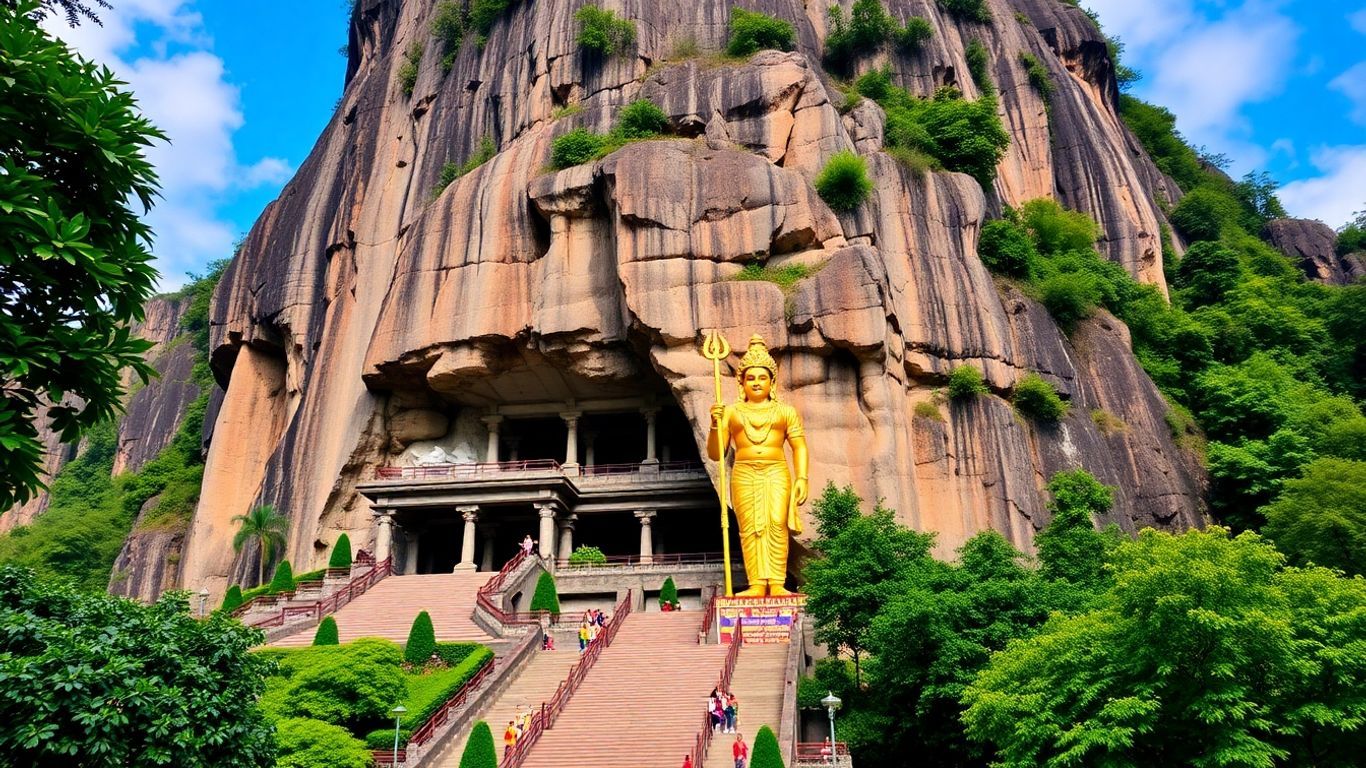
So, you've made it to Batu Caves, conquered the colourful steps, and marvelled at the main temple. Fantastic! But there's more to this iconic site than just the grand statue and the main cavern. To truly get the most out of your visit, it’s worth considering a few extras. It’s all about creating a memorable journey, not just checking an item off your list.
Combined City and Cave Tours
If you’re on a tight schedule, a combined tour can be an incredibly efficient option. These tours typically package a visit to Batu Caves with other key Kuala Lumpur attractions. Think of it as a highlight reel of the city. You might also visit places like the Royal Selangor Pewter Factory or get a photo op at the Petronas Twin Towers. It's an excellent way to see a variety of sights without the hassle of navigating transport between them. These tours are perfect for getting a comprehensive overview of the area in just one day.
Souvenir Shopping and Refreshments
At the base of the caves, you’ll find a bustling area with stalls selling a wide array of souvenirs. Here, you can pick up t-shirts, miniature statues, magnets, and other keepsakes to commemorate your visit. It's also the perfect spot to grab a bite to eat or a cold drink. After ascending all those stairs, a refreshing coconut water or fresh juice feels like a true reward. You'll also find local snacks and some delicious Indian sweets worth trying.
Photography Tips
Batu Caves is exceptionally photogenic, but capturing its best angles requires a bit of planning. The lighting inside the caverns, particularly the Temple Cave, can be challenging. For the best conditions, try to visit early in the morning—ideally before 10 AM—to avoid the harshest light and the biggest crowds. This also helps you beat the intense midday heat. When photographing the Lord Murugan statue, experiment with different angles to truly convey its immense scale. Inside the caves, please be mindful of worshippers and refrain from using flash, especially during prayers. The colourful steps themselves are a wonderful subject; try shooting from the bottom looking up for a dramatic perspective, or from the top looking down.
Always remember that while Batu Caves is a major tourist destination, it remains a very active and sacred religious site. Showing respect for the traditions and people here will enrich your experience and is greatly appreciated by the local community.
Here are a few specific ideas for your photos:
- The 272 Steps: Capture the vibrant colours from various perspectives. A wide-angle lens can be particularly effective here.
- Lord Murugan Statue: Use low angles to emphasize its towering height. The golden surface looks especially brilliant in the morning light.
- Temple Cave: Focus on the beautiful shafts of natural light filtering down from above. Look for intricate details in the shrines and natural rock formations. Patience is key to capturing moments with fewer people.
- Wildlife: Keep an eye out for the macaques, but remember they can be mischievous. Avoid feeding them and keep your belongings secure.
If you're planning your visit, checking out a guide on when to go can help you choose the best time for photography and for avoiding the peak crowds.
Final Thoughts on Batu Caves
So, there you have it—our guide to making the most of Batu Caves. It's truly more than just a famous landmark with a giant statue and a formidable flight of stairs. It's a place where you can genuinely feel the layers of history and culture, and the natural splendour of the caves themselves is simply breathtaking. Whether you're making the vibrant climb, exploring the temples within, or just soaking up the unique atmosphere, it’s a quintessential Malaysian experience you're unlikely to forget. We hope these tips help you plan your own memorable trip. Remember to wear comfortable shoes, be respectful, and stay hydrated. Happy travels!
Frequently Asked Questions
What exactly are the Batu Caves?
Batu Caves is a captivating complex of limestone caves and cave temples. It is most famous for its vibrant, rainbow-coloured staircase leading up to the main entrance and the colossal golden statue of the Hindu deity, Lord Murugan, that stands guard at the base. It is one of Malaysia's most popular attractions and a significant pilgrimage site for the Tamil Hindu community.
Where can I find the Batu Caves?
The Batu Caves are situated approximately 13 kilometres (about 8 miles) north of Kuala Lumpur, Malaysia's capital city. They are located within the district of Gombak in the state of Selangor. Reaching the site is quite convenient via public transport or car from the city centre.
How do I get to the Batu Caves from Kuala Lumpur?
The most straightforward method is by taking the KTM Komuter train. You'll need to board the line that terminates at the Batu Caves Station, which is the final stop. Alternatively, you can take a taxi or use a ride-sharing service like Grab, which typically takes around 20 to 30 minutes from downtown KL. Many organized tours also include Batu Caves as a key stop on a Kuala Lumpur day trip.
Is there a cost to visit the Batu Caves?
That's the great part—entry to the main temple cave, including climbing the steps and viewing the large statue, is free of charge. However, there are separate, smaller attractions like the Cave Villa that require a modest entrance fee. Donations to the main temple are always welcome to help with its upkeep.
What should I wear when visiting?
It is very important to dress respectfully, as it is an active place of worship. This means your attire should cover both your shoulders and your knees. If your clothing is deemed too short, you can purchase a sarong or wrap at the entrance. We also highly recommend wearing comfortable, sturdy shoes for climbing the 272 steps!
When is the best time to visit?
To avoid the largest crowds and the most intense heat of the day, it's best to visit early in the morning or later in the afternoon. Weekdays are generally less crowded than weekends. If you're interested in witnessing the spectacular Hindu festival of Thaipusam, it usually takes place in late January or February, but be prepared for exceptionally large crowds during this time.


