


citiesabc
MyClaw Review: The Easiest Way to Keep an OpenClaw Agent Running Around the Clock
11 Aug 2026

If you've spent any time in the OpenClaw community lately, you've probably noticed the same question popping up again and again: how do you keep an agent online without babysitting a laptop or a home server? That's the exact gap MyClaw is built to fill, and after digging into what it actually does, it's easy to see why so many people are switching over to it.
What MyClaw Actually Is
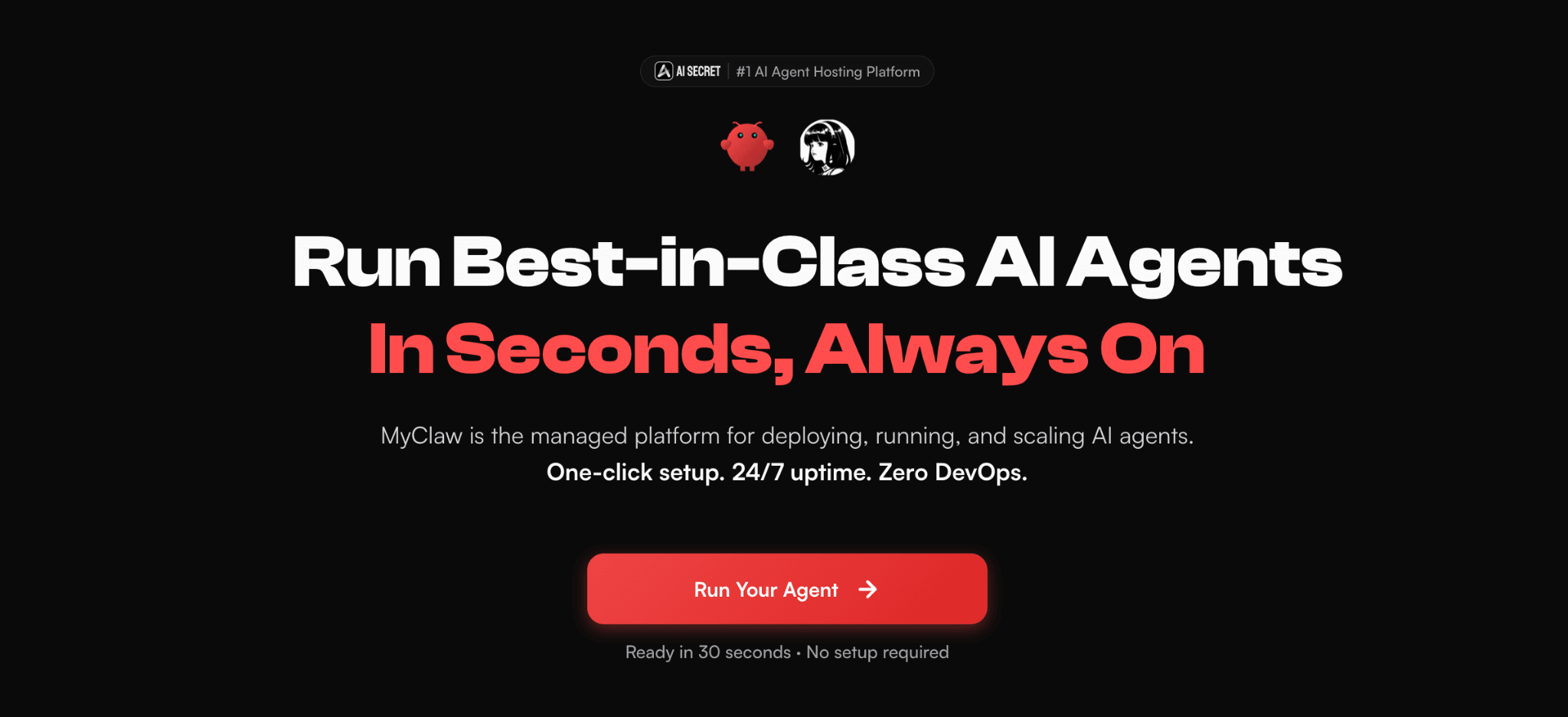
MyClaw is a managed hosting platform for AI agents, with OpenClaw and Hermes Agent as its two flagship products. Instead of installing dependencies, configuring a Gateway, and hoping your machine doesn't go to sleep mid-task, MyClaw spins up a hosted instance for you. One click, and the agent is live. No servers to patch, no Node version to chase, no terminal commands to memorize.
That "zero DevOps" promise is the whole pitch, and in practice it holds up. Deployment takes about 30 seconds, which is a genuinely refreshing change from the usual dance of installing Node, cloning a repo, and debugging a PATH variable at midnight.
Why Running an Agent Locally Gets Old Fast
The Laptop Lid Problem
An AI agent is only useful if it's actually available when something happens — an email lands, a price drops, a scheduled report needs to run. Local installs work great for testing, but the moment the laptop lid closes or the WiFi drops, the agent goes quiet with it. For anything meant to run unattended, that's a dealbreaker.
The Maintenance Tax
Beyond uptime, there's the ongoing upkeep: updates, backups, security patches, and the occasional broken dependency after an OS update. None of that is difficult exactly, but it adds up, and it's time that could go toward actually using the agent instead of maintaining it.
To be fair, a local setup still has its place. If you want to try OpenClaw on your own hardware first before deciding whether to move to hosting, the official OpenClaw install guide walks through every platform — macOS, Linux, Windows, WSL2, and Docker — clearly enough that even a first attempt goes smoothly. It's a good way to get a feel for how the agent behaves before handing the always-on version over to a host.
Where the Hosted Version Pulls Ahead
Always-On Without the Asterisks
Once an agent moves to MyClaw, it simply stays up. There's no "as long as your computer is on" caveat attached. Daily reports, inbox triage, price monitoring, page-watch tasks — the kind of jobs that only matter if they run reliably every single day — finally behave the way they're supposed to.
Talk to It From Wherever You Already Are
One detail that stands out is how the agent meets you in channels you're already using instead of forcing you into a new app. Email, Telegram, WhatsApp, or a browser tab all work as entry points, so checking in on a task doesn't mean opening yet another dashboard out of habit.
Room to Actually Grow
The platform supports over 200 model options and more than 100 integrations, which matters more than it might sound at first. Starting simple with one model and one connected tool is fine, but it's reassuring to know the ceiling is high enough that the setup doesn't need to be rebuilt from scratch six months later when the workload gets more ambitious.
Backups and Updates, Handled
Auto-updates and daily backups run in the background without needing to be triggered manually. It's a small thing until the day a dependency update would otherwise have broken a local setup — at which point it stops being small at all.
Trying It Without Much Risk
MyClaw currently runs a "buy one, get one free" offer: subscribing to either OpenClaw or Hermes Agent unlocks a free 30-day Max trial of the other. That's a genuinely useful way to compare the two side by side and see which one fits a given workflow better, rather than committing blind based on marketing copy alone.
A Few Things Worth Knowing Going In
Model usage is billed separately from the hosting plan itself, which makes sense once you think about it — the hosting fee covers infrastructure, uptime, and support, while the model provider handles the actual intelligence layer. It's worth keeping that distinction in mind when estimating monthly costs, since the two numbers show up separately.
It's also worth spending a few minutes with the permissions and connected-account settings before pointing an agent at anything sensitive. That's true of any agent platform, but it's a good habit either way — start with one real task, confirm it works the way you expect, and expand from there.
Final Thoughts
For anyone who has already fallen in love with what OpenClaw can do but is tired of it going offline the moment a laptop closes, MyClaw solves the exact problem that tends to show up right after the initial excitement wears off. The setup is fast, the always-on reliability is real, and the ability to reach an agent through channels already in daily use makes the whole experience feel less like managing software and more like actually working with an assistant.
Whether the plan is to jump straight into hosting or to test things locally first using the install guide linked above, the path from "curious about OpenClaw" to "agent running 24/7" has rarely been this short.


