
resources
Navigate the Future: Unveiling the Los Angeles Smart City Map
27 Nov 2025

Los Angeles is poised for a significant transformation, with this comprehensive vision encapsulated within the new Los Angeles Smart City Map. Consider it a strategic blueprint – an indispensable guide, one might say – delineating how the city intends to leverage cutting-edge technology and innovative concepts to enhance the quality of life for all residents. Its scope is broad, encompassing everything from urban mobility solutions to critical environmental sustainability initiatives. Indeed, it offers a remarkably detailed foresight into what LA could become by 2028, with a clear focus on boosting efficiency and fostering a greener urban landscape.
Key Takeaways
- The city is strategically segmented into distinct areas for projected growth and innovative initiatives, necessitating collaborative efforts among various municipal agencies.
- Significant enhancements are slated for essential city services, including the adoption of cleaner energy sources, improved water infrastructure, and more intelligent waste management protocols.
- Urban mobility is set for a substantial overhaul, featuring bolstered public transit, the development of new pedestrian and cycling pathways, and targeted interventions to alleviate traffic congestion.
- The plan includes the integration of additional green spaces and the promotion of energy-efficient building standards, aiming to cultivate healthier and more environmentally conscious neighborhoods.
- The safeguarding of personal information is paramount, underpinned by robust security measures, transparent data usage policies, and public reporting mechanisms to foster accountability.
Understanding The Los Angeles Smart City Map Framework
The Los Angeles Smart City Map is far more than a mere digital rendering; it serves as the foundational blueprint for the city's strategic growth and technological advancement. Essentially, it functions as a comprehensive guide – an indispensable tool, one might say – that directs our collective efforts toward transforming LA into an even more vibrant and equitable urban environment for all. This ambitious framework is constructed upon several interconnected principles, all designed to collaboratively shape the metropolis's future.
Defining Strategic Planning Areas
To begin, the map meticulously delineates the city into distinct Strategic Planning Areas. Each of these zones presents its unique array of challenges and opportunities for enhancement. For example, while one area may urgently require improved traffic management solutions, another might prioritize the integration of additional green infrastructure. This granular approach ensures we avoid a generic, 'one-size-fits-all' methodology. Instead, it empowers us to precisely tailor smart city projects to align with the specific needs of each neighborhood. Ultimately, it's about optimizing resource allocation and ensuring that the interventions we implement are genuinely appropriate for that particular segment of Los Angeles. Such a granular classification aids significantly in making informed development and planning decisions, often leveraging valuable resources such as the Smart Location Database.
Mapping Public Service Hubs
Furthermore, the framework meticulously identifies and maps out Public Service Hubs throughout the city. These crucial locations serve as central points for essential services, including healthcare, education, and various governmental assistance programs. The overarching objective is to enhance both the accessibility and operational efficiency of these vital hubs. Technology is poised to play a pivotal role here, instrumental in streamlining service delivery and facilitating more effective information exchange. Can you imagine the convenience of easily booking appointments or obtaining critical information, perhaps even eliminating the need for an in-person visit? Ultimately, this integration will dramatically simplify residents' access to crucial city services.
Coordinating Interagency Collaboration
Realizing the vision of a smart city necessitates robust collaboration across numerous municipal departments and stakeholder groups. Indeed, it transcends the siloed operations of individual offices. The map serves as a unifying instrument, providing a shared objective and a central reference point for the comprehensive strategic plan. This approach inherently involves dismantling traditional departmental barriers and fostering seamless information exchange, ensuring all entities operate from a cohesive understanding. It's an undertaking of considerable magnitude, certainly – yet it is precisely how we guarantee that all smart city initiatives converge and collectively advance towards a singular, progressive vision for Los Angeles.
This coordinated effort, therefore, is paramount for the prudent allocation of city resources and ensuring that all disparate smart city projects synergistically align with the broader objective of a more connected and sustainable Los Angeles.
To illustrate, here's an overview of how various municipal entities are slated to collaborate:
- Transportation Department: Will primarily focus on intelligent traffic management systems and crucial public transit enhancements.
- Public Works: Responsible for overseeing critical infrastructure projects, particularly those related to energy and water systems.
- Information Technology Agency: Tasked with the oversight of digital platforms and comprehensive data governance.
- Community Development: Dedicated to integrating smart solutions directly into neighborhood-level planning and initiatives.
- Emergency Services: Will leverage advanced technology to bolster public safety and significantly improve response times.
Enhancing Urban Mobility And Connectivity
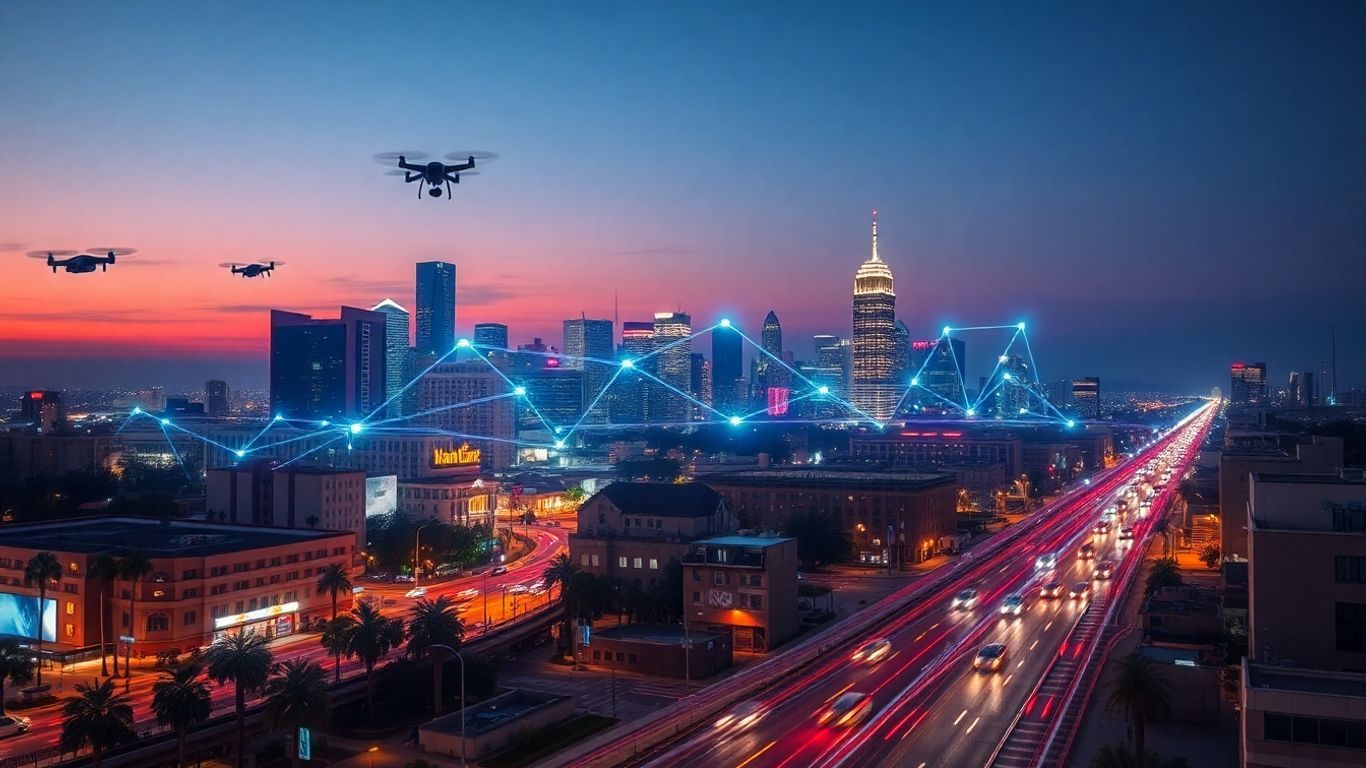
Los Angeles is actively committed to revolutionizing urban mobility, aiming to create more efficient and seamless transit experiences for all its inhabitants. This endeavor transcends the mere expansion of road networks or vehicle fleets; rather, it entails a fundamental re-evaluation of how individuals navigate the metropolis, leveraging intelligent concepts and cutting-edge technology. The primary objectives are clear: to significantly mitigate traffic congestion, expedite daily commutes, and contribute to environmental sustainability through the adoption of cleaner transportation modalities.
Reducing Traffic Congestion Through Smart Solutions
Traffic congestion has long plagued the sprawling metropolis of Los Angeles – an enduring challenge that smart city technologies are now poised to address. To this end, the city is implementing sophisticated systems that utilize artificial intelligence (AI) to dynamically manage traffic signals. These intelligent systems possess the capability to adjust signal timings in real-time, optimizing traffic flow and effectively preventing gridlock. Furthermore, initiatives are being explored to incentivize carpooling and greater utilization of public transportation, potentially through reward programs or dynamic pricing during peak hours. The underlying principle is straightforward: to reduce the prevalence of single-occupancy vehicles on our roads.
Ultimately, the city envisions a future characterized by fluid traffic movement, thereby rendering daily commutes considerably less arduous and significantly more predictable for its residents.
The Festival Trail: A Vision For Connectivity
Imagine an urban landscape where walking and cycling aren't merely alternatives but rather the preferred and most efficient modes of inter-district travel. The Festival Trail represents a concrete plan to transform this vision into reality. This ambitious initiative involves developing an interconnected network of pathways designed to seamlessly link parks, cultural landmarks, and diverse neighborhoods. Its significance extends beyond enhanced mobility; it's fundamentally about fostering a stronger sense of community. By creating these vital connections between green spaces and bustling urban centers, residents will gain greater freedom of movement and a reduced dependency on private automobiles. Indeed, it promises a healthier, more environmentally conscious means of experiencing the rich tapestry of the city.
Upgrading Public Transit Networks
While futuristic concepts like autonomous vehicles are certainly emerging, enhancing conventional public transit remains a cornerstone of the city's mobility strategy. Los Angeles is therefore actively planning a significant expansion of its light rail and Bus Rapid Transit (BRT) systems. This comprehensive upgrade encompasses several key initiatives:
- The introduction of new light rail lines to service currently underserved areas.
- Increased frequency of bus and train operations to minimize passenger waiting times.
- The establishment of dedicated lanes for BRT buses, ensuring faster and more dependable service.
These strategic enhancements are designed to render public transit a more attractive alternative, thereby contributing to a reduction in private vehicle usage. Concurrently, the city is dedicated to improving the accessibility of transit stations for all individuals, incorporating features like ramps and elevators, and ensuring the availability of affordable housing proximate to transit corridors. Moreover, the development of new applications will provide real-time updates, invariably streamlining the entire commuting experience.
The city is unequivocally committed to making public transit a convenient and accessible option for all residents.
Prioritizing Sustainability And Green Initiatives
Los Angeles is consciously broadening its focus beyond mere technological integration to prioritize the cultivation of a healthier, greener urban environment. This integral component of the smart city plan is fundamentally dedicated to ensuring that our natural surroundings flourish in tandem with urban development – a harmonious coexistence, if you will. It signifies more than just superficial tree planting; rather, it represents a profound re-evaluation of our construction practices, resource management strategies, and overall lifestyle choices to foster a deeper respect for our planet.
Integrating Green Spaces Into Urban Planning
Consider green spaces as the vital 'lungs' of our metropolis. The smart city plan seeks to seamlessly integrate parks, vibrant community gardens, and even innovative vertical greenery into the urban fabric. This initiative isn't purely aesthetic; it actively contributes to air purification, moderates urban temperatures during heatwaves, and provides essential havens for relaxation. Urban planners are diligently pinpointing locations, both extensive and intimate, where the introduction of green elements can yield substantial benefits. A core objective is to ensure these natural retreats are universally accessible, particularly in neighborhoods historically underserved by green infrastructure. This holistic approach is indeed a cornerstone of making the city both more livable and remarkably resilient.
Energy-Efficient Infrastructure For A Sustainable Future
Intelligent construction inherently translates to reduced energy consumption. Los Angeles is therefore championing greater energy efficiency across all building types – from residential homes to expansive commercial offices. This commitment entails the utilization of superior building materials, implementing intelligent designs that maximize natural light and ventilation, and a significant drive towards integrating renewable energy sources, notably solar power. The city is pursuing various strategies to achieve these ambitious goals:
- Expanding the installation of solar panels on all eligible public buildings.
- Investing substantially in large-scale wind energy projects.
- Developing and harnessing geothermal energy sources.
- Modernizing the existing power grid to effectively accommodate a greater influx of clean energy.
This concerted focus on clean energy and efficient infrastructure is paramount for minimizing our collective carbon footprint and forging a truly sustainable energy future. Furthermore, the city is actively exploring the modernization of water management systems, which includes proactive pipe maintenance to mitigate leaks and the deployment of smart meters for precise usage tracking – all aimed at judiciously conserving this invaluable resource. The Bureau of Engineering, for example, has formally adopted the Envision framework to systematically guide these pivotal infrastructure improvements.
Promoting Eco-Friendly Neighborhoods
Cultivating neighborhoods where eco-friendly living is both effortless and innate constitutes another critical element of this overarching strategy. This ambition translates into simplifying access to active transportation modes like walking and cycling, alongside bolstering public transit options. It also encompasses actively promoting the adoption of electric vehicles and significantly reducing reliance on fossil fuels. How, precisely, is the city working to realize this transformative objective?
- Offering substantial incentives for the acquisition of electric vehicles.
- Constructing an expanded network of dedicated bike lanes and pedestrian-friendly pathways.
- Making significant investments in diverse public transportation options.
The overarching vision is to forge communities where sustainable choices are not just possible but inherently the easiest path, ultimately yielding cleaner air, diminished noise pollution, and a demonstrably superior quality of life for all residents.
These integrated initiatives collectively endeavor to construct a Los Angeles that is not only at the forefront of technological advancement but also deeply environmentally conscious – truly a remarkable place to reside.
Leveraging Technology For Efficient City Management
Los Angeles is approaching technology not merely as a means to innovate, but as a pragmatic instrument to optimize urban operations and enhance overall city management. Fundamentally, it involves deploying intelligent systems to streamline daily municipal functions, thereby simplifying the urban experience for every resident.
AI And Data-Driven Urban Management
Artificial intelligence (AI) is rapidly emerging as a transformative force in the operational landscape of Los Angeles. Envision it as an extraordinarily sophisticated assistant, capable of analyzing vast datasets – such as real-time traffic flow, energy consumption, or current public transit ridership figures. By discerning intricate patterns and accurately forecasting future occurrences, AI empowers city managers to make more informed and expeditious decisions. This translates into tangible benefits, like dynamically adjusting traffic signals to alleviate congestion or dispatching maintenance crews proactively, averting minor issues from escalating into significant problems.
- Forecasting traffic patterns to proactively reduce urban congestion.
- Identifying potential infrastructure deficiencies before they lead to major disruptions.
- Optimizing public transit timetables based on dynamic, real-time demand.
The ultimate objective is to harness data intelligence to ensure the city operates with the precision of a well-calibrated mechanism, adept at anticipating and addressing needs well before they manifest as critical issues.
Smart Sensors For Enhanced Safety
Ubiquitous smart sensors are progressively being deployed across the urban landscape, effectively serving as an extended network of 'eyes and ears' for the city. These devices possess the capability to detect fluctuations in air quality, identify potential fire hazards, or even gauge the real-time occupancy of thoroughfares. In high-traffic zones, these sensors can actively aid in traffic signal management, thereby ensuring smoother flow and enhanced pedestrian safety. Crucially, for emergency services, sensors can swiftly pinpoint areas requiring immediate assistance – a vital capability that can indeed make all the difference when every second is critical.
The Role Of IoT In Daily City Life
The Internet of Things (IoT) fundamentally interconnects everyday objects, enabling them to operate in a cohesive, intelligent network. Imagine, for instance, streetlights that intuitively dim when no pedestrians or vehicles are detected, yielding significant energy savings. Or consider waste receptacles that transmit alerts upon reaching capacity, thereby optimizing collection routes and eliminating unnecessary trips for sanitation services. Even the perennial challenge of locating parking could be simplified by systems that provide real-time availability of vacant spaces. These myriad technological enhancements, though seemingly minor, collectively contribute to a metropolis that feels decidedly more responsive and inherently convenient for its residents.
Ensuring Data Privacy And Public Trust
As Los Angeles meticulously constructs its smart city future, safeguarding resident information and maintaining transparency regarding its utilization stands as a paramount imperative. This commitment extends beyond mere technological sophistication; it's intrinsically about fostering a sense of security and ensuring public trust in the responsible stewardship of their data. Achieving this necessitates the implementation of robust protective measures and unequivocal communication with all stakeholders about these processes.
Protecting Resident Data With Robust Cybersecurity
Securing digital information is akin to fortifying all of the city's data 'doors' with impregnable locks. Los Angeles is proactively implementing advanced cybersecurity protocols to rigorously protect against unauthorized access and malicious cyberattacks. This comprehensive approach encompasses several critical components:
- Conducting routine audits and vulnerability assessments of all systems.
- Employing robust encryption techniques to render sensitive data unintelligible to unauthorized parties.
- Establishing sophisticated detection and rapid response mechanisms to neutralize cyber threats effectively.
Collectively, these measures are meticulously engineered to safeguard all forms of data, ranging from anonymized traffic patterns to highly sensitive personal information.
Establishing Clear Data Usage Policies
A fundamental aspect of data stewardship involves precise clarity on who is authorized to access specific data and the permissible parameters of its use. To this end, the city is meticulously developing transparent guidelines, often referred to as data governance frameworks, which will explicitly define:
- The categories of data slated for collection.
- The individuals or entities granted authorization to view and utilize this data.
- The explicit modalities through which data is permitted to be employed.
These policies are strategically designed to preempt misuse and guarantee that all data serves the collective public good.
Building a smart city entails architecting a system where technology serves the populace, rather than the reverse. This imperative demands a continuous, delicate balance between fostering innovation and upholding the fundamental right to privacy. Indeed, transparent communication and unambiguous guidelines form the bedrock of this essential trust.
Ensuring Public Transparency And Accountability
It is insufficient merely to assert that data is protected; the city must demonstrably prove it through action and openness. This commitment entails unwavering transparency regarding:
- The precise nature of data being collected.
- The specific applications and methodologies of its use.
- The designated entities accountable for its protection.
Furthermore, the city will establish accessible channels for residents to articulate concerns or pose inquiries pertaining to data privacy – perhaps a dedicated online portal or a specialized municipal office. This commitment to transparency and accountability is instrumental in fostering a robust and enduring connection between the city and its citizenry.
Driving Economic Growth Through Smart City Investments
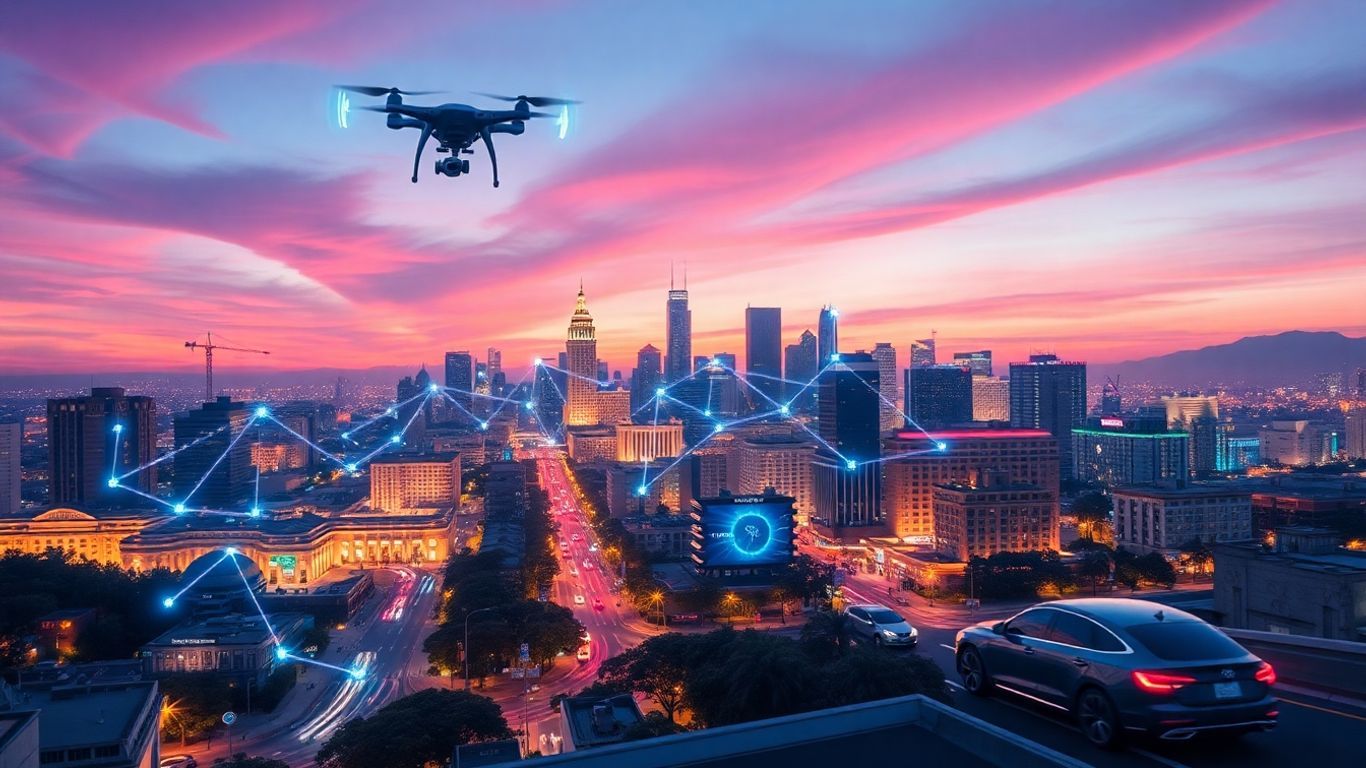
Investing in a smart city transcends the mere acquisition of novel gadgets or enhanced internet speeds; rather, it represents a calculated strategic maneuver to invigorate the local economy. The Los Angeles Smart City 2028 Map is purposefully crafted to entice businesses, generate employment opportunities, and cultivate an even more attractive environment for investment. Ultimately, it's about forging a future where technological innovation and robust economic prosperity are intrinsically linked – advancing hand-in-hand.
Creating Innovation Hubs And Incubators
To truly catalyze the proliferation of novel concepts and ventures, the city intends to establish dedicated innovation hubs and incubators specifically tailored for startups and technology companies. Consider these as dynamic launchpads, providing entrepreneurs with the essential support and resources required for robust growth. These hubs will strategically concentrate on pivotal sectors such as green technology, advanced urban mobility solutions, and intelligent data utilization. The overarching objective is to cultivate a vibrant ecosystem where new businesses can be founded and flourish, thereby attracting a diverse pool of talent from across various sectors.
Facilitating Public-Private Partnerships
Large-scale smart city initiatives invariably demand substantial capital investment. It is precisely in this context that collaboration with the private sector becomes indispensable. Public-Private Partnerships, or PPPs, enable the city to jointly finance and construct infrastructure projects that might otherwise prove prohibitively expensive or complex to undertake autonomously. These strategic collaborations introduce invaluable external expertise and financial resources. Ultimately, it's a mutually beneficial arrangement: the city secures essential infrastructure, while participating companies realize a return on their investment. This synergistic approach is fundamental to transforming ambitious projects, such as those detailed in the Smart LA 2028 initiative, into tangible realities.
Measuring Impact With Real-Time Analytics
Merely allocating funds to smart city projects is insufficient; rigorous evaluation is essential to ascertain their actual efficacy. The LA Smart City 2028 Map will, therefore, leverage real-time analytics to meticulously assess the performance of various initiatives. This crucial data will inform city leaders' decisions regarding resource allocation and strategic plan refinements. Ultimately, it's about making judicious, data-informed choices.
To illustrate, here are some key impact metrics that will be systematically monitored:
- Traffic Flow Improvements: Quantifying reductions in average commute times and instances of traffic congestion.
- Energy Consumption: Monitoring decreases in energy utilization across public buildings and essential infrastructure.
- Public Transit Ridership: Tracking increases in the number of individuals utilizing buses and trains.
- New Business Formation: Documenting the establishment rate of new technology and green economy enterprises.
Embracing data-driven decision-making is pivotal to ensuring that investments in smart city technology directly translate into tangible economic benefits for both Los Angeles and its residents. It unequivocally underpins both accountability and the ethos of continuous improvement.
These comprehensive efforts are integral to a broader vision positioning Los Angeles as a preeminent leader in urban innovation and sustained economic development.
Engaging Communities In The City’s Transformational Map
The LA Smart City 2028 Map represents more than a mere technical blueprint; it embodies a collective, shared vision for the future of Los Angeles. To ensure this vision authentically reflects the diverse aspirations of its populace, robust community involvement is unequivocally paramount. Indeed, our commitment is to co-create this smarter city with you, not simply for you.
Launching Interactive Digital Platforms
To facilitate engagement, we are developing intuitive digital platforms that will enable residents to explore the map and articulate their perspectives. These interactive tools will provide comprehensive insights into proposed projects, such as new transit corridors or green infrastructure, alongside mechanisms for submitting valuable feedback. Can you picture a dynamic digital environment where you can virtually tour 3D models of impending developments and engage in discussions with fellow community members? Key features of these platforms will encompass:
- Multilingual options to ensure broad accessibility.
- Advanced visualizations of planned urban transformations.
- Dedicated forums for sharing innovative ideas and fostering constructive discussions.
This initiative forms a vital component of a wider endeavor to enhance digital inclusivity city-wide, exemplified by programs like the new free public Wi-Fi, which aims to connect more residents by bridging existing internet access gaps.
Hosting Community Design Charrettes
While digital platforms undoubtedly offer considerable utility, the irreplaceable value of direct, face-to-face interaction cannot be overstated. To this end, we will be organizing a series of in-person community design charrettes across various neighborhoods. These collaborative sessions are purposefully structured to unite residents, urban planners, and city officials, facilitating a collective brainstorming and refinement of the map's proposals. They'll specifically address unique local needs and diligently ensure that a diversity of voices are actively heard and integrated.
These pivotal gatherings are fundamentally about fostering collaboration, transforming abstract concepts into tangible, meaningful improvements that authentically resonate with the distinctive character of each community.
Tracking Public Feedback Metrics
The collection of public feedback merely represents the initial phase; critical to its value is the subsequent commitment to actionable implementation. To achieve this, we are establishing robust systems to meticulously monitor and analyze all received input, whether derived from online platforms or in-person community engagements. This invaluable data will directly inform the evolution of the map, ensuring its continuous alignment with the aspirations of Angelenos. Specifically, our analysis will encompass:
- The prevalent sentiments expressed across digital channels.
- Quantitative participation rates in community meetings.
- The overarching themes and primary concerns articulated by residents.
This iterative, transparent process is instrumental in cultivating public trust and guaranteeing that smart city initiatives genuinely serve the diverse needs of the people of Los Angeles.
Looking Ahead
The LA Smart City 2028 Map unequivocally delineates a forward-looking trajectory for Los Angeles. It's crucial to understand that this vision transcends mere high-tech spectacle; its core purpose is to genuinely enhance daily life for all residents. From streamlining urban mobility to integrating more abundant green spaces, the map meticulously outlines a series of practical, actionable steps. While some proposed initiatives might appear ambitious, they're carefully disaggregated, allowing everyone to readily observe progress. Perhaps you'll soon notice freshly paved bike lanes, or regularly check your smartphone for real-time air quality updates, indicative of these transformations. This comprehensive map, then, serves as the fundamental genesis for these profound changes. And should adjustments be warranted along the journey, the city stands prepared to adapt with agility. After all, the construction of a smarter city is an ongoing odyssey – an evolving process, certainly – not a fixed, ultimate destination.
Frequently Asked Questions
What exactly is the Los Angeles Smart City Map?
The LA Smart City Map is a comprehensive strategic blueprint outlining how Los Angeles plans to leverage advanced technology and innovative concepts to enhance the quality of life for all residents by 2028. It specifically identifies key areas for new energy projects, public transit enhancements, and the integration of additional green spaces.
How can I access this map and its plans?
The map will be accessible online via a dedicated website, anticipated to launch in 2025. Designed for user-friendliness, it will be fully compatible with both mobile devices and desktop computers. Additionally, select libraries and community centers will host special interactive installations for public exploration.
Does this map encompass the entirety of the city?
Yes, the map offers a holistic perspective, addressing all principal areas of Los Angeles. It highlights critical locations for public services, identifies energy-efficient building initiatives, details bus and train route upgrades, and designates zones near coastal regions and urban parks for specific interventions.
How will this map contribute to enhancing city services such as water or waste management?
By precisely delineating the locations of new projects concerning clean energy, advanced water systems, and intelligent waste management, the map significantly improves the city's strategic planning for infrastructure upgrades. This translates directly into benefits such as more sustainable power, enhanced water quality, and more efficient waste collection for residents.
Will my personal information be secure amidst these technological advancements?
Absolutely. The city is implementing robust cybersecurity measures to safeguard all resident data. Explicit data governance frameworks will define who has authorized access and how information can be utilized, complemented by public reports detailing data handling practices to ensure transparency.
How can I contribute my insights regarding the city's future plans?
Residents can provide feedback through online surveys and participate in community town hall meetings. The city is committed to actively incorporating public comments into the plan's evolution. Furthermore, workshops will be organized, offering opportunities for direct involvement in the design and refinement of specific urban elements.


