
resources
Oman’s Smart Districts: Blending Tradition with Technology
15 May 2025

Oman’s Distinct Path to Smart Cities
Oman has chosen a different course from its Gulf neighbours. Instead of towering skyscrapers and island resorts, the sultanate is investing in well-planned districts. These new areas blend traditional design with modern technology and with many entertainment things, comparable to casinos with no GamStop. The result is a series of smart communities that reflect Omani values and protect the landscape.
Historical Context
In 1970, Oman had barely 10 kilometres of paved roads. Many villages lacked electricity and reliable water supplies. Sultan Qaboos bin Said viewed rapid wealth as a chance to improve daily life, not to copy Western cities. His plan centred on basic infrastructure, health and education. Buildings in Muscat rose no higher than 16 storeys to preserve the look of cliffs and coast.
Key Milestones
- 1970s: Launch of nationwide road network.
- 1980s: Expansion of health clinics to rural areas.
- 1990s: The Electric grid reaches most towns.
- 2016: First 16-storey hotel opens in Muscat.
Vision 2040
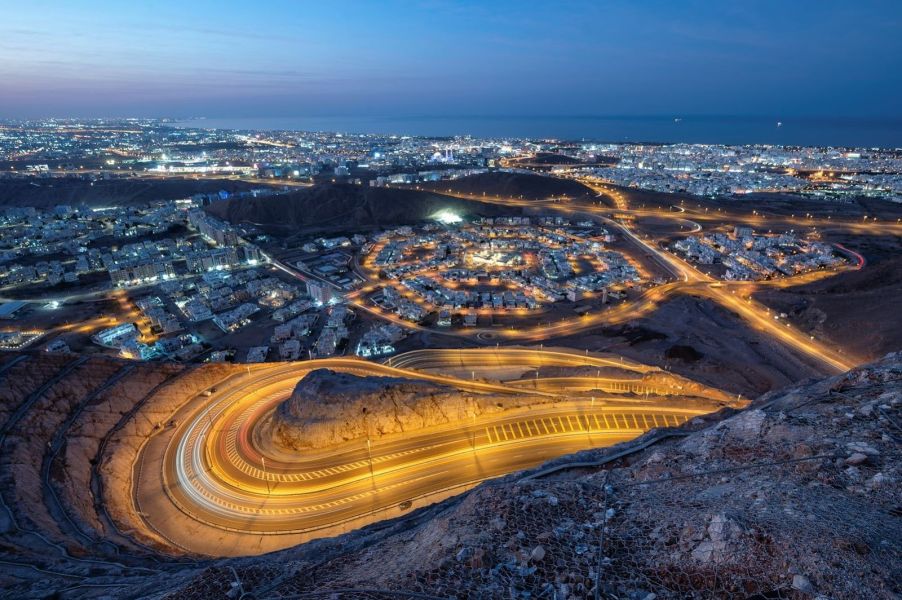
Oman’s Vision 2040 aims to reshape the economy and society. It seeks new industries, stronger private business and a skilled workforce. The plan stresses sustainability and cultural heritage.
Main Goals
- Diversify the economy beyond oil.
- Boost tourism to generate 10% of GDP by 2040.
- Train young Omanis in technology and creativity.
- Promote local culture and natural assets.
- Foster a circular economy where waste is a resource.
Major Programmes
- Special economic zones for foreign investment.
- Transport hub projects connecting Gulf routes.
- Education reform for future skills.
- Renewable energy targets to cut the carbon footprint.
- Waste-to-energy and water reuse schemes.
Sultan Haitham City
Sultan Haitham City serves as a flagship for Vision 2040 in Muscat’s northern outskirts. It spans over 12 square kilometres, more than three times the size of New York’s Central Park. The master plan avoids tall towers, grouping low-rise clusters along green corridors and ridgelines to preserve mountain vistas.
Houses are sited for natural ventilation and shade, while a network of solar streetlights and sensor-driven energy management supports efficient operations. Construction began in late 2023, with the first six neighbourhoods due for completion by 2030, highlighting Oman’s commitment to human-scale design and environmental harmony.
Features
- 19 neighbourhoods with 20,000 homes in phases.
- 13,000 smart LED streetlights in Muscat pilot.
- Sensors monitor air, traffic and energy use.
- Riverbed transformed into a 1.6 million sq m green park.
- Four-phase build to house 100,000 people by 2045.
| Phase | Area (sq m) | Homes | Completion Date | Population capacity |
| One | 5,000,000 | 6,700 | 2030 | 30,000 |
| Two | 7,000,000 | 7,000 | 2035 | 35,000 |
| Three | 6,000,000 | 3,300 | 2040 | 20,000 |
| Four | 4,000,000 | 3,000 | 2045 | 15,000 |
Al Khuwair Downtown
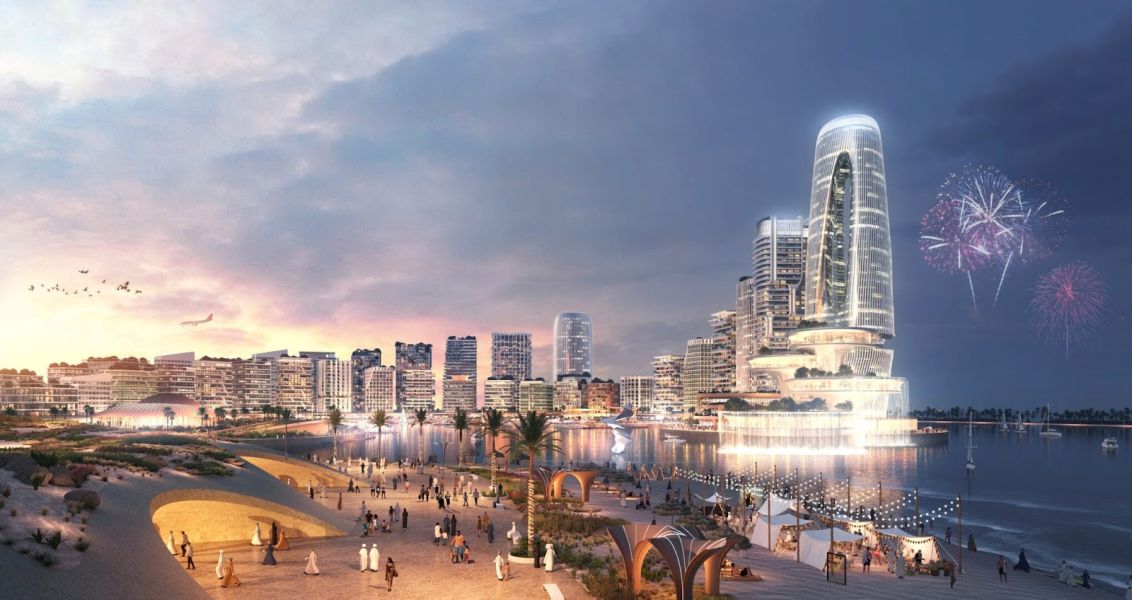
This waterfront neighbourhood blends natural desert waterways with canals and green corridors. Zaha Hadid Architects designed low-rise buildings up to 150 metres, a rare exception to Muscat’s 16-storey rule.
Highlights
- £1.3?billion project over 3.6 million sq m.
- Five interlinked districts working as an ecosystem.
- Retrofitting existing government buildings.
- Light rail, water taxis and shaded walkways.
- Space for 64,500 residents and ample public areas.
Yiti Sustainable Community
Yiti will be the region’s largest eco-friendly development, covering over 800 hectares of coastal land. Slated for full operation by the end of 2026, it will rely entirely on solar panels, wind turbines and waste-to-energy facilities.
Advanced water recycling and urban farms will grow most of its food on-site. The design aims to balance consumption and production so that Yiti generates as much clean energy as it uses, cutting carbon emissions by nearly 80%.
Core Principles
- 100% renewable power for homes and services.
- Waste-to-energy plants to avoid landfills.
- Urban farms supply 80% of residents’ food.
- Shared electric vehicles and bikes.
- Net carbon footprint drop of 78% compared to standard housing.
Project Snapshot
| Aspect | Detail |
| Infrastructure ready | 93% in place |
| Housing sold | The first wave sold out in 2024 |
| Full completion target | End of 2026 |
| Energy mix | Solar, wind and waste processing |
| Food production | Hydroponics and vertical farming |
Economic and Social Impact
Oman now depends less on oil, which makes up about 50% of GDP and nearly 70% of state revenue. The International Energy Agency warns global oil demand may peak by 2030. Vision 2040’s projects aim to cushion this shift.
Benefits
- New jobs in tech, tourism and renewable energy.
- Modern schools are teaching AI, blockchain and robotics.
- Health and community centres close to homes.
- Improved water management through natural flood parks.
- Rise in tourist visits to over three million in 2023 (up 41% on 2022).
Challenges
- Managing population growth from 4.5?million to 8.5?million by 2040.
- Securing foreign investment amid regional competition.
- Ensuring projects remain on schedule and budget.
- Maintaining cultural integrity while building modern facilities.
Conclusion
Oman is taking a careful path. It balances modern needs with its natural and cultural heritage. Instead of chasing record heights, it builds smart districts that serve people and protect the environment. The success of Sultan Haitham City, Al Khuwair Downtown and Yiti will show whether this approach can work. If it does, Oman may lead a new style of urban growth in the Gulf.
FAQ
What is the goal of Oman’s Vision 2040?
To reshape the economy by diversifying industries, boosting tourism and promoting sustainability.
Why are there no skyscrapers in Muscat’s new districts?
Oman limits building height to preserve coastal and mountain views.
How does Sultan Haitham City manage water and green space?
A converted riverbed acts as a park in dry seasons and a flood management system when it rains.
What makes Yiti a sustainable community?
It runs on renewable energy, recycles waste and grows most of its food locally.
How will Oman reduce its reliance on oil revenue?
By investing in tourism, technology, education and renewable projects.
What challenges does Oman face in these projects?
Managing population growth, securing investment and keeping projects on time and within budget.


