
Markets & Investing, Trading Strategies & Tech, resources
Pedestrians & The Ever-Growing Traffic: Practical Tips From The Pros
30 Dec 2025

Walking should feel simple and safe. Yet streets are busier, vehicles are larger, and distractions are everywhere – so the basics matter more than ever. Here’s how pros stay visible, predictable, and ready in today’s traffic.
Why Pedestrian Risk Keeps Rising
Urban streets pack more people, more deliveries, and more ride-hails into the same space. That means more turning conflicts and more moments when drivers search for gaps instead of people. The fix starts with awareness and simple routines you can repeat every day.
Bigger vehicles also change sightlines at corners and driveways. A high hood can hide someone stepping off the curb until it is too late. Assume you are invisible until you make eye contact and see a full stop.
Distraction still hurts both sides. Glances at a phone or earbuds masking engine noise cut precious seconds. Keep your head up, scan often, and treat every lane as its own decision.
When Local Knowledge Helps Most
Neighborhood patterns matter – delivery surges, school drop-offs, and nightlife all shift risk by the hour. Watch where traffic stacks up, then slide one block over to a calmer parallel route. Small detours often remove the scariest turn lanes.
If your walk raises legal questions about injuries, fault, or deadlines, talk with local counsel. You can connect with Philadelphia lawyers at Gay Chacker & Ginsburg and similar firms to understand options and timelines. A short consult can clarify evidence to save and how insurance really works.
City reports and crash maps can guide your plan. Look for corridors with recent upgrades like leading pedestrian intervals or median islands. Cross where signals and street design give you time and space.
Night And Visibility Basics
Streetlighting is uneven, and shadows move as cars pass. Wear light colors high on your body and add a small clip-on light to your bag. Motion and points of light get a driver’s attention faster than flat fabric.
Reflective details help only when a headlight hits them. Keep reflectors on wrists or upper arms where movement is obvious. If sidewalks fade to the shoulder, angle your path to meet sightlines sooner.
Treat dusk like night – contrast drops fast after sunset. If possible, walk with the sun at your back so drivers see your silhouette. When in doubt, wait for a bigger gap and reset your approach.
Crossings That Work In Real Life
Not all crosswalks are equal, even when painted the same. Multi-lane arterials can hide you behind turning trucks or buses. Favor crossings with signals, medians, or refuge islands.
Start only on a fresh walk phase so you clear multiple lanes. If the signal is already counting down, wait the extra cycle. Rushing late puts you in the same space as turning traffic.
Make yourself obvious before you commit. Step to the edge, look at the drivers, and confirm an actual stop. If any lane feels uncertain, retreat and reset.
The Speed Rule Pros Live By
Crash energy climbs fast with speed, and people on foot have limits. A small increase in vehicle speed can turn a survivable hit into a catastrophic one. That is why 20 to 25 mph targets on neighborhood streets matter so much.
Slower traffic near schools and transit stops buys time for everyone. It widens the window for eye contact and braking. You feel it in your body – low speed equals lower stress.
A national governors’ safety analysis recently noted that thousands of people walking were killed last year, a number still far higher than a decade ago, even after a slight dip. The report tied risk to nighttime travel, large vehicles, and road design that prioritizes speed. It ends with a clear takeaway: slower, human-scaled streets save lives.
Micro-Habits That Pay Off
Small habits stack into real protection. Practice these until they are automatic, then pass them on to family and friends.
- Scan left-center-right every few seconds, even on sidewalks.
- Pivot your torso toward traffic when stepping off the curb.
- Keep one ear open – skip noise-canceling in busy zones.
- Make eye contact and wait for a full stop, not a slow roll.
- On multi-lane roads, clear one lane, then reassess the next.
- Walk with the sun at your back at dusk when you can.
- If a bus blocks your view, wait for the lane behind it to clear.
After A Close Call Or A Crash
If you are shaken but unhurt, jot down details while they are fresh. Note time, place, lane counts, landmarks, and weather. Photos of sightlines, skid marks, and damage patterns matter later.
If there are injuries, seek medical care even for minor hits. Some injuries hide until adrenaline fades. Keep names of witnesses and plate numbers, and save every receipt.
A federal highway safety agency emphasizes reporting crashes to authorities and organizing records for any claim. It also highlights the scale of harm to people walking each year, underscoring why documentation helps recovery and accountability. Good notes make it easier for professionals to reconstruct what happened.
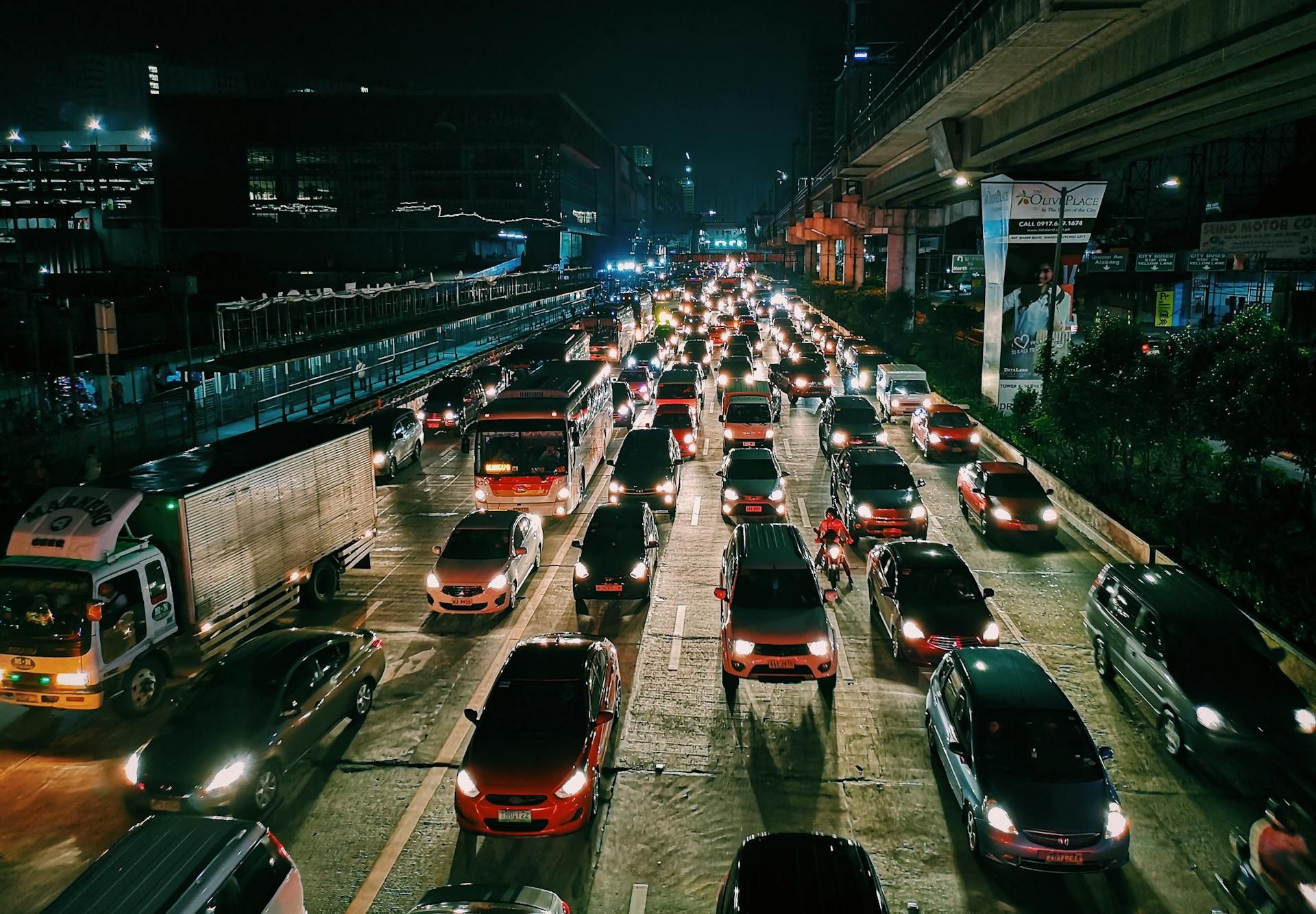
Walking will always be part of city life – that is the good news. With a little planning and a few pro habits, you can turn hectic streets into predictable routes. Keep your focus on where you are going, not what might go wrong.


