
About UsMembershipMarketplaceResourcesGlobal Business Atlas
Top AI CompaniesTop Blockchain Influencers & AuthorsTop Global Digital AgenciesBusinessabc Country IndexesTop Accelerators and Chambers of CommerceTop Public Companies by MarketcapBusinessabc Education IndexesTop Malaysian Companies
DirectoryCompaniesLeadersInvestorsUniversitiesOrganisations
Loading article…
Logo

Businessabc provides digital business directory, digital blockchain AI certification, resources, and marketplace for businesses, organisations, and professionals.

Contacts

Email
Contact

Follow Us

Created Produced

Partner logo
Partner logo

Tech AI Media Platforms

Partner logo
Partner logo
Partner logo
Partner logo
Partner logo
Partner logo

Copyright 2026 © Businessabc powered by

Powered by ztudium group

DisclaimerPrivacy PolicyTerms of Service
Partner logo
Partner logo
Partner logo
Partner logo
Partner logo
Partner logo

Digital Fashion, resources

PicoNext transforms fashion with digital product passports on blockchain

Jasmeen Dugal

Digital product passport,fashion technologies,Piconext

14 Feb 2024

PicoNext transforms fashion with digital product passports on blockchain

The future of fashion looks promising with more and more fashion brands using digital product passports linked to physical goods. This technology has the potential to play an instrumental role in fashion as digital product passports offer invaluable opportunities for fashion brands to build a direct, interactive and personalized relationship with their clients. Piconext has been in the news lately for introducing Digital Product Passports that allow fashion brands to adopt the technology in order to provide buyers with increased transparency in the form of details on the environmental and social attributes of their products and back their sustainability programs with data.

This is in line with the Digital Product Passport regulations introduced in March 2022 by the European Union,  which require brands to provide sustainability data to customers, including reporting on attributes such as sourcing of materials, carbon footprint, recyclability and more. Per Forbes: “The goal, as envisioned by the EU when it made DPPs part of its Strategy for Sustainable and Circular Textiles, is to alleviate the deleterious effects of 12.6 metric tons (nearly 28,000 pounds) of textiles wasted each year in the EU alone. And to enable complete traceability of fashion products so companies and consumers can make more sustainable decisions about the use and re-use of textiles.”

The suite of PicoNext solutions, comprising Digital Product Passport, blockchain-based experience design, sustainability and customer loyalty capabilities is accessible for fashion brands and retailers so they may engage with and retain their environmentally conscious customers. Per Apparel Resources: “The fashion brands that have joined the consortium include —Simple Chic in Sydney, Australia; Bon+Berg in Dublin, Ireland; The Morphbag and Atelier Tammam, in London, England. Utilising a combination of blockchain and cloud-based DPPs, these boutique clothing brands are committed to detailing the environmental and social attributes of their products. This strategic move aims to avoid “greenwashing” and substantiate their sustainability initiatives with verifiable data, fostering trust with environmentally conscious customers.”
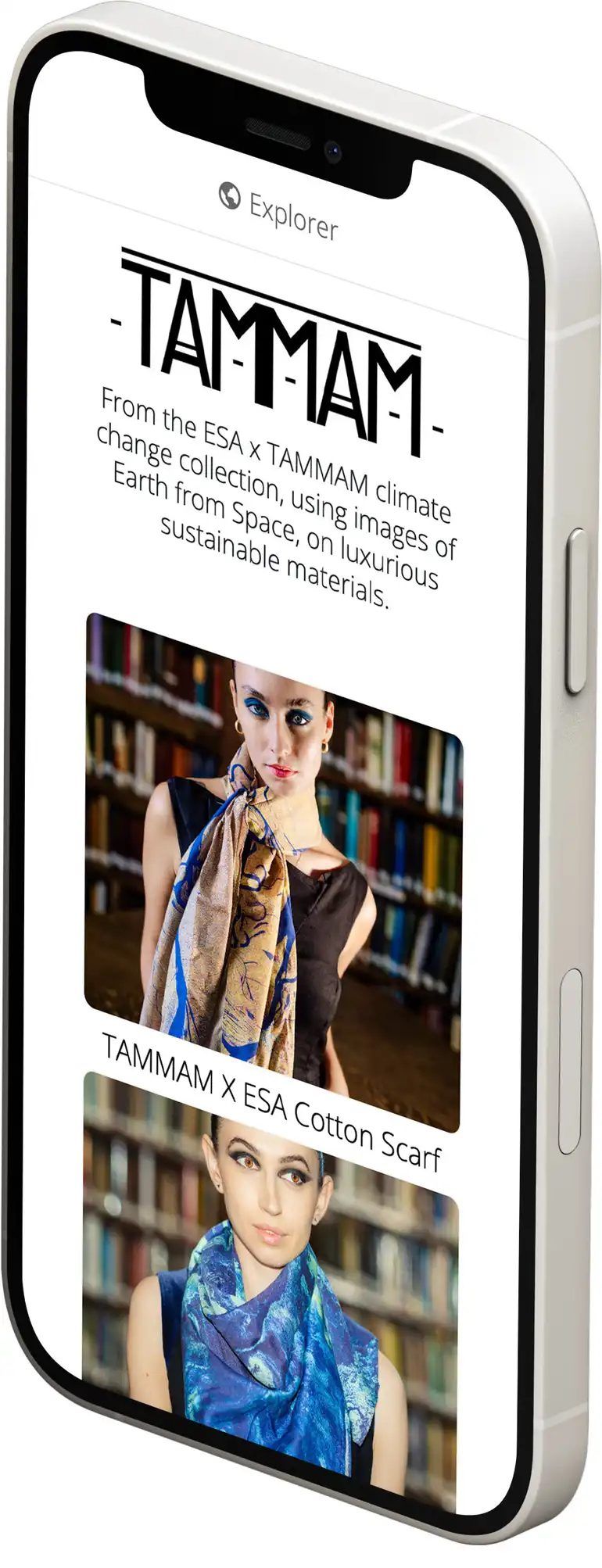
Tammam’s Digital Product Passport. Image Source: Piconext

By 2030, every textile product for sale in the European Union will have to integrate a digital product passport most likely take the form of a scannable QR code. Once accessed, it will include information about the product’s origins, material composition, supply chain, sustainability, recyclability and much more. In this manner, these blockchain-backed product passports offer ownership validation and tracking alongside transferability should the consumer wish to re-sell the product.  In fact, according to recent PicoNext sustainability research of 1000+ consumers in Europe and the U.S., 73% of customers indicate that access to this type of detailed sustainability information helps them have more trust in a brand, with 67% also saying that they would be more likely to purchase a product with this increased data.

Previous

Skincare brand Faace secures investments on BBC Dragons' Den

Next

Navigating Online Haircare Shopping: Tips and Tricks for Smart Consumers

Share

Jasmeen Dugal

Jasmeen Dugal

Jasmeen Dugal is Associate Editor at FashionABC, contributing her insights on fashion, technology, and sustainability. She brings with herself more than two decades of editorial experience, working for national newspapers and luxury magazines in India.

Jasmeen Dugal has worked with exchange4media as a senior writer contributing articles on the country's advertising and marketing movements, and then with Condenast India as Net Editor where she helmed Vogue India’s official website in terms of design, layout and daily content. Besides this, she is also an entrepreneur running her own luxury portal, Explosivefashion, which highlights the latest in luxury fashion and hospitality.

Read more

More Articles

article cover

1.9 Million UK Buildings Require Urgent Energy Efficiency Overhaul

article cover

1 in 3 Big Business Audits Fail to Meet UK Standards - FRC Reveals as KPMG is Fined £13 Million

article cover

10 Benefits of Using Church Accounting Software

article cover

10 Benefits of Using Online Volunteer Scheduling Tools

article cover

10 Benefits of Using WordPress to Power Your Website

article cover

10 Best AI Investing Apps That Put Wall Street Algorithms in Your Pocket