
resources
Pioneering the Future: Innovations in Sustainable Cities and Society
19 Nov 2025

Our urban centers are expanding at an unprecedented rate, prompting crucial inquiries into the very fabric of our existence. The discourse has evolved beyond mere infrastructure and development; it's now fundamentally about cultivating environments that are beneficial for both their inhabitants and the global ecosystem, extending this positive impact from the present into the foreseeable future. This necessitates devising ingenious strategies for the planning, construction, and oversight of our urban environments so they can deftly navigate contemporary challenges while simultaneously enhancing the quality of life for all. We're actively exploring how innovation can help create cities that are both dynamic yet robust, achieving a delicate equilibrium between human necessities and ecological imperatives.
Key Takeaways
- Sustainable cities integrate innovative concepts with strategic urban planning to create communities that exhibit remarkable resilience against various adversities, such as climate change or economic shifts.
- Enhancing urban functionality for the collective good requires a cohesive integration of policies, robust financial provisioning for initiatives, and an adventurous exploration of novel development paradigms for building and living.
- Collaboration, it turns out, is paramount. Cities need to forge strong alliances among themselves, with the private sector, and with local communities to instigate meaningful change.
- The dissemination of knowledge and the cultivation of new competencies empowers urban centers with the requisite instruments to address their unique problems effectively.
- There exists a plethora of actionable strategies for fostering urban sustainability, ranging from leveraging nature-based solutions for water and air quality management to advancing greener transportation networks and cleaner energy systems.
Read More: karachi
Foundations of Sustainable Cities and Society
Defining Sustainable Urban Environments
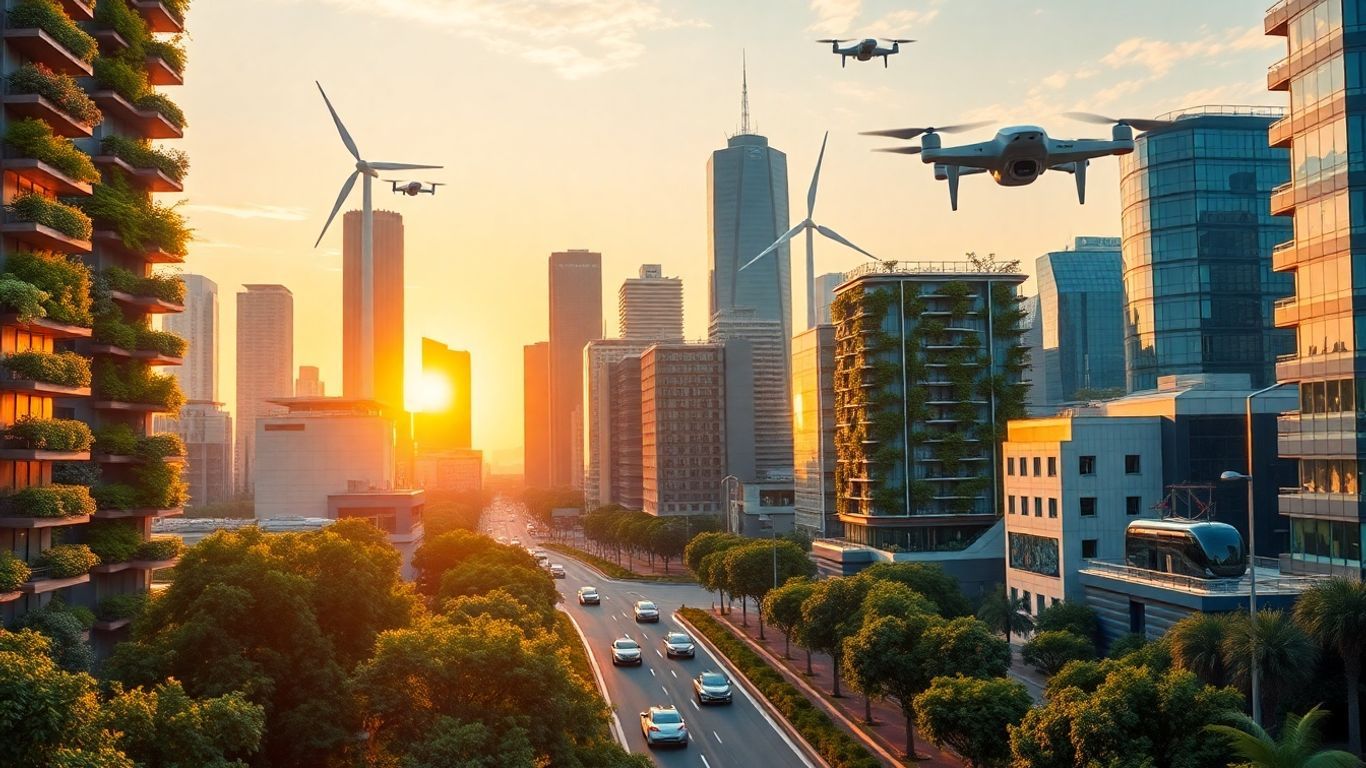
But what precisely constitutes a "sustainable" urban environment? It certainly transcends the mere presence of green spaces or rudimentary recycling initiatives. At its core, a sustainable city is one that can address the comprehensive needs of its contemporary inhabitants without compromising the ability of future generations to meet their own. This means it encompasses a holistic consideration of how people reside, earn their livelihoods, and commute, alongside a steadfast commitment to safeguarding the natural environment. Indeed, it's fundamentally about curating environments that are beneficial for both people and the planet, extending this positive impact from the present into the foreseeable future. Such an endeavor inherently demands a nuanced—and often challenging—balancing act among diverse societal and ecological requirements.
The Nexus of Innovation and Resilience
Urban centers routinely confront a myriad of evolving challenges, ranging from acute extreme weather phenomena to significant economic fluctuations. Consequently, developing robust resilience is not merely advantageous, but absolutely essential for their sustained viability. Innovation, it must be said, plays an indispensable role in fostering this resilience. Consider, for example, novel methodologies for water management during periods of both deluge and drought, or the advent of technologies that significantly reduce energy consumption in buildings—how do cities effectively navigate such complexities? True resilience, however, extends beyond simply recovering; it involves a dynamic capacity to adapt, and indeed, to thrive and improve amidst unforeseen circumstances. This crucial intersection is precisely where ingenious concepts converge with the pragmatic imperative to ensure operational continuity, even when things get tough.
Balancing Economic, Ecological, and Social Needs
To construct a truly sustainable city necessitates a comprehensive examination of three interdependent pillars: its economic vitality, ecological integrity, and social equity. Neglecting any one of these dimensions invariably undermines the others. Indeed, a city might boast a burgeoning economy; yet, if it simultaneously compromises air and water quality, or if a significant portion of its populace cannot afford adequate housing, its sustainability remains fundamentally flawed. Similarly, an urban area celebrated for its environmental stewardship but deficient in providing employment or developmental opportunities will inevitably fail its inhabitants. The overarching objective, therefore, is to identify that optimal intersection—that 'sweet spot'—where vigorous economic activity actively underpins community well-being, environmental health is meticulously safeguarded, and every member of the community enjoys a genuine opportunity to flourish.
Here's a simple way to look at it:
- Economic: Fostering job creation, supporting local businesses, and ensuring robust financial stability.
- Ecological: Protecting natural resources, diligently reducing pollution, and conserving precious biodiversity.
- Social: Providing accessible housing, healthcare, and education, while ensuring fairness and equity for all residents.
Attaining this equilibrium, one might argue, represents the quintessential challenge of creating cities that are not just functionally efficient, but also genuinely livable and equitable for everyone involved.
Pioneering Integrated Urban Planning
Advancing Policy Integration and Coherence
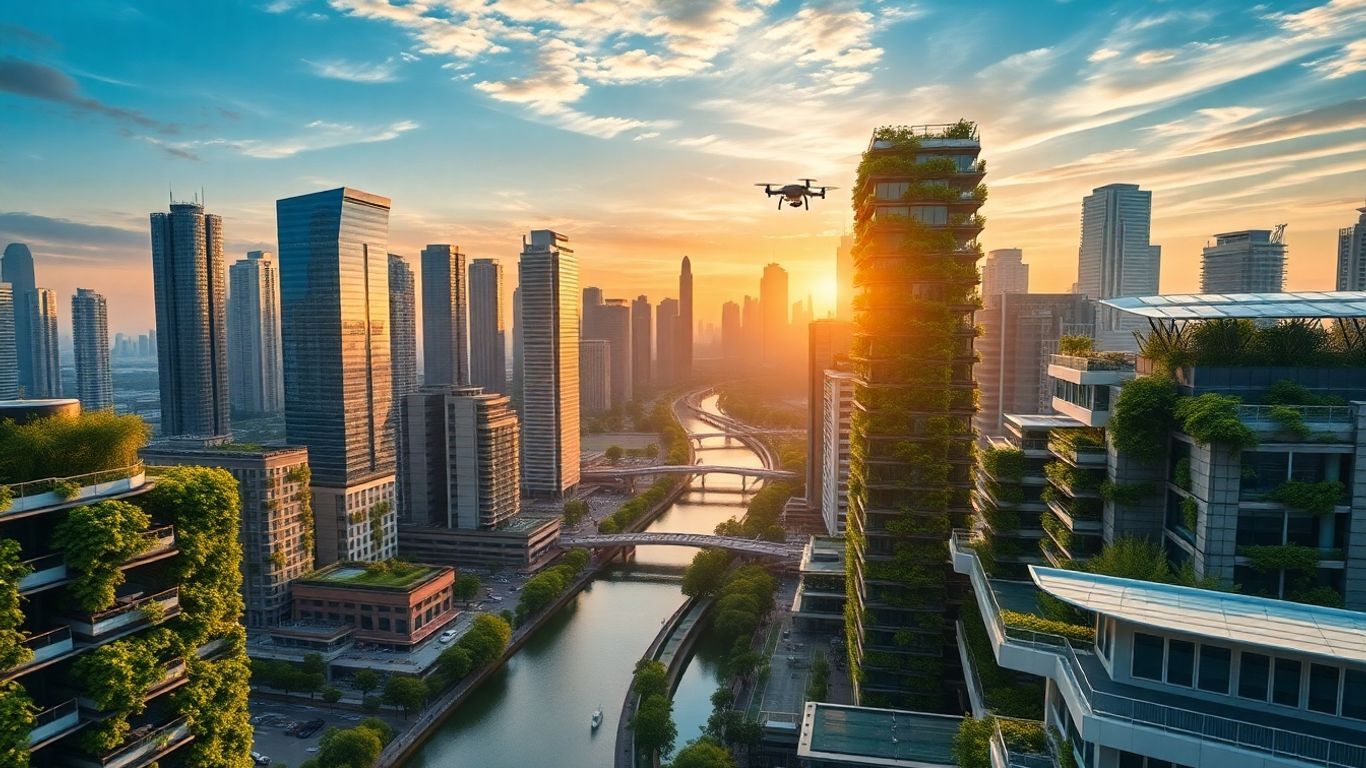
Enhancing urban functionality for all residents hinges significantly on fostering seamless collaboration across various municipal departments and planning bodies. Indeed, mere proliferation of innovative concepts is insufficient; these ideas must be meticulously integrated into a cohesive, overarching vision. This necessitates a keen examination of the intricate interdependencies among policies governing housing, transportation, energy, and green infrastructure. When such policies are harmonized, their collective impact far surpasses what any isolated initiative could accomplish. This coordinated, synergistic approach significantly empowers cities to achieve ambitious objectives—such as substantial reductions in carbon emissions and robust nature protection—while simultaneously ensuring that specific local needs are diligently addressed.
- Connecting the Dots: While city plans often originate in separate departments, integrated planning serves to dismantle these silos. This ensures, for example, that transportation plans consider residential patterns, and housing plans account for access to employment and green spaces.
- Clearer Rules: When policies operate in concert, it becomes considerably simpler for individuals and businesses to comprehend expectations and ascertain how best to contribute to overarching sustainability goals.
- Better Outcomes: By adopting a systemic perspective, cities can proactively avert complications arising from conflicting objectives and instead identify holistic solutions that yield benefits across multiple domains simultaneously.
Crucially, a vital component of this strategy involves ensuring that national objectives—pertaining to climate action and biodiversity, for instance—are meticulously embedded within local urban planning frameworks. Through this alignment, cities transform into proactive and indispensable partners in the pursuit of broader environmental targets.
Scaling Financing and Investment
Transformative ideas for sustainable urban development, naturally, require substantial financial backing to transition from concept to tangible reality. This segment, therefore, delves into strategic methodologies for financing these crucial initiatives, extending beyond conventional public funding to actively engage private sector investment. The imperative here is to ensure that projects are sufficiently robust and meticulously planned to captivate investor interest, while also diversifying funding mechanisms.
- Making Projects Investment-Ready: Assisting cities in developing clear, comprehensive project plans that financial institutions can readily understand and confidently support.
- New Funding Ideas: Exploring innovative options beyond traditional loans, such as the issuance of green bonds or the establishment of public-private partnerships.
- Working with Banks: Collaborating closely with development banks and other influential financial groups to channel essential funds into sustainable urban projects.
Promoting Urban Innovation Across Dimensions
Urban centers are perpetually seeking novel and more efficacious approaches to their multifaceted operations. This quest encompasses the rigorous testing of emergent technologies, the re-imagination of service delivery models, and the cultivation of innovative concepts for enhanced community participation. The ultimate objective is to pinpoint solutions that not only champion environmental stewardship but also simultaneously elevate urban livability and fortify economic resilience—a delicate balance, to be sure.
- Technology for Good: Implementing and evaluating smart technologies for optimizing energy use, enhancing waste management protocols, and streamlining traffic flow.
- Policy Experiments: Piloting new policy approaches on a smaller, controlled scale before considering broader implementation.
- Community-Led Ideas: Actively supporting innovative solutions that emerge directly from the ingenuity of residents and local grassroots organizations.
| Area of Innovation | Examples |
|---|---|
| Energy | Smart grids, local renewable energy generation |
| Mobility | Electric vehicle infrastructure, improved public transit apps |
| Waste Management | Circular economy initiatives, advanced recycling programs |
| Green Infrastructure | Urban farming, green roofs, permeable pavements |
Global Partnerships for Urban Transformation
Deepening and Broadening Collaborative Networks
In confronting the monumental sustainability challenges of our era, individual cities simply cannot operate in isolation. This is precisely where the imperative for robust global partnerships emerges. One might envision this as a planetary collaborative effort, designed to facilitate the exchange of invaluable insights and expedite impactful actions. How, then, do we truly harness this collective power? This entails convening governmental bodies, influential city leaders, and seasoned experts from across the globe to collectively devise optimal strategies for fostering greener, more livable urban environments. Fundamentally, it's about establishing mechanisms through which successful interventions in one locale can be thoughtfully learned from and judiciously adapted to diverse contexts globally. The overarching goal, unequivocally, is to forge resilient connections that effectively embed sustainability within the very fabric of urban planning and governance—not merely as an ancillary consideration, but as an intrinsic, core component of all decision-making processes.
Engaging Private Sector and Civil Society
The scope of collaboration, however, extends far beyond intergovernmental dialogues. To engender truly transformative change, it is imperative that all relevant stakeholders are actively engaged. This necessitates forging close alliances with the private sector—encompassing everything from multinational corporations to nimble local startups—as well as with diverse community organizations and non-profit entities. While businesses contribute invaluable new technologies and crucial investment capital, civil society groups, with their profound community roots, often possess the most nuanced understanding of local needs. Such synergistic collaboration is instrumental in catalyzing novel solutions and ensuring that sustainability initiatives are both inclusive and universally accessible.
Let's explore some key modalities through which these diverse groups can effectively coalesce:
- Innovation Hubs: Creating dynamic spaces where businesses, researchers, and city officials can converge to collaboratively brainstorm and develop solutions.
- Community Projects: Partnering with local organizations to implement green initiatives that directly and positively impact residents.
- Investment Funds: Developing sophisticated financial tools that actively encourage private sector investment in sustainable urban development projects.
Institutionalizing Sustainability in Decision-Making
Prioritizing sustainability, fundamentally, implies weaving it into the intrinsic fabric of municipal operations. This calls for the establishment of robust policies and comprehensive frameworks that actively champion environmentally sound practices, ensuring that sustainability is a primary consideration in every significant decision—from expansive infrastructure projects to intricate zoning regulations. Ultimately, it transcends the pursuit of isolated, ad-hoc projects, aiming instead to instigate enduring, systemic transformation. When sustainability is organically integrated into the operational system, the attainment of long-term objectives—such as a healthier planet and more contented communities—becomes considerably more attainable.
Ultimately, the development of robust global networks transcends mere discourse; it is profoundly about establishing systemic conditions where collaboration is not an exception, but the prevailing norm, thereby driving palpable improvements in both urban quality of life and environmental health.
Knowledge Management and Capacity Building
Advancing urban sustainability involves more than simply generating novel concepts; it equally necessitates the effective dissemination of these innovations and ensuring that practitioners possess the requisite expertise to implement them. This segment, therefore, explores mechanisms for knowledge transfer and strategies designed to augment urban centers' capabilities in addressing their inherent challenges.
Creating and Sharing Global Public Goods
Cities around the world are continuously devising ingenious methods to enhance their sustainability. The critical task lies in capturing these innovations and making them universally accessible. One might conceptualize this endeavor as curating a comprehensive, accessible repository of best practices, readily available to any municipality. How do we ensure that every city, regardless of its resources, can tap into this global brain trust? This includes developing practical guides, sophisticated toolkits, and dynamic data platforms, elucidating the methodical implementation of diverse solutions—from the establishment of robust public-private partnerships to the deployment of nature-based strategies for flood mitigation. The overarching objective, undeniably, is to distill individual urban successes into a collective pool of shared knowledge, thereby benefiting all metropolitan areas. This virtuous cycle is already manifest in resources such as the 'Guide for Global South Cities on Public-Private Collaboration,' which critically enables municipalities to glean insights from one another's experiences in sustainable development.
Equipping Cities with Essential Resources
While intellectual comprehension is a foundational step, effective execution represents a distinct challenge. Urban centers, consequently, require more than mere informational access; they demand the actionable skills and practical instruments necessary for implementation. This translates into the provision of targeted, practical training programs, immersive workshops, and specialized technical assistance. Consider, for instance, the necessity for city officials to receive training on navigating climate finance mechanisms, effectively managing electric vehicle initiatives, or meticulously designing enhanced public transit networks. These capacity-building programs are instrumental in empowering local authorities, thereby enabling cities to adeptly adapt and implement solutions precisely tailored to their unique contextual requirements. Ultimately, it's about instilling in city leaders and their dedicated staff both the confidence and the requisite expertise—the know-how—to champion and enact meaningful sustainable transformations.
Fostering a Culture of Collaboration and Learning
Ultimately, the ambitious endeavor of constructing sustainable cities is inherently a collaborative, collective undertaking. It is incumbent upon us to actively encourage municipalities to engage in cooperative ventures, openly sharing their challenges and celebrating their successes, thereby fostering mutual learning. This necessitates the establishment of robust networks and dynamic platforms where urban representatives can seamlessly connect, freely exchange innovative ideas, and access vital support mechanisms. When cities perceive themselves as interconnected and adequately supported, they exhibit a greater propensity to experiment, innovate, and steadfastly pursue their sustainability objectives. Indeed, this collaborative ethos—this shared purpose—is pivotal for effectively addressing intricate urban challenges and forging a more promising future for all. It represents the cultivation of a global community dedicated to urban sustainability, characterized by perpetual learning and resilient partnerships. This approach is vital for understanding the connections between digital sustainability and green finance in places like Asian nations.
Establishing a formidable bedrock for knowledge sharing and capacity building effectively means that successful initiatives undertaken in one municipality can swiftly inform and galvanize analogous endeavors across other regions. This critically obviates the need for 'reinventing the wheel' and dramatically accelerates the transition towards more sustainable urban existence.
Innovative Solutions in Practice
Globally, urban centers are proactively deploying ingenious strategies aimed at bolstering their sustainability and resilience. These are by no means mere theoretical constructs; rather, they represent tangible, real-world projects yielding demonstrable impact. From leveraging nature for crucial water management to fundamentally re-envisioning urban mobility, municipalities are discovering pragmatic avenues for addressing pressing environmental challenges.
Nature-Based Solutions for Urban Resilience
Nature, in its inherent wisdom, furnishes potent instruments for cultivating more resilient urban environments. Consider the strategic deployment of botanical and other natural systems to mitigate issues such as recurrent flooding or compromised air quality. Could our cities truly thrive by working *with* nature, not against it? For instance, cities are increasingly adopting green roofs and permeable pavements—solutions designed to absorb rainwater, thereby alleviating pressure on conventional drainage infrastructure and proactively averting urban inundation. Furthermore, innovative filtering gardens, akin to those successfully piloted in Recife, Brazil, effectively utilize riparian vegetation to naturally purify water bodies. This holistic approach not only markedly enhances water quality but also significantly enriches the broader local ecosystem.
- Green roofs and walls: These innovative installations provide superior insulation for buildings, efficiently manage stormwater runoff, and contribute to improved urban air quality.
- Permeable pavements: Engineered to allow water to percolate into the ground, these pavements significantly reduce surface runoff and aid in replenishing groundwater reserves.
- Constructed wetlands: Designed to mimic natural wetlands, these systems effectively filter wastewater and manage stormwater, enhancing ecological balance.
- Urban forests and parks: These vital green spaces offer essential shade, mitigate the urban heat island effect, and actively support local biodiversity.
Indeed, these intrinsic natural systems frequently confer a multitude of co-benefits, ranging from bolstering public health to fostering vital habitats for wildlife—thus establishing them as truly intelligent investments for progressive urban development.
Sustainable Mobility and Transit-Oriented Development
The paradigm of intra-urban mobility is undergoing a significant transformation. There is a palpable pivot away from reliance on private automobiles towards the embrace of more sustainable transportation alternatives. Transit-Oriented Development (TOD) emerges as a pivotal strategy in this evolution. This approach meticulously designs neighborhoods to coalesce around public transportation hubs, thereby facilitating convenient walking, cycling, or utilizing public transit in lieu of personal vehicle usage. Such integration demonstrably mitigates traffic congestion, significantly reduces carbon emissions, and fosters the genesis of more vibrant, human-centric communities—a win-win for everyone involved. Furthermore, municipalities are making strategic investments in enhancing public transport networks and developing secure cycling infrastructure. A compelling example is Asunción, Paraguay, where concerted efforts with local communities led to the design of an extensive network of bicycle lanes, effectively linking key urban areas and promoting healthier, active lifestyles. This particular form of participatory planning is instrumental in guaranteeing that emergent infrastructure genuinely addresses the requirements of its intended users.
Smart Energy Grids and Renewable Technologies
Urban centers are likewise demonstrating considerable innovation in their approaches to energy generation and consumption. The proliferation of smart energy grids represents a significant advancement in this domain. These sophisticated grids leverage cutting-edge technology to optimize electricity distribution, thereby integrating renewable energy sources—such as solar and wind power—with enhanced efficacy. The direct benefits are clear: reduced dependency on fossil fuels and a tangible decrease in carbon emissions. A growing number of cities are establishing ambitious targets for renewable energy adoption, concurrently implementing supportive policies to facilitate this transition. Such initiatives encompass encouraging solar panel installations on urban structures and actively investigating community-scale energy projects—all contributing to a cleaner future. The overarching objective, ultimately, is to cultivate a cleaner, more reliable, and robust energy system for metropolitan regions.
| Technology/Approach | Primary Benefit | Example Application |
|---|---|---|
| Smart Grids | Efficiency, Integration | Balancing supply and demand, managing distributed renewables |
| Solar Power | Clean Energy | Rooftop installations, solar farms |
| Wind Power | Clean Energy | Urban wind turbines (where feasible), larger-scale projects |
| Energy Storage | Grid Stability | Batteries for managing intermittent renewables |
The Evolving Landscape of Sustainable Cities
As global urbanization proceeds at an accelerating velocity, our conceptualization and methodologies for urban development are undergoing continuous evolution. This paradigm shift transcends merely superficial greening initiatives; it is profoundly about cultivating environments capable of deftly managing complex challenges while concurrently elevating the quality of life for all inhabitants. Evidently, we are witnessing a transition from simplistic, isolated remedies to more integrated, holistic approaches that embrace a comprehensive systemic view.
Lessons Learned from Programmatic Approaches
Historical programmatic endeavors have unequivocally demonstrated that addressing urban sustainability demands a meticulously coordinated strategic framework. Successful programs frequently engage a consortium of cities and diverse partners, fostering a culture of mutual learning and shared experience throughout their trajectory. This collaborative ethos has, in turn, given rise to several truly exemplary projects:
- Recife, Brazil: Piloted plant-based filtering gardens to purify river water, a success that even garnered presidential attention for its potential for wider replication.
- Asunción, Paraguay: Engaged local communities to meticulously design extensive bicycle lane networks, effectively connecting important urban areas and actively encouraging healthier, active living.
- Kigali, Rwanda: Focused strategically on restoring vital wetlands, which serve as natural filters and crucial buffers against storm events, while also leveraging satellite data for precise environmental performance monitoring.
These compelling examples underscore how tangible, locally implemented projects, when strategically bolstered by comprehensive programmatic support, can indeed yield substantial and transformative impacts. The unequivocal key takeaway here is that integrated solutions, meticulously developed with robust community input, demonstrate a significantly higher propensity for both initial success and subsequent scalability.
The Role of Technology in Urban Sustainability
Technology, increasingly, is assuming an elevated and critical role in advancing urban sustainability. Consider the profound impact of smart energy grids, which optimize power consumption with remarkable efficiency, or sophisticated systems that enhance our comprehension and regulation of urban traffic flow. Could we imagine urban progress without these technological interventions? Such innovative tools empower cities to operate with greater fluidity and to utilize their resources with enhanced prudence. Fundamentally, this entails leveraging vast data insights and intelligent systems to refine urban functionality, thereby rendering cities more acutely responsive to both the requirements of their inhabitants and the demands of the natural environment. It is precisely here that the concept of smart city initiatives truly gains traction, seeking to seamlessly integrate technological prowess with tangible sustainability objectives.
Future Trends in Smart and Sustainable Urbanism
As we cast our gaze towards the future, the distinctions between 'smart' and 'sustainable' urbanism are increasingly converging. The urban landscape of tomorrow will, in all probability, comprise cities that are not merely technologically sophisticated but also profoundly dedicated to fostering ecological equilibrium and ensuring social equity. Anticipate an intensified emphasis on:
- Circular economy principles in urban design and waste management, minimizing resource depletion.
- Advanced nature-based solutions for enhanced climate adaptation and biodiversity preservation.
- Greater utilization of digital twins and artificial intelligence for precise urban planning and optimized resource management.
The relentless march of progress in urban planning and emergent technologies strongly foreshadows a future wherein cities will exhibit heightened adaptability, superior resource efficiency, and enhanced livability. This profound evolution is intrinsically propelled by a mounting awareness that enduring prosperity is inextricably linked to striking a harmonious balance between economic imperatives, environmental health, and pervasive social well-being—a truth we can no longer ignore.
This incessant evolutionary trajectory dictates that urban centers must cultivate an inherent agility, poised to embrace novel concepts and cutting-edge technologies, all while remaining steadfastly committed to the foundational tenets of sustainability. It is, undeniably, a dynamic and complex process, and those cities destined to thrive will invariably be the ones most adept at adapting and innovating with strategic efficacy.
Looking Ahead: Building Better Cities Together
Indeed, our exploration has illuminated a plethora of commendable initiatives unfolding across urban landscapes worldwide. From pioneering nature-based water purification systems in Brazil to fostering community-driven bicycle lane networks in Paraguay, it becomes unequivocally clear that enhancing urban environments for both human inhabitants and the planetary ecosystem is a paramount undertaking. The Sustainable Cities Program, robustly supported by influential entities such as the GEF, is actively catalyzing this progressive movement. Currently collaborating with more than 90 cities, this program is instrumental in channeling essential financial resources and innovative concepts to foster greener, more resilient urban areas. Crucially, this endeavor transcends mere high-tech solutions; it pivots on collaborative effort, the mutual exchange of learned experiences, and ensuring equitable participation from all stakeholders. The ultimate objective remains elegantly simple: to cultivate cities where human flourishing coexists harmoniously with a thriving natural world. This is, admittedly, a formidable undertaking, yet with sustained dedication and robust collaboration, we are eminently capable of constructing cities that are not just intelligent, but genuinely sustainable for countless generations ahead.
Frequently Asked Questions
What precisely defines a sustainable urban center?
A sustainable city is characterized as an urban environment where the current inhabitants can thrive without compromising the well-being and resource access of future generations. It entails striking an optimal balance among a robust economy, diligent environmental stewardship, and equitable social provisions for all community members.
What is the contemporary significance of sustainable cities?
Given the accelerating pace of global urbanization and the escalating challenges posed by pollution and climate-induced extreme weather events, sustainable cities are critically important. They leverage intelligent solutions to fortify urban communities, fostering healthier and more resilient environments for everyone.
What planning methodologies are cities employing to enhance sustainability?
Cities are actively pursuing sustainability through enhanced policy integration and planning coherence, ensuring all initiatives work synergistically. Additionally, they are exploring innovative financing mechanisms for projects and promoting urban innovation across diverse sectors such as transportation and energy.
Which innovative concepts are being implemented in sustainable urban contexts?
Municipalities are adopting nature-based solutions, such as strategic tree planting for stormwater management and botanical systems for water purification. Furthermore, they are enhancing public transportation accessibility and leveraging smart technologies to efficiently manage renewable energy sources like solar and wind power.
How do urban centers foster inter-city learning and collaborative frameworks?
Cities are cultivating robust networks among themselves, with the private sector, and with civil society organizations. They facilitate the exchange of best practices and lessons learned, developing guides and tools to empower other cities on their sustainability journeys. This collaborative paradigm accelerates collective progress.
What is the function of technology in advancing urban sustainability?
Technology plays a pivotal role in urban sustainability. Smart energy systems enable more efficient utilization of renewable power, while advanced digital tools assist cities in monitoring progress and informing strategic decisions. Ultimately, technology contributes to more streamlined and environmentally conscious urban operations.


