
resources
Practical Ways To Avoid HVAC Surprises With Regular Maintenance
03 Dec 2025

Keeping your HVAC system in shape is a lot like caring for a car. Small, regular checkups prevent big, expensive problems and help your home feel steady and comfortable. With a simple plan and a few habits, you can avoid surprise breakdowns and control energy costs all year.
Professional Care and Service
Professional maintenance is the backbone of reliability. Technicians spot wear, safety risks, and hidden efficiency losses before they turn into a no-cool or no-heat call. A good year-round HVAC upkeep plan covers tune-ups and safety checks, and a clear record of parts replaced. Keeping that history makes future fixes faster and cheaper. Regular service also pays off in fewer emergencies and better efficiency. An industry overview in 2025 reported that preventive care can cut failures dramatically, trim energy use, and stretch equipment life by many years. Those gains add up to less stress, steadier comfort, and fewer weekends spent waiting on a service truck.
Filters and Airflow Basics
Airflow is the lifeblood of every system. Check filters monthly and replace them when they look gray or clogged. If you have pets or allergy concerns, expect to change them more often.
Don’t forget return grilles and supply vents. Keep them open and clear of furniture to prevent pressure issues that strain the blower. For multi-story homes, experiment with slight damper tweaks to balance rooms and reduce hot-cold swings.
Coils, Condensate, and Cleanliness
Dust and film on coils act like a blanket that traps heat where it shouldn’t. Light coil cleaning during routine service restores heat transfer and helps the system run shorter cycles. Outdoors, keep at least 2 feet of clearance around the condenser and gently rinse the fins after pollen season.
Condensate lines deserve attention, too. A blocked drain can trigger a float switch, water damage, or a mid-July shutdown. Ask your pro to flush the line and confirm the safety switch works, then pour a small cup of vinegar into the line every month in the cooling season.
Smart Scheduling and Seasonal Tasks
Tie your maintenance to the calendar so you never forget. Book heat checks in early fall and cooling checks in early spring. That timing beats the rush and gives you room to fix minor issues before peak weather.
Add quick DIY habits between visits:
- Inspect filters, returns, and outdoor clearances monthly
- Listen for new noises or longer run times
- Confirm thermostat programs and schedules after power outages
- Vacuum supply and return grilles to reduce dust recirculation
- Walk the perimeter for drafts that force longer cycles
Thermostats and Run-time Clues
Small thermostat adjustments can prevent short cycling or endless runtimes. If you notice longer cycles, rising bills, or rooms that never quite match the setpoint, treat those as early warnings. A fast checkout now is cheaper than a weekend emergency later.
Heat Pumps Need Special Attention
Heat pumps work across seasons, heating in winter and cooling in summer, so they rack up more run time than a typical AC. That year-round duty makes routine tune-ups extra important, especially checks on refrigerant charge, coil cleanliness, and electrical components. Small drifts in any of these areas can snowball into longer cycles, higher bills, and comfort gaps.
Cold weather adds its own quirks. Make sure the defrost cycle is operating correctly, sensors read accurately, and backup heat stages only kick in when needed. If you notice the outdoor unit frosting over and not clearing within a short cycle, or if the system leans on auxiliary heat too often, schedule a test of the defrost controls and thermostat settings.
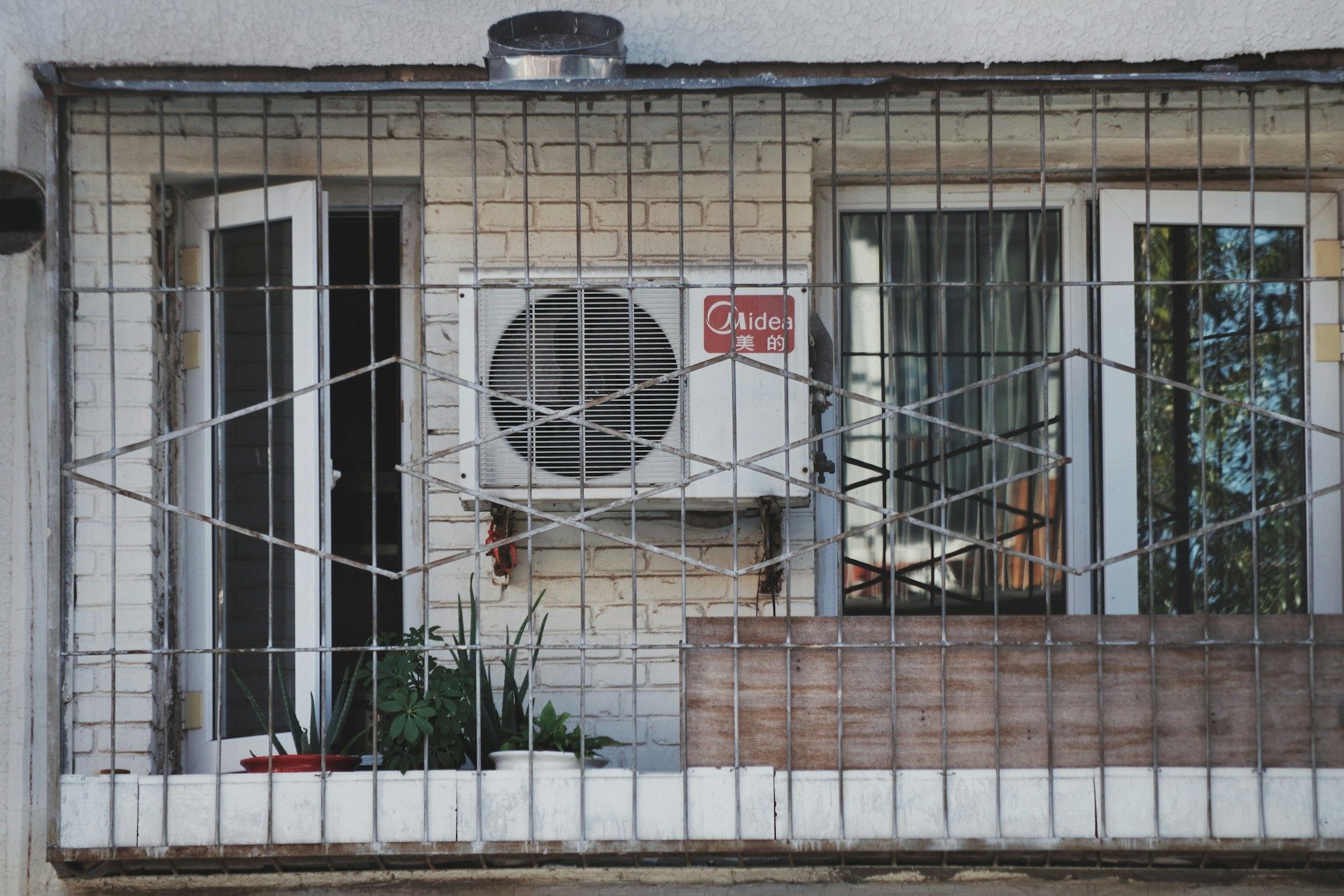
Airflow matters even more on heat pumps. Keep a clear 2-foot radius around the outdoor unit and brush away snow, leaves, or grass clippings so the fan can breathe. Inside, a clean filter and unrestricted returns help prevent low airflow that can cause icing, poor heating, and noisy operation.
Listen for new sounds and watch for signals in your energy use. Frequent short cycles, a steady rise in utility bills, or rooms that never reach setpoint are early warnings. Addressing them now protects the compressor, reduces strain on the backup heat, and keeps comfort steady when the weather swings.
When small issues signal big trouble
Little symptoms can point to bigger problems hiding in the system. Warm air during cooling, weak airflow from certain vents, or a musty smell after startup are all red flags. Ice on the refrigerant line or water around the air handler is another sign that something upstream needs attention.
Unusual sounds matter, too. A buzzing condenser fan, a rattling blower door, or a click without a full start often means a failing capacitor or loose connection. Catching these early protects the compressor and prevents a domino effect of part failures.
Pay attention to run-time changes. If the unit runs longer to hit the same setpoint, short cycles repeatedly, or struggles on mild days, performance is slipping. Those shifts usually point to airflow restrictions, low refrigerant, or a control issue that a quick tune-up can fix.
Ducts, Sealing, and Room-by-room Comfort
Leaky or unbalanced ducts steal comfort and money. Signs include dust streaks at registers, temperature swings between rooms, and a noisy return. Sealing with mastic, adding insulation where ducts run through attics, and checking for kinks in flex ducts can restore airflow and improve comfort fast.
Rooms that lag behind the rest of the house need a closer look. Sometimes a simple damper change or register redirect fixes it. If not, ask for a static pressure check and a quick review of duct sizing to make sure the system can move the air it needs.
Keep Records and Plan Replacements
Maintenance records are valuable. They track capacitor tests, motor amperage, refrigerant readings, and static pressure over time. When numbers drift, you’ll know whether to repair a part or start budgeting for a replacement.
Before a major failure, talk through options with your technician. Replacing your timeline usually costs less than an emergency swap and lets you choose the right efficiency level for your home. A research summary on heat pumps noted that real-world results improve when systems are properly matched to the home and verified after installation, which is easier to do when you’re not rushed.
A steady routine beats surprise repairs every time. With simple habits, seasonal checkups, and a focus on airflow and cleanliness, your HVAC runs smoother and lasts longer. Invest a little time now, and you’ll enjoy quieter operation, fewer repair visits, and more predictable bills when the weather turns extreme.


