
resources
Precision Texturizing Techniques for Modern Haircuts
06 Mar 2026

Modern hair design is moving away from the stiff and structured looks of the past. Today, the focus is on fluidity and how a cut responds to natural movement throughout the day. This shift reflects a desire for styles that feel alive and effortless for the client.
Achieving this look requires a mastery of various methods that go beyond simple length removal. These skills allow for a custom finish that suits the unique hair growth patterns of every individual. Stylists must look at the hair as a three-dimensional object that changes with every move.
Defining The Role Of Modern Texturizing
Texturizing is a specialized approach that changes how a haircut feels and behaves. It is not just about the length on the floor, but the weight remaining on the head. This method allows the stylist to sculpt the hair into a shape that lasts for weeks.
A good stylist knows the goal is to create a shape that holds up between salon visits. This involves looking at the density of the hair and deciding where to subtract weight. They must consider the natural fall of the strands before picking up their shears.
Using different angles and tools allows for a range of effects from subtle to bold. Understanding the physics of hair movement helps in choosing the right path for each cut. This knowledge keeps the style looking fresh and intentional from every possible angle.
Techniques for Adding Dimension to Your Style
Precision is the main goal when you are working on the interior of a style. The angle of your shears determines how the hair will lie once it is dry. Each snip should serve a purpose in the architecture of the cut.
The depth of the notch changes how much weight is removed from the ends. Knowing how to point cut hair allows you to remove bulk without losing the baseline of the haircut. This technique is the foundation of every modern, layered style that looks soft and natural.
By snipping into the ends at an angle, you create a soft edge that blends easily. This prevents the harsh lines that occur with blunt cutting methods. It is the secret to making a fresh haircut look like it has already grown in perfectly.
Shaping Trends For The New Year
Trends are shifting toward styles that require less daily work from the client. People want hair that falls into place without spending 30 minutes with a blow dryer. These low-maintenance looks depend on the quality of the technical execution.
One industry report mentioned that fringe styles inspired by Jane Birkin feature shorter centers and longer sides for a lived-in feel. These soft edges are achieved through careful work rather than blunt horizontal lines. This specific fringe creates a frame that highlights the best features of the face.
This look provides a frame for the eyes while keeping a relaxed and natural appearance. It works well for those who prefer a low-maintenance routine in their daily life. Stylists can adapt this trend for different hair types by adjusting the amount of texture.
Embracing Natural Texture Patterns
The current year sees a major focus on letting curls and waves do their own thing. Traditional heavy cutting often crushes these patterns, so a lighter hand is required to keep them intact. The hair needs room to breathe and coil without being weighed down by excess bulk.
A recent fashion article stated that cuts are becoming softer in their lines but sharper in their silhouette. This contrast creates a look that is modern and stylish for any age group. It allows for a balance between professional structure and creative freedom.
Balancing these two elements requires a deep understanding of how hair behaves when it is air-dried. It is about working with natural growth rather than fighting against it.
Strategic Interior Weight Removal
Interior weight removal is the secret to making thick hair feel light and airy. It happens inside the haircut where nobody sees the actual snips or notches. This hidden work provides the support for the top layers to move freely.
One professional post explained that thinning is a technique to lower the volume of thick hair to make it easier to style. This approach helps the hair lie flat or bounce, depending on the desired look. It is a critical skill for managing high-density hair types without changing the length.
Properly removing bulk creates a foundation for styles that last longer and look better. Clients appreciate the ease of maintenance that comes with a well-executed texture plan.
Crafting Face Framing Layers
The hair around the face is often a key part of the entire look. It frames the eyes and cheekbones, requiring a very soft touch and careful placement of every layer. Small changes in this area can transform the entire vibe of the style.
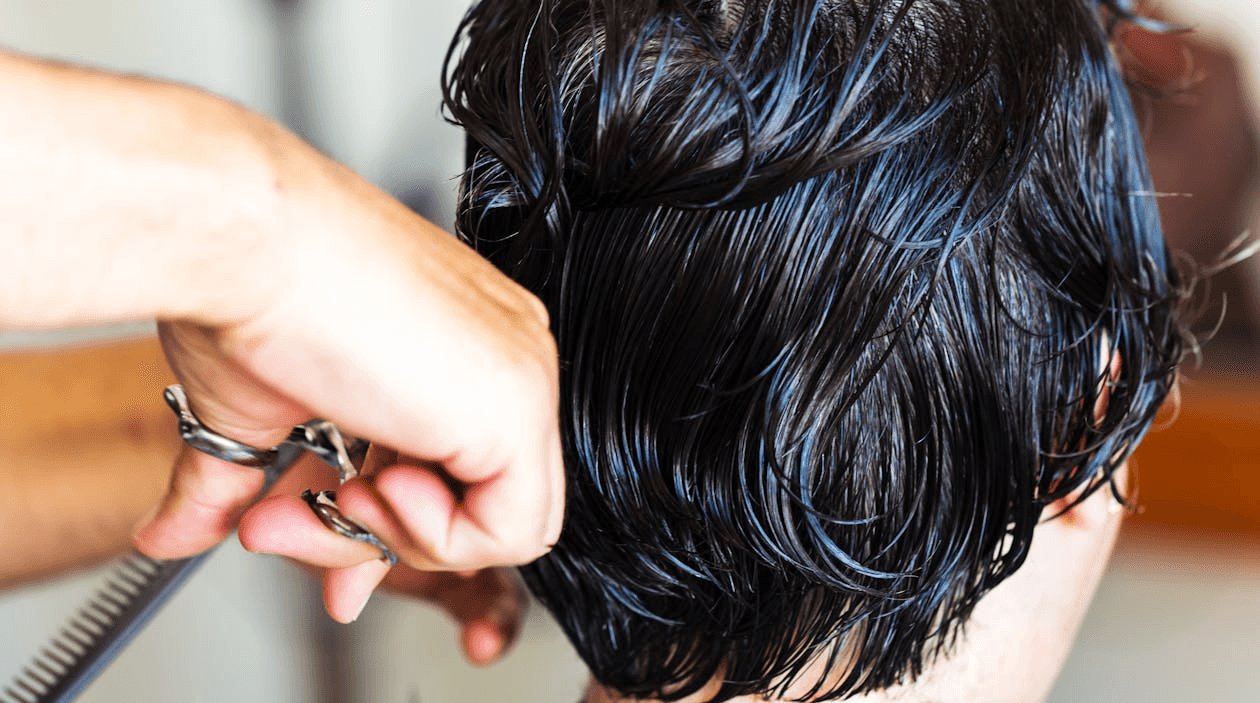
Using precision shears to notch into the hair adds movement without taking away the length. This creates a bridge between the shorter front pieces and the longer back sections of the style. It makes certain the transition is smooth and does not look disconnected or choppy.
Softening these lines prevents a dated or harsh appearance on the client. It makes the transition between different lengths look seamless and professional for a high-end finish. This attention to detail is what sets a master stylist apart from a beginner.
Choosing High Quality Cutting Tools
The tools a stylist uses are just as important as their hand technique or training. Dull blades or incorrect tooth counts can damage the hair cuticle and cause split ends. Using the right shear for the job makes the work faster and more accurate.
Selecting the best tool for the specific hair type is a mark of a professional. It makes certain the hair remains healthy and shiny after the service is complete. High-quality tools are an investment in the future of your career and your craft.
- Sharp blades prevent the hair from pushing or sliding during the cut.
- Texturizing shears help to blend layers without creating visible steps.
- Ergonomic handles reduce the strain on the wrist and hand.
- High-grade steel maintains its edge longer through many haircuts.
Modern texturizing is a balance of art and science that elevates any style. By focusing on movement and weight, you provide clients with hair that truly works for them and their lifestyle. This approach builds a strong connection between the stylist and the client.
The evolution of these techniques ensures the industry remains creative and exciting. Keep refined tools in your kit and keep your skills sharp for the best results in every chair. The future of hair design belongs to those who embrace these detailed and precise methods.


