


resources
Prepare Your Business Building for Fall: Roof Inspection Tips
30 Aug 2025

The fall season brings more than just changing leaves. It presents various challenges for your business building, particularly its roof. As summer fades, it's important to prepare your roof for the upcoming weather changes and ensure its longevity. A comprehensive roof inspection is a critical step in this process. By focusing on preventive maintenance now, you can avoid costly repairs later.
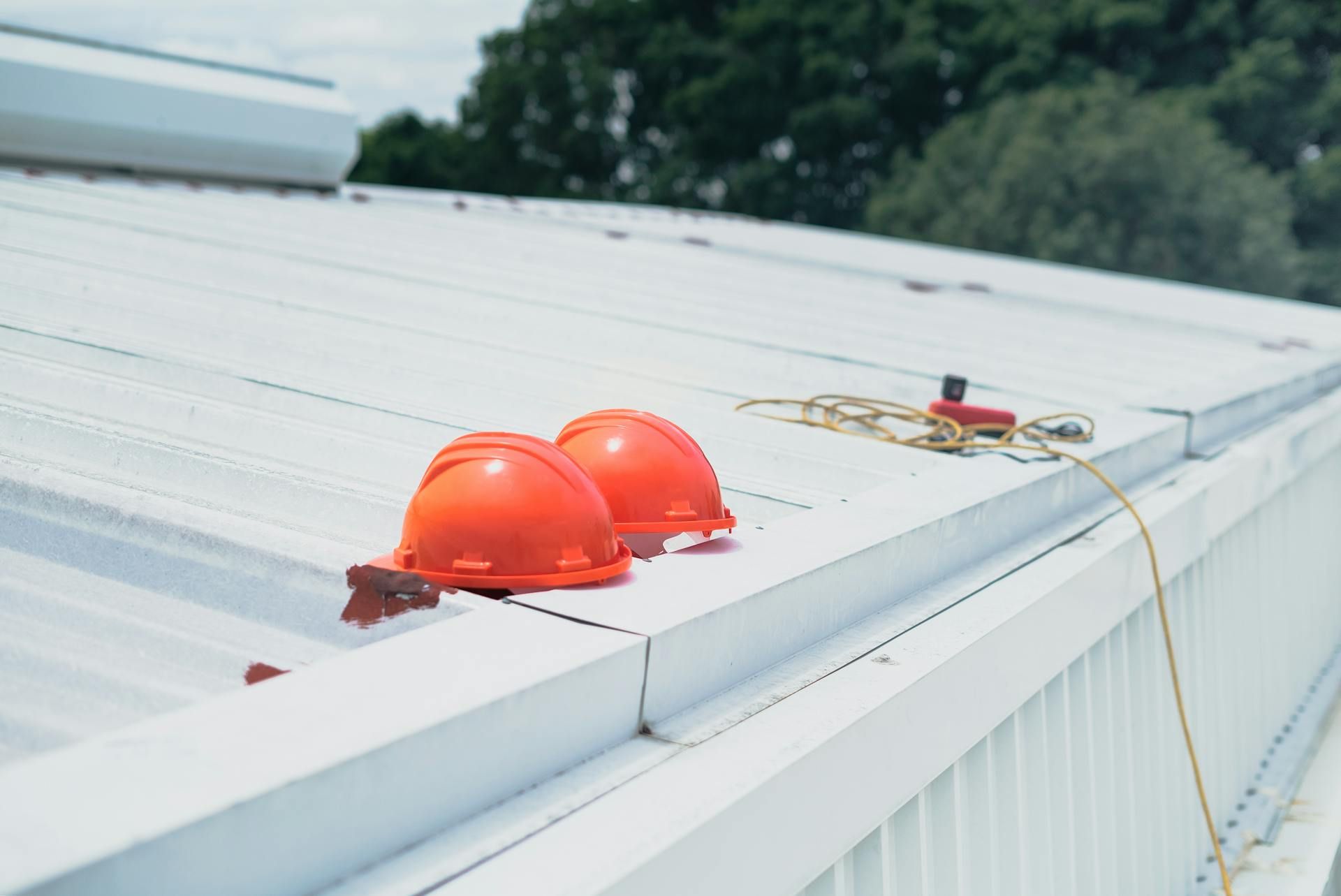
The Importance of Regular Roof Inspections
Regular roof inspections are vital for maintaining the integrity of your business premises. Neglecting this aspect can lead to severe consequences, including leaks, structural damage, and operational disruptions. Falling debris and heavy rains during the fall can exacerbate existing issues if not addressed promptly. By scheduling seasonal inspections, you can identify potential problems before they escalate, saving you time and money in the long run.
During these inspections, roof experts utilize specialized equipment and techniques to uncover hidden damage. This includes checking for softened or rotting materials, signs of leaks, and worn-out flashing.
Common Roof Issues to Look For This Fall
As fall sets in, various roof-related problems may arise. One common issue is the accumulation of debris, such as leaves and branches, which can trap moisture and promote mold growth. Proper cleaning at the start of the season can prevent decay and ensure proper drainage. Ensure that gutters and downspouts are clear and functioning efficiently to avoid water pooling on the roof, which can lead to leaks and structural damage. Another concern is the resilience of roofing materials.
Shingles may curl or crack, reflecting years of exposure to sun and rain. In a flat roof installation, look out for bubbles, which indicate trapped moisture underneath the surface. Pay attention to the flashing, as it serves as a critical barrier against water infiltration. If the flashing is damaged or improperly sealed, water can seep into the roof's underlying layers. This can escalate into significant issues that may necessitate full replacement rather than simple repairs. Lastly, consider how the fall weather can affect your roof.
Preparing Your Roof for Harsh Weather
Preparation for winter begins in the fall. Ensuring your roof can withstand harsh weather requires a proactive approach. Start by trimming overhanging branches that may pose a risk during storms, as high winds can cause them to snap and fall on your property. Creating a safe buffer around your roof can significantly reduce unwanted damage. Transitioning your roof into the winter months involves ensuring that adequate insulation and ventilation exist. Inadequate ventilation can lead to moisture buildup, resulting in mold and mildew issues.
Conversely, effective insulation ensures that heat generated indoors does not escape, which can create ice dams during freezing conditions. Checking seals and flashing will play a vital role in preparing your roof. Be thorough in inspecting any potential gaps that could allow water to penetrate your building. If you observe any areas requiring attention, reach out to qualified professionals before the weather worsens. Finally, a roof coating can serve as an additional protective layer.
Choosing the Right Roofing Material for Your Business
Selecting suitable roofing materials for your business is a major decision that impacts longevity, maintenance, and aesthetics. Various materials, such as asphalt shingles, metal roofing, and TPO, each offer distinct advantages and disadvantages. Evaluating these factors is crucial when considering long-term investments. For businesses in warmer climates, reflective materials, such as metal roofing, can help minimize cooling costs. In contrast, insulation is often necessary for heavier materials, including tile or slate, which may need additional structural support.
Consider the maintenance requirements. Some materials, like asphalt shingles, require more frequent inspections and repairs, while others, such as metal, often boast a longer lifespan with less maintenance. Engaging with a professional roofing service can provide you with insights into which material suits your needs best. Understanding local weather conditions will shape your choice. Consulting with specialists ensures that you select materials that enhance resilience to climate challenges.
The Benefits of Professional Roof Inspections
Professional roof inspections provide numerous advantages when preparing for seasonal changes. According to trusted roofers in Tampa, experts can identify subtle warning signs often overlooked by untrained eyes. They employ technology that allows them to assess the roof's health and longevity accurately. It is advisable to partner with professionals who can provide expert guidance tailored to your specific roofing needs. Having a qualified contractor conduct inspections can facilitate warranty claims should problems arise.
Regular inspections demonstrate that you are actively attending to necessary care, which can help assure product validity and coverage. Working with experienced professionals saves you time and energy. They possess the knowledge and tools to efficiently carry out inspections, helping you focus your operational efforts elsewhere without compromising your roof's integrity. The benefits extend to improved safety as well. Climbing onto roofs for inspections can be dangerous, particularly for those without experience. Industry professionals bring both the skills and protective equipment necessary for safe assessment. Using reputable roofing services ensures that your inspections remain compliant with local regulations and standards.
The Role of Maintenance in Roof Longevity
Regular maintenance serves as the backbone of roof longevity. Just like any other part of your building, your roof requires routine care to prevent deterioration. Scheduling bi-annual inspections allows you to stay ahead of minor issues before they escalate. Implementing a structured maintenance plan helps businesses budget for upcoming maintenance tasks, leading to better cash flow management. Performing necessary service work on an ongoing basis can minimize operational interruptions. Timely repairs allow your business to continue functioning without the worry of sudden roof emergencies disrupting your workflow.
A well-maintained roof positively impacts your business reputation; clients and customers notice the exterior condition of your property. Your business's roof directly affects energy efficiency, which can either save or cost you money. Sealant applications and minor repairs can drastically reduce heat loss, leading to lower utility bills. This added benefit can make periodic maintenance worthwhile, further reinforcing the importance of ongoing service contracts with reputable contractors.
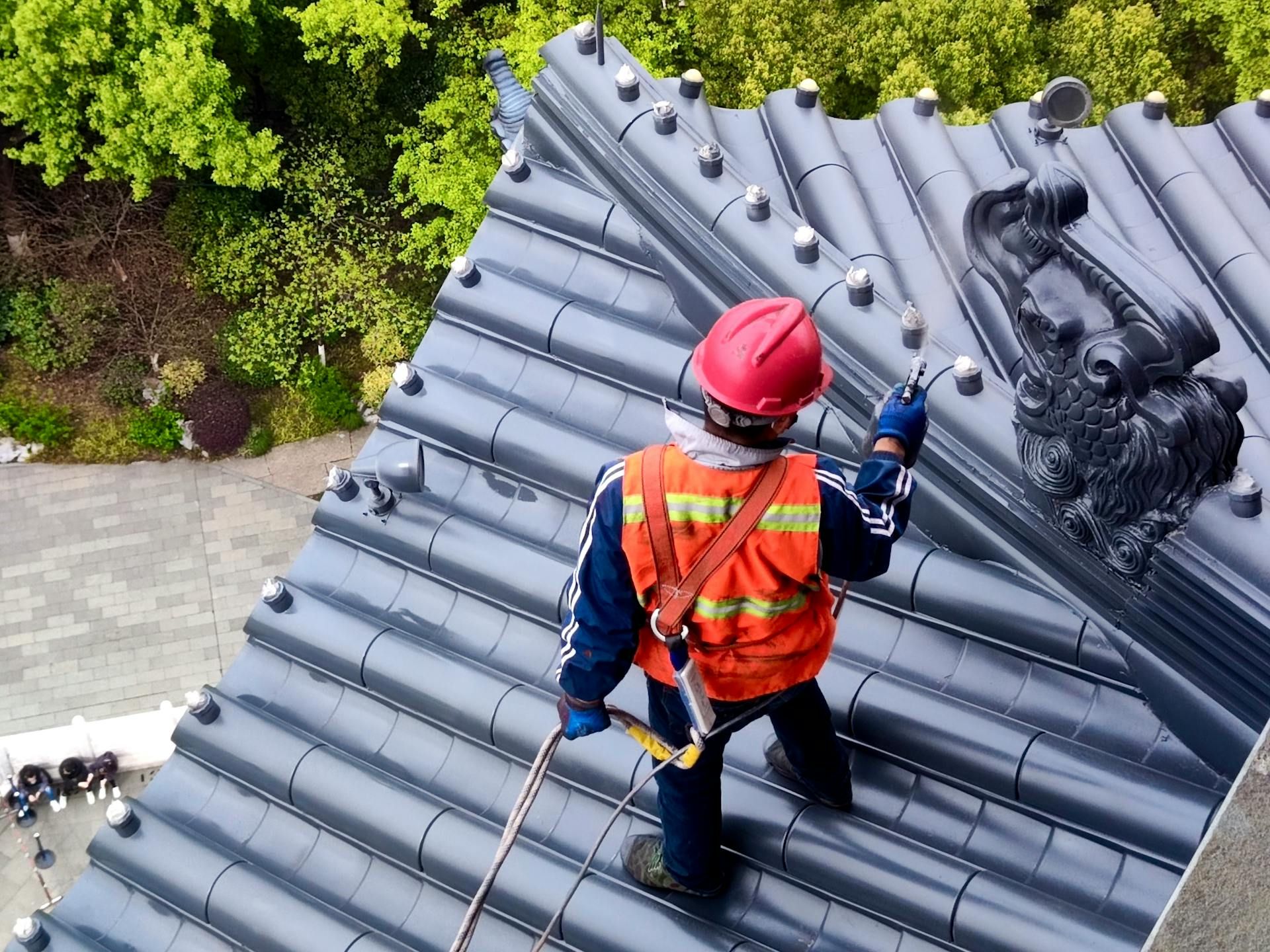
Preparing your business building for fall through diligent roof inspections and maintenance ensures your property stands firm against weather challenges. Regularly assessing your roof prevents small issues from escalating and maintains the efficiency and aesthetics of your building. By understanding common problems, preparing adequately, and collaborating with skilled professionals, you can protect your investment and enjoy the coming seasons with confidence.


