
business resources
Protecting the Asset: Mold Inspection Strategies for Property Managers
02 Apr 2026

Managing a portfolio of properties means balancing maintenance costs with tenant satisfaction. Tiny spores can quickly turn into a massive headache if water finds a way into the walls. Keep a building dry to avoid expensive remediation projects later.
Smart managers focus on prevention and quick action to keep their assets safe. Successful oversight needs a sharp eye for small changes in the building environment. Regular checks keep the structure sound and the air quality high for every resident.
Early Detection Prevents Costly Repairs
Staying ahead of moisture issues helps maintain building integrity. When managers opt for professional mold inspection, teams identify hidden leaks before they become structural nightmares. Consistent monitoring protects the long-term value of the real estate.
Owners appreciate it when managers catch problems before they require a total gut renovation. Spending $200 on a check today saves thousands of dollars in the future. Proactive property care keeps investors happy and insurance premiums lower.
Strategic Maintenance Checklists
Setting a schedule for recurring tasks keeps the property in top shape. Regular walkthroughs catch small drips before they rot the floorboards. Using a list makes the process repeatable for any staff member.
- Inspect roof drains for debris after every storm
- Test the humidity levels in the basement storage units monthly
- Verify that bathroom exhaust fans are pulling air correctly
- Look for discolored ceiling tiles in top-floor apartments
- Check under kitchen sinks for signs of slow pipe leaks
- Clear gutters to prevent water from pooling near the foundation
Detailed lists help maintenance crews stay organized during busy months. Following a set plan decreases the chance of missing a hidden problem area. Organized teams are much more efficient at protecting the building.
Controlling Moisture In Common Areas
Lobbies and laundry rooms are frequent spots for humidity buildup. Drying damp materials within 24 to 48 hours usually prevents fungal growth. Quick response times after a spill keep the air clean for everyone.
Checking the seals on windows during heavy rain prevents slow seepage. High traffic zones may experience more wear on plumbing fixtures. Replacing a leaky faucet today prevents a bigger mess next week.
Modern Standards For Property Reviews
Property management relies on keeping detailed records of every unit. Updated property inspection forms were adopted as of early 2024. Using current templates helps staff track recurring issues across different buildings.
Standardized reports make it easier to justify maintenance budgets to owners. Consistency across the portfolio allows for better comparisons of building performance. Digital logs create a paper trail that proves the manager is being diligent.
Responding To Tenant Concerns Quickly
Tenants are the first people to notice a strange smell or a damp spot. New regulations in some regions require managers to investigate reported dampness within 10 business days. Open communication encourages renters to report problems before they spread.
Fast investigations build trust and reduce the risk of health complaints. Residents who feel heard are more likely to take care of their living spaces. A quick visit from a technician can solve most minor issues before they escalate.
Training Staff To Spot Red Flags
Maintenance teams need to know exactly what to look for during daily rounds. Peeling paint or warped baseboards are the first signs of a plumbing leak. Teaching staff to recognize these clues stops problems at the source.
A well-trained team acts as the first line of defense against building decay. Staff members should feel comfortable reporting even the smallest signs of moisture. It keeps the entire property functioning at peak efficiency.
Budgeting For Healthy Buildings
Budgeting $500 for yearly testing keeps the property competitive. Clean air is a major selling point for modern renters who care about wellness. Professional assessments provide a baseline for the health of the structure.
High occupancy rates justify the cost of staying proactive with building care. Investing in the health of the building creates a better reputation for the management firm. Modern tenants expect high standards for their home environment. Spending money on prevention is always cheaper than reacting to a disaster.
Improving Air Circulation In Units
Proper ventilation is what keeps indoor spaces dry. Checking that dryer vents lead directly outside prevents humid air from staying indoors. Tenants should be encouraged to use bathroom fans after every shower.
Stale air traps moisture that leads to growth on cold surfaces. Upgrading old HVAC filters improves the airflow through the entire building. Better circulation can balance the temperature and reduce damp spots in corners. All these improvements make the living space much more comfortable for residents.
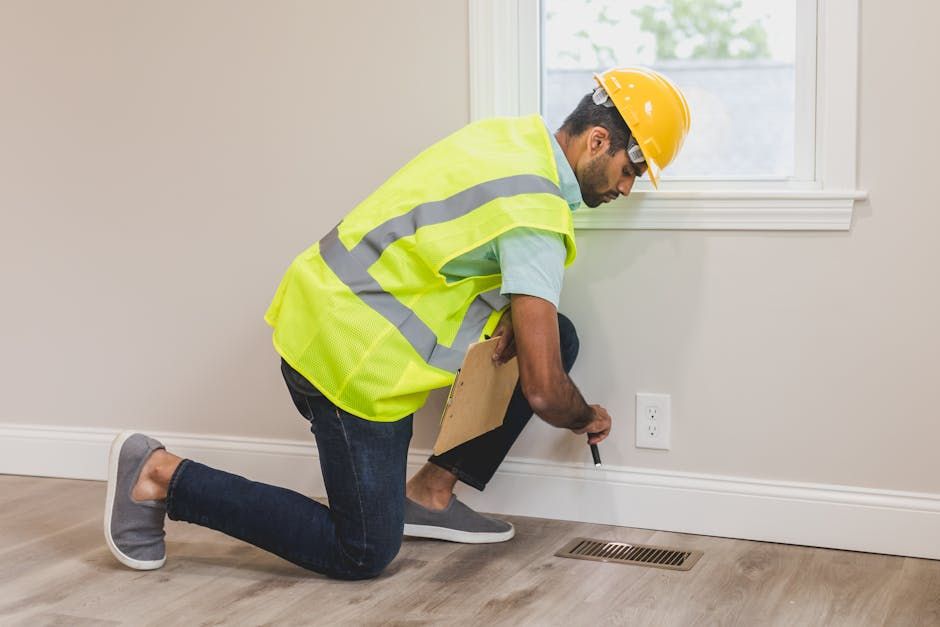
Keeping a property free of moisture takes constant effort and a good eye for detail. Property managers who prioritize dry environments create better living spaces for their residents.
Following simple steps keeps the asset strong and the tenants happy for years. A successful real estate investment needs consistent care. Protecting the building means protecting the people who live inside it.


