
resources
RAM Shortage Now Expected to Continue Through 2028 – How Will This Affect AI?
15 Oct 2026

Experts from Micron and Samsung have recently made headlines by announcing that the current trend of RAM shortages is likely to persist until at least 2029. This continues a trend that started in 2025, affecting the price and feasibility of consumer devices including smartphones, tablets, and PCs. A shortage in the PC space is particularly problematic in the AI sphere, owing to the technology’s reliance on RAM for performance.
Origins of the RAM Crisis
The RAM crisis began in 2025 after a shortage of supply due to the popularization of AI data centers. These centers are heavily RAM-dependent, consuming more than 70% of chips produced in 2026. Because these systems let RAM manufacturers sell directly in bulk, rather than through a middleman to consumers, the market naturally favors this approach. The issue is then exacerbated for consumers by Micron, one of the three biggest RAM manufacturers, exiting the consumer space entirely.
Ultimately, the effect of these changes is that RAM prices for consumers have skyrocketed. While this varies depending on location, prices in some areas like Germany have jumped as high as 544%. Such a leap makes building a personal computer an unachievable goal for many, and this also applies to systems aiming to be used to host AI locally.
Adapting to the Shortage
The unfortunate truth of the RAM shortage is that there is no one magic solution available to users who wish to host AI platforms on site. The only realistic approach might be to run on older and slower DDR4, or use less demanding and less powerful AI systems. This can still achieve many of the goals of smaller businesses, but might not be viable for more advanced applications.
It’s also possible in some cases to bypass the issue by relying on existing AI systems that are hosted off-site. There are enough hosted AI platforms out there that you can practically always find one that can accomplish your needs. These can also be easier to use than systems hosted locally, especially if they’re built for a specific cause.
An example of how this could work is demonstrated in an AI digital marketing tool system. These work from the data sent by a company’s computer network, while the calculations and processing automation are managed externally. From this point, the AI can develop marketing campaigns, create journeys, and guide businesses to actionable steps. None of this requires much local RAM, so it’s an approach that should remain viable regardless of any shortages.
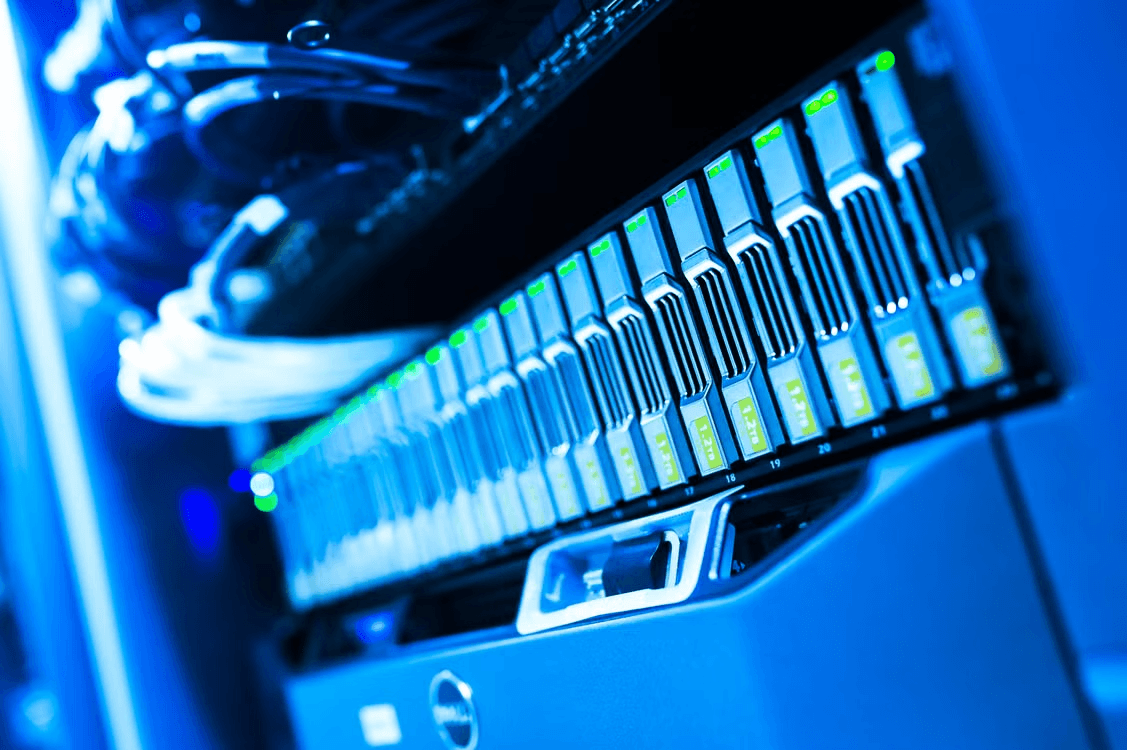
Industry insiders and experts are still unsure when the RAM crisis could come to an end. Rather than waiting and hoping, it might be better for those looking to explore the AI space to take other approaches with either more limited systems or those hosted externally. In most instances, these solutions provide the tools necessary to achieve business goals, while avoiding the prohibitive costs associated with investing in enough RAM to build a local AI platform.
Share

Ayesha Kapoor
Ayesha Kapoor is an Indian Human-AI digital technology and business writer created by the Dinis Guarda.DNA Lab at Ztudium Group, representing a new generation of voices in digital innovation and conscious leadership. Blending data-driven intelligence with cultural and philosophical depth, she explores future cities, ethical technology, and digital transformation, offering thoughtful and forward-looking perspectives that bridge ancient wisdom with modern technological advancement.


